Monopo London Creative Agency Portfolio
Features a PixiJS WebGL gradient hero, a vertical ruler scroll-progress indicator, and sticky project sections with dynamic scaling transitions and custom cursor interactions.
Overview
Monopo London is a high-end creative agency portfolio that utilizes immersive WebGL visuals and highly tactile scroll mechanics to showcase brand work. It serves as a premier reference for builders looking to implement sophisticated scroll-driven animations and custom cursor-based navigation within a minimalist framework.
Design System
- Color Palette & Visual Hierarchy: The site uses a high-contrast dark mode foundation (Black background, White typography) to make the vibrant, multi-colored WebGL gradients and colorful project photography pop. The hierarchy is established through extreme shifts in typography size rather than color.
- Typography: The system features a unique combination of bold, condensed sans-serif fonts for headings and delicate, italicized glyphs (e.g., lowercase 'o' and 'i') to add a high-fashion, boutique feel. Text scales from massive h1 descriptors to tiny, functional utility labels (ruler marks).
- Page Structure & Flow: The site opens with a full-screen PixiJS gradient hero, transitioning into a project gallery. The layout uses a vertical 'ruler' scroll indicator (class
c-Home-ruler) on the left, while project titles and images remain sticky and scale dynamically as the user scrolls through thejs-sticky-container. - Reusable Components:
- Vertical Ruler Progress: A creative alternative to a standard scroll bar that tracks position using
c-Home-ruler-cursor. - Custom Cursor: A circular interaction element (
c-Cursor-info-circle) that changes its text content (e.g., "View case study") based on the hovered element. - Sticky Project Sections: Projects are contained in 1080px high blocks that use sticky positioning to overlay each other during transitions.
- Vertical Ruler Progress: A creative alternative to a standard scroll bar that tracks position using
- Interaction & Motion: The site relies heavily on scroll-jacking concepts where scrolling controls the scale and opacity of images. The HTML reveals a
monopo-gradientcomponent with parameters for displacement, seed, and zoom, suggesting a shader-based background system. - Implementation Clues: Built with Nuxt.js (
id="__nuxt"), the site leverages PixiJS for WebGL rendering and Prismic as a headless CMS for dynamic image loading. It follows a class-based naming convention (e.g.,t-h1,c-App) for clear separation of typography and components.
Use Cases
- Creative Portfolios: Designers and directors should clone the sticky image scaling and the vertical ruler to create a 'gallery' feel that distinguishes them from template-based sites.
- Premium Product Launches: Hardware or luxury goods brands can remix the WebGL gradient background to match their brand palette, using it as a high-fidelity backdrop for 3D product renders.
- Remix Strategy: A quick clone of the
c-Cursor-infologic and the CSS for the custom typography system can elevate a standard landing page without requiring a full site rewrite. For a full-page clone, builders should focus on the intersection of the sticky scrolling container and the PixiJS canvas transitions. - Practical Scope: High-impact for homepages or 'Work' landing pages; less practical for content-heavy blogs or data-driven dashboards due to its focus on visual immersion over density.
Related Inspirations
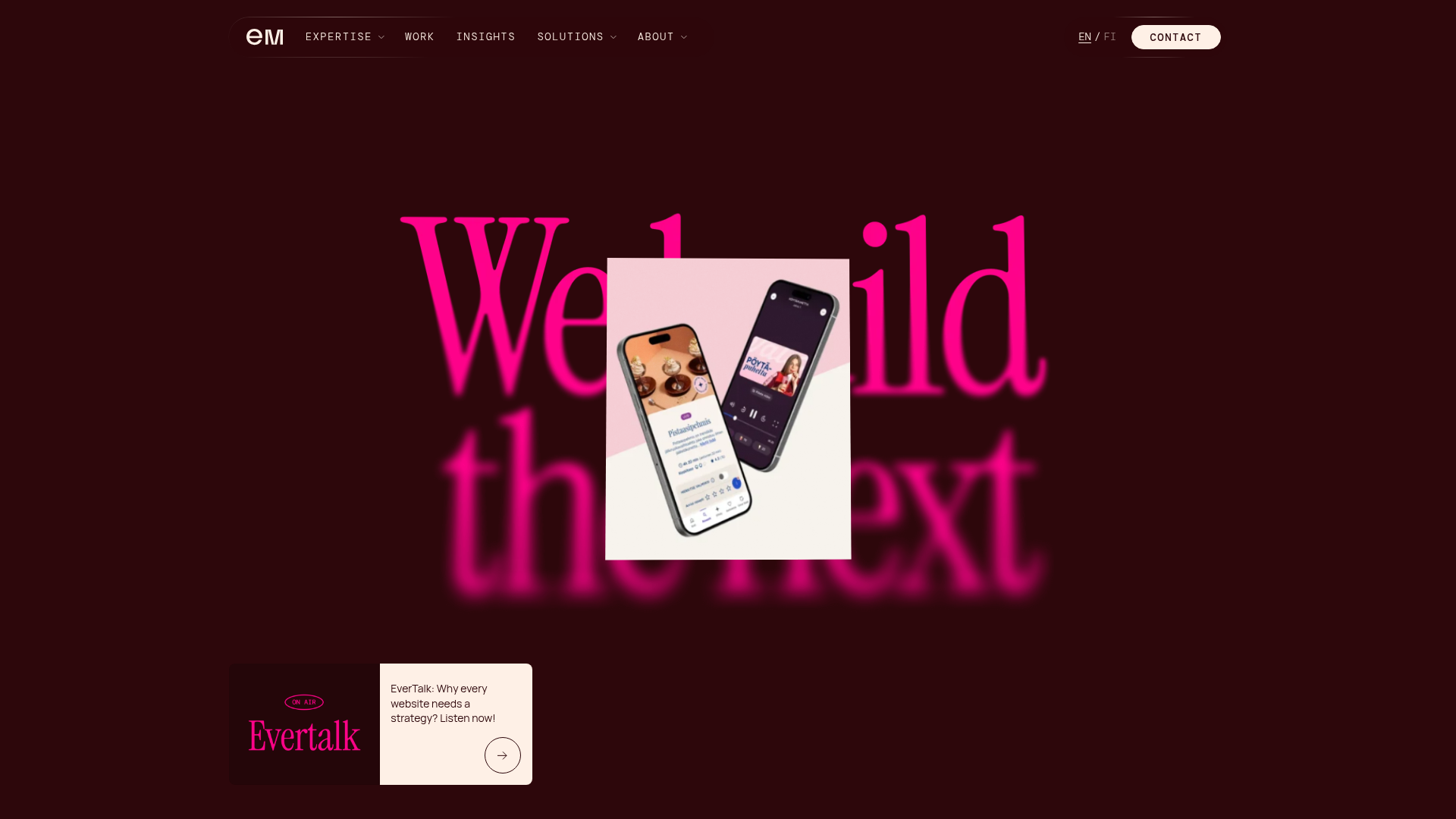
Evermade Agency Site Showcase
A high-performance agency site featuring a luxury dark aesthetic, interactive 3D hero tilt effects, custom slider components, and a unique 'text-reveal-on-hover' service section.

Leonid Kostetskyi Creative Portfolio Template
A high-end portfolio featuring an interactive multi-step contact form, reward tables, a project grid with WebGL image effects, and a marquee skill ticker.

Bravò Studio Creative Portfolio Gallery
A minimalist dark-themed portfolio featuring a 3D video carousel, WebGL canvas integration, and a searchable archival list layout for high-end creative work.
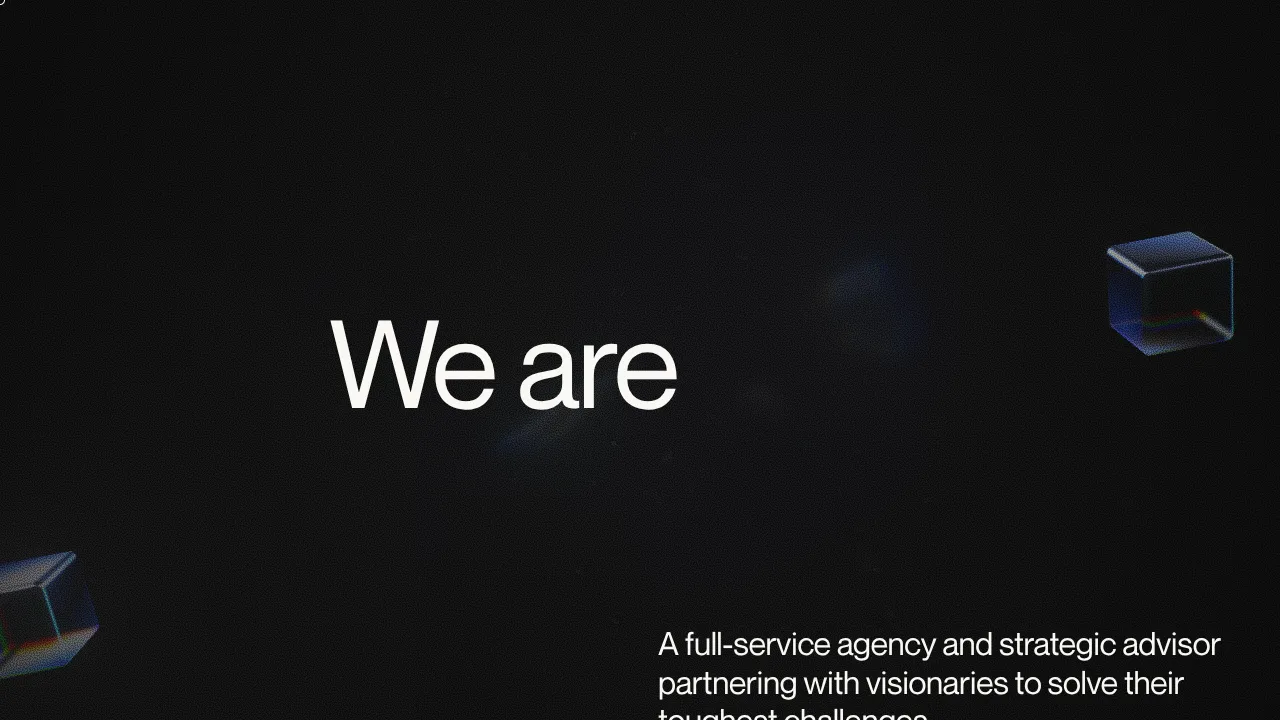
Vivid+Co Agency Portfolio Interaction
A dark-themed agency site with an animated WebGL background, a dynamic text-swapping hero section, and expandable accordion service blocks.
Basement Studio Agency Portfolio Landing
A high-end dark mode portfolio featuring Three.js canvas backgrounds, sticky tiered project sections, a diagonal-patterned logo grid, and a retro-themed overlay contact form.
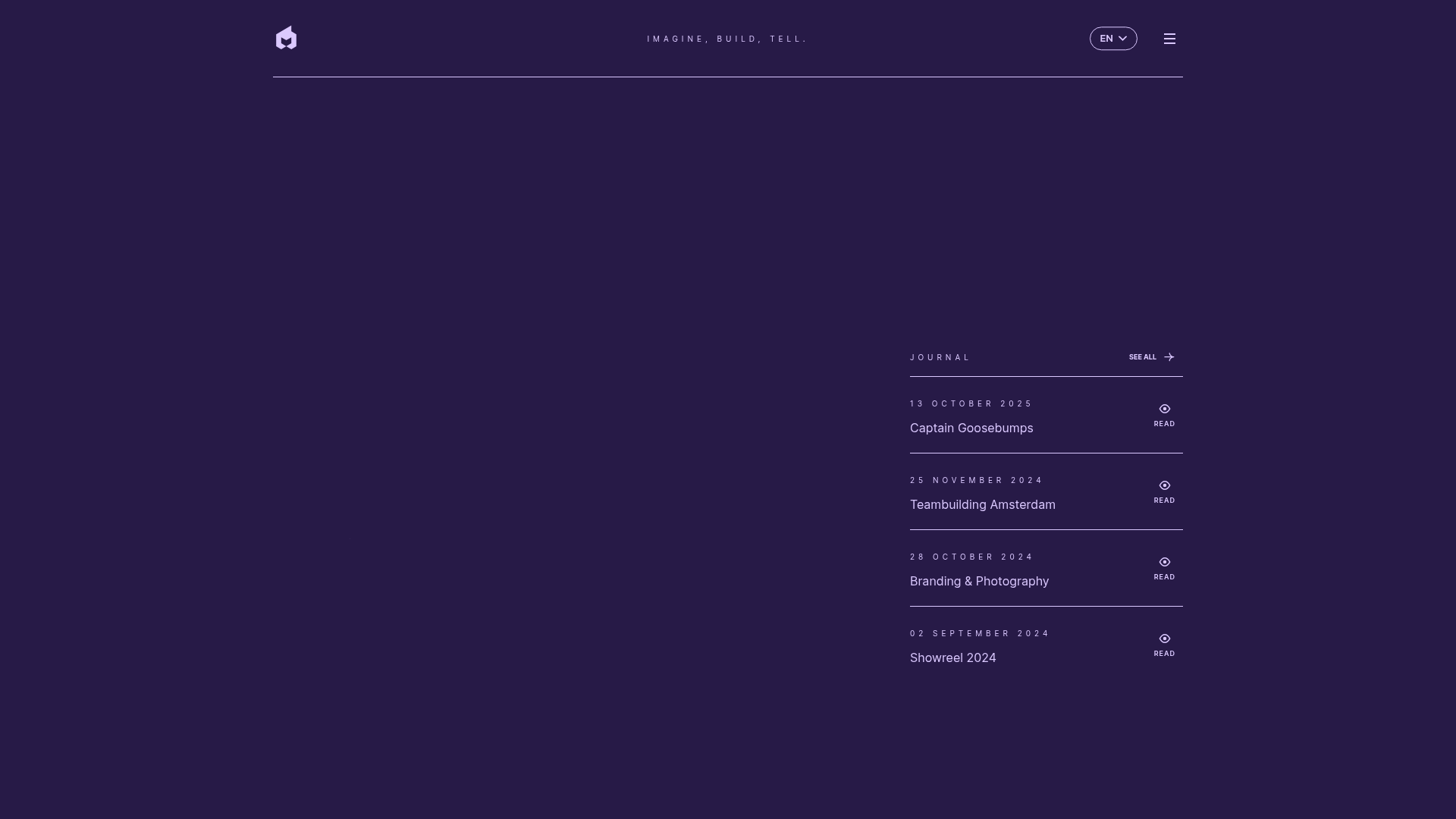
EPIC Agency Minimalist Modern Portfolio
A high-end creative agency layout featuring Three.js canvas backgrounds, cinematic video embeds, and a clean typography-driven journal section with hover interactions.
