Modern Portfolio with Pill-Based Typography
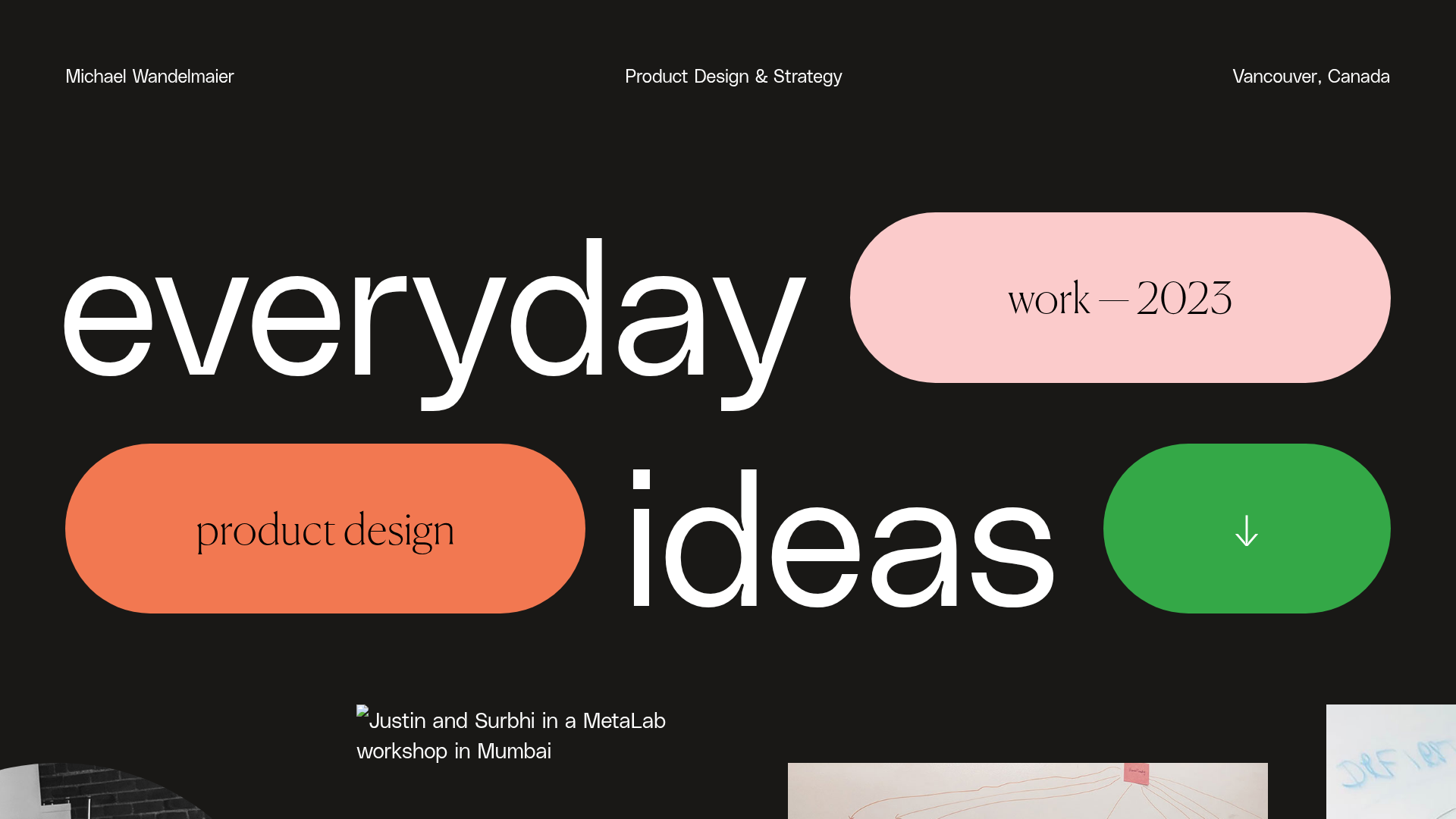
A high-concept portfolio featuring a bold typographic hero with nested pill-shape accents, image carousels, and a flexible grid for project case studies.
Overview
This high-concept portfolio utilizes a bold, experimental layout that blends oversized typography with large-scale pill-shaped containers. It is an excellent clone reference for creatives seeking a balance between minimalist whitespace and high-impact visual weight to showcase professional history and case studies.
Design System
- Color Palette & Visual Hierarchy: A sophisticated dark-mode foundations (#111111) is elevated by high-saturation accent colors (Salmon, Forest Green, and Pale Pink). Hierarchy is established through size rather than color, with the hero section's massive white text serving as the primary focal point.
- Typography System: The design leverages a high-contrast pairing: a clean, geometric sans-serif (used for the header and body) and an elegant, thin serif typeface reserved for text inside the decorative pills. This creates a distinct visual rhythm between "content" and "emphasis."
- Page Structure & Section Flow:
- Top Nav: Minimalist three-column utility bar (Brand, Role, Location).
- Hero: A
row-based grid with alternatingdisplaytext andfat-pillaccents. - Visual Texture: A horizontal image
carouselwith varied clip-paths (circles, tall rectangles, squares) to break up the linear flow. - Narrative Section: A two-column intro featuring long-form text and a sticky diagrammatic list of skills.
- Gallery: A flexible
layout-columnsgrid that alternates between full-width (1/1) and half-width (1/2) project cards. - Data Lists: Sticky-header sections for client lists and startup experience.
- Reusable Components: The large pill-shaped containers (
fat-pill) are the primary reusable asset, capable of housing nav links or section headers. The project cards are highly modular, utilizing consistenteyebrowtext for metadata. - Responsive Behavior: The HTML includes a
hide-mobileclass on the complex hero section, suggesting a fallback to a simplified, vertically-stacked layout for smaller screens.
Use Cases
- Who should clone this: This pattern is ideal for senior product designers, creative directors, and boutique agencies whose work spans diverse industries and requires a "premium" editorial feel.
- Effective Remixes:
- SaaS Marketing: Transform the project cards into feature highlights and the skill diagram into a capabilities or integration list.
- Event Landing Pages: Use the oversized hero typography for speaker names and the decorative pills for dates and session topics.
- Practical Remix Directions: Retain the geometric grid structure but swap the "accent-color" classes to match a specific brand identity. Builders should prioritize cloning the
fat-pillcomponent first, as it is the core architectural element of the site's identity. - Suggested Scope: A full-page clone is recommended to capture the sophisticated spacing and sticky header behaviors, but the project grid (1/1 to 1/2 transitions) is a standalone piece of structural CSS worth extracting for smaller portfolios.
Related Inspirations
Bruno Arizio Designer Portfolio Website
A minimalist creative director portfolio featuring a clean typographic layout, side-aligned image previews, and high-contrast spacing patterns suitable for luxury or design showcases.
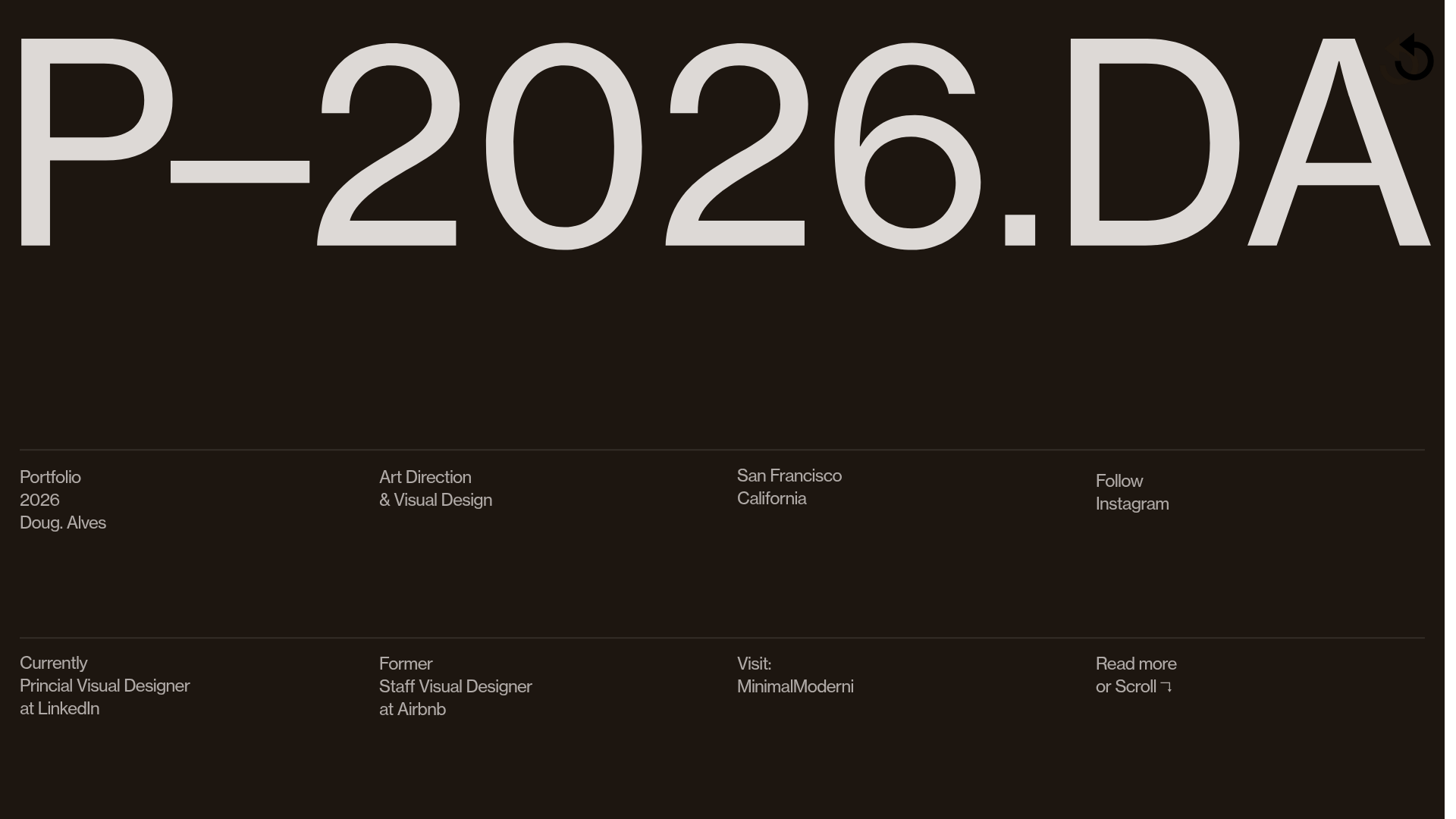
Doug Alves Visual Design Portfolio
A minimalist, high-contrast design portfolio featuring oversized typography, a sticky four-column grid footer, and a vertical scroll-triggered slide-show for project showcases.
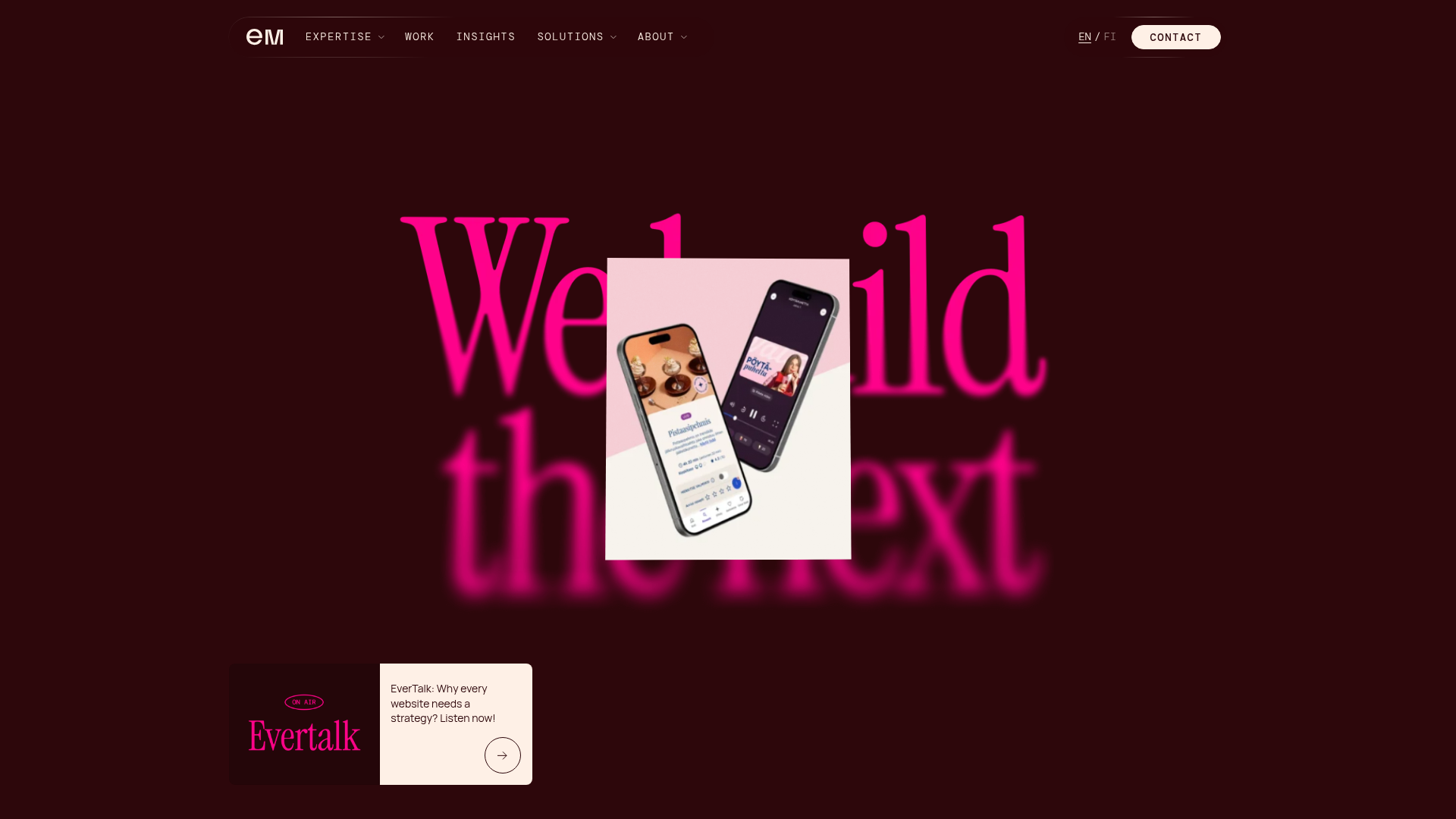
Evermade Agency Site Showcase
A high-performance agency site featuring a luxury dark aesthetic, interactive 3D hero tilt effects, custom slider components, and a unique 'text-reveal-on-hover' service section.

Dries Bos Creative Developer Portfolio
A high-interaction dark-mode portfolio featuring a grain-textured bento grid, marquee headers, theme switching, and a dynamic project list with hover-triggered image previews.
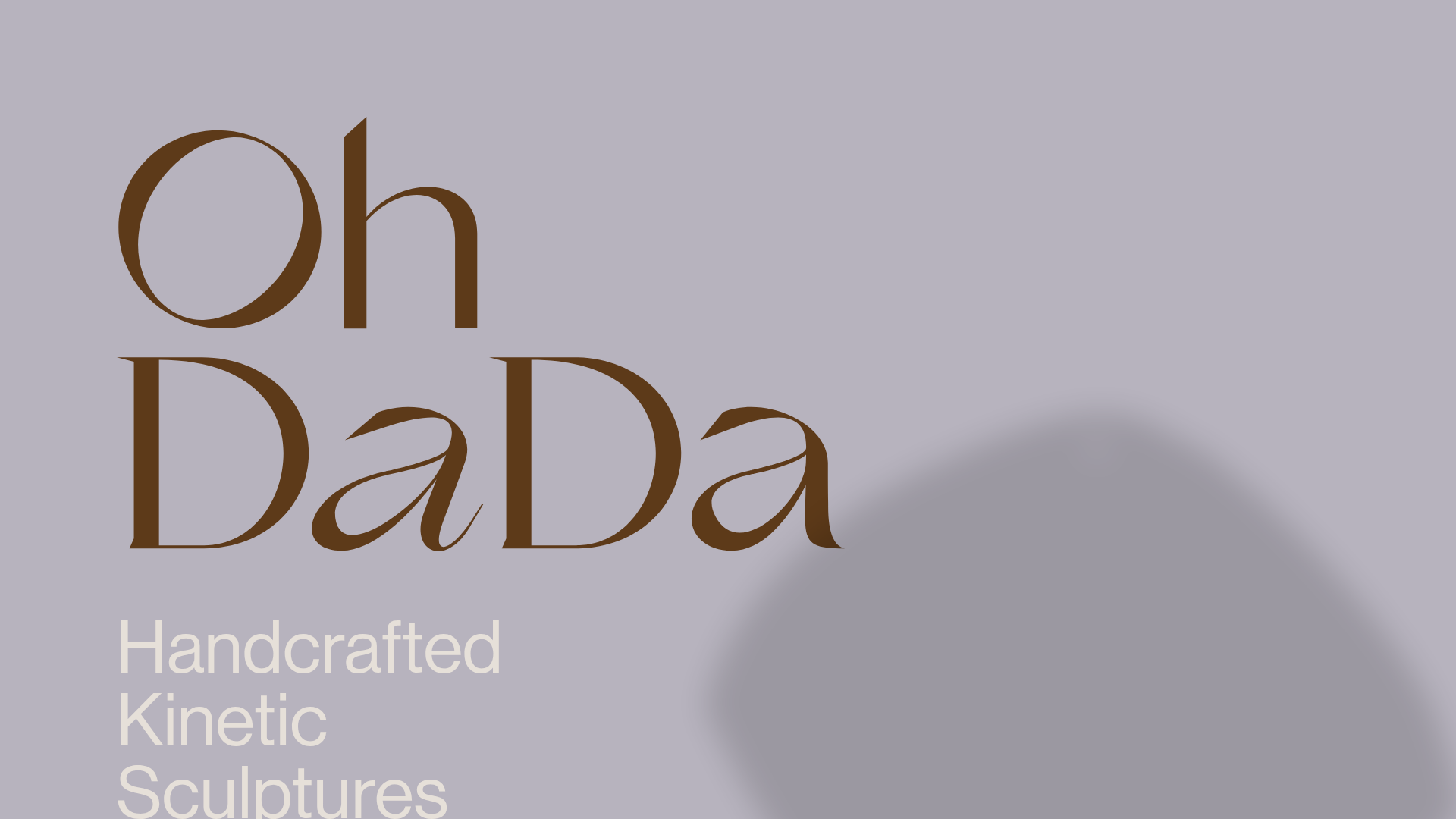
OhDaDa Handcrafted Kinetic Sculpture E-commerce
A minimalist Svelte-based store featuring a horizontal-scroll product showcase, transform-driven image gallery, and a full-screen sliding cart overlay.
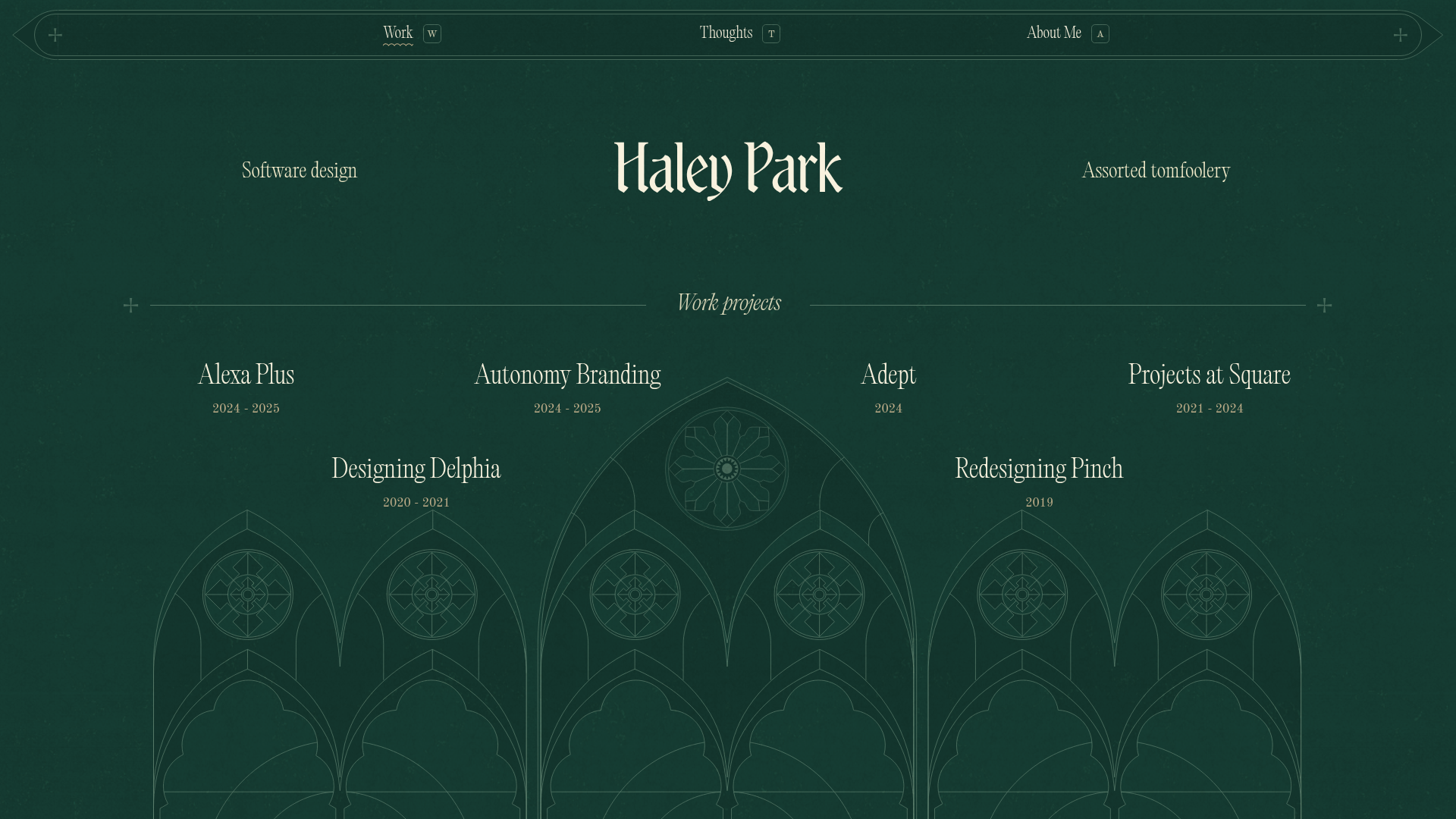
Haley Park Ornate Portfolio Landing
A dark-themed design portfolio featuring a Gothic architectural SVG background, editorial typography grid, and a project list with a subtle noise texture overlay.
