Camille Mormal Interactive Design Portfolio
A minimalist WebGL-based portfolio featuring high-end typography, smooth page transitions, and a custom interactive canvas list with a centered fractional paginator.

Overview
This project is a high-end, WebGL-powered interactive portfolio designed for Camille Mormal. It serves as an excellent clone reference for its sophisticated use of canvas-based transitions, minimal layout, and a unique fractional pagination system that anchors a list-based project navigation.
Design System
- Color Palette & Visual Hierarchy: The design utilizes a high-contrast, dark-mode foundation with a deep charcoal/black background and crisp white typography. The hierarchy is extremely focused, prioritizing a single central interaction point (the loader or list) over complex navigation bars.
- Typography: The site features a sophisticated serif font for project titles (
.h-title-a) and a clean sans-serif for functional data like percentages and counts. The typography scale is large and elegant, intended to make text the primary visual element. - Page Structure & Flow: The initial state is a centered loading sequence (
#load) featuring a percentage indicator. The main architecture (#main) consists of a project list (#h-title-w) where each item contains a title and an index number. At the bottom, a fractional paginator (#h-pgn) tracks movement through the vertical list. - Reusable Components:
- Interactive List: An
<ul>based navigation where project titles are paired with individual counters. - Fractional Paginator: A three-part footer component (
#h-pgn-left,-middle,-right) that provides a persistent status of the user's position. - Custom Loader: A simple, centralized
<div>based percentage counter that can be easily repurposed for any asset-heavy site.
- Interactive List: An
- Interaction & Motion: The structure suggests a smooth, likely scroll-jacked or momentum-based interaction where the project list moves vertically. The presence of a
<canvas id="gl">indicates that webGL is used for high-performance visual transitions between states. - Implementation Clues: The HTML structure is minimalist, using specific IDs like
#sail(likely a page transition overlay) and#h-cross(an ornamental UI element). The lack of heavy utility classes suggests a custom-authored CSS or a specialized animation library approach.
Use Cases
- Who should clone this: Creative directors, independent designers, and boutique agencies looking to build a "digital gallery" rather than a traditional corporate website.
- Effective Remixes: This pattern works exceptionally well for luxury brand lookbooks, photography portfolios, or architecture firm showcases where imagery and smooth transitions take precedence over text-heavy content.
- Remix Directions: Replace the black background with a muted earth-tone palette for a brand-led feel, or swap the serif font for a modern monospaced typeface to achieve a more technical, developer-centric aesthetic.
- Suggested Clone Scope: For a fast win, clone the Fractional Paginator and centered loader design. For a more intensive build, replicate the full WebGL list navigation to master high-end page transition logic.
Related Inspirations
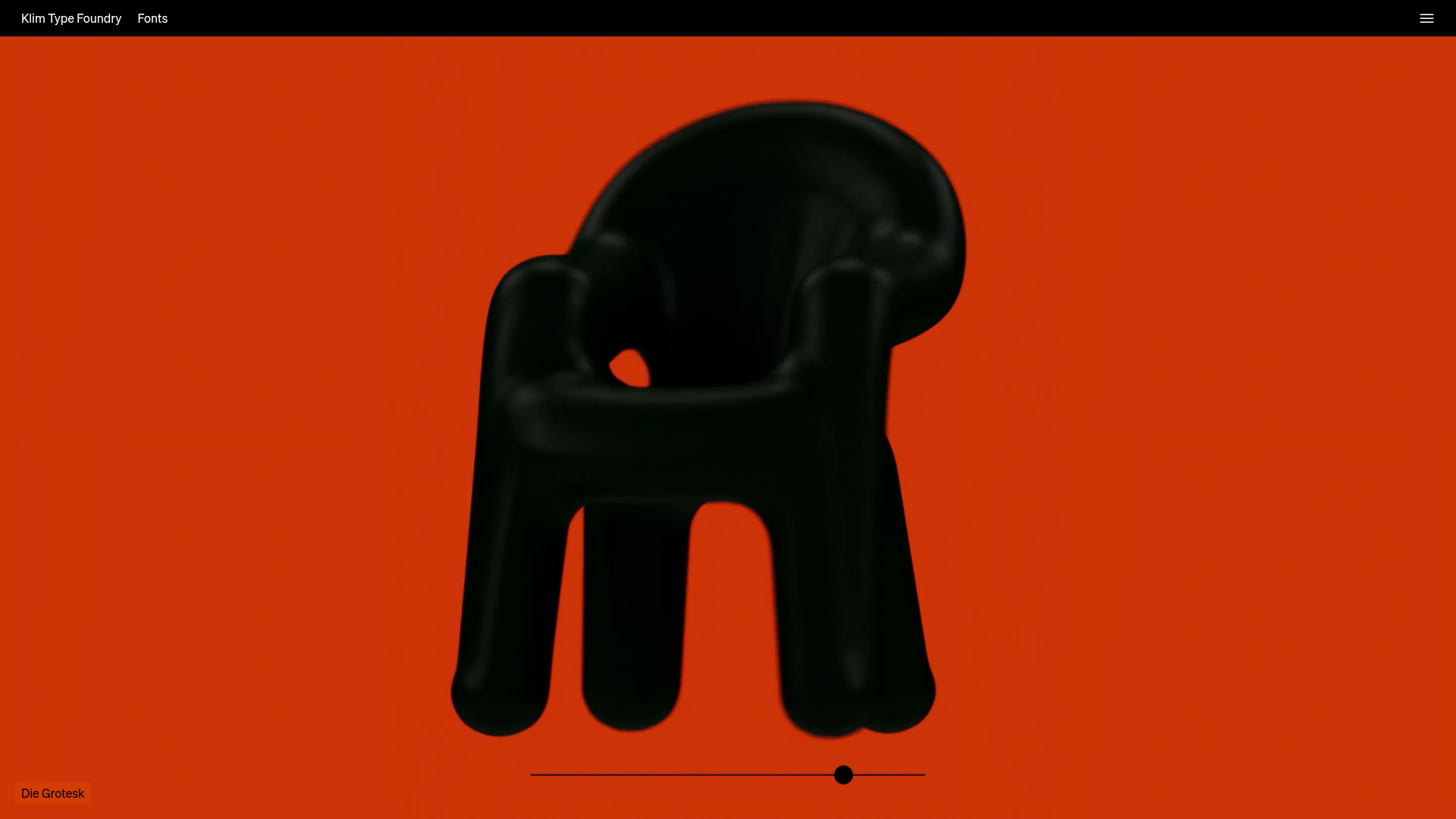
Klim Type Foundry Interactive Typography Landing Page
A high-impact landing page featuring a minimalist full-screen image gallery, interactive slider controls, and a clean, hidden navigation menu.
PostNew Moving Image Portfolio Gallery
A minimalist dark-themed portfolio featuring a full-screen vertical scroll layout, video-based grid sections, and blur-effect navigation components.
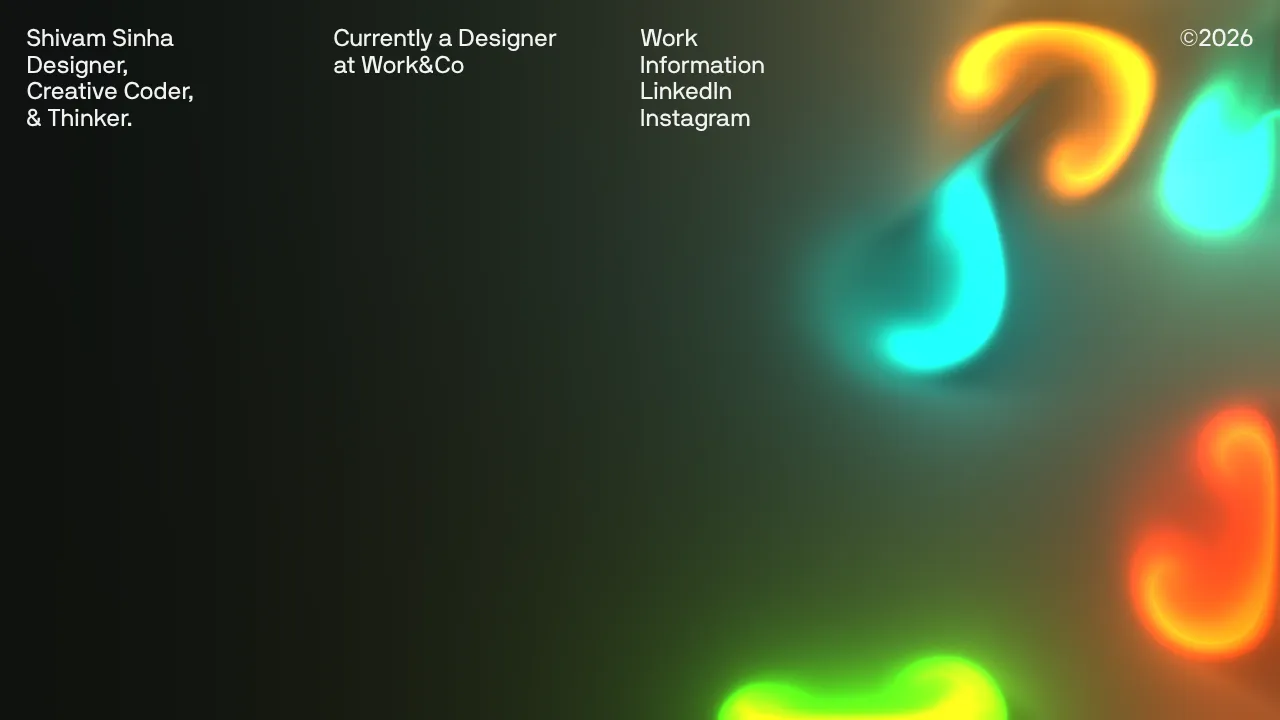
Shivam Sinha Portfolio Hero Landing
A minimalist portfolio layout featuring a full-screen interactive fluid-simulation canvas, clean typographic header, and a responsive navigation grid.

Leonid Kostetskyi Creative Portfolio Template
A high-end portfolio featuring an interactive multi-step contact form, reward tables, a project grid with WebGL image effects, and a marquee skill ticker.

Bravò Studio Creative Portfolio Gallery
A minimalist dark-themed portfolio featuring a 3D video carousel, WebGL canvas integration, and a searchable archival list layout for high-end creative work.
KeepsMeSane Minimalist Portfolio Slideshow
A dark, ultra-minimalist landing page featuring a full-screen image slideshow with fixed corner text labels and a subtle progress bar.
