True Staging Immersive Hero Portfolio
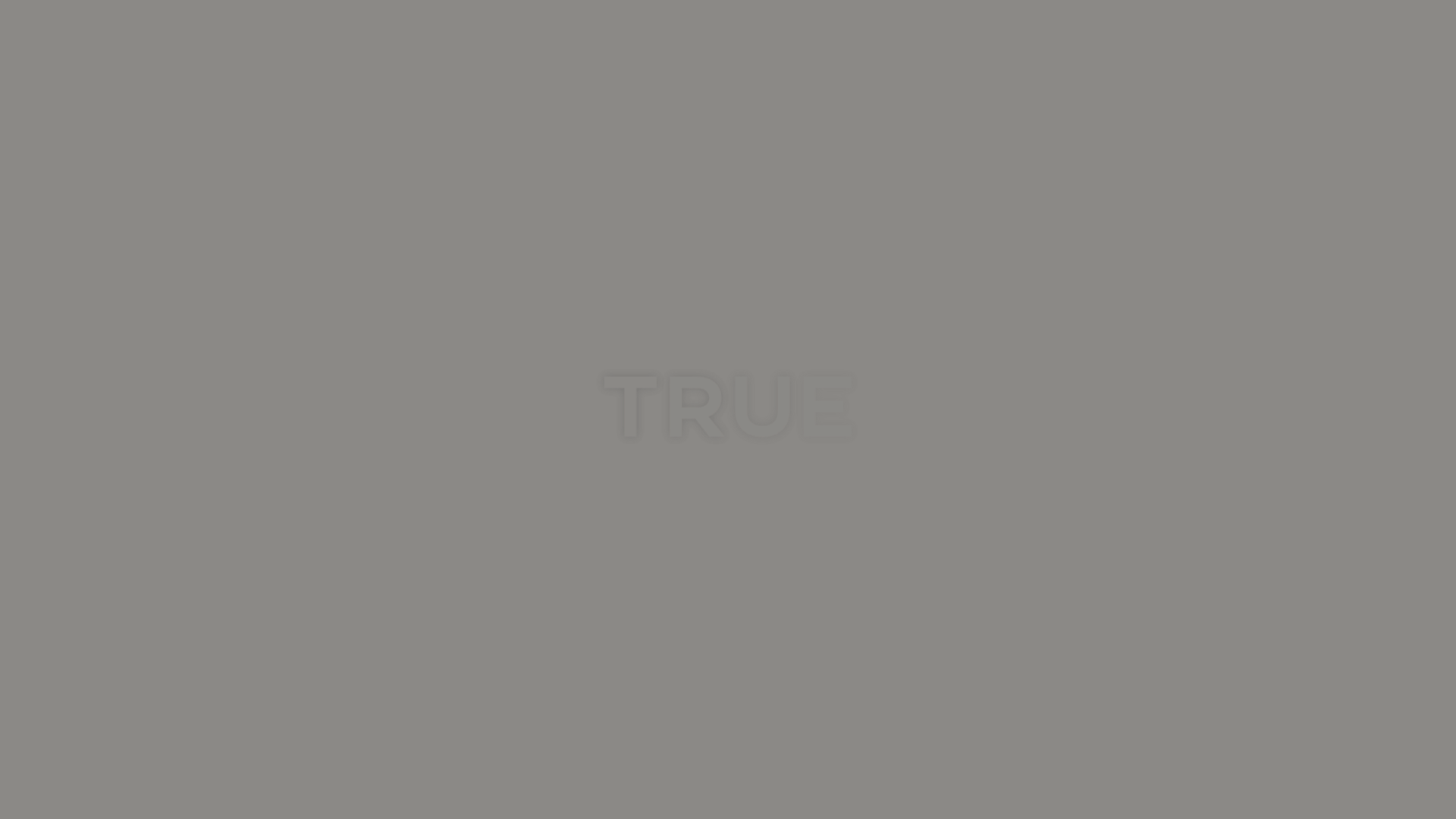
An interactive WebGL landing page featuring large serif typography, custom CSS3D button animations, and a smooth asynchronous page transition system.
Overview
This project features a high-end immersive landing page designed for architectural and creative fabrication services. It is an excellent reference for builders looking to master WebGL-enhanced user interfaces combined with sophisticated typography and asynchronous navigation. The template excels at creating a 'luxury' brand feel through its use of negative space, subtle motion, and a minimal aesthetic.
Design System
- Color Palette & Visual Hierarchy: The system utilizes a muted, monochromatic palette with 'cream' (#FFFDD0) text against a deep, dark grey or charcoal grain-textured background. This creates high contrast for readability while maintaining a premium, cinematic atmosphere.
- Typography System: The hierarchy is led by a massive, high-contrast serif display font (
t-serif) for headers, with sizes reaching up to300pxon large screens. Supporting copy uses a refined sans-serif in various weights (t-400tot-600) with generous letter-spacing (t-ls-0.4) to emphasize a modern, clean look. - Page Structure: The layout uses a fixed-position full-screen hero wrapper (
home-landing). Content is split into a central focal point (title and CTA) and a lower third grid that contains supporting descriptions and technical specs, divided into functional halves (1/2 wide columns on desktop). - Reusable Components: The custom CSS3D button is a standout element, featuring a multi-layered construction with four corner borders (
btn__outline__br,btn__outline__tl, etc.) and a double-text hover state for smooth transitions. Thesite-loaderandcookie-noticeare also modular components designed with distinct CSS classes for easy extraction. - Interaction & Motion: The site utilizes a WebGL canvas (
gl-canvas) for background visuals and an asynchronous page transition system (js-simple-transition). Movement is managed via the ASScroll library for smooth scrolling and GSAP-style animations for element reveals. - Implementation Clues: The HTML structure suggests a utility-first CSS approach (e.g.,
d-flex,items-center,w-1/2@sm) and a router-managed single-page application (SPA) architecture signaled bydata-router-wrapperanddata-router-viewattributes.
Use Cases
- Who should clone this: Creative agencies, architectural firms, high-end fabrication studios, and luxury portfolio sites seeking a theatrical digital presence.
- Remixing for other products: This pattern works effectively for high-ticket service industries like interior design or boutique hotels where visual storytelling is prioritized over dense text.
- Remix directions: A builder could replace the dark background with a high-key light mode (white/cream background with dark serif text) for a more fashion-focused editorial feel, or swap the serif font for a bold grotesk sans-serif to shift toward a tech-savvy vibe.
- Suggested scope: A full-page clone is recommended to maintain the integrity of the asynchronous transition and WebGL coordination, though the interactive button component with its corner-border animations is a valuable extract for smaller UI projects.
Related Inspirations
Tomorrow Happens Interactive Portolio
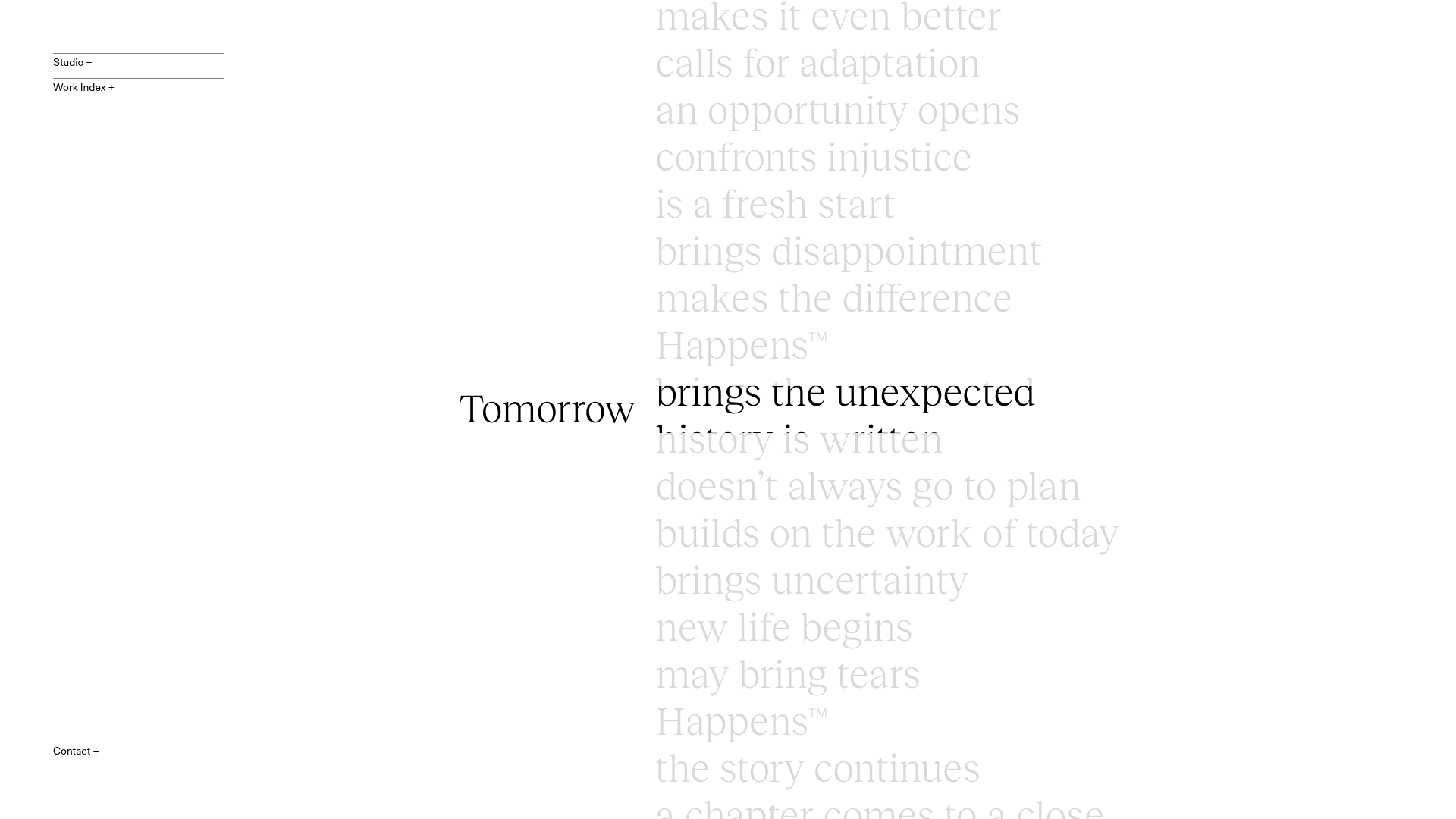
A minimalist design studio site featuring a vertical scrolling typography mask hero and accordion-based project navigation with video hover reveals.
Klim Type Foundry Interactive Typography Landing Page
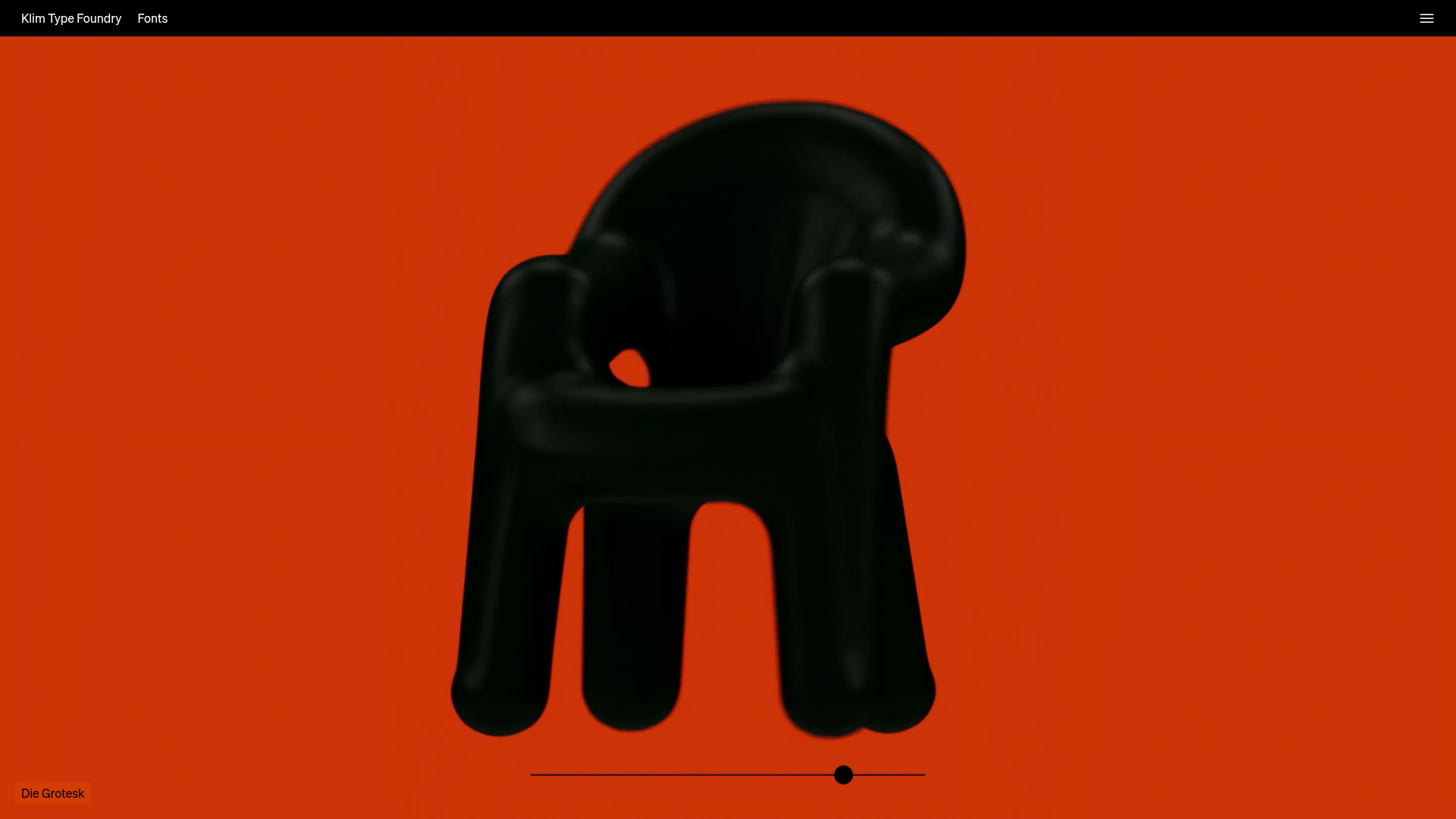
A high-impact landing page featuring a minimalist full-screen image gallery, interactive slider controls, and a clean, hidden navigation menu.
PostNew Moving Image Portfolio Gallery
A minimalist dark-themed portfolio featuring a full-screen vertical scroll layout, video-based grid sections, and blur-effect navigation components.
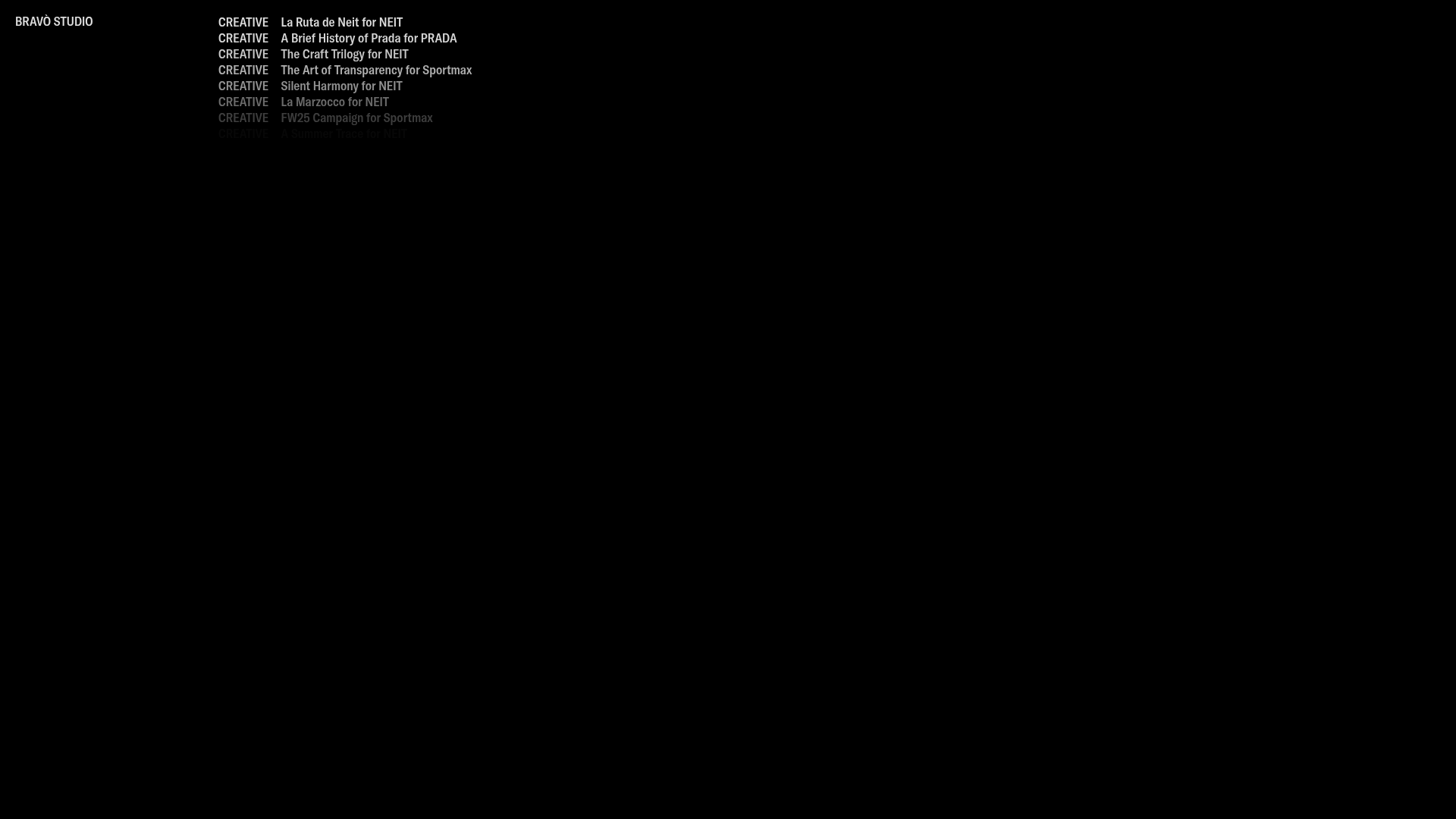
Bravò Studio Creative Portfolio Gallery
A minimalist dark-themed portfolio featuring a 3D video carousel, WebGL canvas integration, and a searchable archival list layout for high-end creative work.
Little Troop Minimal WebGL Landing Page
A minimalist design studio layout featuring a centered brand logo, top-corner navigation links, and a clean, typography-focused 500 error page template.
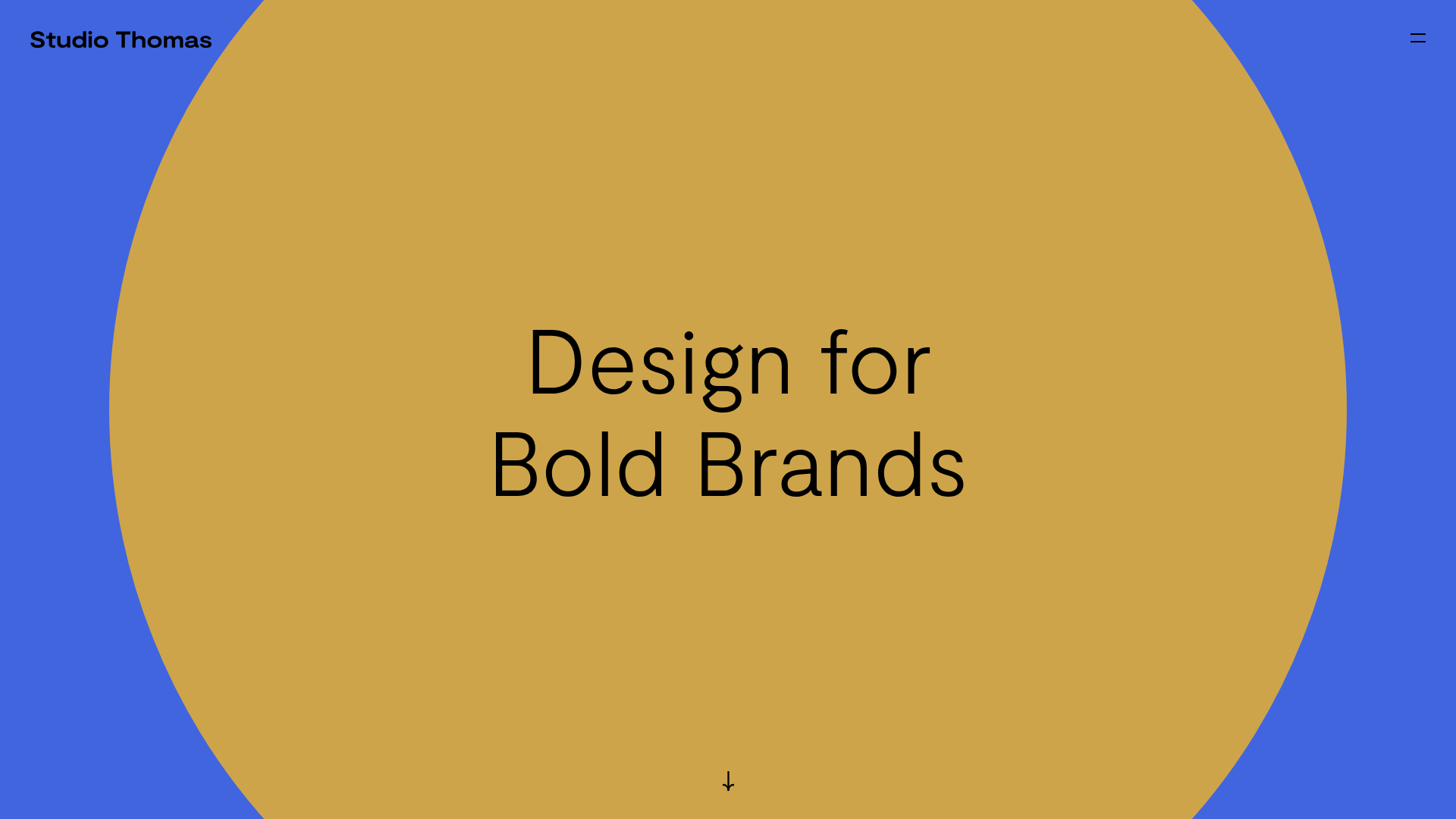
Studio Thomas Full-Screen Portfolio
A minimalist design portfolio featuring a parallax circle hero, full-screen vertical scroll snapping for case studies, and a dynamic sticky header that changes with section backgrounds.
