Atmos Immersive Three.js Landing Page
A scroll-driven 3D experience featuring a full-screen Three.js canvas, synchronized text animations, and a custom audio visualizer component.

Overview
Atmos is a high-impact, immersive landing page that utilizes Three.js to create a scroll-driven 3D narrative focused on aviation. It serves as a premier reference for builders looking to integrate complex WebGL canvases with synchronized DOM overlays, offering a seamless blend of storytelling and interactive performance.
Design System
- Color Palette & Visual Hierarchy: The design employs a high-contrast, dark-mode aesthetic. A predominantly monochromatic palette (white text on a dark, atmospheric background) ensures that the 3D environmental visuals remain the primary focus, while vibrant cobalt accents are used for progress tracking and visualization elements.
- Typography: The system uses a clean, sans-serif typeface with a focus on letter spacing and staggered entry animations. The "ATMOS" title features individual
data-delayattributes on spans, allowing for a sequenced, cinematic arrival of text. - Page Structure: The layout follows a linear narrative flow: an immersive
introwith a large display heading, a transitionaryhintsection to guide user behavior, an informativeaboutsection with integrated external links, and a finaloutrofor conversion/CTA. - Reusable Components: Key elements include the
sound-btn(a multi-bar audio visualizer), theroll-title(a custom component for 3D-rotated text on hover), and the scroll-guidedcanvascontainer that spans the full viewport high-z-index background. - Interaction & Motion: The site relies on scroll-triggered transitions. HTML attributes suggest a specific animation sequence where elements fade out or translate base on scroll position. The "About" button uses a
rotateX(-90deg)transform for a tactile, flipping interaction state. - Implementation Clues: Use of
no-foucclasses and inline opacity styling suggests the project utilizes a JavaScript-heavy initialization (likely GSAP or similar) to coordinate the entrance of the Three.js r141 engine and UI elements simultaneously.
Use Cases
- Who Should Clone: Creative developers building portfolio landing pages, luxury brand showcases, or product launches that require a "wow factor" through 3D storytelling.
- Remix Products: This pattern is ideal for space-tech startups, high-end automotive configurators, or digital agency "playground" sites where atmospheric immersion is prioritized over dense text information.
- Practical Remix Directions: Swap the aviation-themed 3D model for a product mesh (e.g., a sneaker or a watch), replace the audio visualizer with a scroll-synced progress bar, or adapt the
aboutsection into a vertical timeline for a company history page. - Suggested Clone Scope: For a quick win, clone the
sound-btnandroll-titlecomponents for a UI refresh; for a total overhaul, clone the full-page structure to leverage the synchronized scrolling logic between the 3D canvas and the DOM overlay.
Related Inspirations
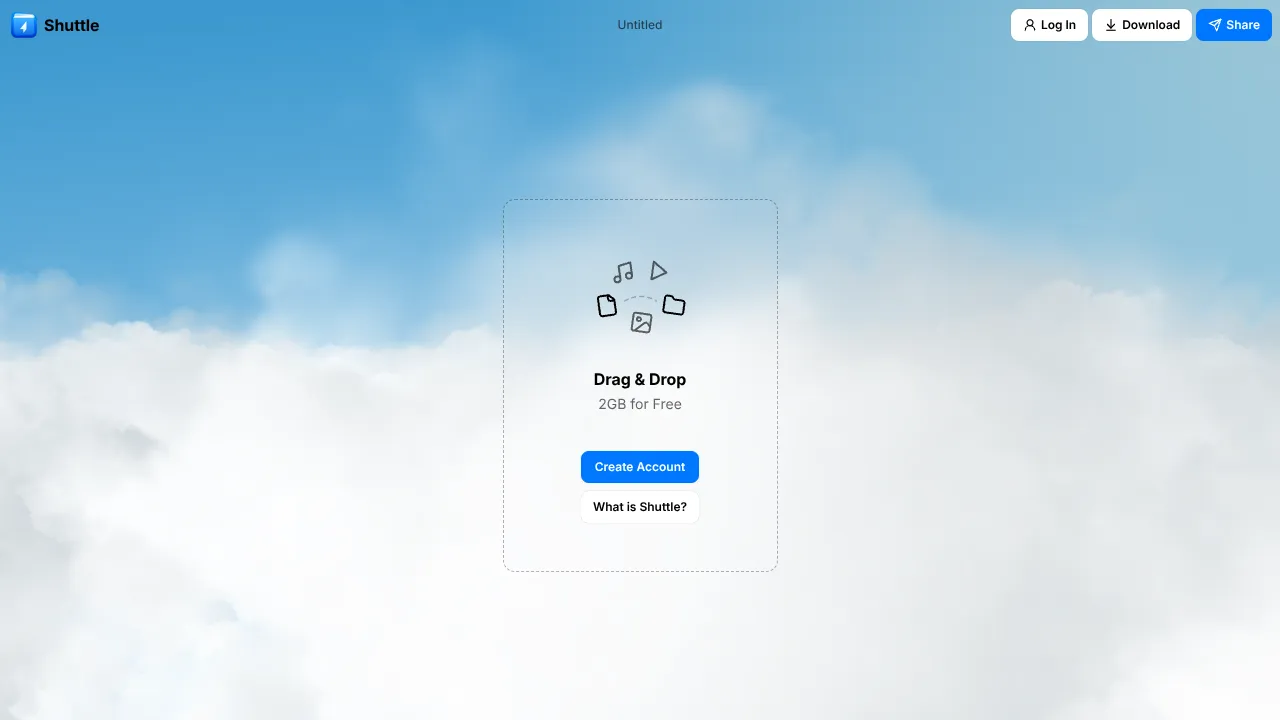
Shuttle Cloud File Transfer Landing
A minimalist file sharing interface featuring a full-screen Three.js animated cloud sky background, translucent glassmorphism UI center-card, and drag-and-drop interaction zones.

Lóvi AI Skin Care Landing Page
A clean, minimalist landing page featuring a centered hero section, animated iPhone mockups with video overlays, and a floating badge for award recognition.
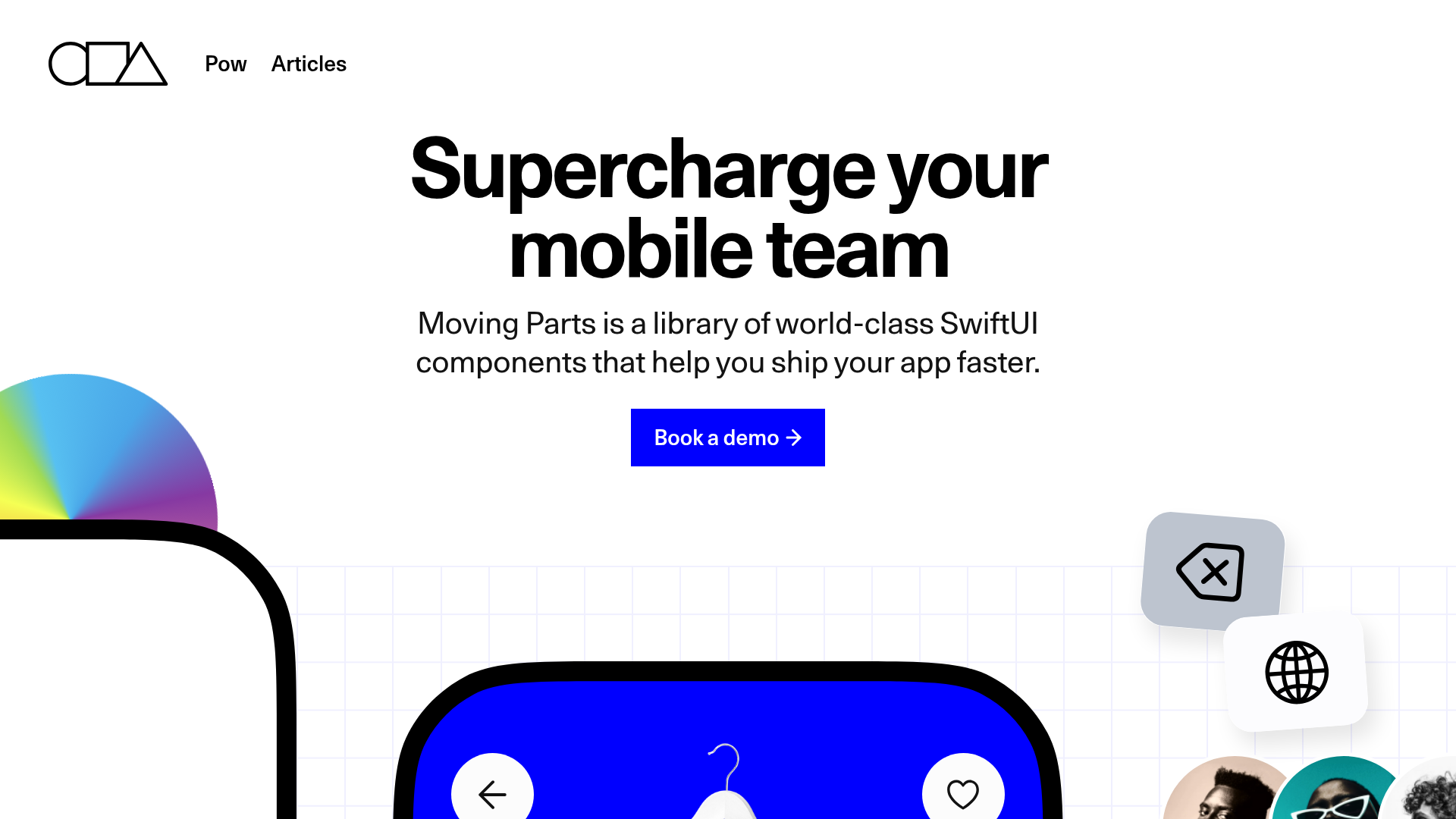
Moving Parts SwiftUI Component Library
A high-performance landing page featuring a interactive code comparison toggle, animated mobile UI previews, and a clean minimalist aesthetic for developer tools.
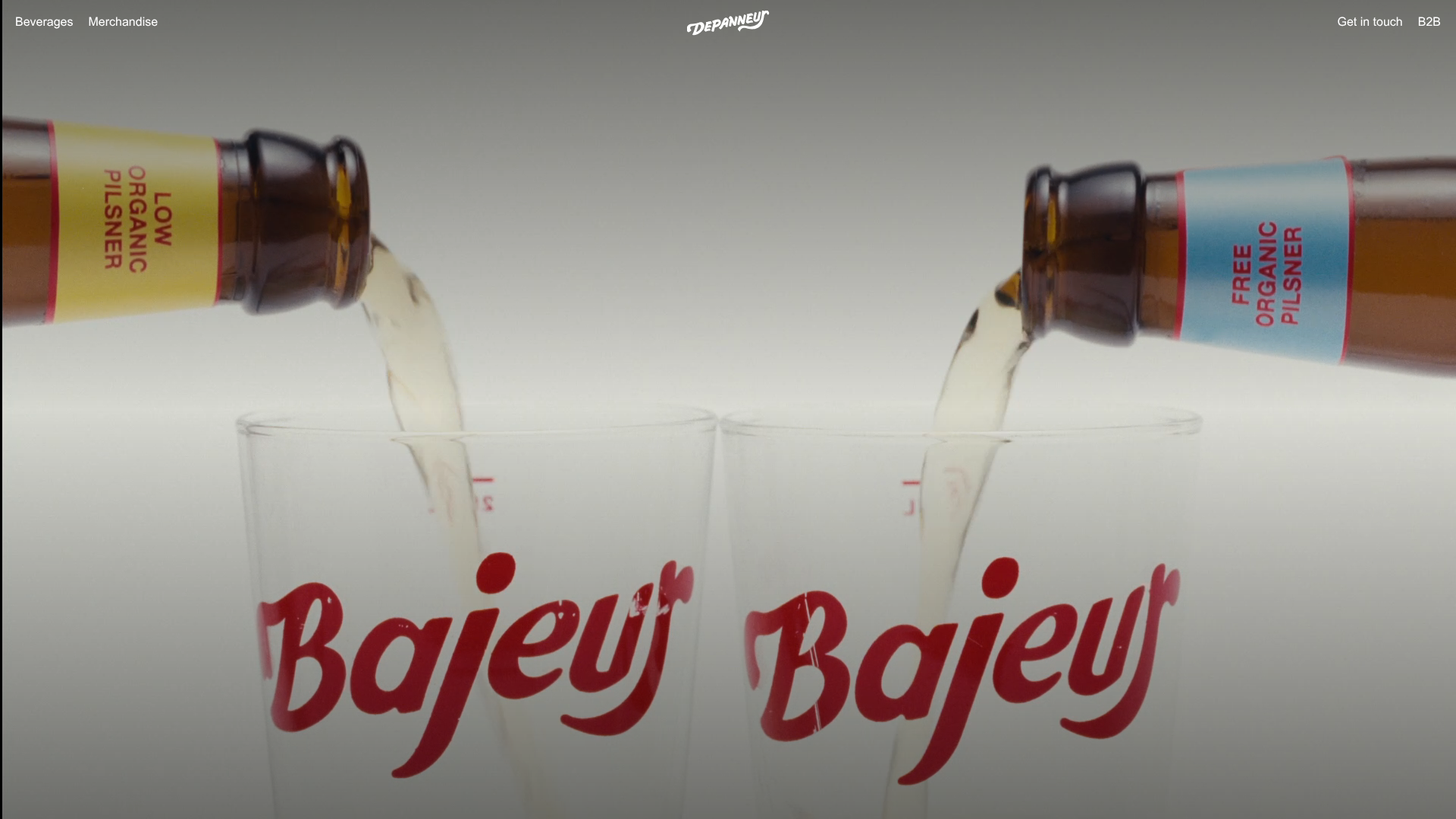
Depanneur Beverage E-commerce Hero
A minimalist Shopify storefront featuring a full-screen background video hero, sticky translucent navigation, and integrated mobile menu components.

Phantom Creative Agency Landing Page
Minimalist dark-mode hero layout featuring a sound-enabled interaction overlay, monochrome cookie banner, and accessible screen-reader-optimized content architecture.
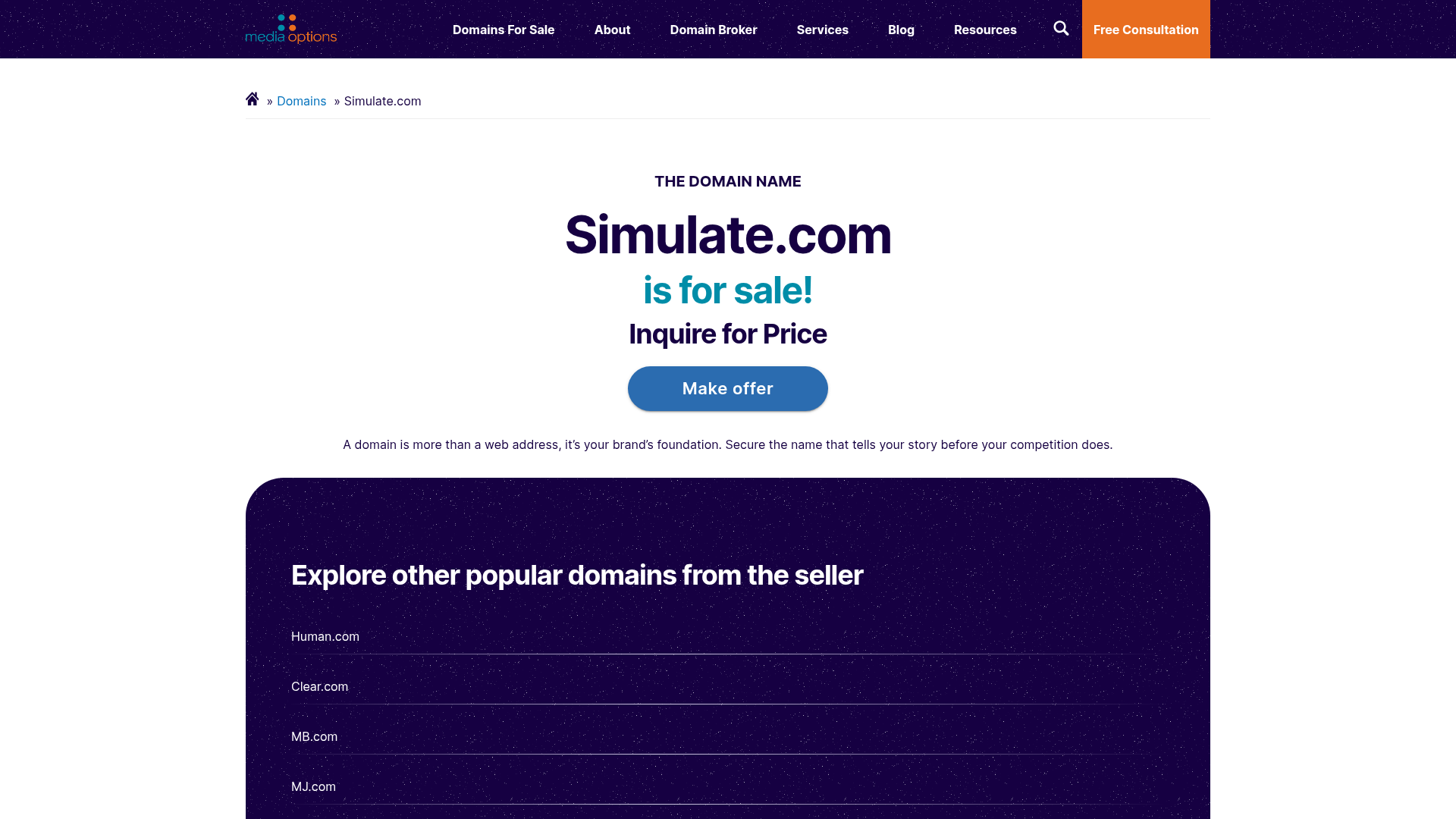
Domain For Sale Landing Page
A clean, centered landing page layout featuring a hero section for asset sales, a prominent CTA button, and a list-based showcase of related items.
