Regis Grumberg Interactive Portfolio Loader
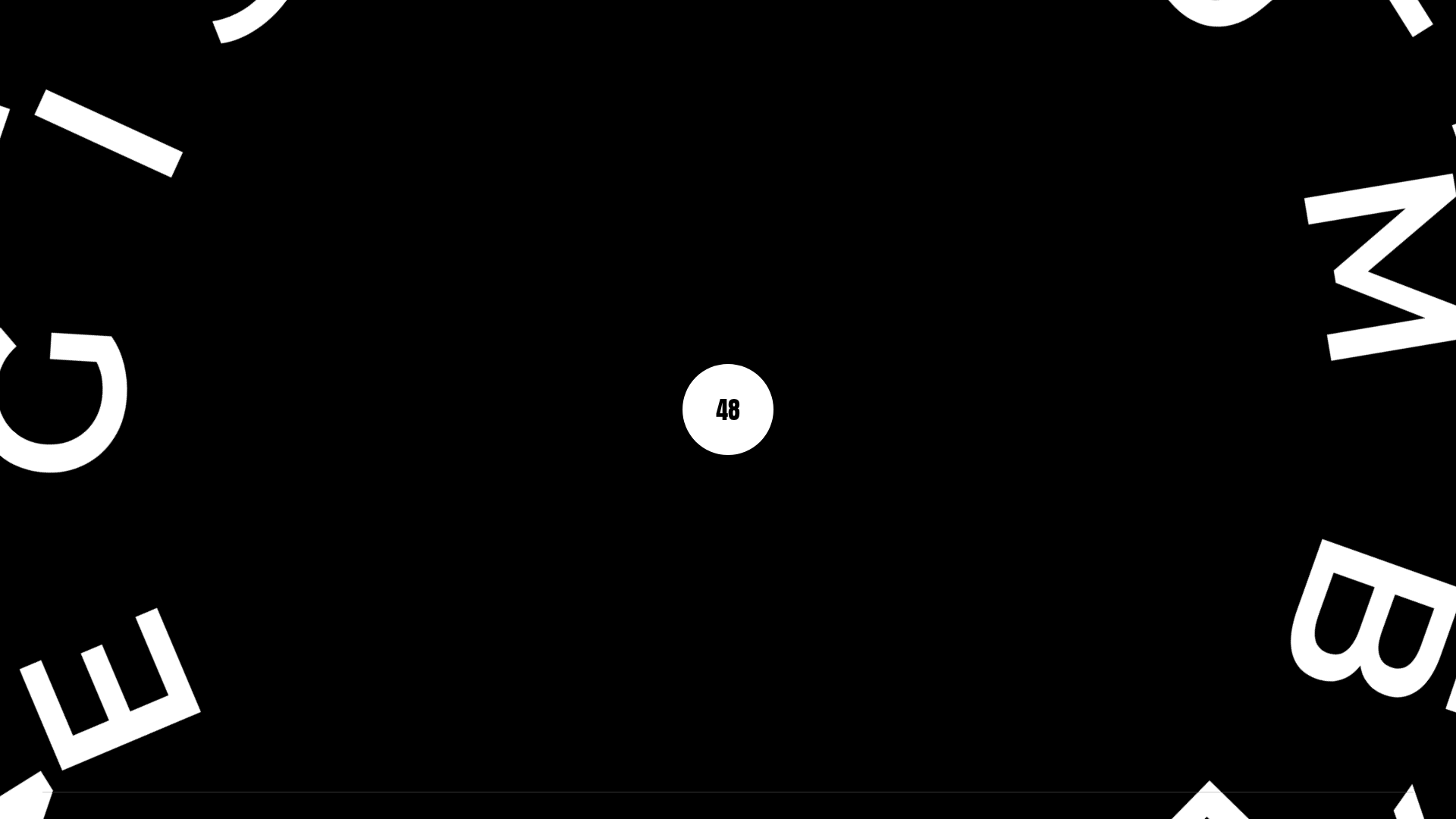
A high-end creative portfolio featuring an immersive circular typography loader, custom cursor interactions, and a scroll-triggered canvas for showcasing experimental labs.
Overview
This interactive portfolio represent a high-end creative benchmark for immersive loaders and motion design. It showcases an experimental "lab" approach to web development, using a minimal aesthetic to frame high-impact animations. Builders should clone this to master the art of the "loading experience" and seamless transitions between static content and interactive canvases.
Design System
- Color Palette & Visual Hierarchy: A strict monochromatic high-contrast theme (Black
#000000and White#FFFFFF). Hierarchy is driven by motion and scale rather than color; the central loader acts as the primary focal point during the initialization phase. - Typography: Features heavy, bold, condensed sans-serif type used for both the central percentage indicator and the large-scale rotating background characters. The typography acts as a structural element of the UI, with extremely tight letter spacing in the circular path.
- Page Structure:
- Loader Phase: A full-screen overlay with a circular typographic animation and a central percentage counter (
span.percent). - Landing: A centered branding block (
.cigle) following the entry interaction. - Gallery: A modular project grid (
.projects__section) utilizing video previews for project tiles. - Footer: Minimalist information layout (
.contact,.reserved,.designed) with thin typography.
- Loader Phase: A full-screen overlay with a circular typographic animation and a central percentage counter (
- Reusable Components:
- Circular Typography Loader: The rotating SVG/text path pattern.
- Custom Cursor System: A multi-state cursor (
.Cursor__Dot,.Cursor__Arrow,.Cursor__Drag) that changes based on interaction data-attributes likedata-cursorclickanddata-cursoreyes. - Project Cards: Video-based hover tiles within a CSS grid layout.
- Interaction & Motion: Heavy reliance on scroll-triggered transformations via a
ScrollWrapperand a dedicated canvas layer (.outwebsite__canvas). Transitions use an "overlay bar" system (.Overlay__bar) to wipe between states. - Implementation Clues: Built with Next.js (
__next) and Prismic CMS for media delivery. Navigation uses a data-attribute-driven routing system (data-template="Home",data-loader="Home").
Use Cases
- Who should clone this: Creative developers, agency studios, and digital artists looking to build a "theatrical" entry for their portfolio.
- Effective Remixes: High-end architectural firms or luxury fashion brands could adapt this minimalist, high-contrast aesthetic to maintain premium branding while adding interactivity.
- Practical Directions:
- Typography Swap: Change the condensed sans-serif to a high-contrast serif for a more editorial, luxury feel.
- Loader Reuse: Extract only the
LoaderandCursorcomponents to add a professional polish to an existing, more traditional website. - Media Focus: Replace the video grid tiles with high-definition product photography or 3D model renders.
- Suggested Scope: Most builders will benefit from cloning the Loader and Transition system specifically, as the full-page scroll-canvas complexity requires tight integration between three.js/pixi.js and the DOM.
Related Inspirations

601 Film Studio Portfolio Layout
A minimalist, high-impact WebGL portfolio featuring a deck-based navigation system, vertical floor-switching interactions, and large-scale typography for creative studios.

Camille Mormal Interactive Design Portfolio
A minimalist WebGL-based portfolio featuring high-end typography, smooth page transitions, and a custom interactive canvas list with a centered fractional paginator.
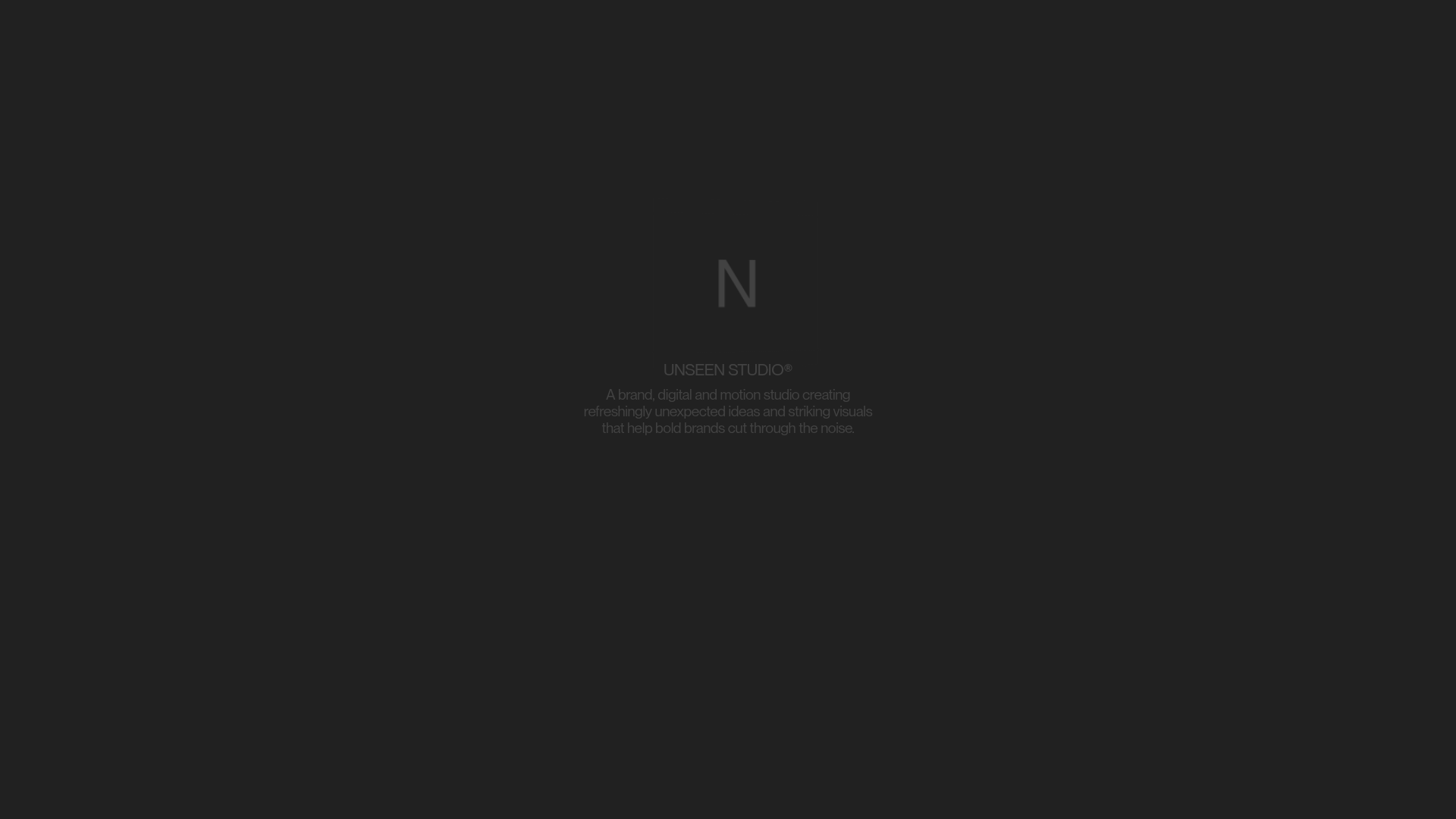
Unseen Studio Immersive Digital Portfolio
An interactive studio site featuring Three.js 3D backgrounds, custom animated cursors, smooth scroll containers, and high-fidelity motion-driven button transitions.
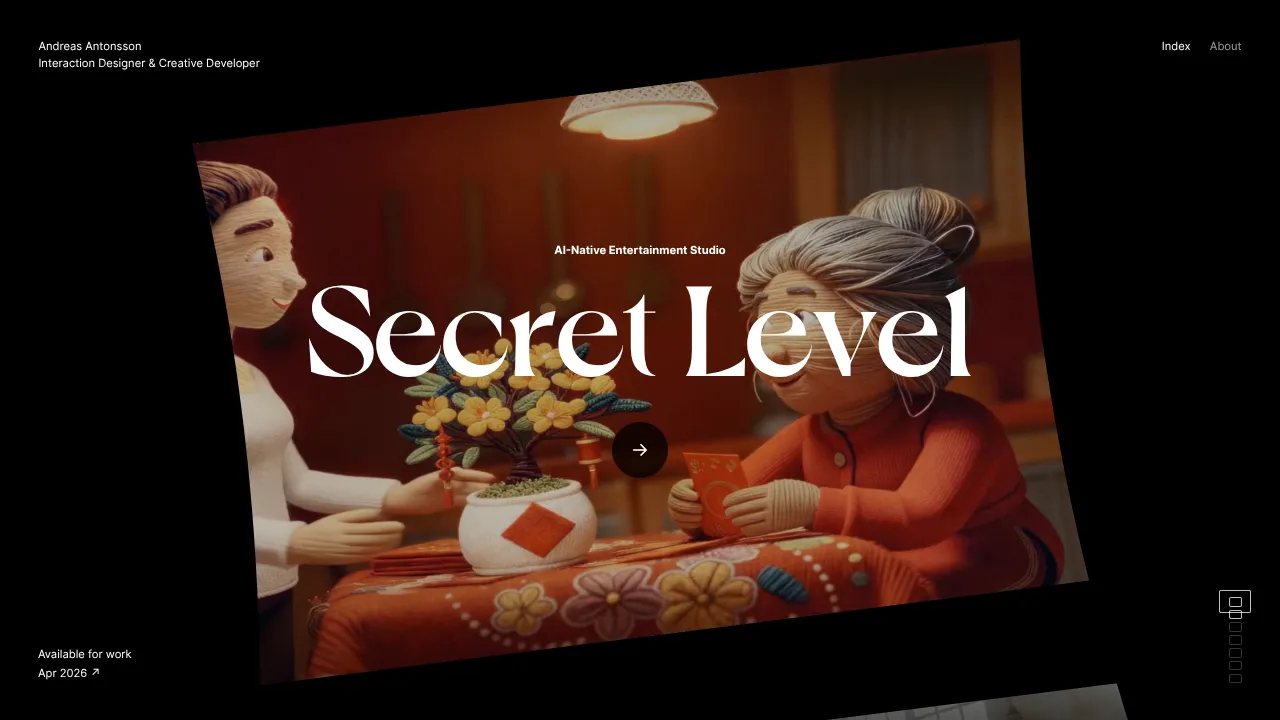
Andreas Antonsson Immersive Portfolio Gallery
A Three.js-powered creative portfolio featuring a curved 3D project carousel, scroll-synchronized background textures, and distinctive typography layouts for high-impact showcases.
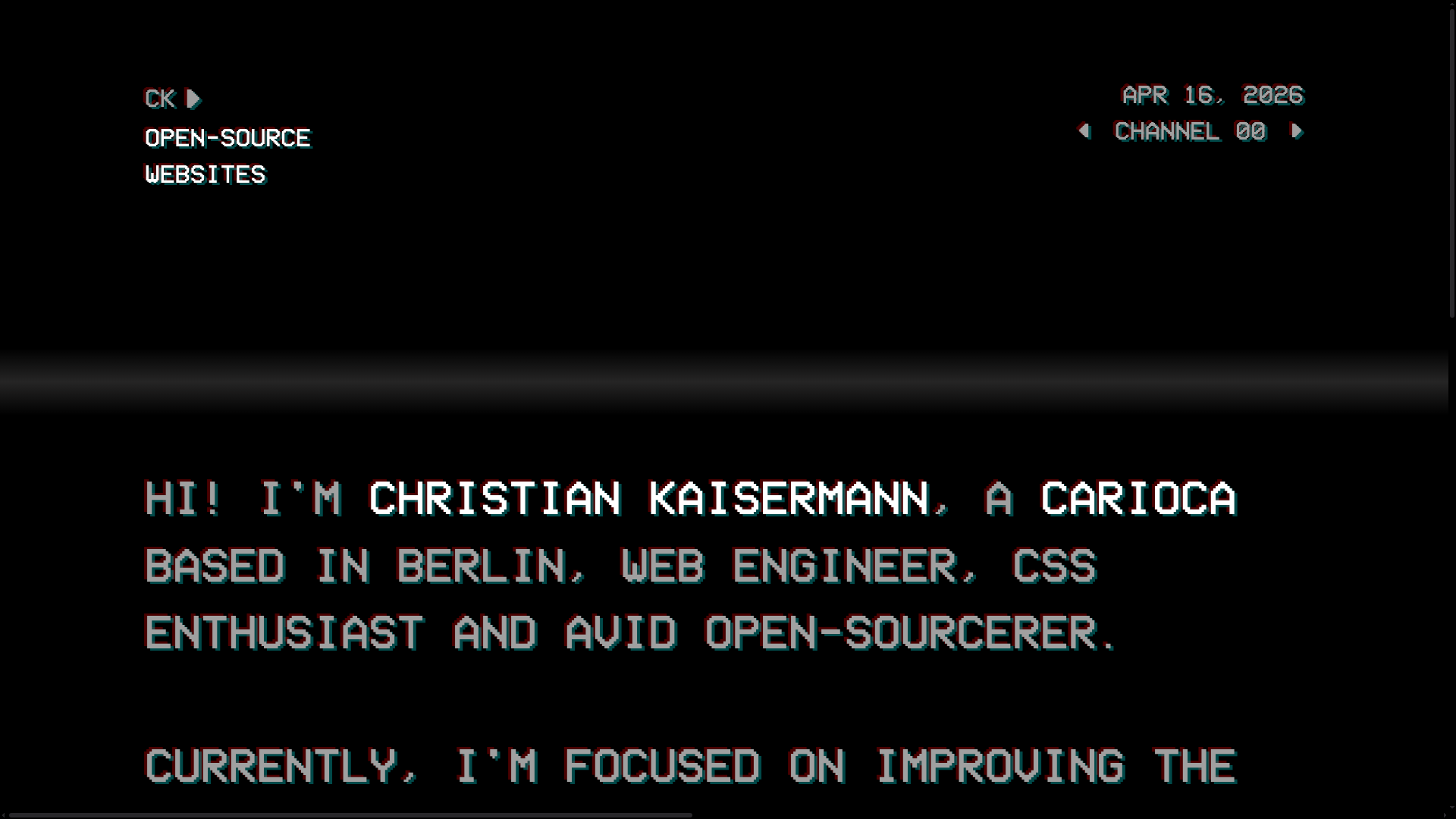
Christian Kaisermann Retro CRT Portfolio
A dark-themed developer portfolio featuring a 90s CRT television interface with glitch text effects, scanlines, and an interactive remote control navigation system.
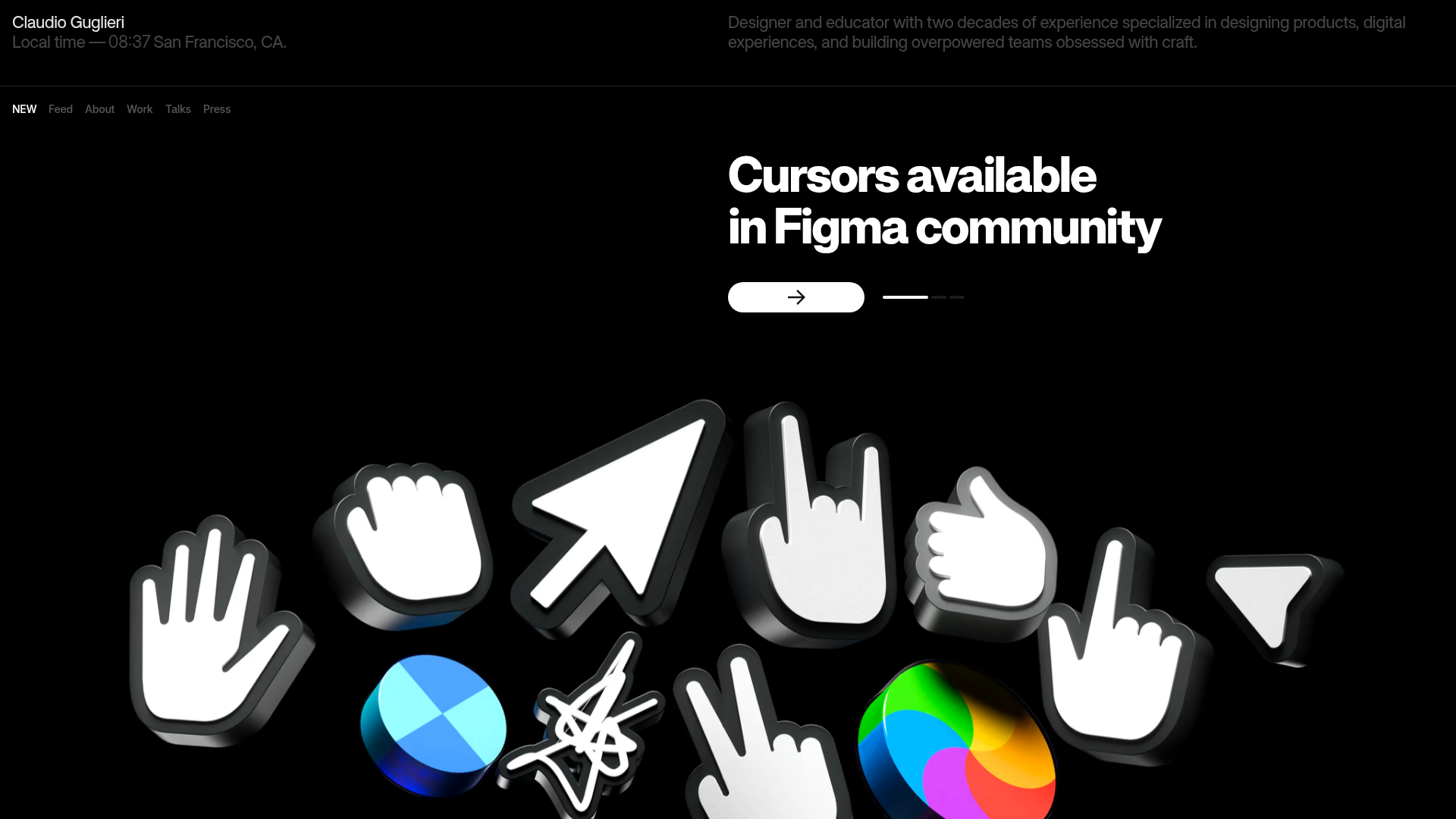
Claudio Guglieri Portfolio Portfolio Hero
A dark-themed designer portfolio featuring a 3D asset hero section, minimal top navigation bar, and integrated visitor message submission form.
