Andreas Antonsson Immersive Portfolio Gallery
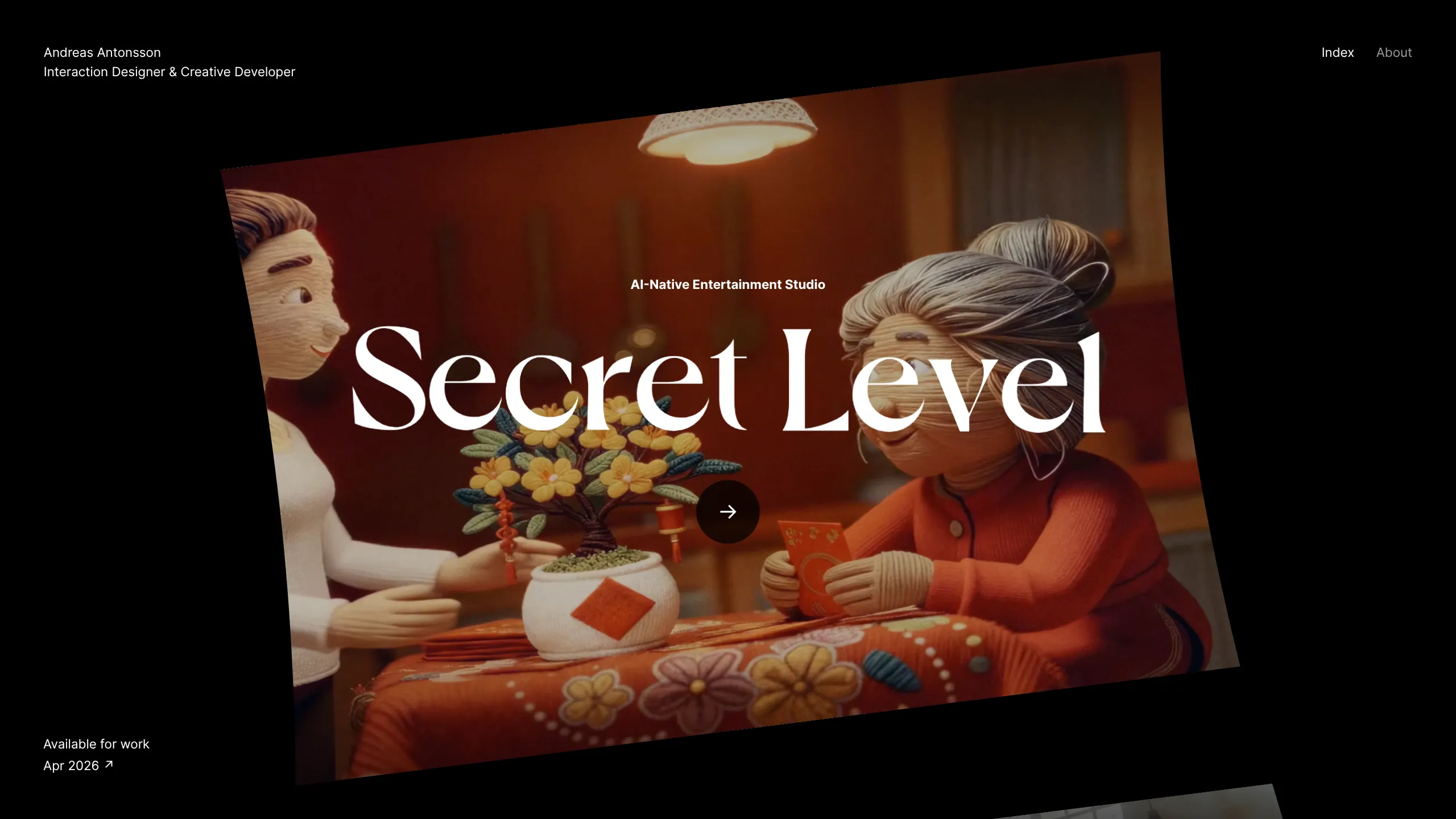
A Three.js-powered creative portfolio featuring a curved 3D project carousel, scroll-synchronized background textures, and distinctive typography layouts for high-impact showcases.
Overview
This portfolio is a masterclass in immersive creative development, using Three.js to create a curved 3D project gallery that feels tactile and cinematic. It is an excellent reference for builders looking to bridge the gap between traditional web layouts and high-end WebGL experiences by synchronizing 2D typography with 3D environment transformations.
Design System
- Color Palette & Visual Hierarchy: The design employs a high-contrast, dark-mode aesthetic. The background is dynamic, featuring full-screen project imagery rendered via a Three.js canvas with subtle 3D curvature and vignette gradients. Text is primarily stark white to maintain legibility against complex photographic backgrounds.
- Typography: The system uses a sophisticated serif for display headings (likely for a "boutique" feel) and a clean sans-serif for functional metadata and navigation. Headings use large scales and generous letter-spacing, often broken into individual
spanelements to allow for character-level entrance animations. - Page Structure: The site follows a vertical scroll-snapping flow where each scroll event triggers a transition between project states. Fixed elements include the site header (top-left/right), a vertical scroll indicator (bottom-right), and a dynamic "Available for work" CTA (bottom-left).
- Reusable Components:
- 3D Cylinder Carousel: The canvas-based image transition system is the core component to clone for high-impact visual storytelling.
- Scroll Indicator: A minimalist vertical stack of rounded rectangles that visually tracks the active section index.
- Interactive CTA: A clever hover-state button at the bottom-left that toggles between availability status and a "Copy to clipboard" email action.
- Interaction & Motion: The layout uses scroll-synchronized transitions where images curve and titles animate in with a 3D Z-axis translation (
translateZ(1em)). Hovering over the central arrow trigger uses scale and opacity transitions to signify interactivity. - Implementation Clues: The HTML confirms the use of Three.js (r139) for the 3D rendering and Tailwind CSS for layout utilities (e.g.,
fixed,z-20,flex-col). The presence of__nuxtandvue-portal-targetindicates a Nuxt.js/Vue framework architecture.
Use Cases
- Who should clone this: Creative developers, interaction designers, and boutique digital agencies wanting to showcase work with a high degree of polish and spatial depth.
- Product Remixes: This pattern is effective for luxury brand lookbooks, film production portfolios, or high-end architectural visualization sites where the visual asset is as important as the content.
- Remix Directions:
- Brand Swap: Replace the serif display font with a bold grotesque sans-serif for a more modern, tech-focused aesthetic.
- Architecture: Adapt the 3D cylinder to rotate horizontally instead of vertically for a different spatial feel.
- Granular Reuse: Clone only the fixed navigation and the animated "Available for work" component for a standard 2D portfolio to add subtle interactive depth.
- Clone Scope: A full-page clone is recommended to preserve the synchronization between the WebGL background and the 2D UI layers, as the impact relies on the harmony between both systems.
Related Inspirations

Homunculus Portfolio Canvas Experience
A high-end creative portfolio featuring a full-screen WebGL canvas, immersive scroll-triggered transitions, and a JavaScript-driven project list gallery.
Liron Moran Commercial Interiors Portfolio
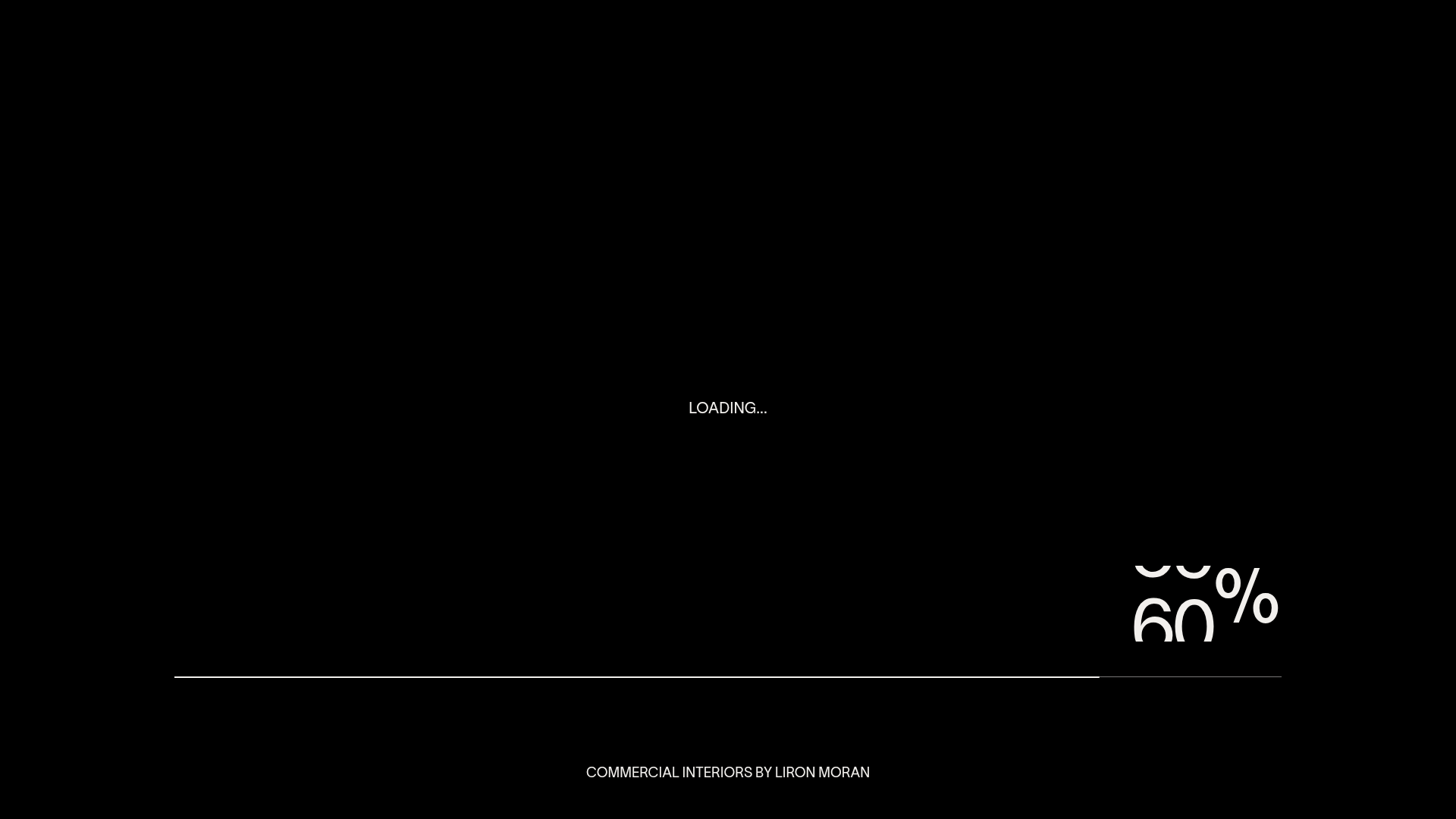
A high-end interior design portfolio featuring a custom numerical loading screen, smooth transition animations, and a minimalist brutalist aesthetic with large typography.
Regis Grumberg Interactive Portfolio Loader
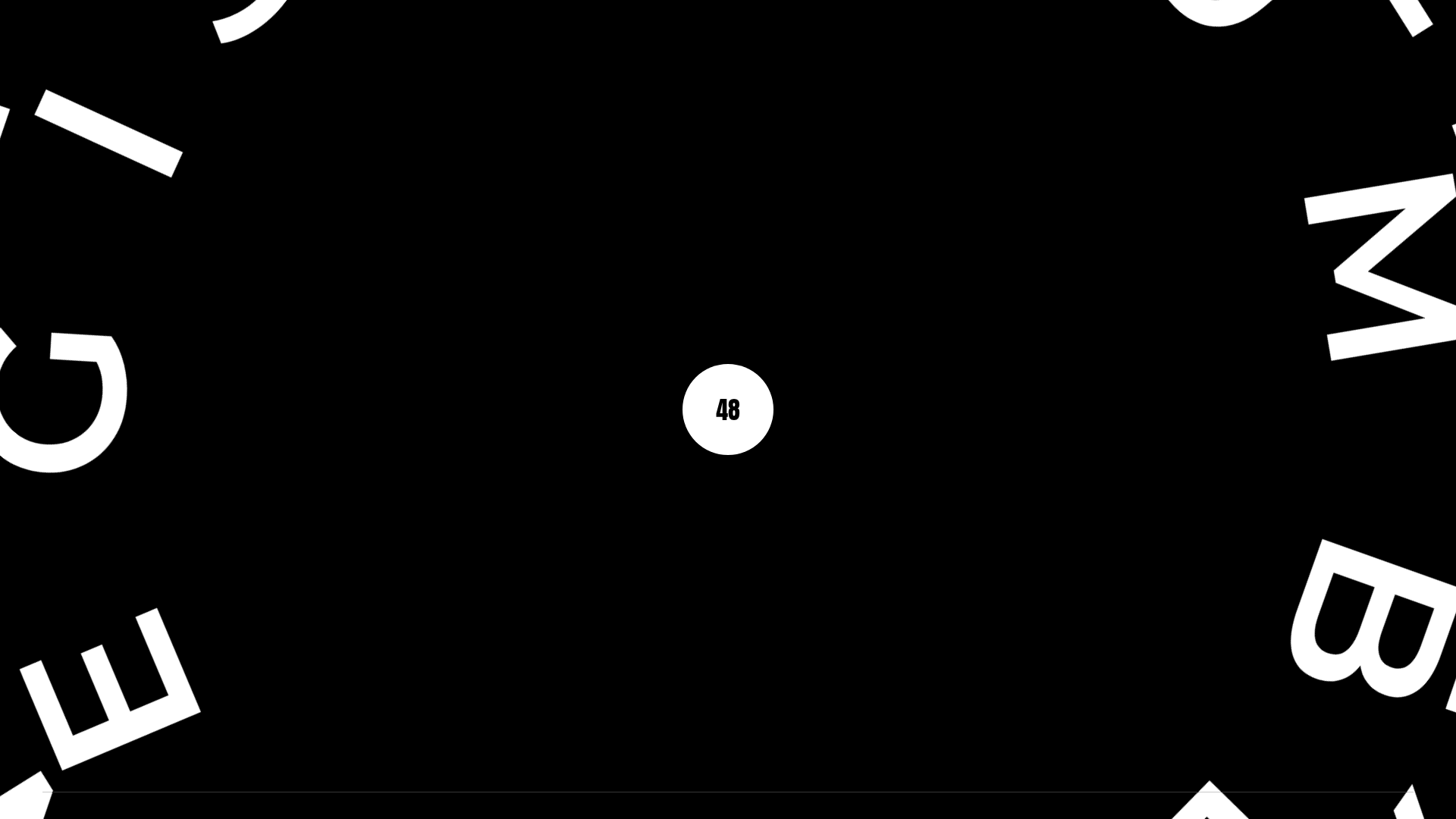
A high-end creative portfolio featuring an immersive circular typography loader, custom cursor interactions, and a scroll-triggered canvas for showcasing experimental labs.
601 Film Studio Portfolio Layout
A minimalist, high-impact WebGL portfolio featuring a deck-based navigation system, vertical floor-switching interactions, and large-scale typography for creative studios.
Camille Mormal Interactive Design Portfolio
A minimalist WebGL-based portfolio featuring high-end typography, smooth page transitions, and a custom interactive canvas list with a centered fractional paginator.
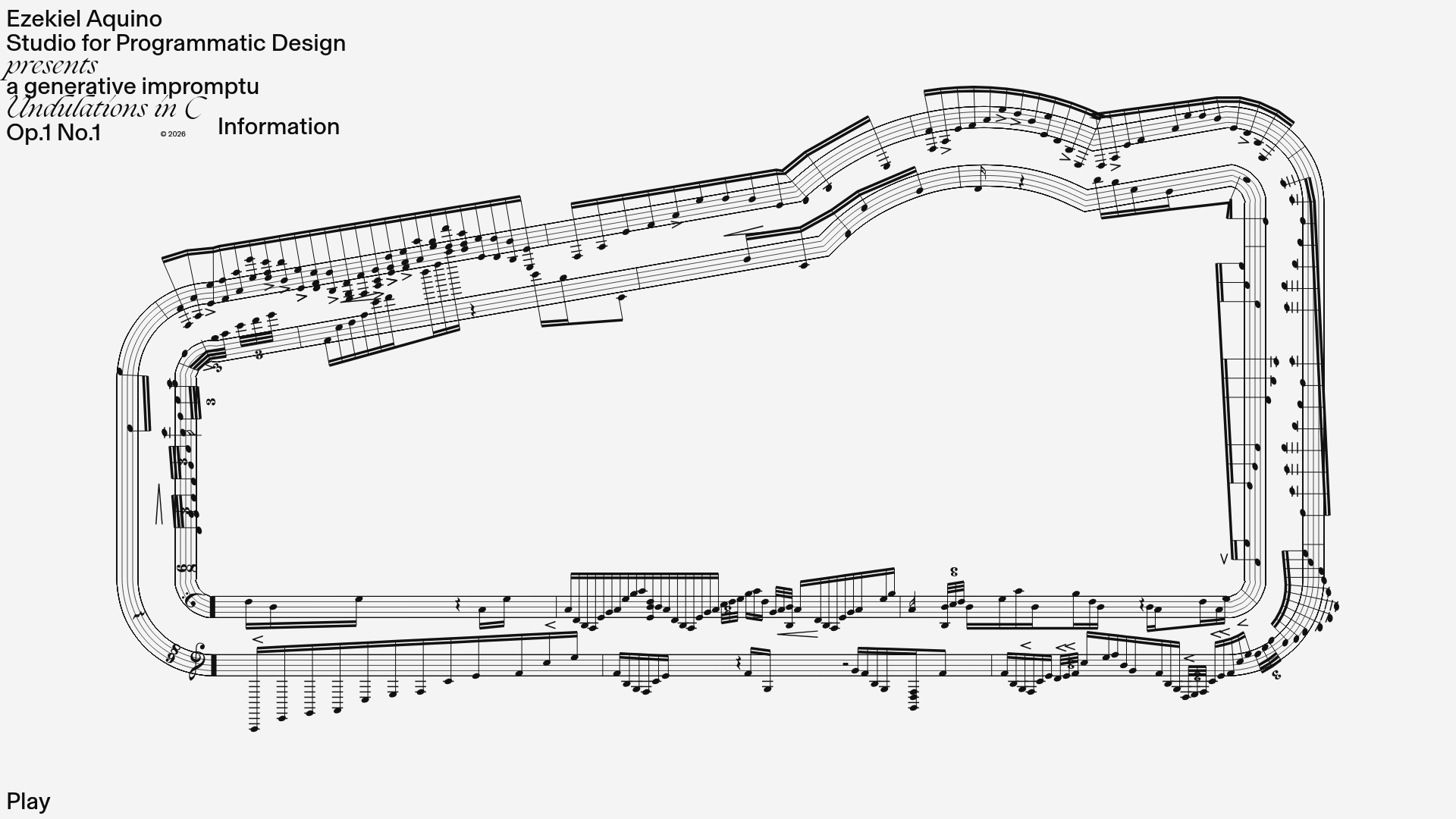
Generative Music Visualization Portfolio Canvas
A creative coding project featuring a generative musical score on a dynamic canvas with a play/pause interaction and custom notation rendering.
