GoDaddy Domain Sales Landing Page
A clean domain aftermarket layout featuring a hero section with purchase/offer selectors, trust signals, payment icons, and a three-column feature grid.
Overview
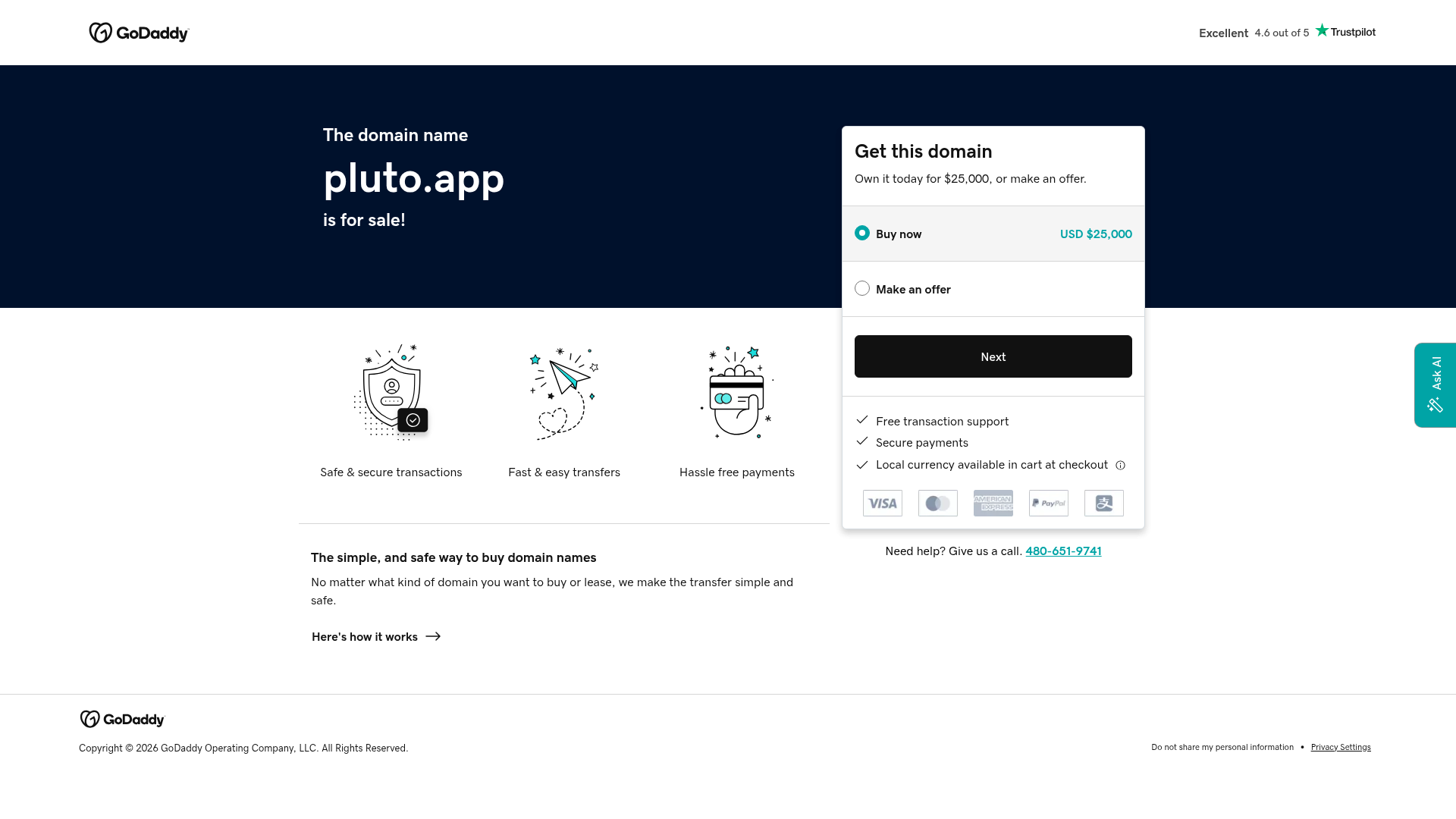
This GoDaddy landing page is a high-conversion domain aftermarket layout designed to facilitate quick sales and offers. It serves as an excellent reference for builders because it masterfully balances a high-value "buy now" call to action with secondary "make an offer" functionality and deep trust-building signals in a single-scroll view.
Design System
- Color Palette & Visual Hierarchy: A high-contrast dark navy (primary) and white palette creates a professional, secure atmosphere. Teal accents (hex
#00838C) are used sparingly for active states (radio buttons, trust scores) to draw the eye to interactive elements. - Typography: The system uses a clean sans-serif (implied GD Sage/Open Sans) with a clear scale. Large, bold h2 headers (e.g.,
pluto.app) dominate the hero, while smaller, bolded spans emphasize price points and core value propositions. - Page Structure: The layout follows a classic F-pattern: a deep navy hero contains the primary value proposition on the left and a floating white interaction card on the right. Below, a three-column feature grid with line-art illustrations provides social proof, followed by a secondary text block for deeper context and a footer.
- Reusable Components:
- The Action Card: A robust pricing block containing radio selectors that toggle between fixed-price and input-field states.
- Trust Bar: A horizontal strip of grey-scaled payment processor icons (Visa, PayPal, etc.) to minimize visual noise while maximizing credibility.
- Feature Grid: A clean set of three columns using whimsical, hand-drawn SVG illustrations to humanize a technical product.
- Interaction Design: The radio button group provides clear state changes; selecting "Make an offer" reveals a numeric input field. A sticky "Ask AI" floating action button is positioned on the right edge for constant accessibility.
- Implementation Clues: The HTML reveals a React-based architecture (
__next) using utility-first CSS classes (e.g.,d-flex,py-4,px-3). It utilizes aPageWrapperand aux-cardsystem, indicating a modular component library specifically for GoDaddy's "Dan.com" lander services.
Use Cases
- Who should clone this: Developers creating single-asset marketplaces, specialized SaaS landing pages, or high-ticket e-commerce product pages.
- Effective Remixes: This pattern can be adapted for digital real estate (domain names), high-end collectibles (NFTs/Art), or service-based businesses that offer both fixed packages and custom quotes.
- Remix Directions: Swap the dark navy for a brand-specific primary color; replace the line-art icons with high-fidelity photography for physical goods; or adapt the offer-input field into a lead-gen form for service quotes.
- Clone Scope: The "Action Card" is the most valuable individual component to clone for use in any transactional checkout flow, while the full-page layout is ideal for a dedicated landing page template.
Related Inspirations
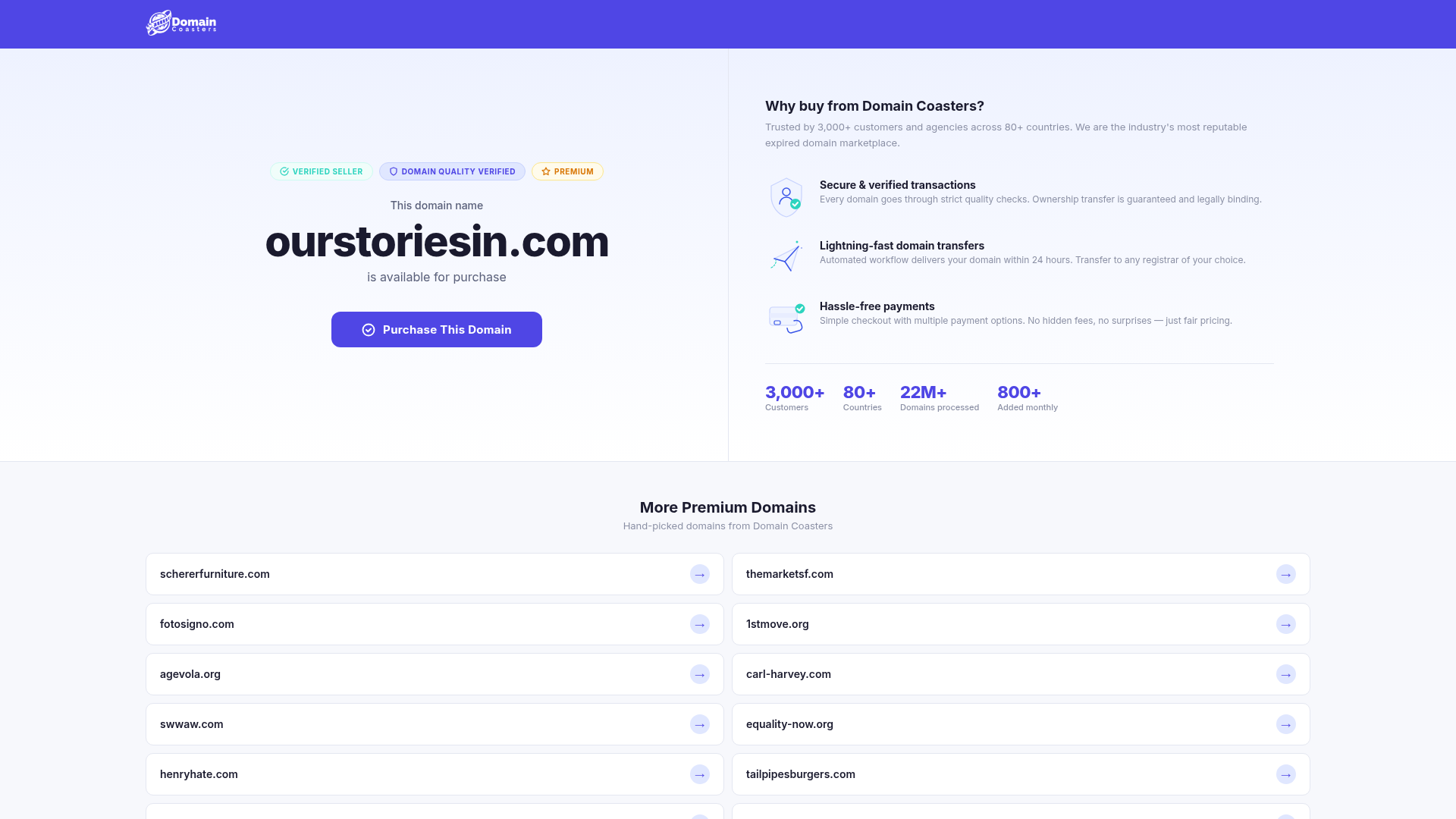
Domain Coasters Landing Page Layout
A clean domain marketplace landing page featuring a split-screen hero with trust badges, statistical counters, and a responsive grid of card-based links for additional inventory.
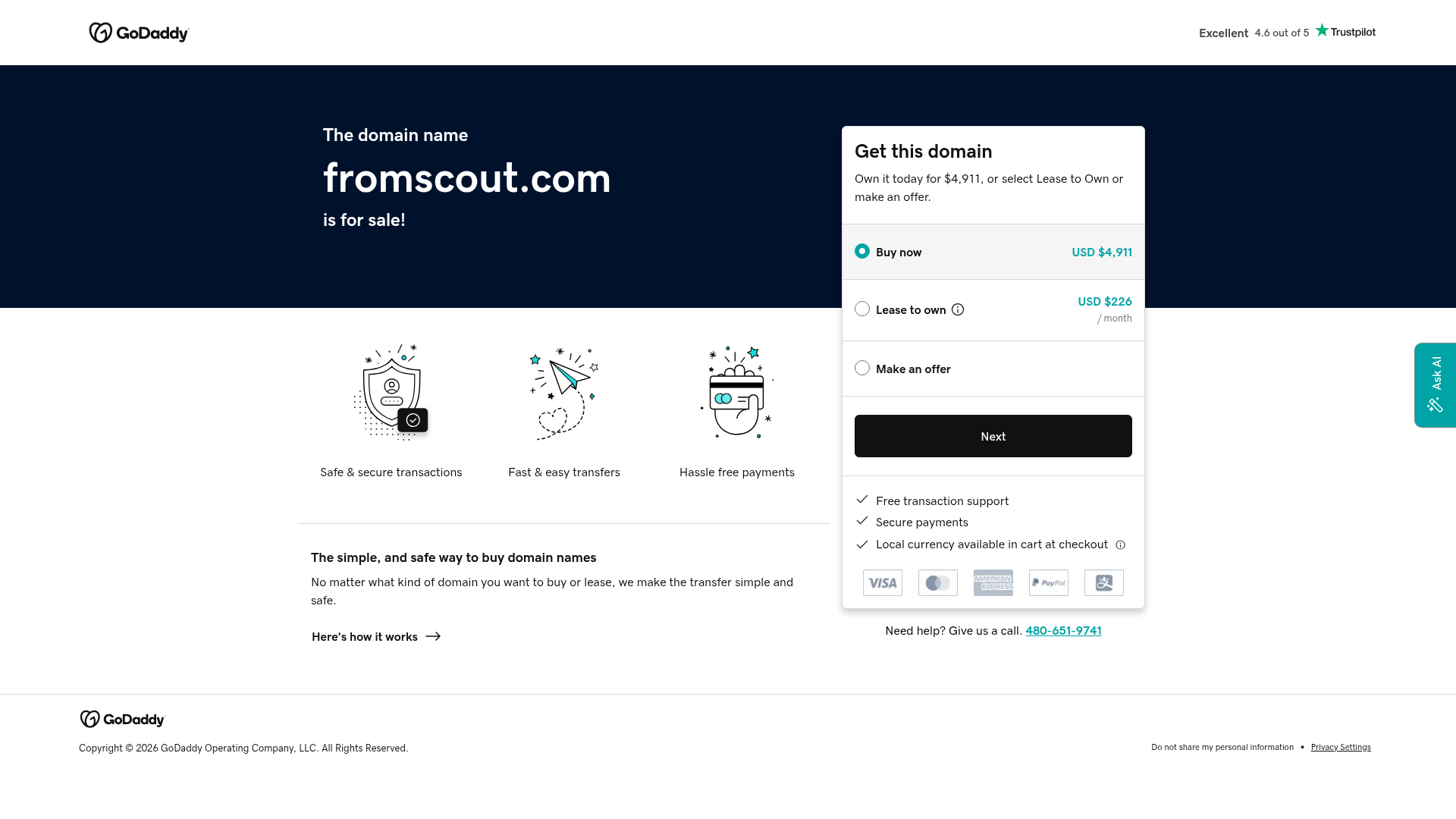
GoDaddy Domain Sales Landing Page
A clean, functional landing page layout featuring a split-hero section with a multi-option pricing card, payment method icons, and custom SVG benefit modules.
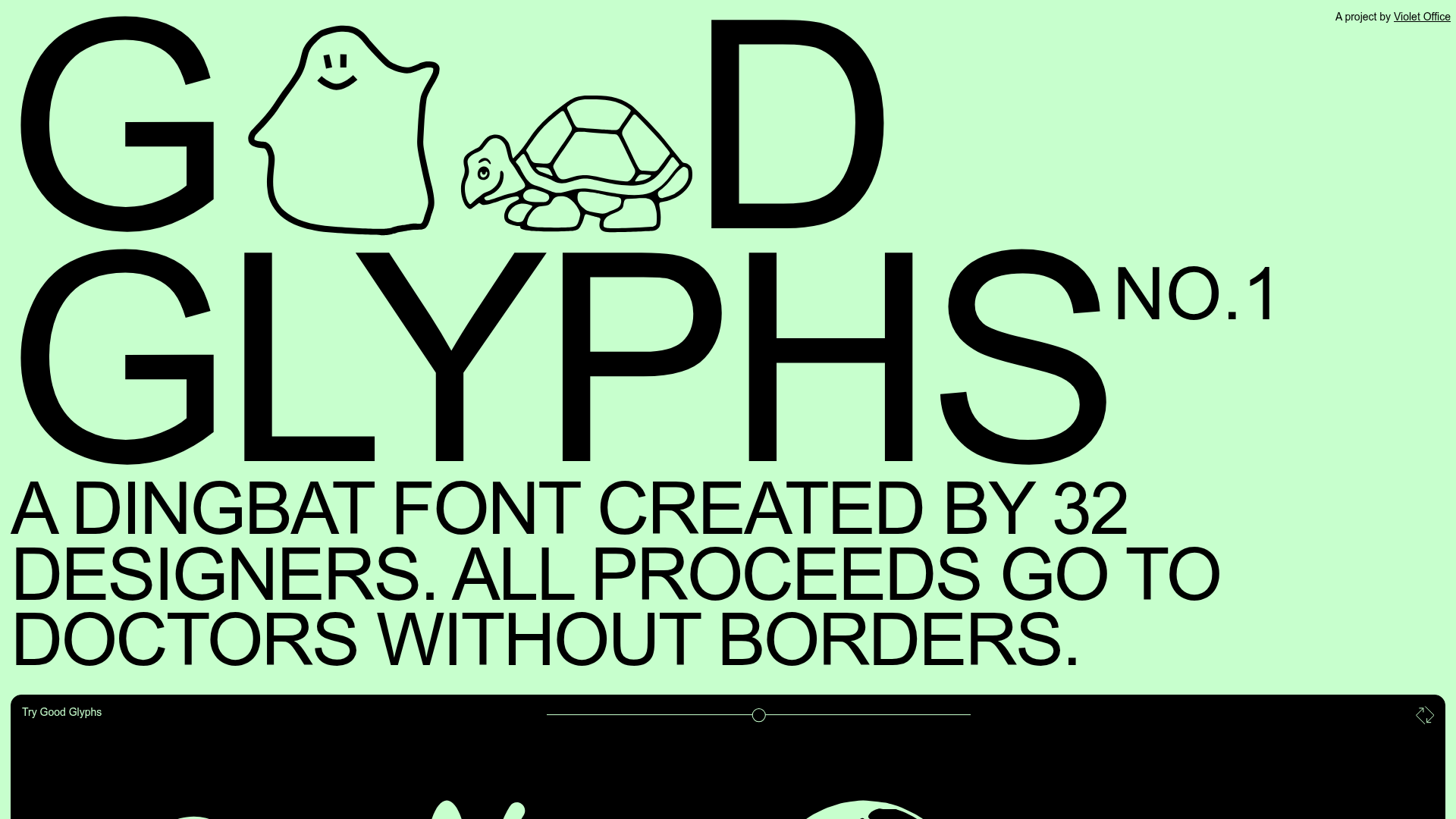
Good Glyphs Font Showcase Landing Page
A single-page layout featuring an interactive type tester, donation form with custom amount logic, and a contributor gallery using swiper-based glyph previews.
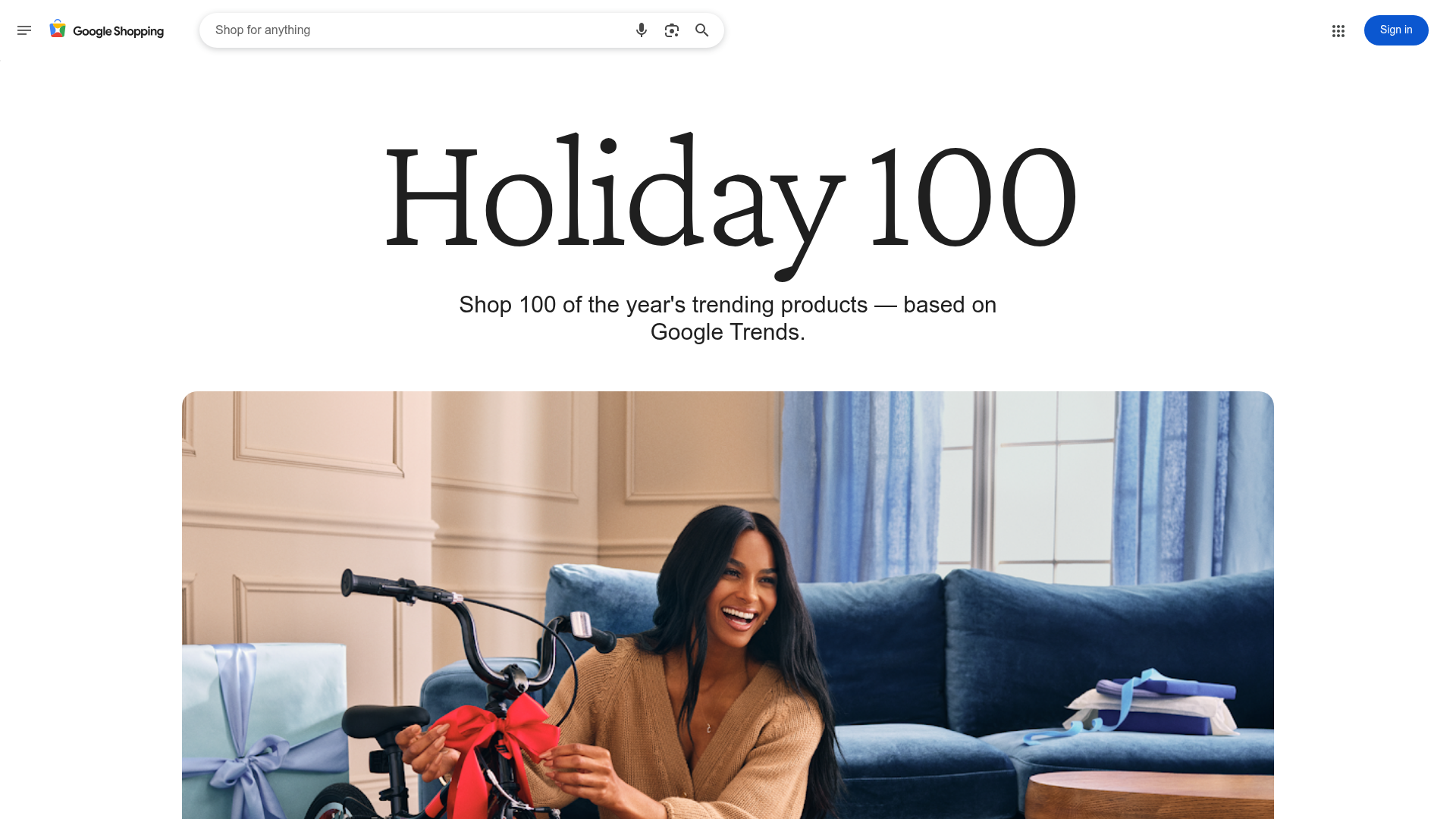
Google Holiday 100 Curator Landing Page
A minimalist e-commerce showcase featuring a wide hero section, clean search integration, and a bold typography-driven header designed for trending product collections.
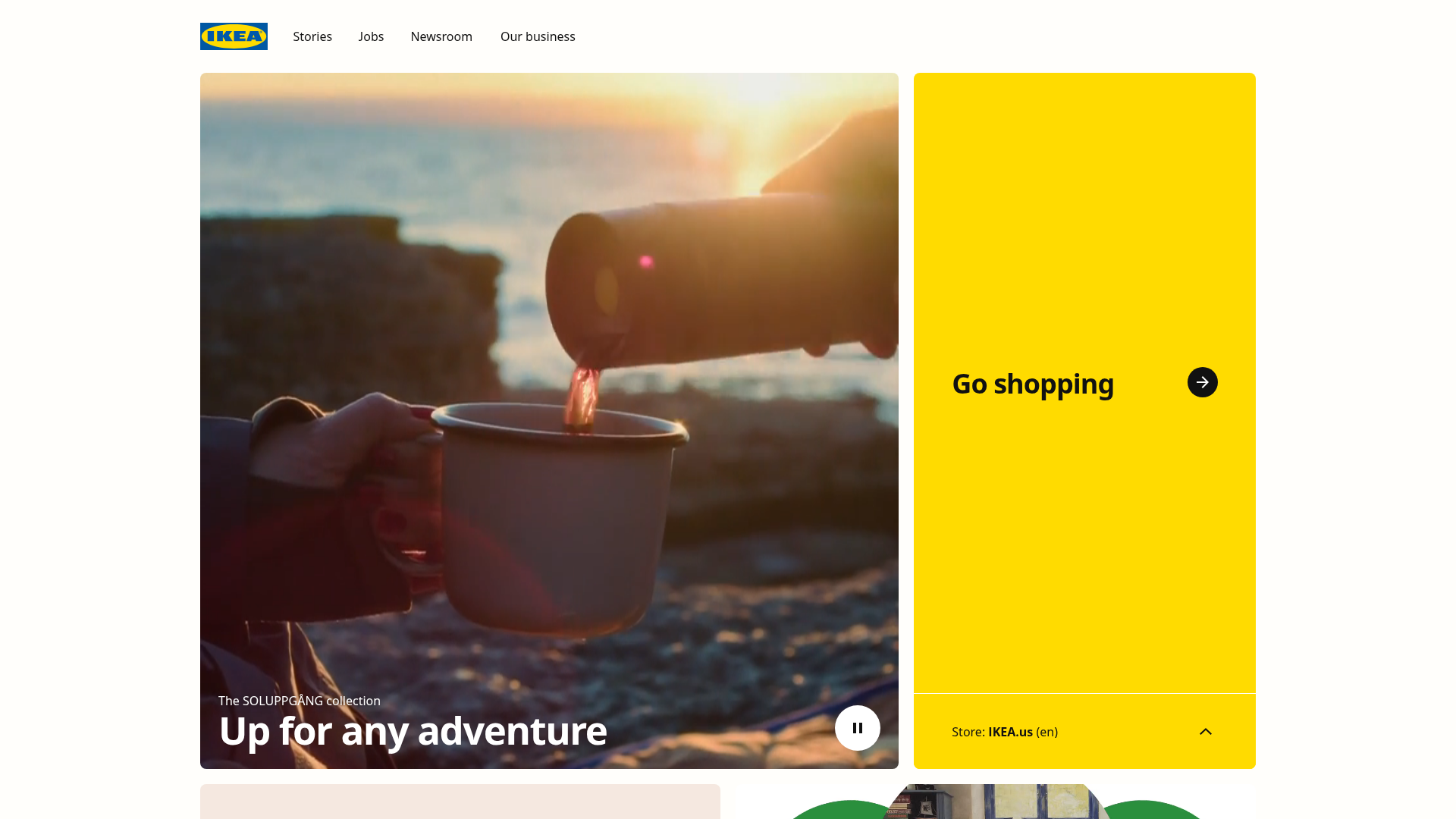
IKEA Corporate Landing Page Layout
A clean corporate portal featuring a large hero hero section with video playback, a split-screen call-to-action block, and a minimalist navigation bar.
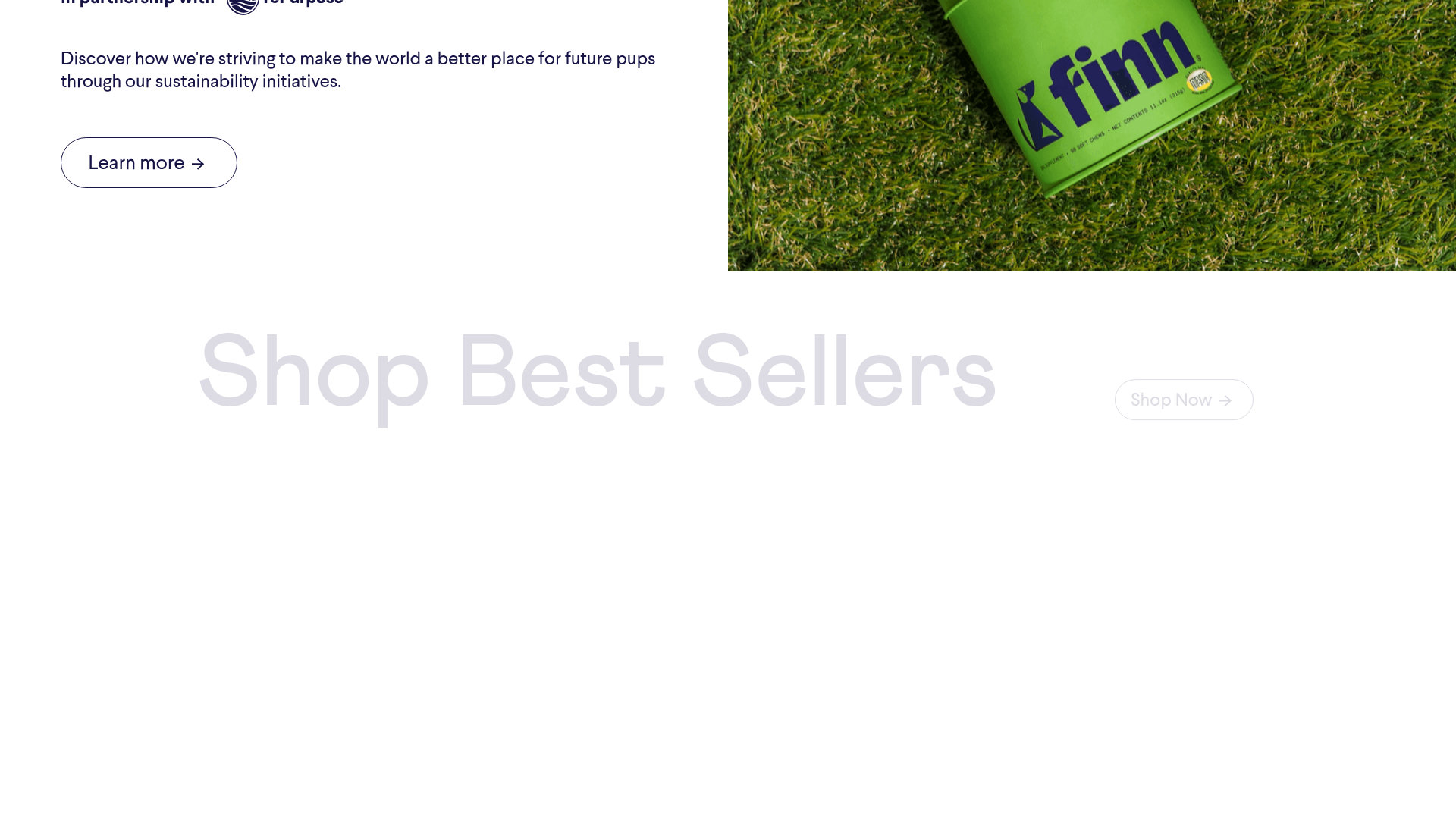
Finn Pet Supplements Landing Page
An e-commerce landing page featuring high-contrast typography, a sticky brand logo banner, parallax scroll effects on product headers, and a clean product grid.
