The Other Side of Truth Narrative Scroll
A dark-themed storytelling layout featuring GSAP-powered scroll animations, sticky pinned sections, and scattered social media card components.

Overview
This project is a high-impact narrative scrollytelling website that leverages deep-scrolling interactions to deliver a powerful message. It is an excellent reference for builders wanting to implement complex GSAP scroll animations, pinpointed pinning effects, and layered content reveals within a Nuxt.js environment.
Design System
- Color Palette & Visual Hierarchy: A stark, high-contrast palette of solid blacks, industrial yellows (#FFEB3B type), and deep blues create an urgent, editorial feel. The hierarchy uses massive, ultra-bold typography for key statements, contrasted with smaller, monospace-adjacent technical data.
- Typography: Heavily features a sans-serif headline font with ultra-bold weights (class
h1-ultrabold) for impact. Body text uses cleaner, highly legible sans-serifs with justified alignment (justify-line) to mimic newspaper layouts. - Page Structure & Flow: The sequence starts with a preloader and a word-based hero screen, leading into a series of
pin-spacersections where content remains fixed while child elements (like social media cards or image galleries) move or rotate. The flow transitions between light (yellow) and dark sections to separate different narrative beats. - Reusable Components:
city-card: A flexible card for media and metadata with border-accent options.fund-card: A minimalist link card for directories or resources.label: Data-driven markers used to annotate specific sections of images or maps.traitors-spinner: A vertical list component that scrolls names or items synchronized with a background map or image.
- Motion Patterns: Sophisticated use of
GSAPto handle word-by-word text reveals, image rotation on scroll (transform: rotate), and "staggered" reveals for scattered components. The implementation uses sticky positioning and largepaddinginsidepin-spacercontainers to control the scroll duration of specific scenes. - Implementation Clues: Built using Nuxt.js (noted by
__nuxtanddata-v-attributes). It utilizesvideobackgrounds andpicturetags for responsive media delivery. Transitions are managed through visibility toggles and CSS transforms.
Use Cases
- Who should clone this: Developers building digital storytelling experiences, annual reports, historical timelines, or interactive advocacy campaigns that require a non-linear information flow.
- Effective Remixes:
- Product Launches: Use the "scattered cards" section to showcase social proof or customer testimonials.
- Portfolio: Adapt the
destructions-galleryfor a portfolio grid where projects reveal themselves dynamically on scroll. - Data Visualizations: Reuse the
labelsand pinned statistics to explain complex charts or map data.
- Suggested Clone Scope: For a quick win, clone the card components and the sticky text reveal logic. For a full-page clone, focus on the GSAP timeline structure to maintain the coordinated narrative rhythm.
Related Inspirations
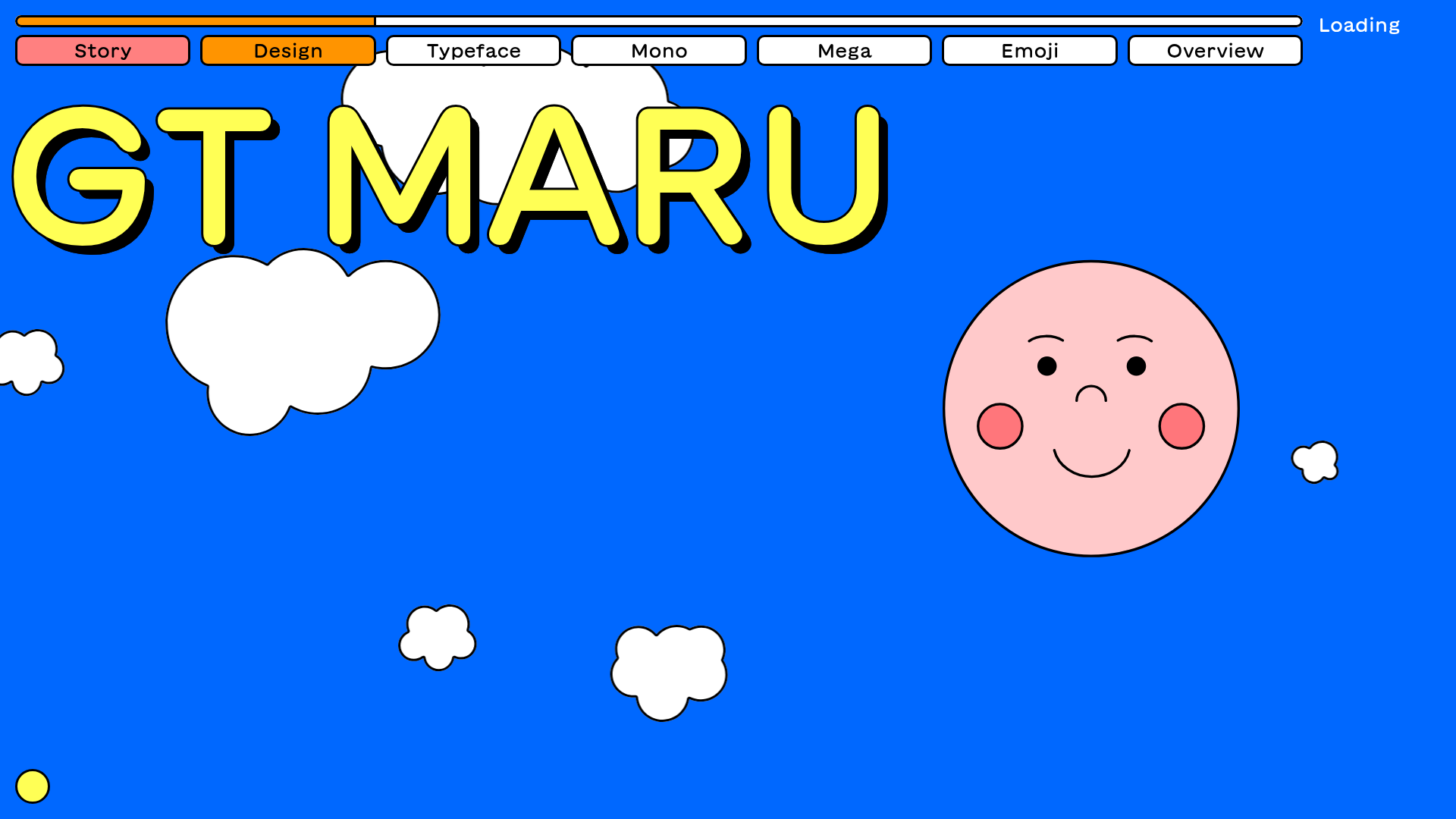
GT Maru Typeface Promotional Landing Page
A playful, multi-section landing page featuring interactive typography testers, Lottie animations, scroll-triggered sticky text blocks, and a wave-divider layout with dynamic navigation colors.
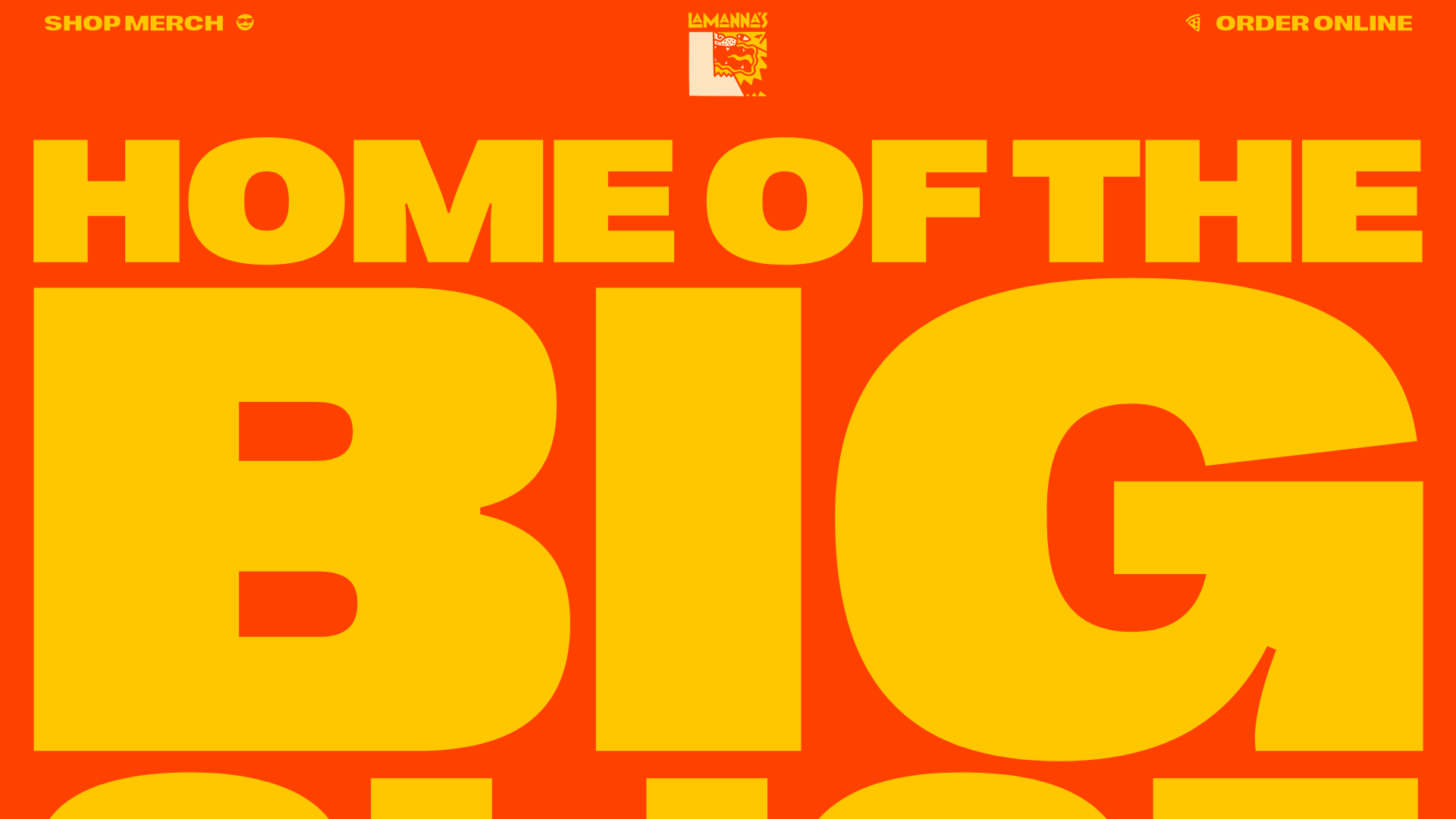
Lamanna's Bakery Vibrant Landing Page
A bold, high-contrast Italian bakery site featuring massive typography, parallax floating elements, marquee banners, and a flickity-powered product carousel.
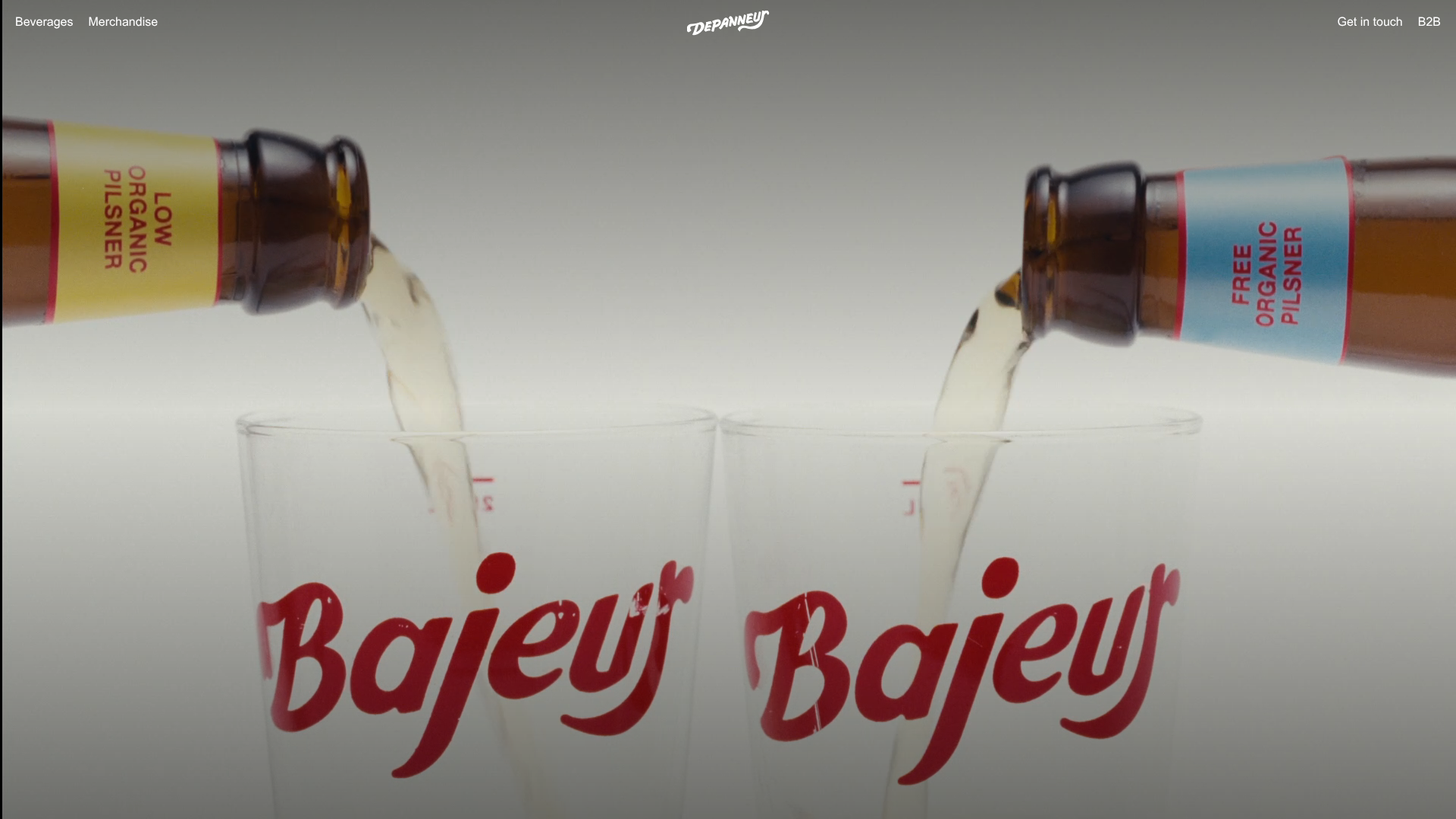
Depanneur Beverage E-commerce Hero
A minimalist Shopify storefront featuring a full-screen background video hero, sticky translucent navigation, and integrated mobile menu components.
MetaMusic Service Landing Page
Features a horizontal scrolling card deck, animated SVG illustrations, a partner logo marquee, and a multi-step process layout with notched corner UI components.
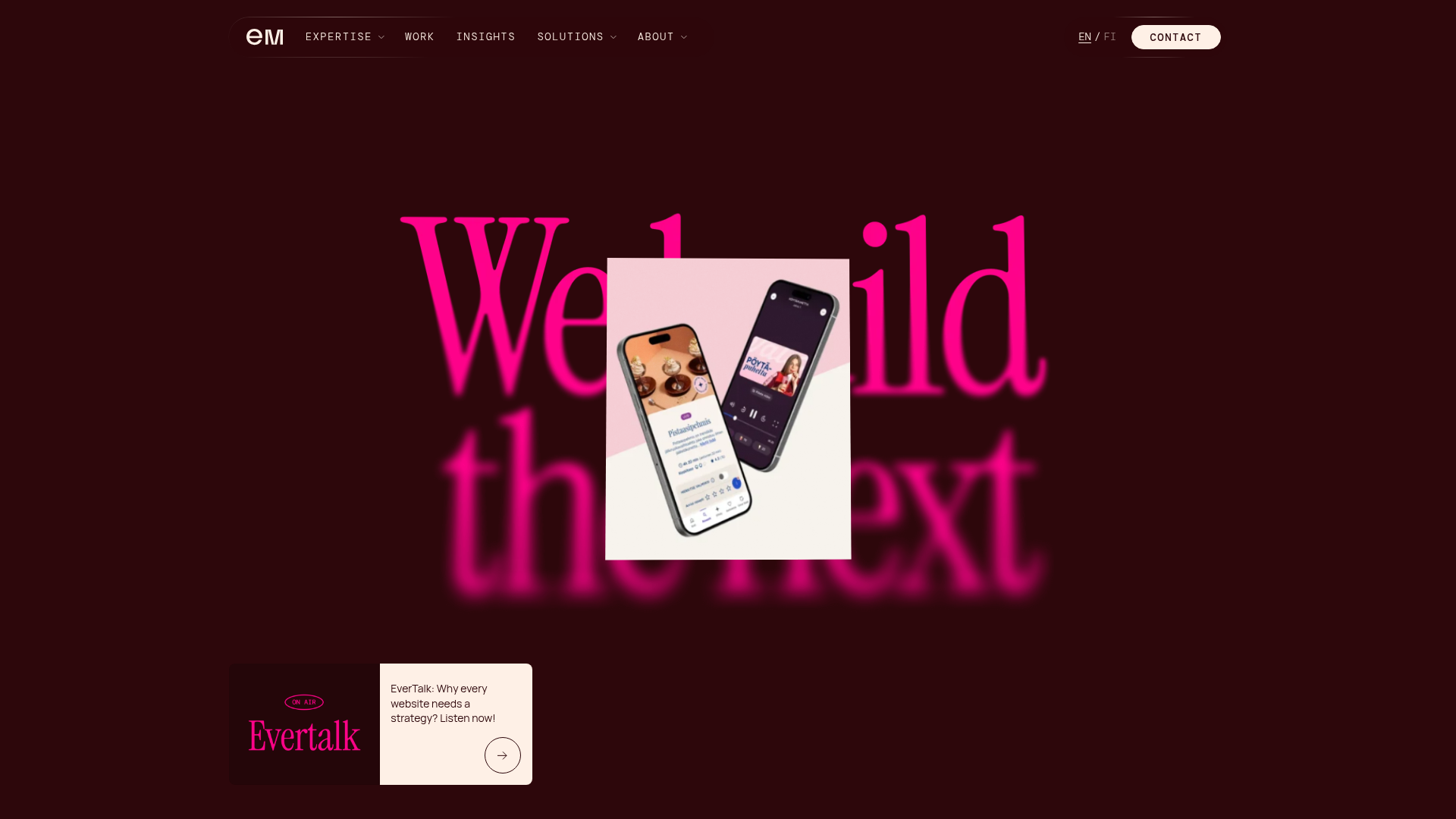
Evermade Agency Site Showcase
A high-performance agency site featuring a luxury dark aesthetic, interactive 3D hero tilt effects, custom slider components, and a unique 'text-reveal-on-hover' service section.
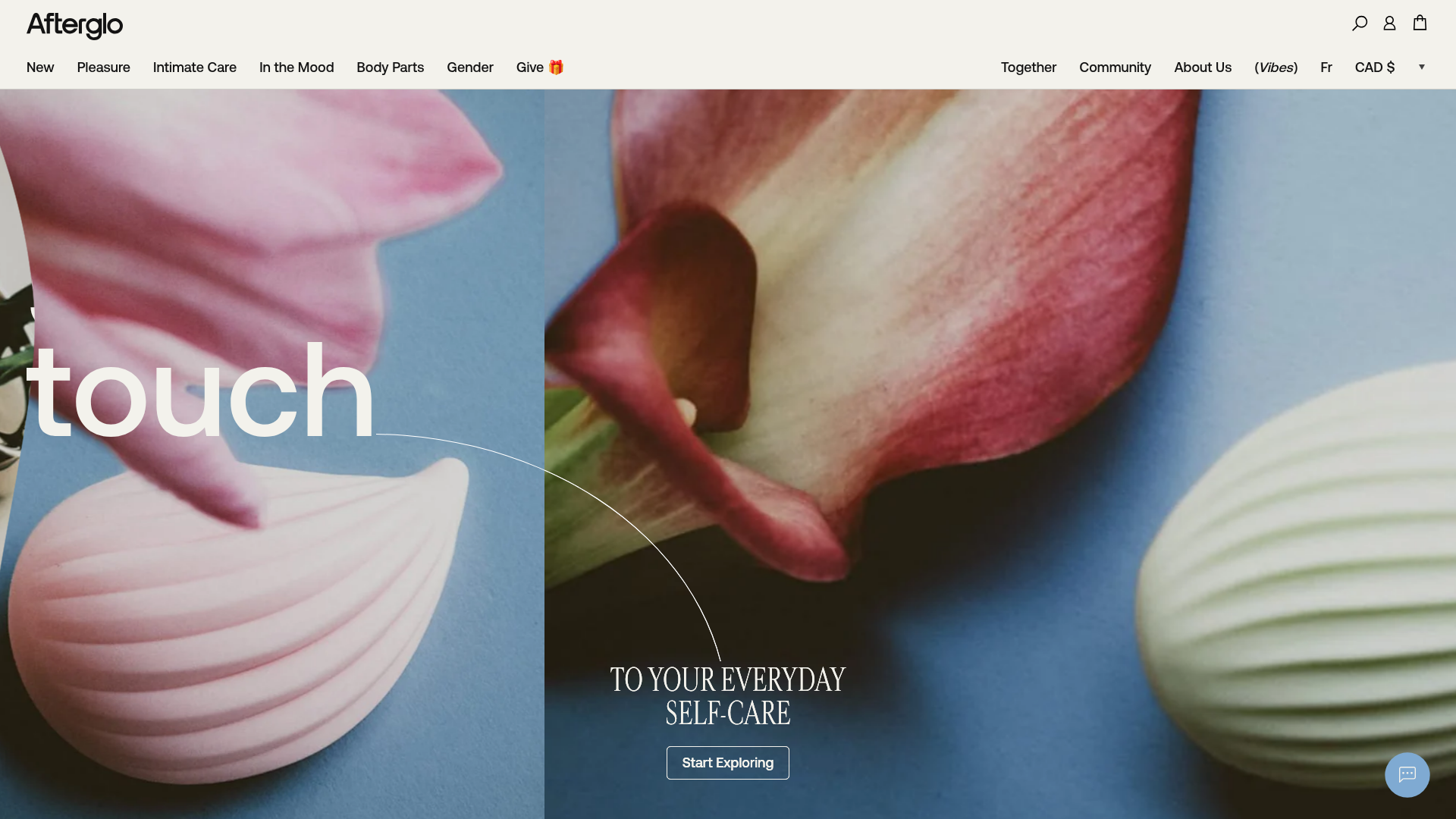
Afterglo Sensual Self-Care Storefront
An elegant e-commerce landing page featuring a split-screen horizontal scrolling hero, kinetic typography with 'vibrating' text animations, and a customized product carousel.
