Michael Speichert Web Designer Portfolio
A Gatsby-built creative portfolio featuring a Canvas-based 3D background effect, custom typography, and smooth page transitions for a modern interactive experience.

Overview
Michael Speichert’s portfolio is a high-impact, minimalist Gatsby site that showcases how to use a Three.js/Canvas-based 3D background as a central design element. It is a strong reference for creative developers looking to master layering interactive WebGL elements behind a clean, typographical UI without sacrificing performance or readability.
Design System
- Color Palette & Visual Hierarchy: The system utilizes a monochromatic approach (black and white) to ensure maximum contrast. The deep 3D background provides depth, while the white typography sits on the highest z-index plane to remain the focal point.
- Typography System: The site uses a bold, oversized serif-italic and sans-serif combination. The main header (
h1.index__title) features distinct emphasis on keywords like web and identities using<em>tags, demonstrating a scale-heavy hierarchy that prioritizes visual impact over dense content. - Page Structure & Flow: The structure is highly optimized for performance using
gatsby-focus-wrapperand a persistentlayoutdiv. The background (third-dimensionclass with<canvas>) is decoupled from thelayout__content, allowing for independent rendering and smooth transitions between portfolio views. - Reusable Components: The custom headline component with responsive line breaks (using
hidden md:inlinefor truncation/extension) is the primary asset to clone. The logic for the canvas-based background container is another critical reusable module for immersive branding. - Interaction & Motion: The HTML indicates the use of
tl-edges(Transition Link), suggesting a dependency on smooth, AJAX-style page transitions where elements fade or slide while the persistent 3D canvas continues to render. - Implementation Clues: Built on Gatsby with utility-first CSS (Tailwind-style classes like
md:inlineare visible in the code), the site uses an app-shell model to manage state and complex background animations across different routes.
Use Cases
- Who should clone this pattern: Creative directors, UI/UX designers, and front-end developers aiming for a "developer-as-artist" aesthetic that feels high-end and technologically sophisticated.
- Effective Remixes: This architecture works exceptionally well for digital agencies, boutique branding studios, or product landing pages for niche luxury software.
- Remix Directions: Replace the Canvas animation with a different WebGL shader (e.g., fluid dynamics or particle clouds) while maintaining the typographical grid. The info architecture can be adapted by expanding the
tl-wrapperto include project-specific case study templates. - Suggested Clone Scope: Start with a full-page clone to preserve the relationship between the canvas layer and the page transition logic, as they are technically interdependent in this Gatsby environment.
Related Inspirations
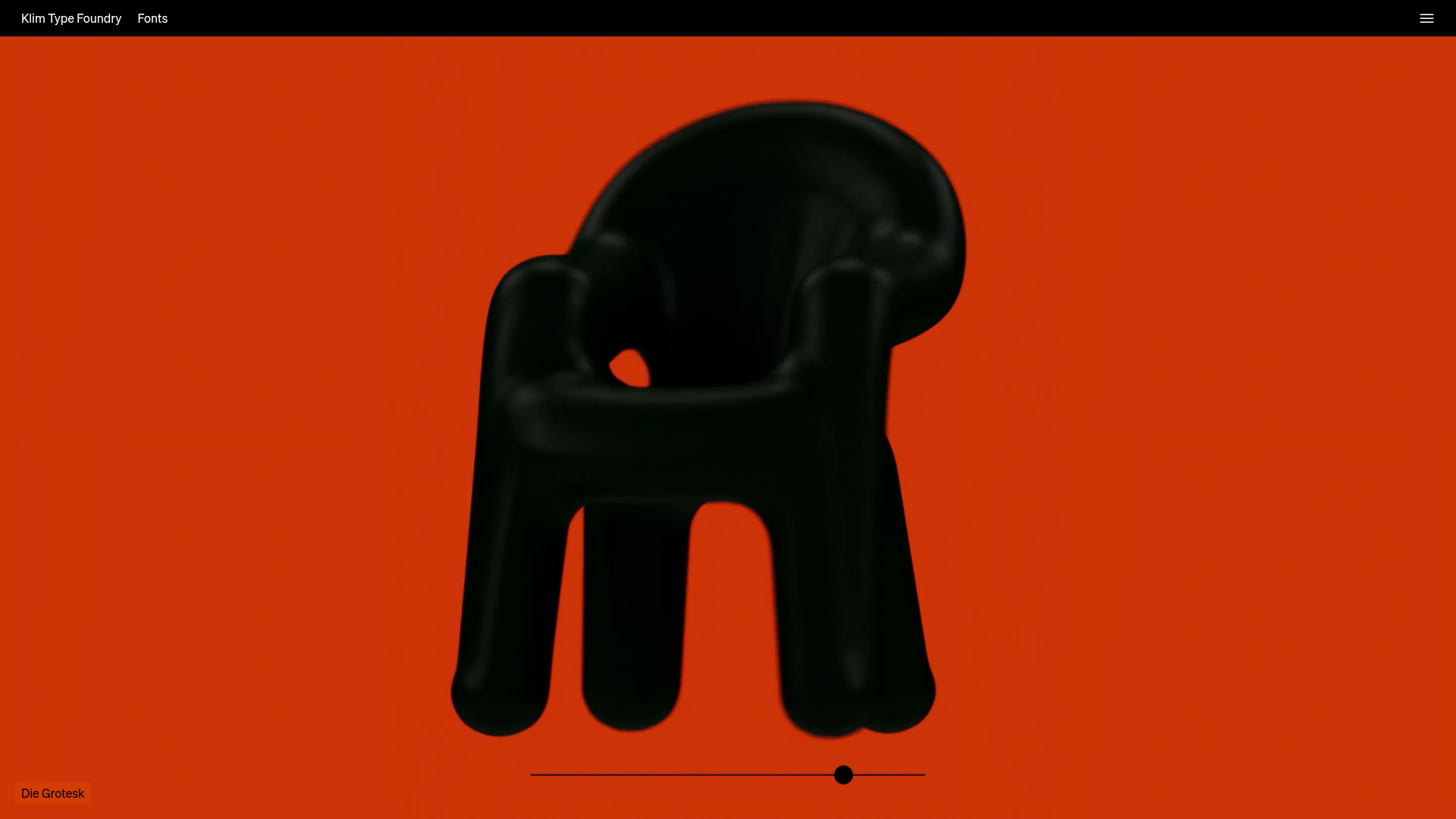
Klim Type Foundry Interactive Typography Landing Page
A high-impact landing page featuring a minimalist full-screen image gallery, interactive slider controls, and a clean, hidden navigation menu.
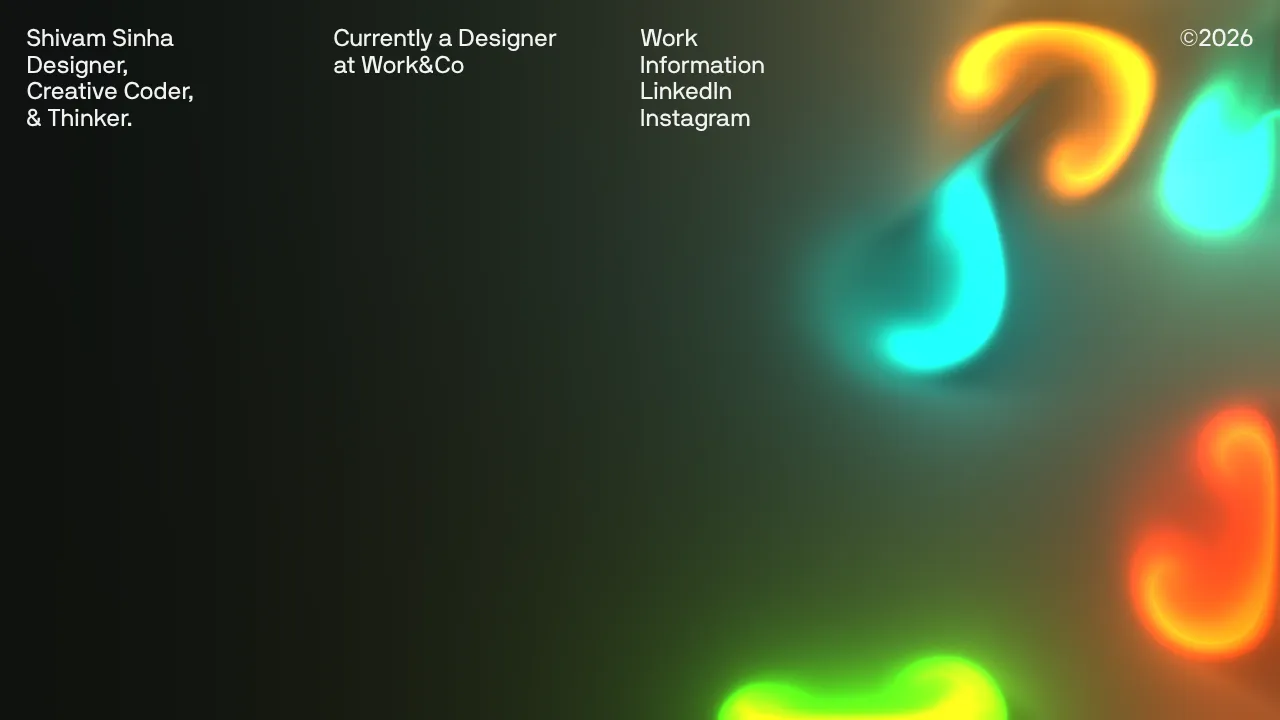
Shivam Sinha Portfolio Hero Landing
A minimalist portfolio layout featuring a full-screen interactive fluid-simulation canvas, clean typographic header, and a responsive navigation grid.

Leonid Kostetskyi Creative Portfolio Template
A high-end portfolio featuring an interactive multi-step contact form, reward tables, a project grid with WebGL image effects, and a marquee skill ticker.
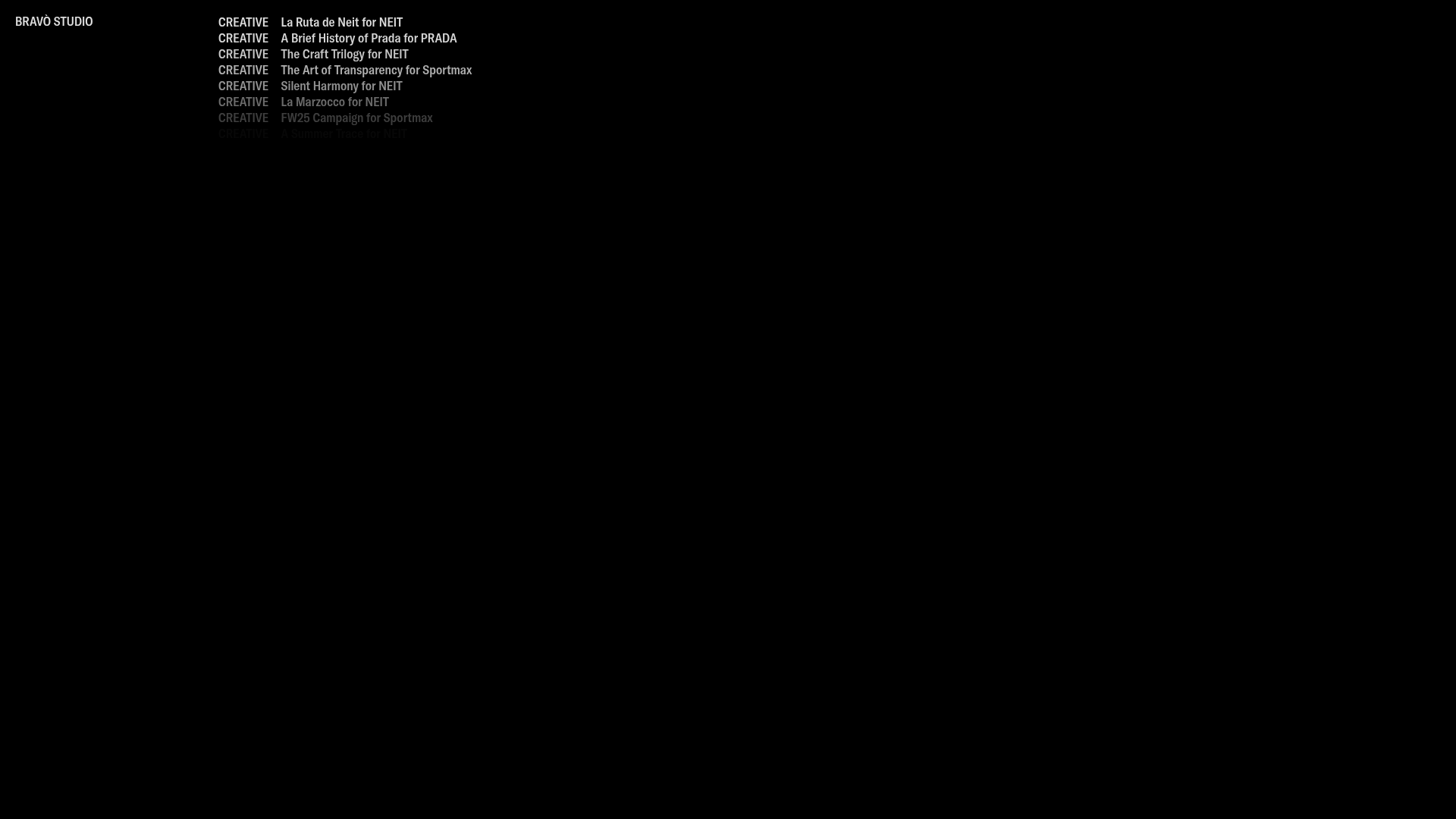
Bravò Studio Creative Portfolio Gallery
A minimalist dark-themed portfolio featuring a 3D video carousel, WebGL canvas integration, and a searchable archival list layout for high-end creative work.
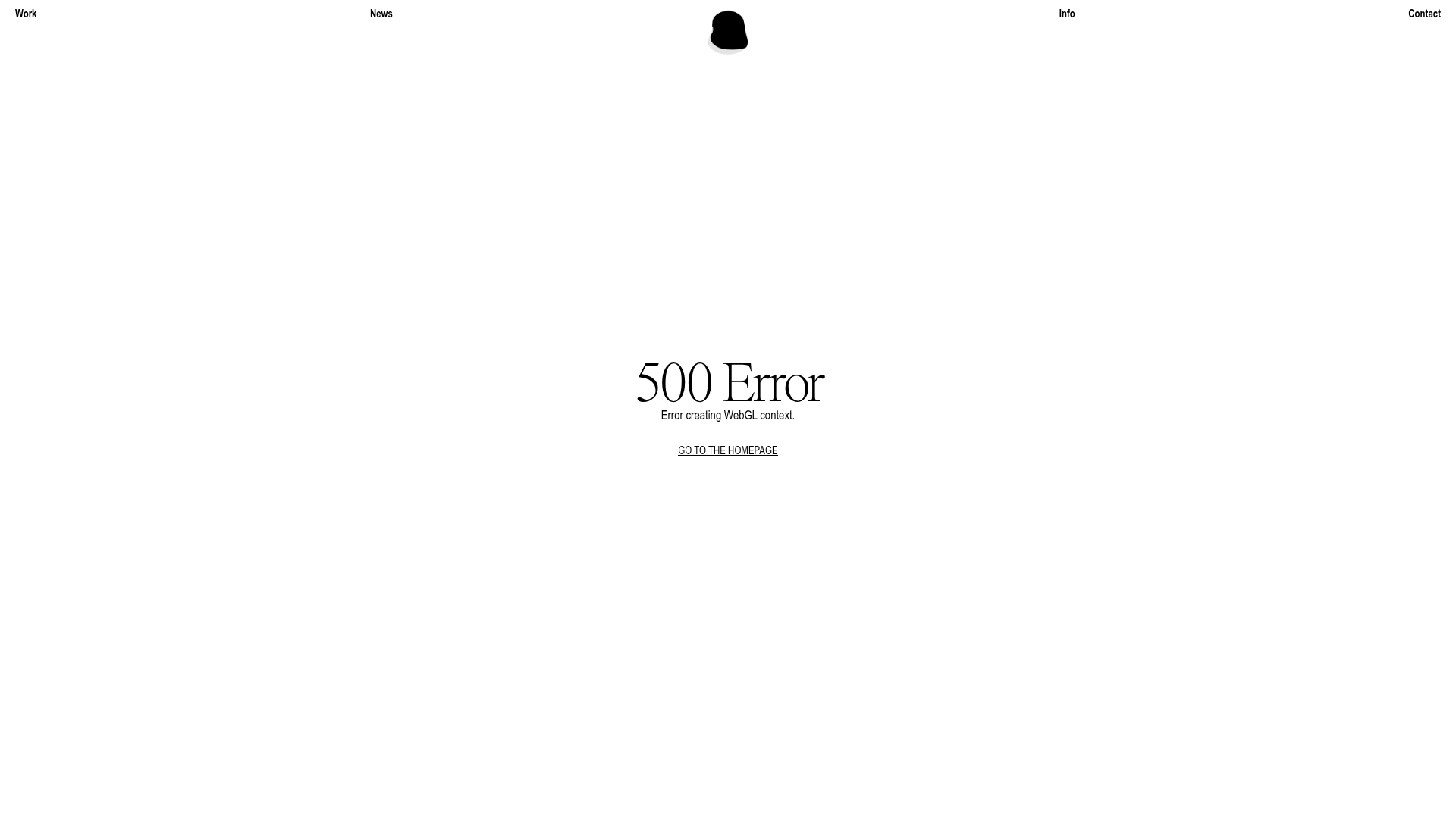
Little Troop Minimal WebGL Landing Page
A minimalist design studio layout featuring a centered brand logo, top-corner navigation links, and a clean, typography-focused 500 error page template.
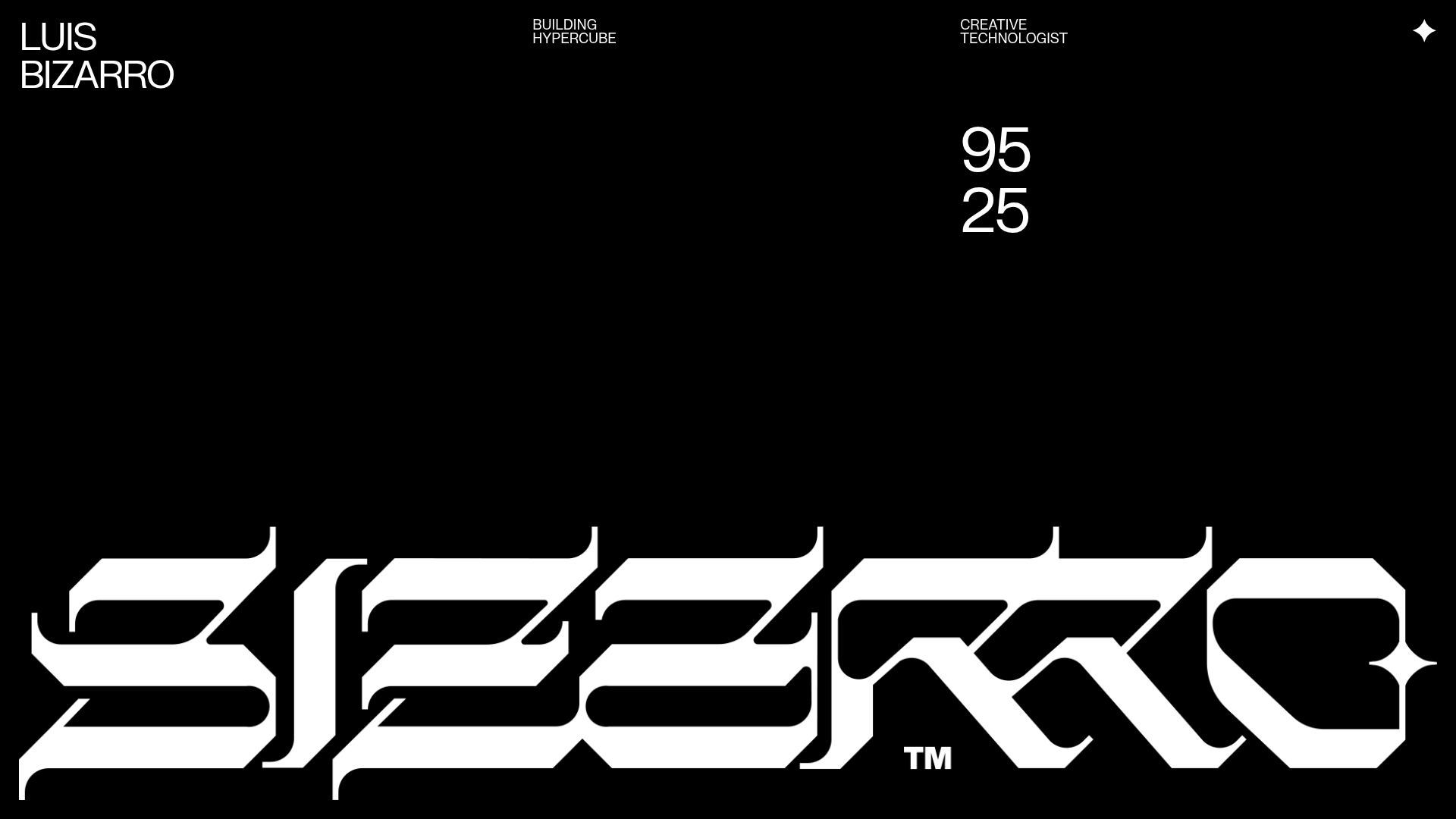
Luis Bizarro Creative Technologist Portfolio
A high-contrast dark mode portfolio featuring a custom blackletter logotype, minimal typography grid, and a video-heavy project showcase using WebGL-based content transitions.
