Simon Studio Computational Design Portfolio
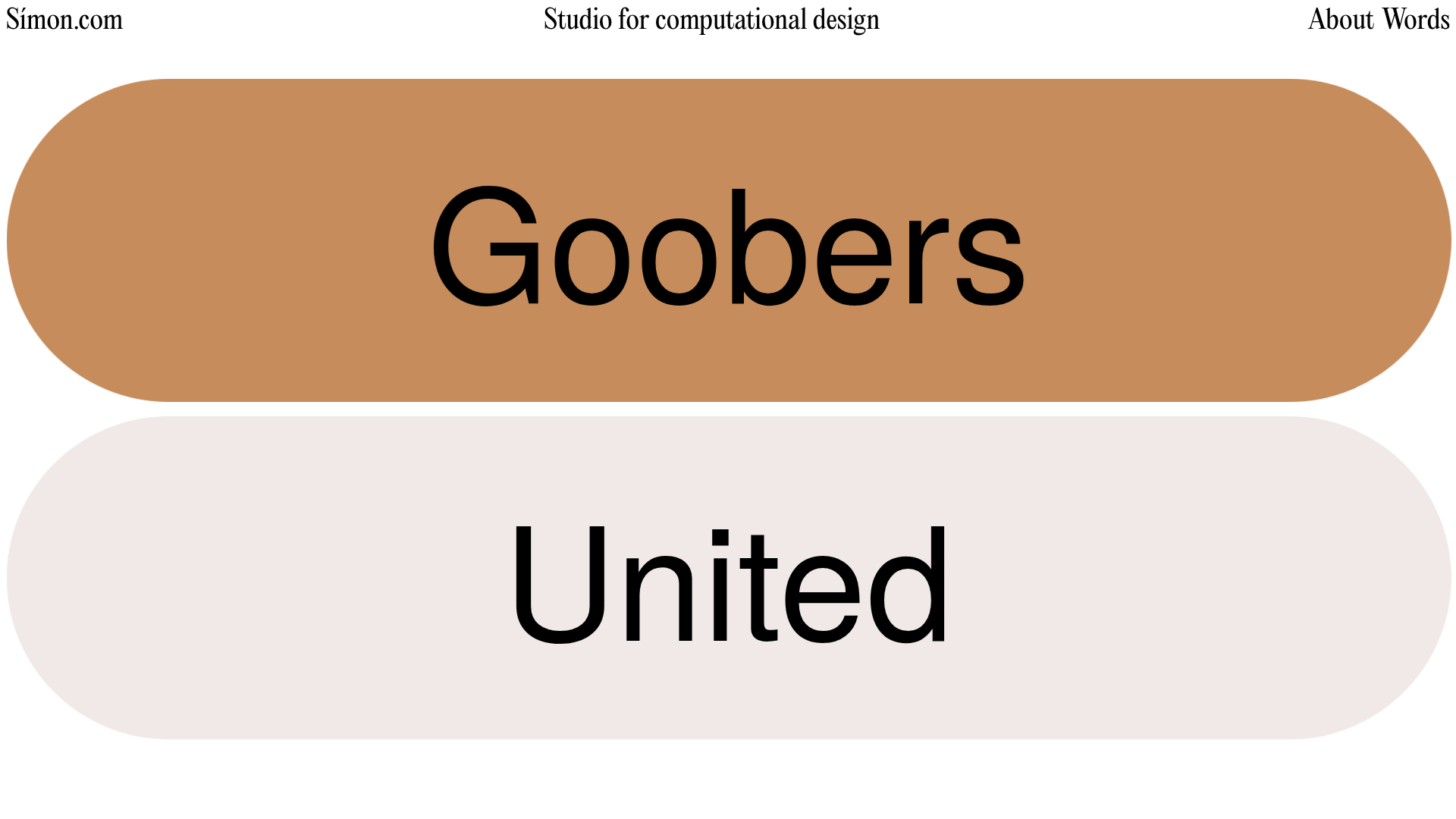
A Svelte-based portfolio featuring a vertical project list with large rounded-pill interactive labels and smooth scroll-triggered project transitions.
Overview
This Svelte-based portfolio for a computational design studio features a highly tactile, experimental interface centered around large, vertically-scrolling interactive "pills." It is an excellent reference for builders looking to implement non-traditional navigation patterns where the UI elements themselves serve as the primary focus and canvas for project transitions.
Design System
- Color Palette & Visual Hierarchy: The design uses a sophisticated, muted palette involving earthy ochre (
#c68c5b), soft off-whites (#f0e9e8), and stark black text. Hierarchy is driven by scale and motion rather than nested containers, with the interactive labels filling nearly the entire viewport width. - Typography: Features a clean, geometric sans-serif (resembling Inter or similar) for the project titles. Project indices and years use smaller, secondary scales, while the header uses a serif typeface for high-contrast branding at the top ("Simon.com", "About Words").
- Page Structure: The layout consists of a fixed top navigation bar with three distinct zones. Below this, a series of project sections (
.list-item) are indexed. The primary interaction layer is a scroll-controlled stack of labels (.index-labels) that transform and translate in 3D space (translate3d) as the user scrolls through the correspondingshadow-listof project data. - Reusable Components:
- The "Pill" Label: Large, rounded-end containers (
.label-wrap) with dynamic background colors (--cbg) and 3D rotation properties (--rotY,--rotX). - The Shadow List: A functional but hidden scrolling mechanism (
.shadow-list) used to sync scroll position with the visual foreground elements. - Minimalist Header: A tripartite header (Left: Logo, Center: Description, Right: Links) providing a stable anchor to the fluid page content.
- The "Pill" Label: Large, rounded-end containers (
- Interaction & Motion: The site utilizes scroll-triggered animations where labels stick and stack. Each pill tracks subtle mouse movement via CSS variables (
--rotX,--rotY), creating a 3D tilting effect. The large project titles fade and slide based on their active index. - Implementation Clues: Built with SvelteKit (indicated by
sveltekit:prefetchand class naming conventions). It uses CSS custom properties to drive complex 3D transforms directly from the component state.
Use Cases
- High-End Creative Portfolios: Designers or studios who want their site to feel like a custom-coded installation rather than a standard template.
- Brand Launch Pages: Products with a limited but high-impact feature set can use the large pill labels to narrate a story through scrolling.
- Remix Directions:
- Style Swap: Keep the Svelte scroll logic but replace the round-capped pills with sharp rectangular blocks or fluid organic shapes.
- IA Adaptation: Use the 3D-tilting pill component as a specialized navigation menu for a gallery rather than the full-page structure.
- Interaction Simplification: Clone the visual stacking effect but remove the 3D mouse-tracking to improve performance on lower-end devices.
- Suggested Clone Scope: A full-page clone is recommended to capture the synchronized scroll-to-index logic between the foreground labels and the background project list.
Related Inspirations
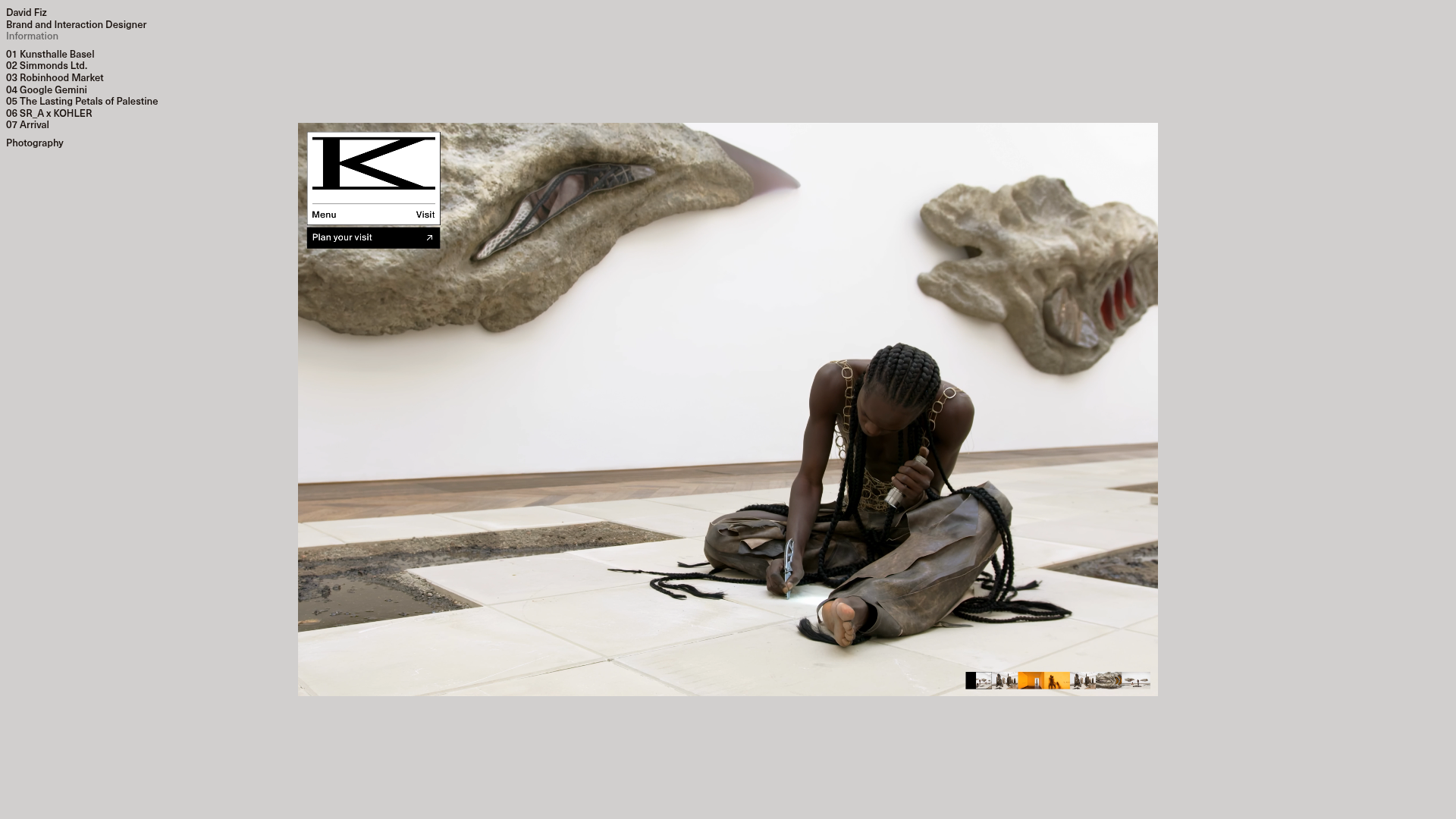
David Fiz Visual Design Portfolio
A minimalist portfolio featuring a fixed sidebar navigation paired with an immersive, full-screen media showcase and interactive project-specific image carousels.
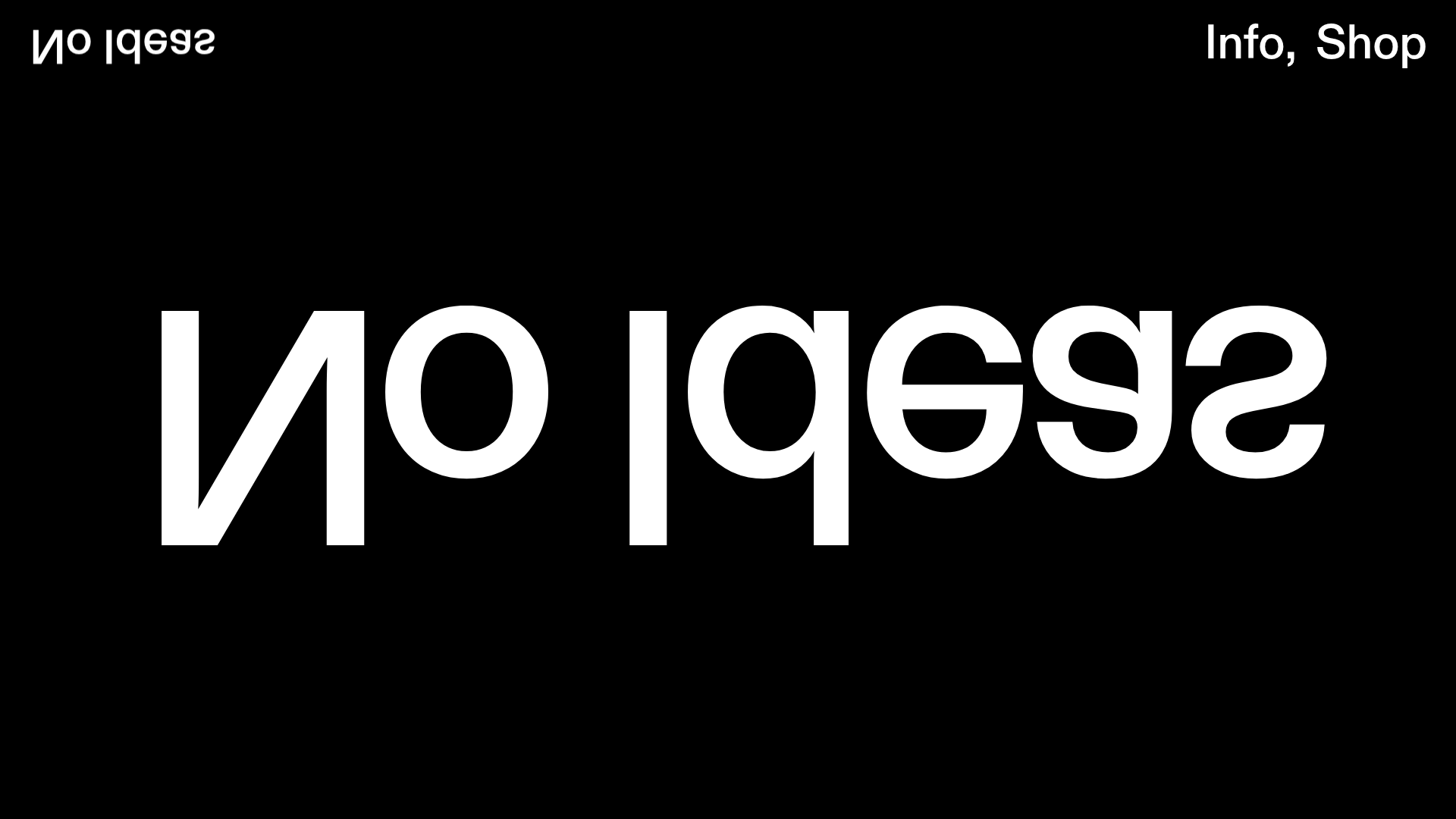
No Ideas Design Portfolio Carousel
A minimalist, full-screen portfolio featuring a high-impact typography hero and a large-scale Bootstrap carousel with video and image support.
PostNew Moving Image Portfolio Gallery
A minimalist dark-themed portfolio featuring a full-screen vertical scroll layout, video-based grid sections, and blur-effect navigation components.
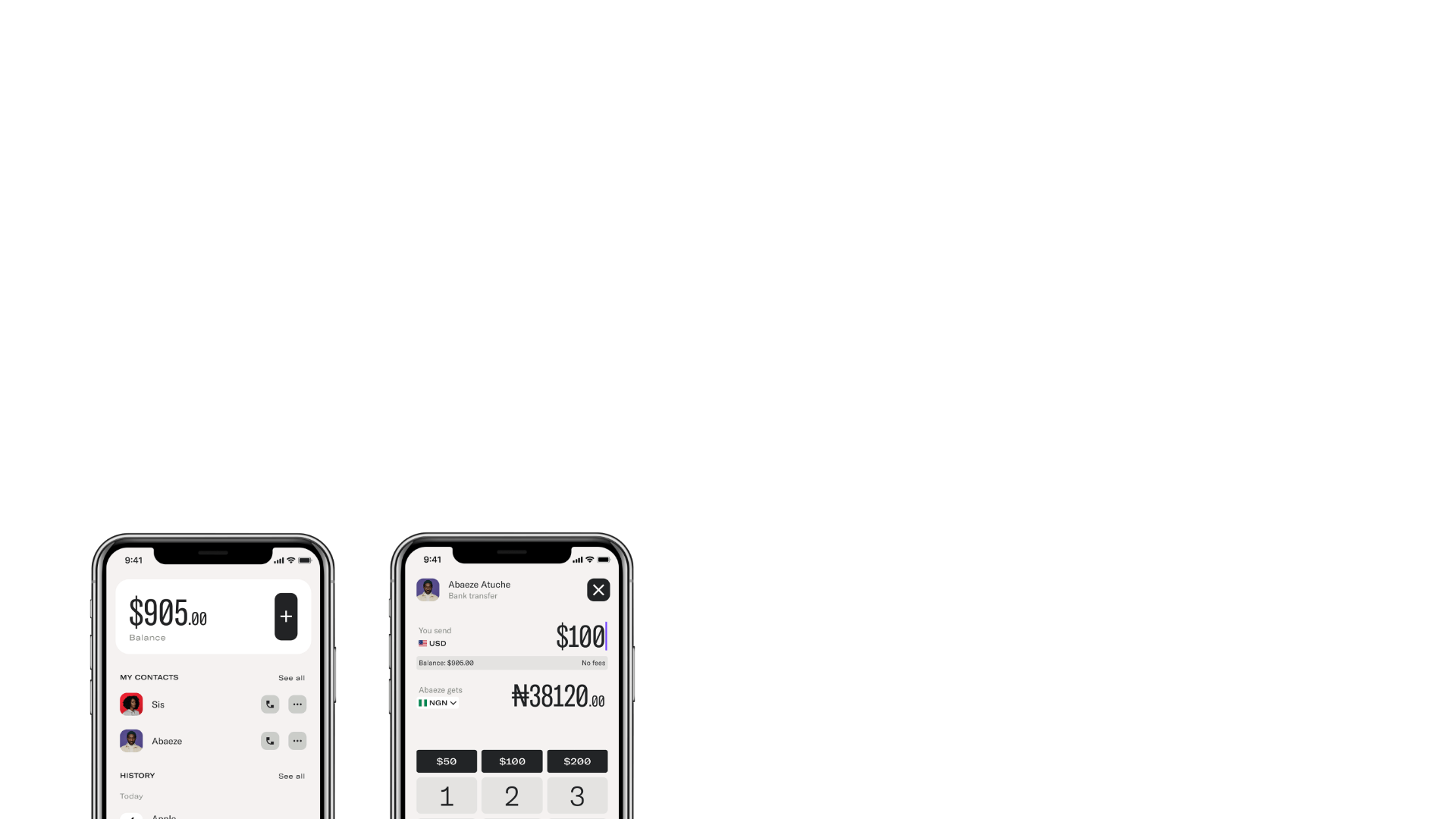
Magda Reyman Designer Portfolio
A minimalist portfolio layout featuring a fixed hero intro, absolute-positioned mobile UI mockups, and a distinctive high-contrast footer with rounded interaction buttons.
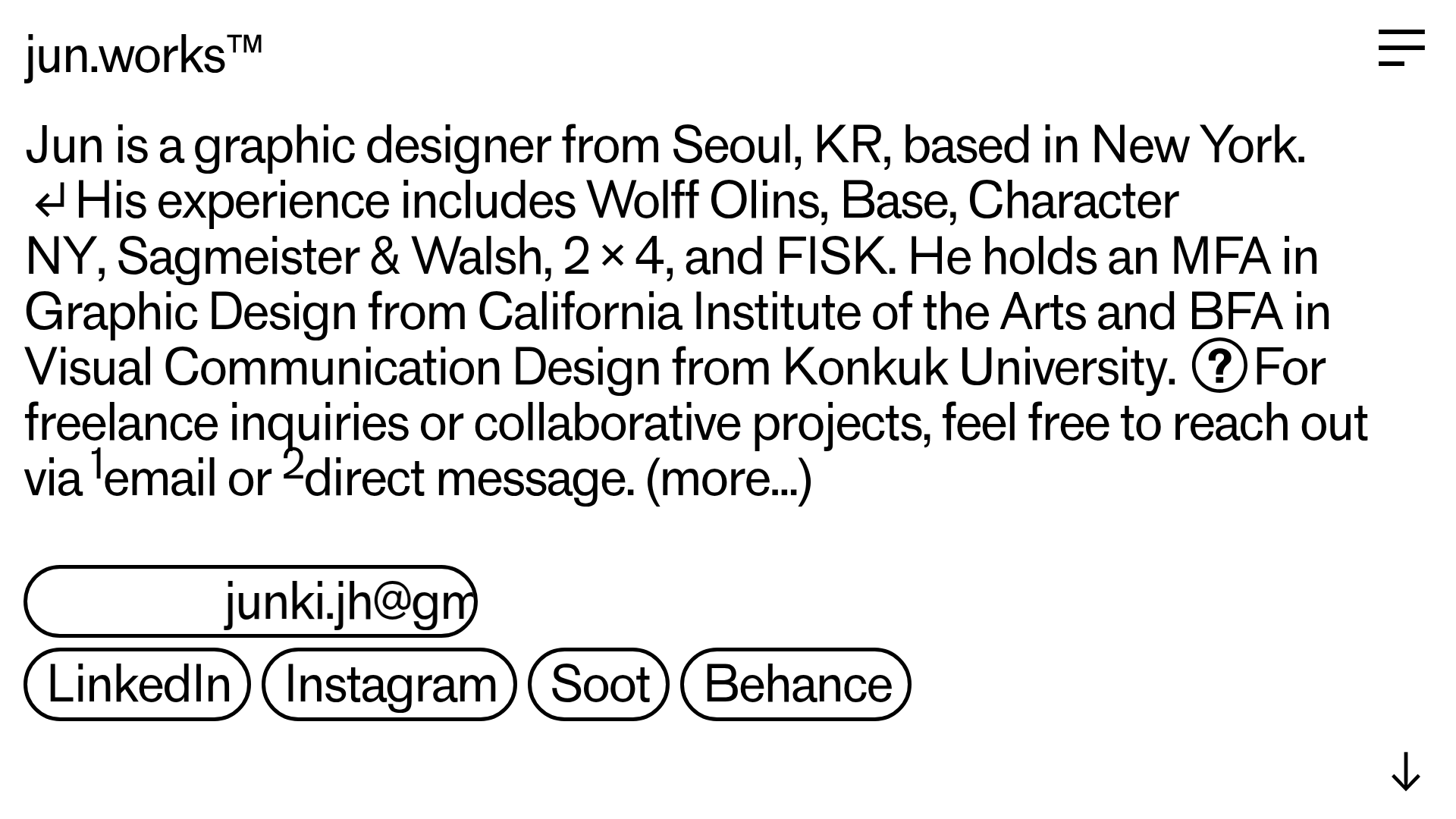
Jun Works Portfolio Landing Page
Minimalist graphic design portfolio featuring a text-heavy layout with image-on-hover tooltips, a pill-shaped marquee contact card, and a categorized hashtag tag cloud for project navigation.
Ekipa Agency Artist Roster Site
A minimalist agency portfolio featuring a dynamic block-based logo, colorful background transitions, and a hover-activated image preview grid for an artist roster.
