Gus Portfolio Three.js Canvas Landing
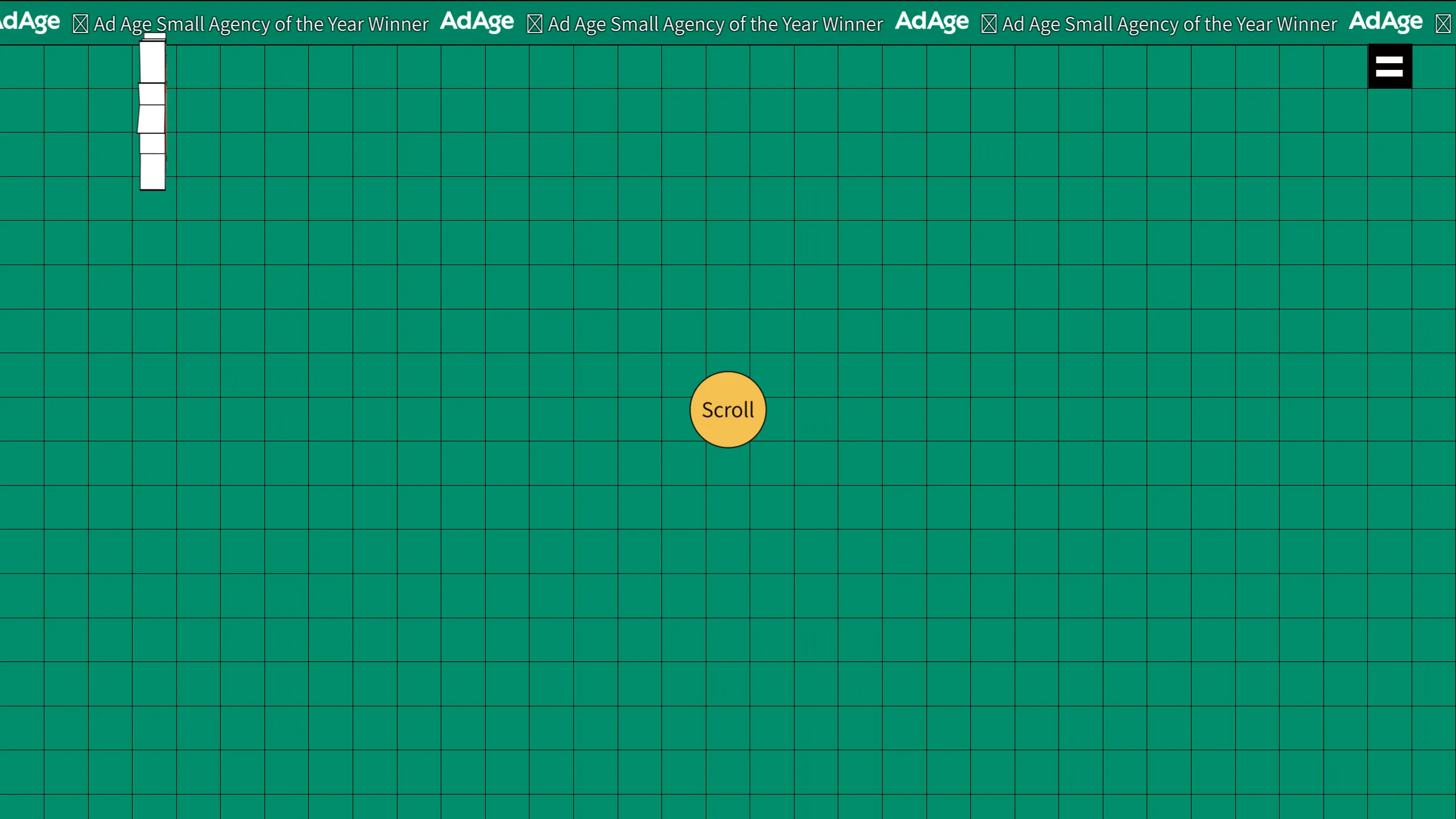
An interactive WebGL landing page featuring a Three.js grid background, a marquee announcement bar, and a centered scroll-driven animation scale effect.
Overview
This portfolio landing page serves as a high-impact technical demonstration, utilizing Three.js and WebGL to create a gamified, grid-based aesthetic. It features a unique interaction model where the primary call-to-action is a scroll-activated scale effect that bridges the gap between digital art and traditional agency portfolios. This is an excellent reference for developers looking to master canvas-based backgrounds and scroll-linked animations in a minimalist container.
Design System
- Color Palette and Visual Hierarchy: The design lead with a bold Emerald Green (#009B65) grid background that provides high contrast against the primary accent colors: a vibrant Scarlet Red used for the "gus" splash logo and a warm Marigold Yellow for the interactive "Scroll" trigger. The hierarchy is flat across the grid, focusing attention entirely on the central interaction point.
- Typography System: The site uses a clean, utilitarian sans-serif. The logo features a lowercase, wide-tracked serif ("gus") housed in a classic red jagged "explosion" or "splash" vector, referencing vintage comic book or retail sale graphics. Supporting text in the marquee and navigation uses a geometric sans-serif that remains legible at small scales.
- Page Structure and Section Flow: The layout is a fixed-viewport single-page application (SPA) centered on a WebGL canvas. It follows a non-traditional flow: a top marquee for credentials, a top-left brand asset, a top-right hamburger menu, and a central circular "Scroll" element that acts as the focal point for the entire experience.
- Reusable Components:
- Interactive Grid Background: A Three.js canvas rendering a reactive coordinate system.
- Animated Marquee: A continuous horizontal news-ticker style announcement bar ("Ad Age Small Agency of the Year").
- Overlay Navigation: A slide-out or list-based menu controlled by a minimalist hamburger icon.
- Scale-Link Trigger: A centered circular button that animates based on scroll input (mapped to the
--scaleCSS variable in the HTML).
- Interaction and Motion: The core mechanic is scroll-driven; as the user scrolls, the central yellow circle scales and shifts (indicated by
---scale: 0.9998...and---shift: 0in the code). The grid likely responds to mouse movement, creating a sense of depth. - Implementation Clues: The site is built with React (indicated by the
#rootdiv) and Three.js (r166). It uses CSS custom properties (variables) to bridge the gap between JS animation values and CSS transforms, allowing for high-performance visual updates.
Use Cases
- Who should clone this: Creative developers, motion designers, and boutique digital agencies who want to showcase technical expertise through a bold, experimental UI.
- Effective Remixes: This pattern works well for game landing pages, high-end fashion lookbooks, or technical product launches where a "discovery" phase is part of the user journey.
- Remix Directions:
- Brand Swap: Change the green grid to a dark navy with bioluminescent lines for a cyberpunk aesthetic.
- Information Architecture: Replace the central "Scroll" circle with a 3D product model that rotates as the user scrolls.
- Selective Reuse: Clone only the top marquee and the coordinate-grid background to use as a header for a more traditional blog or portfolio site.
- Suggested Scope: A full-page clone is recommended to maintain the integrity of the scroll-to-interaction relationship, but the marquee component is a perfect "quick clone" for any promotional site.
Related Inspirations

Julien Renau WebGL Portfolio Portfolio
A high-performance creative technologist portfolio featuring horizontal video carousels, text-stroke animations, and an award-winning project grid built with Nuxt.js and GSAP.
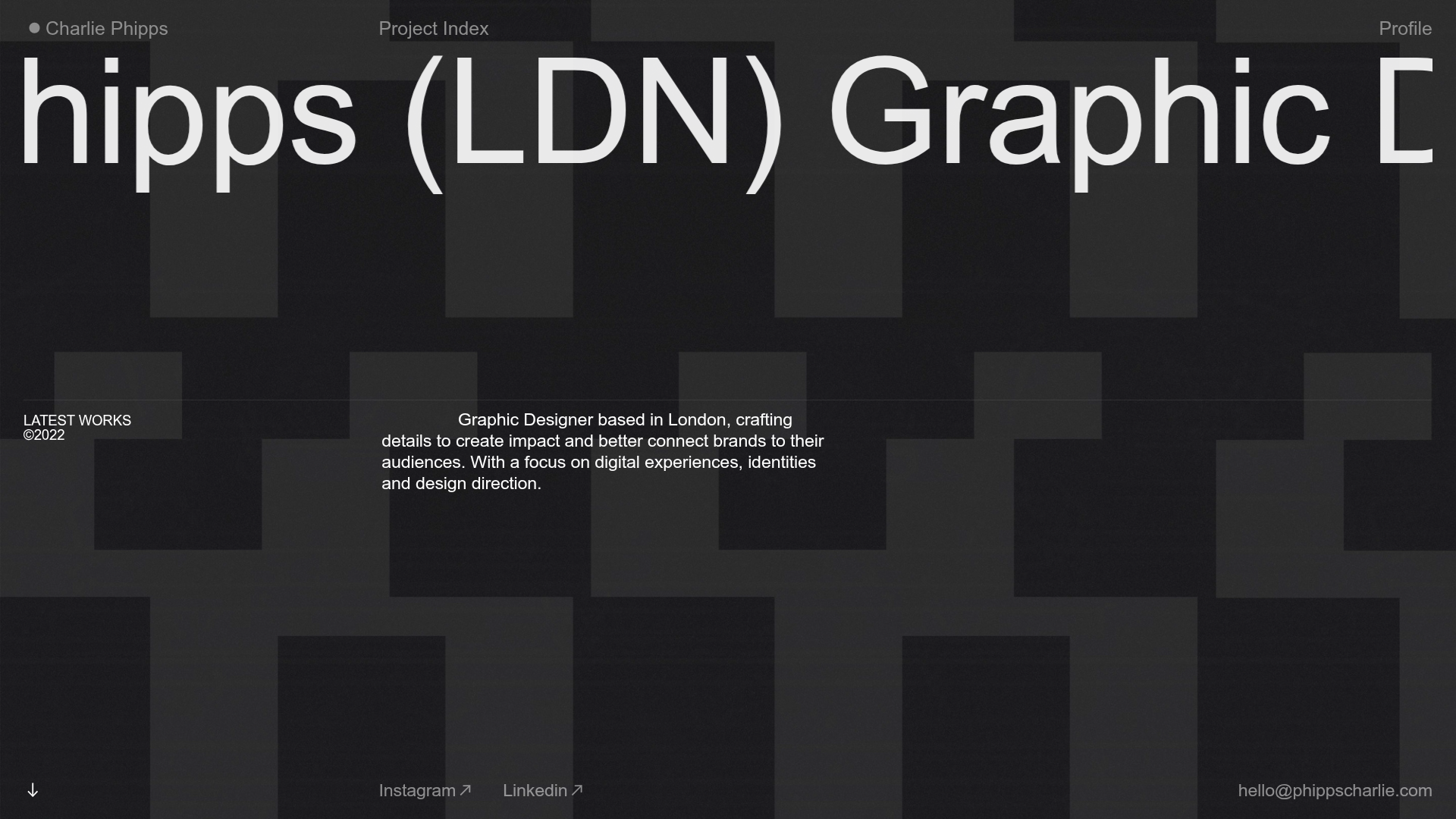
Charlie Phipps Portfolio Hero Layout
A dark-themed portfolio featuring a large horizontal scrolling marquee header, full-bleed video backgrounds, and a clean typography-focused grid for case studies.
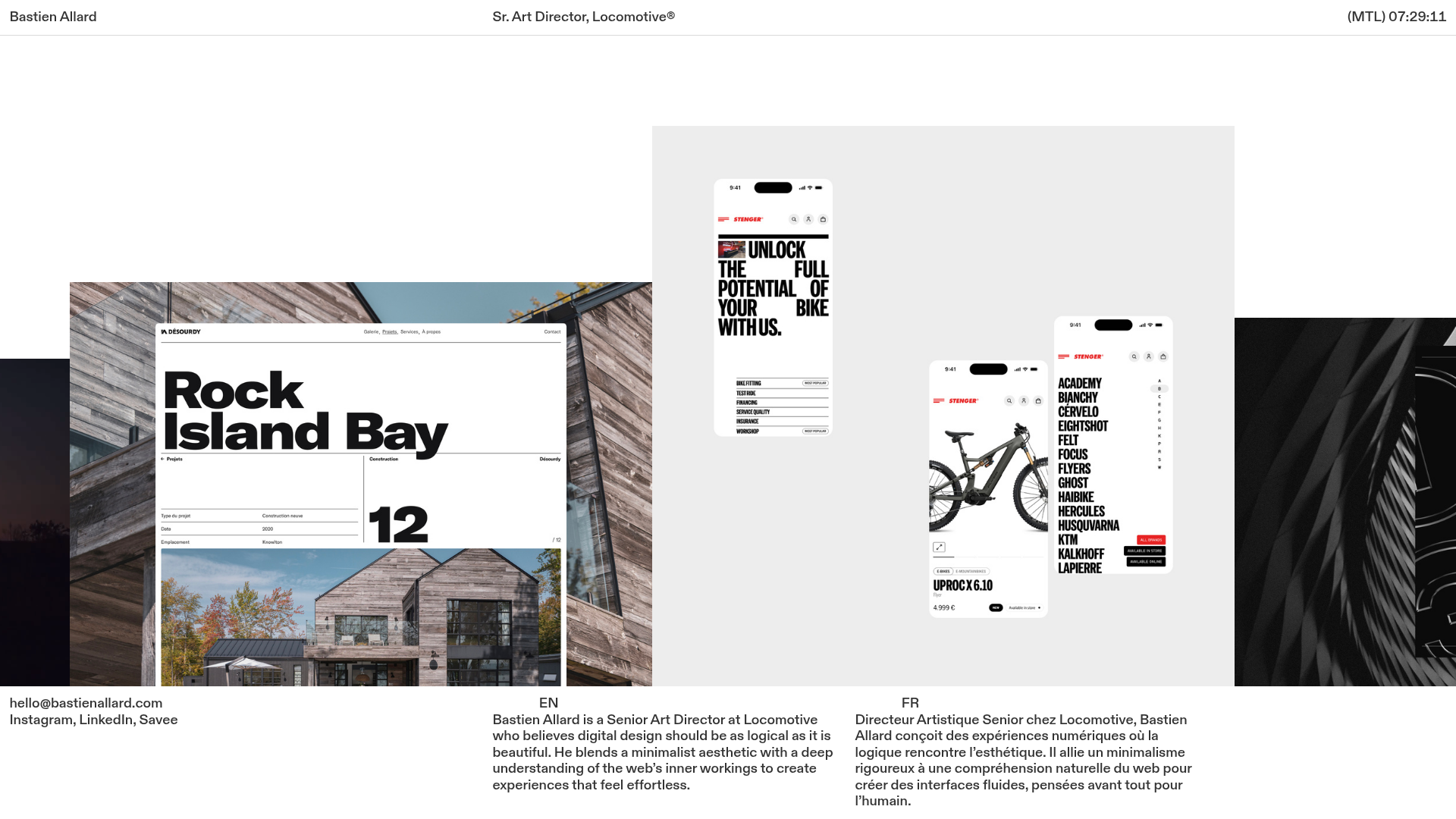
Bastien Allard Minimalist Portfolio Gallery
A clean, horizontal marquee-based portfolio featuring a sticky header/footer layout, digital clock integration, and responsive bilingual text columns for minimalist art director showcases.
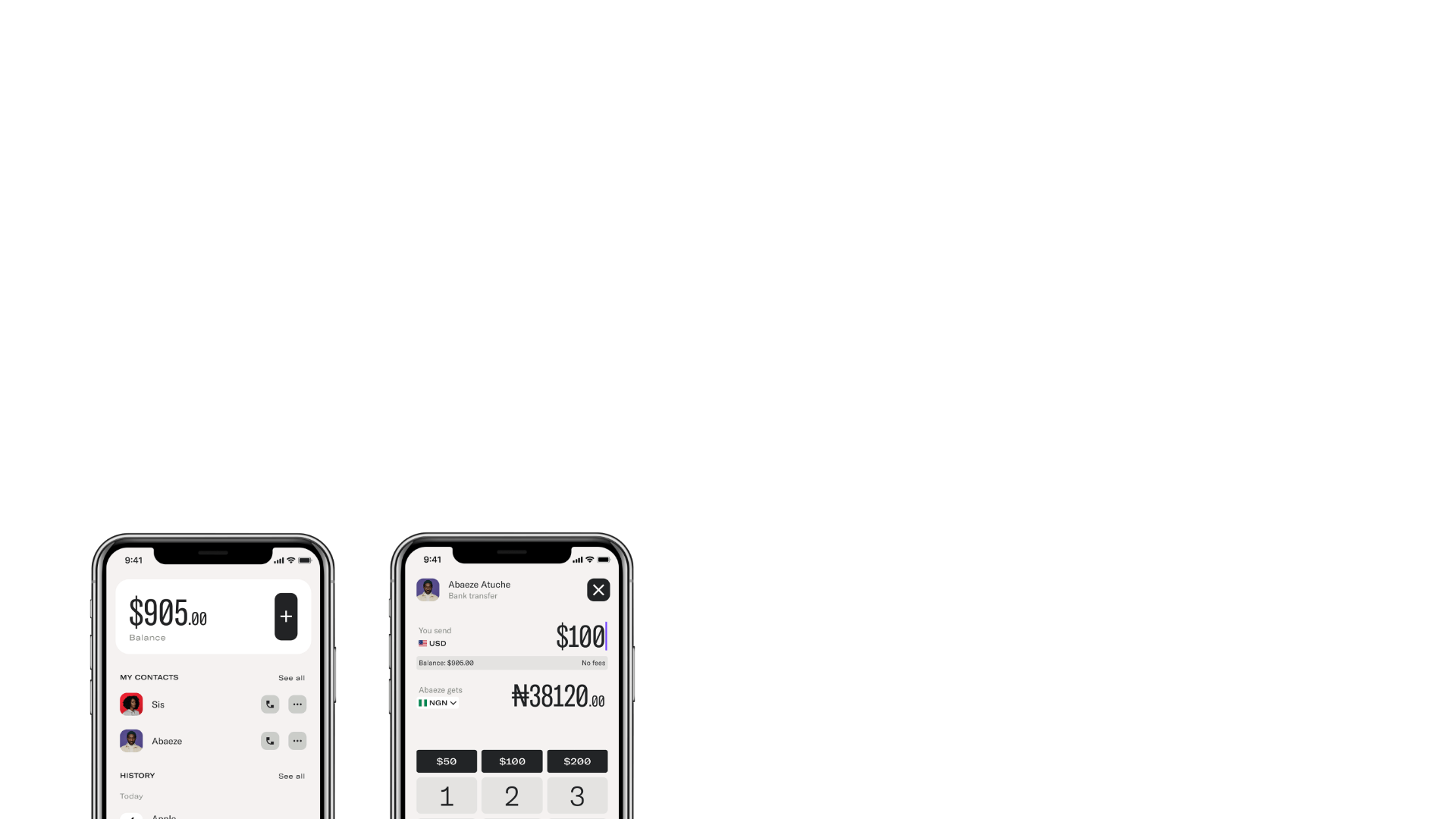
Magda Reyman Designer Portfolio
A minimalist portfolio layout featuring a fixed hero intro, absolute-positioned mobile UI mockups, and a distinctive high-contrast footer with rounded interaction buttons.
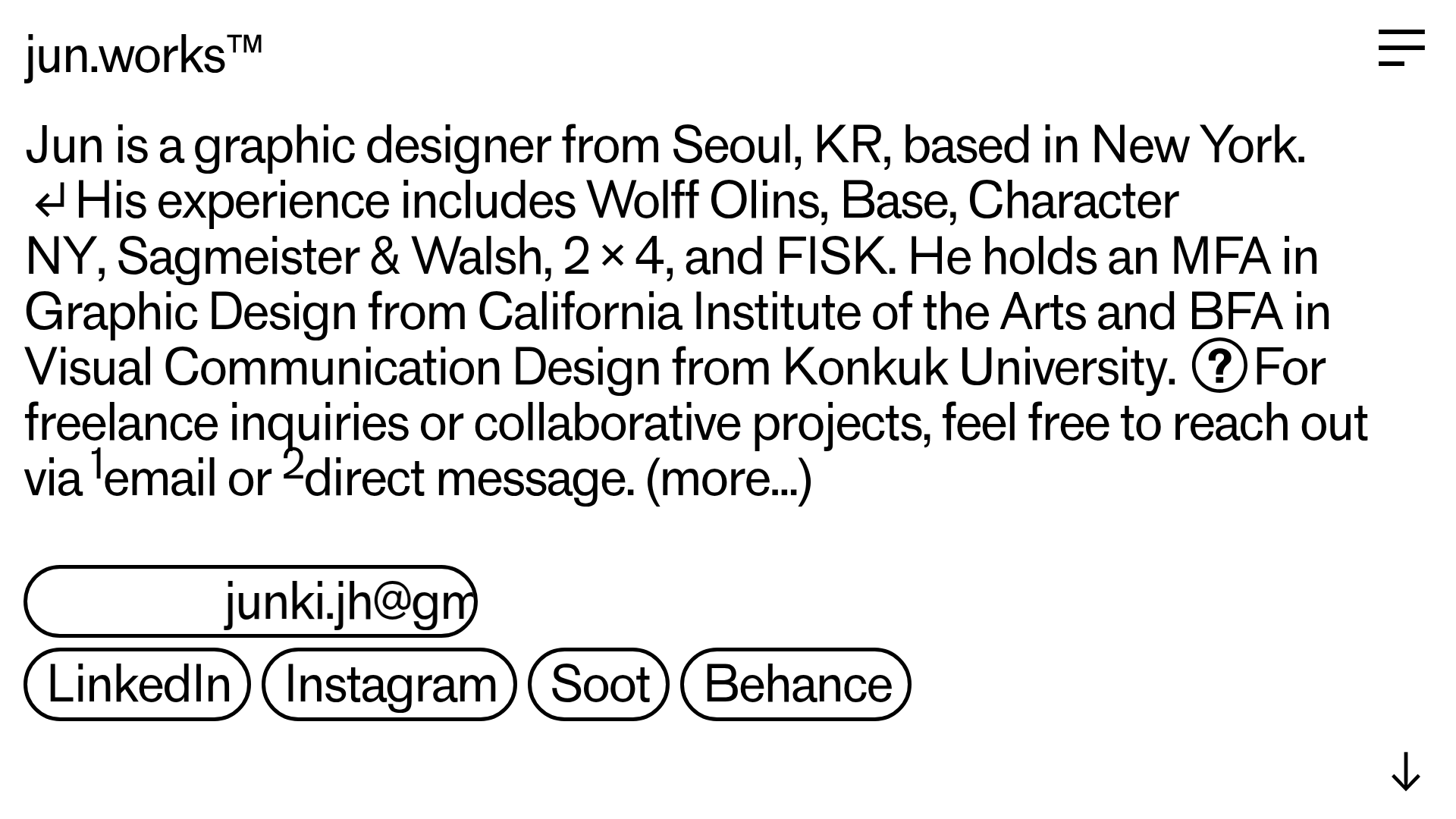
Jun Works Portfolio Landing Page
Minimalist graphic design portfolio featuring a text-heavy layout with image-on-hover tooltips, a pill-shaped marquee contact card, and a categorized hashtag tag cloud for project navigation.
Ekipa Agency Artist Roster Site
A minimalist agency portfolio featuring a dynamic block-based logo, colorful background transitions, and a hover-activated image preview grid for an artist roster.
