Desktop.fm 3D Hero Landing Page
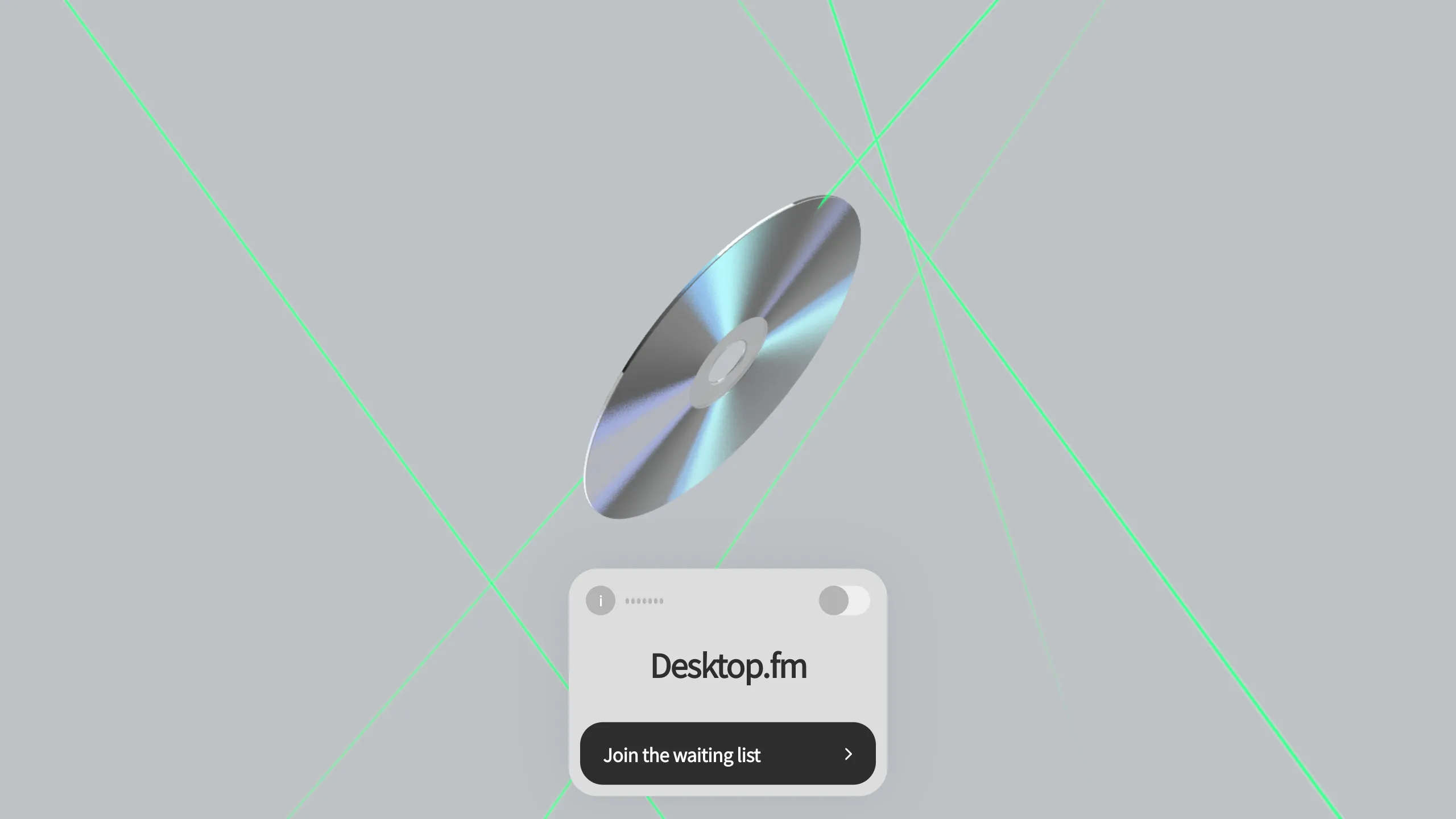
An interactive landing page featuring a Three.js canvas with 3D models and a glassmorphic floating modal containing a custom toggle switch and soundwave animation.
Overview
This landing page is a high-impact creative showcase that utilizes a Three.js canvas to render a 3D metallic disc with dynamic green laser interactions. It serves as a premium reference for builders looking to merge immersive WebGL graphics with a minimalist, glassmorphic UI overlay. The design is ideal for projects wanting to establish an aesthetic of technical sophistication and high-end digital craftsmanship.
Design System
- Color Palette & Visual Hierarchy: The site uses a neutral monochromatic base (off-white/grey backgrounds) to make the metallic shaders and vibrant neon green (#00FF00) laser lines pop. The primary CTA is high-contrast black, drawing the eye immediately to the conversion point.
- Typography: The layout features a clean, geometric sans-serif typeface (likely Inter or a similar modern grotesque). The scale is intimate, with a large bold title ("Desktop.fm") centered in the modal to establish brand identity.
- Page Structure: The site is constructed as a single-view app. The core structure consists of a full-screen
<canvas>for the 3D scene, layered behind a centered.landing-card-containerthat houses the main interaction points. - Reusable Components:
- Glassmorphic Modal: A fixed-size container (280px x 200px) with soft rounded corners and a subtle backdrop filter.
- Custom Toggle: An iOS-style flat switch (
switch--flat) for interactive state changes. - Animated Soundwave: A CSS-driven visualizer consisting of multiple vertical bars (
.line) that indicate active audio states. - Primary Button: A full-width dark-themed button with an integrated chevron icon and hover transition states.
- Interactions & Motion: The 3D disc tracks cursor movement or auto-rotates, while the green lasers intersect with the geometry in real-time. The UI uses a smooth opacity transition and a specific
translateYoffset to float the card into position. - Implementation Clues: The HTML reveals a Nuxt.js/Vue framework (
#__nuxt) structure. The 3D engine is powered by Three.js (r162), indicating a sophisticated rendering pipeline involving raycasting or custom shaders for the laser points.
Use Cases
- Who should clone this pattern: Developers building "coming soon" pages, portfolio sites for creative technologists, or landing pages for niche software tools where brand aesthetic is a primary differentiator.
- Effective Remixes: This UI can be effectively adapted for music player interfaces, VPN or system utility dashboards, and high-fidelity crypto/NFT project showcases.
- Practical Remix Directions:
- Asset Swap: Replace the 3D disc with a different GLTF/GLB model (e.g., a hardware device, jewelry, or an abstract logo) to change the product context.
- Modular Extraction: Reuse only the glassmorphic modal and soundwave animation as a floating music player or "Now Playing" widget for an existing dashboard.
- Functional Toggle: Map the custom switch to toggle accessibility modes or theme variations (Light/Dark) across a site.
- Suggested Clone Scope: This is best as a quick, full-page clone to preserve the spatial relationship between the 3D background and the floating UI card.
Related Inspirations
Rocc Naturals Video Landing Page
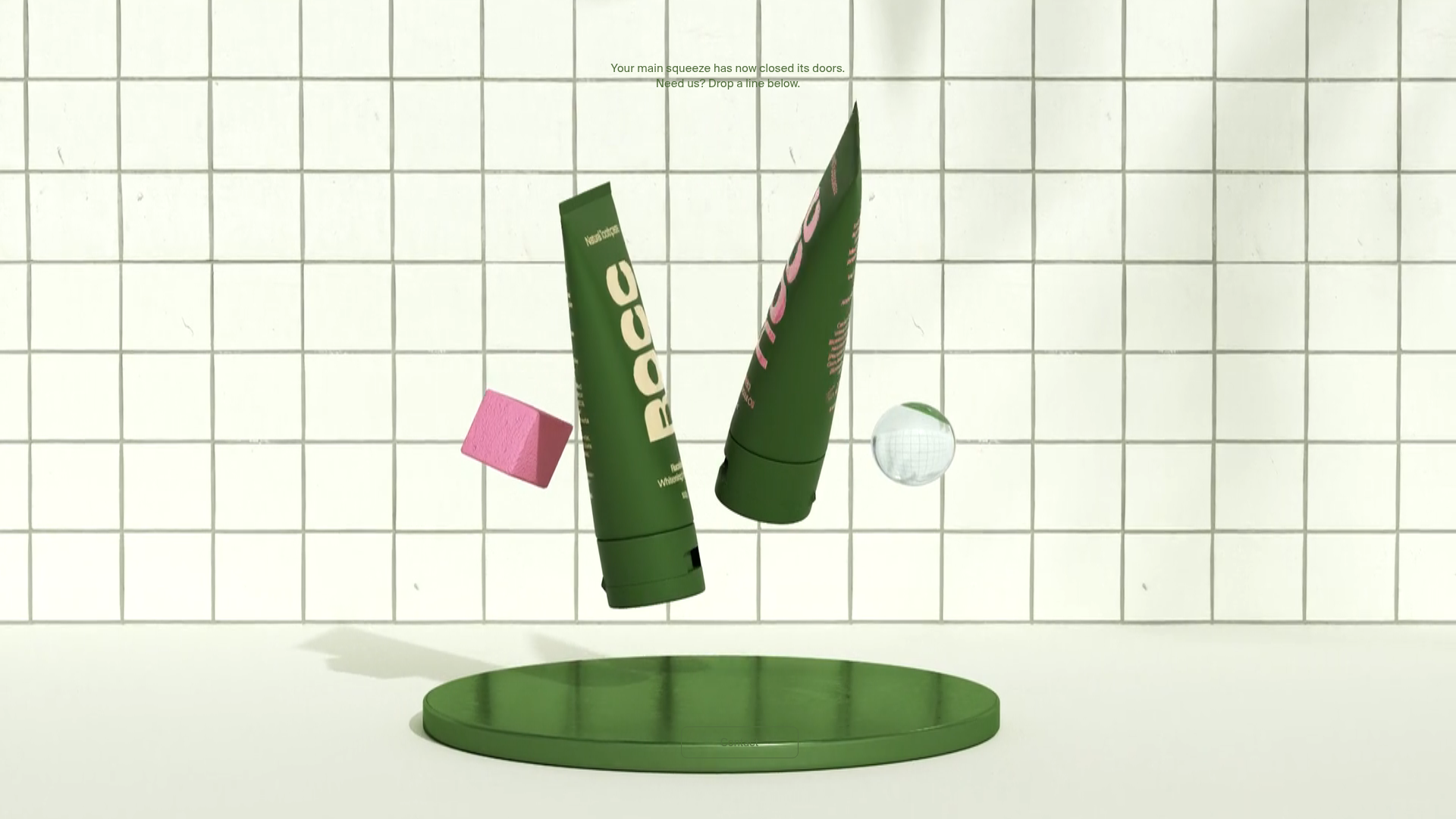
A minimalist Gatsby landing page featuring a full-screen background video loop, floating product elements, and an overlay contact form.
Relief App Debt Management Landing Page
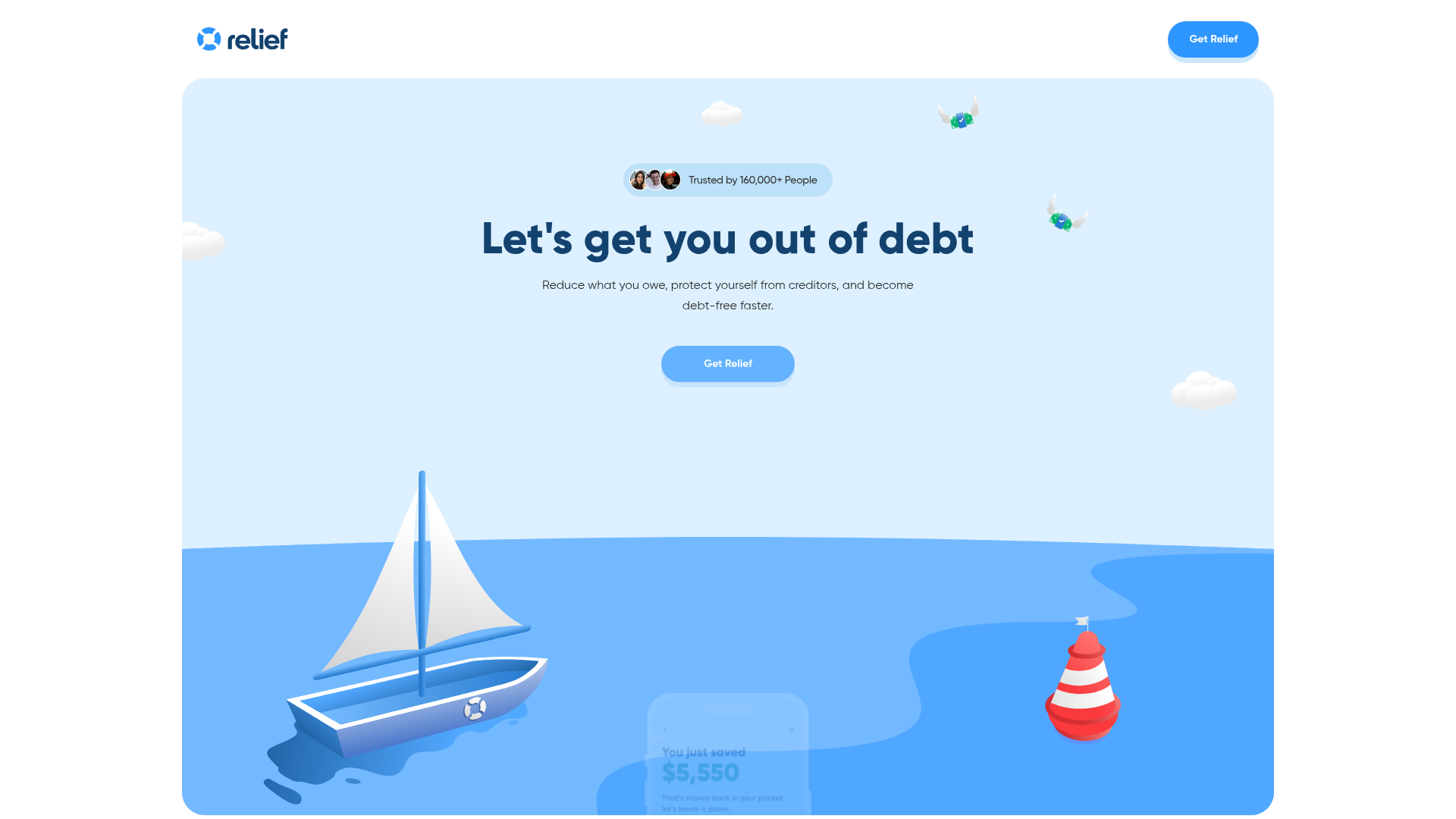
A clean fintech landing page featuring an animated SVG hero, marquee testimonial cards, bento-style feature sections, and a structured FAQ accordion.
Cash App Families Landing Page
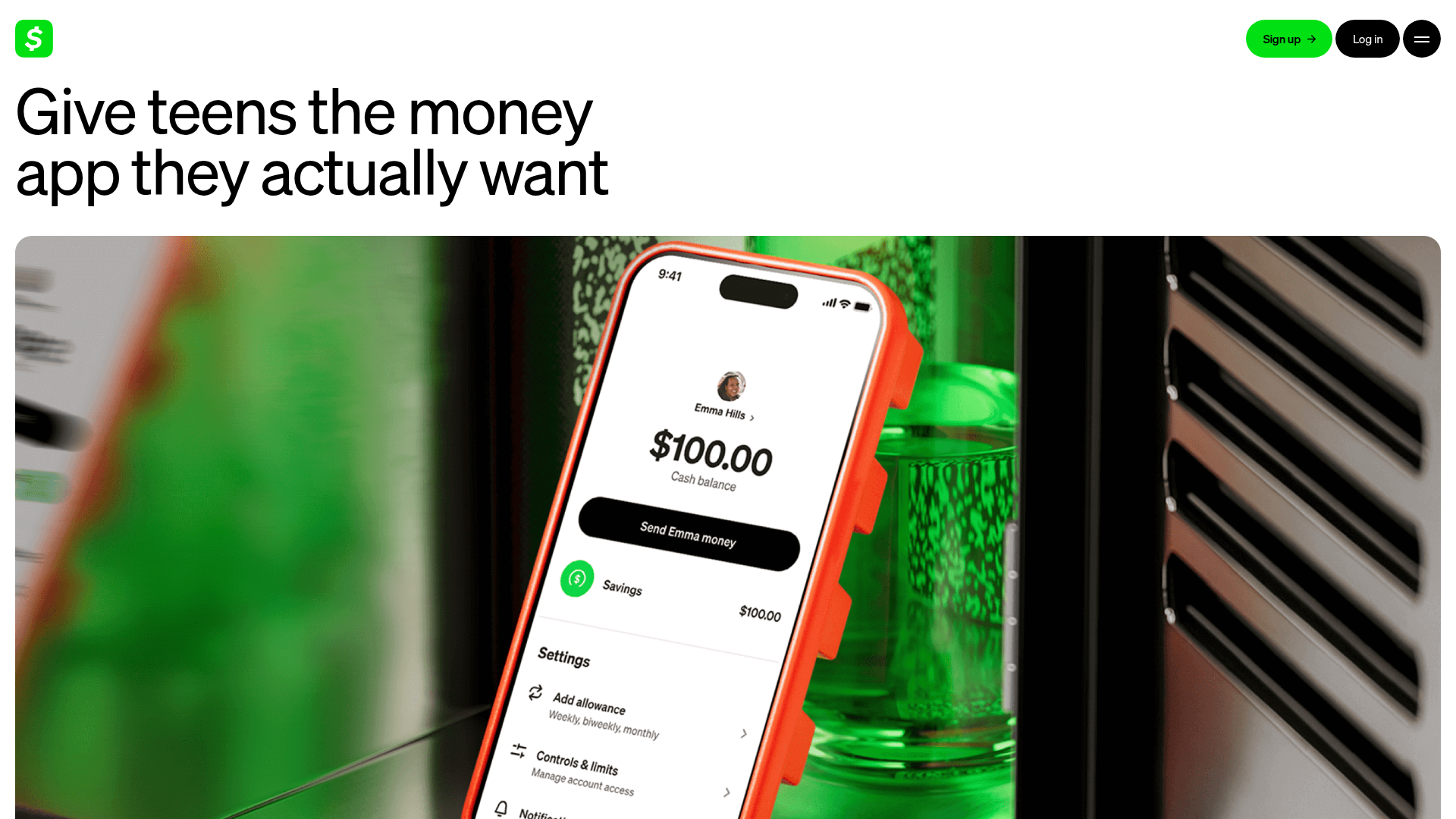
A financial services landing page featuring a minimalist high-contrast hero, flexible bento-style feature grids, an accordion-based FAQ, and a clean three-column card layout.

Honk Real-time Messaging Landing Page
A minimalist landing page featuring a vibrant blue background, animated typography, and a central interactive phone-mockup component for mobile interface display.
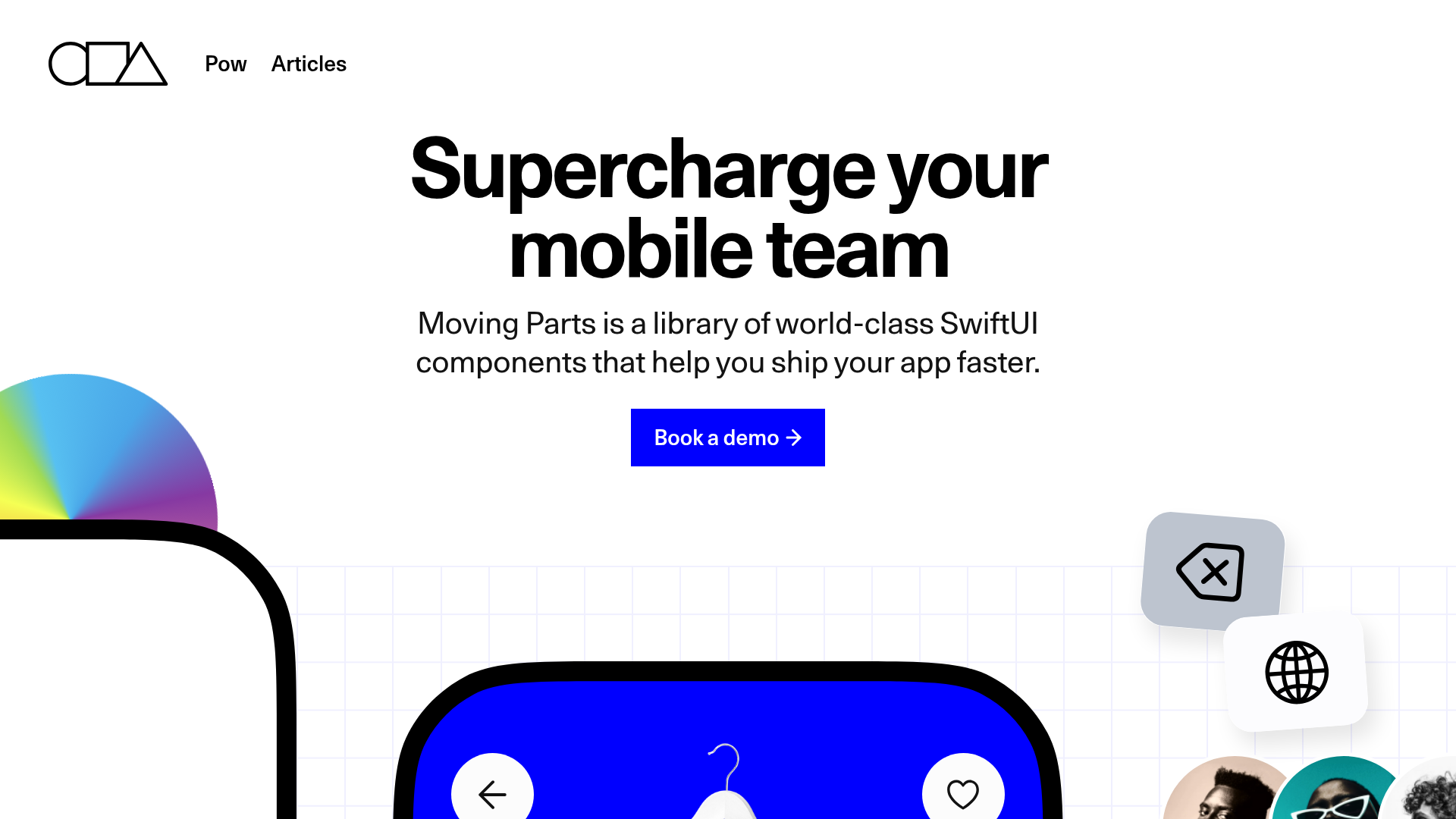
Moving Parts SwiftUI Component Library
A high-performance landing page featuring a interactive code comparison toggle, animated mobile UI previews, and a clean minimalist aesthetic for developer tools.
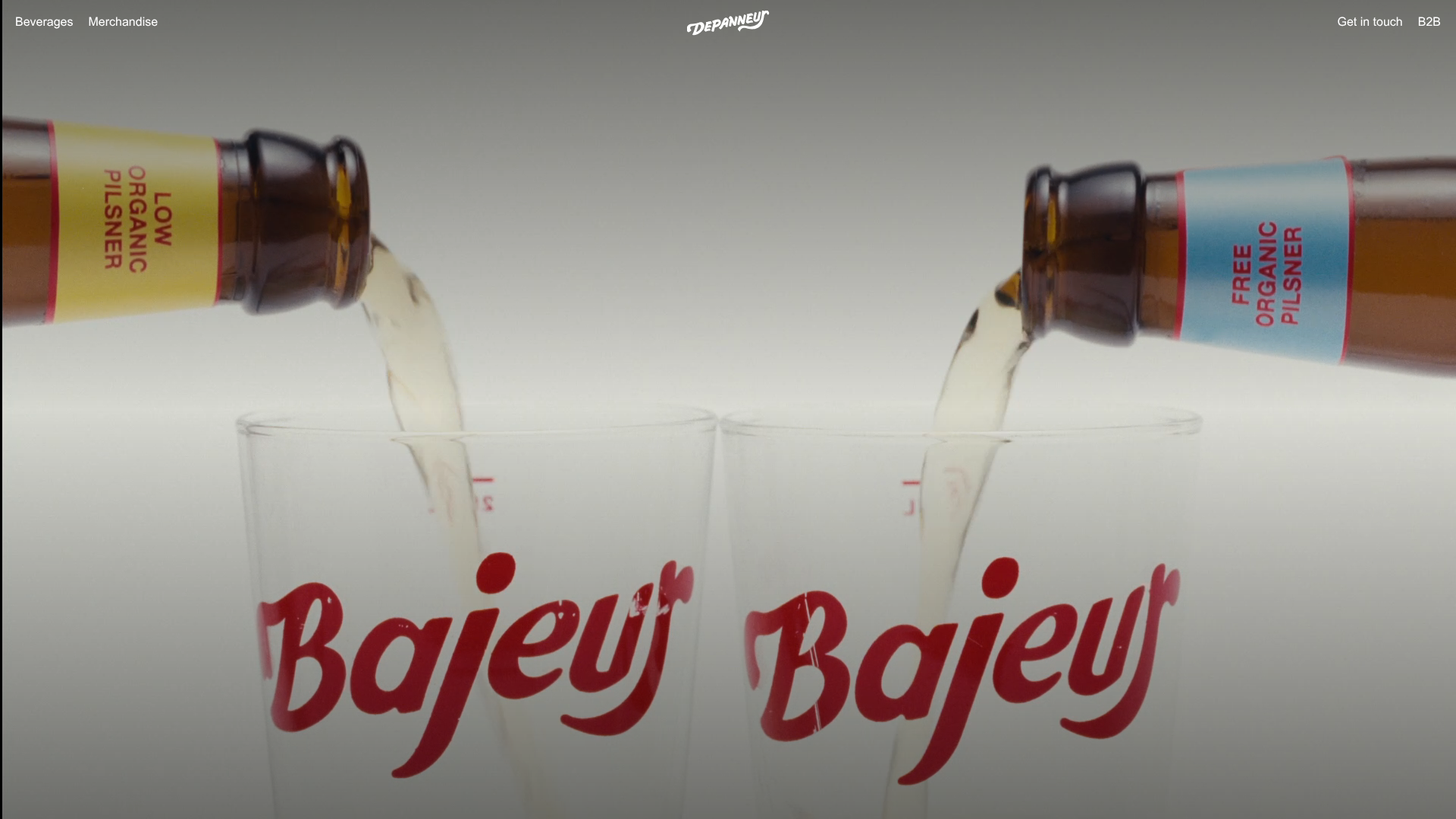
Depanneur Beverage E-commerce Hero
A minimalist Shopify storefront featuring a full-screen background video hero, sticky translucent navigation, and integrated mobile menu components.
