Atlas Card Scroll-Driven Landing Page
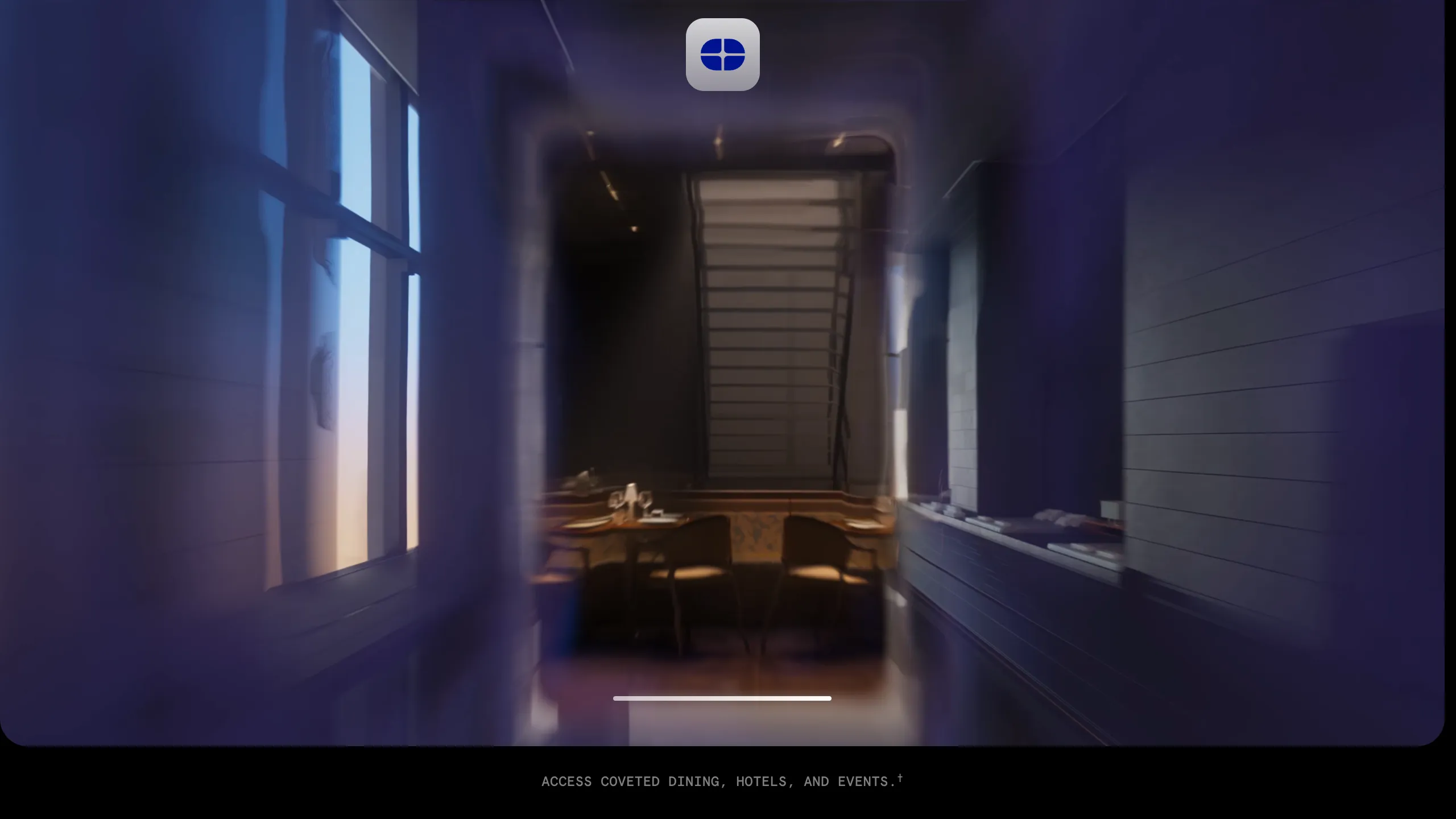
A high-end dark mode layout featuring immersive video-driven storytelling, parallax image sections, scroll-triggered Lottie animations, and custom modal dialog components.
Overview
This landing page is a masterclass in high-end, dark-mode storytelling for premium services. It uses a scroll-driven architecture to blend large-scale cinematic video with minimalist typography, making it an excellent reference for builders wanting to create an "exclusive" or "luxury" digital brand presence.
Design System
- Color Palette & Visual Hierarchy: The site uses a deep black background (
bg-black) paired with neutral grays (text-neutral-500,bg-neutral-400). High-contrast white is reserved for primary headers, while a sophisticated gold/brass gradient effect (text-gradient) is applied to key slogans to create a "metal" feel reflecting the physical card product. - Typography System: The system uses a multi-layered scale from
font-title-1for hero statements tofont-legalfor small-print footnotes. It favors wide letter-spacing and varying font weights to denote section changes rather than decorative elements. - Page Structure: The flow starts with an immersive hero video, followed by a "parallax-picture" series that transitions into detailed feature sections. Each feature section (Dining, Hotels, Concierge) follows a repeatable pattern: a large title, a paragraph description, a parallax image, and a technical spec table.
- Reusable Components:
- Glass Menu: A floating, translucent navigation hub (
glass svelte-1g70ngn). - Technical Specs: Bordered list items with title and description separated by horizontal rules (
h-px w-full bg-neutral-400). - Dialog Modals: Custom
<dialog>elements triggered byDialogButtoncomponents for deep-dive information without page redirects. - Progress Indicators: Scroll-synced pagination dots and a video progress bar.
- Glass Menu: A floating, translucent navigation hub (
- Interaction & Motion: The site relies heavily on scroll triggers. Patterns include
transition--fade-upfor text entry and parallax transitions on images. Lottie animations are used for technical demonstrations (e.g., interactive maps and app UI walkthroughs). - Implementation Clues: Built using Astro with Svelte islands for interactivity. Tailwind CSS is used for layout and spacing, with specific data-attributes (
data-astro-cid) managing component-level styling.
Use Cases
- Who should clone this: Fintech startups, luxury concierge services, or high-end hardware/product manufacturers who need to justify a premium price tag through storytelling.
- Remix Directions:
- Physical Products: Swap the card imagery for luxury watches, vehicles, or high-end furniture, maintaining the "Tech Specs" list for product details.
- SaaS: Adapt the "App" section and Lottie containers to showcase software dashboards while keeping the cinematic hero video for brand positioning.
- Service Business: Use the "Concierge" text-conversation Lottie pattern to demonstrate customer support or white-glove service flows.
- Clone Scope:
- Full-page: Best for 1:1 luxury brand launches where the narrative flow is critical.
- Sectional: Specifically the "Parallax Image + Technical List" pattern, which is highly effective for converting product features into a visual experience.
Related Inspirations
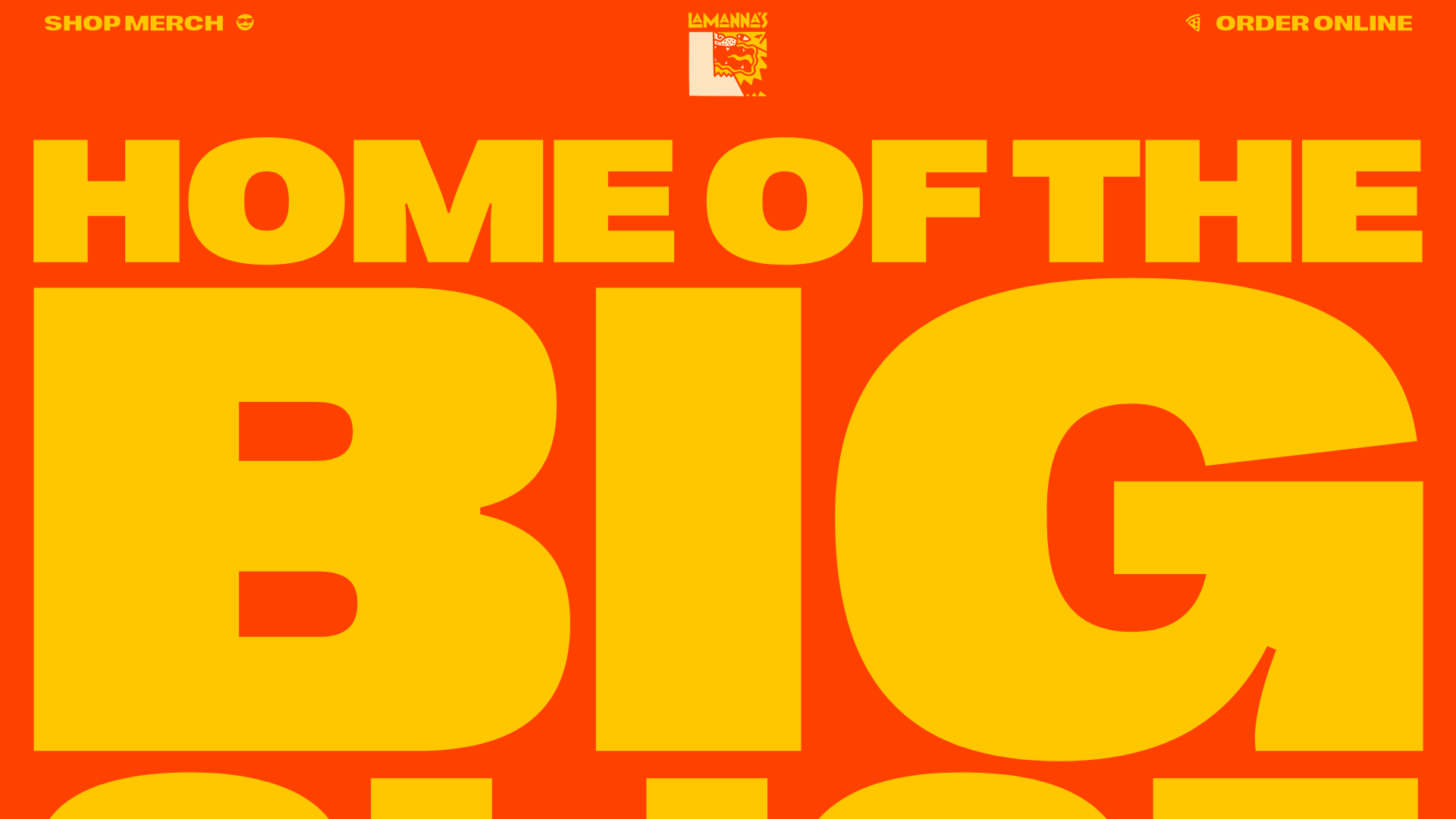
Lamanna's Bakery Vibrant Landing Page
A bold, high-contrast Italian bakery site featuring massive typography, parallax floating elements, marquee banners, and a flickity-powered product carousel.
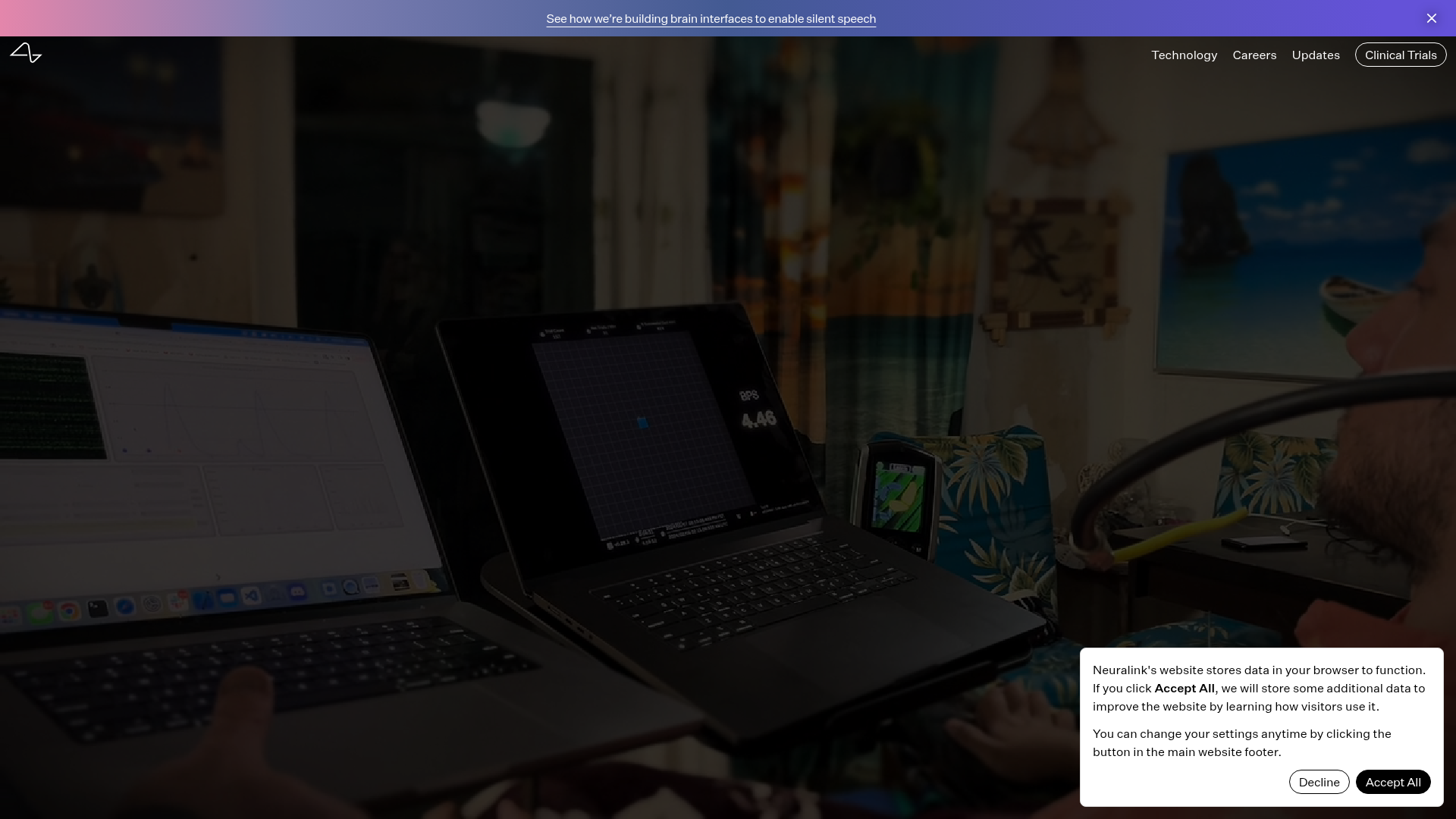
Neuralink Brain Technology Landing Page
A high-tech medical landing page featuring an immersive video hero section, typewriter animation effects, and a custom swiper carousel with integrated video testimonials.
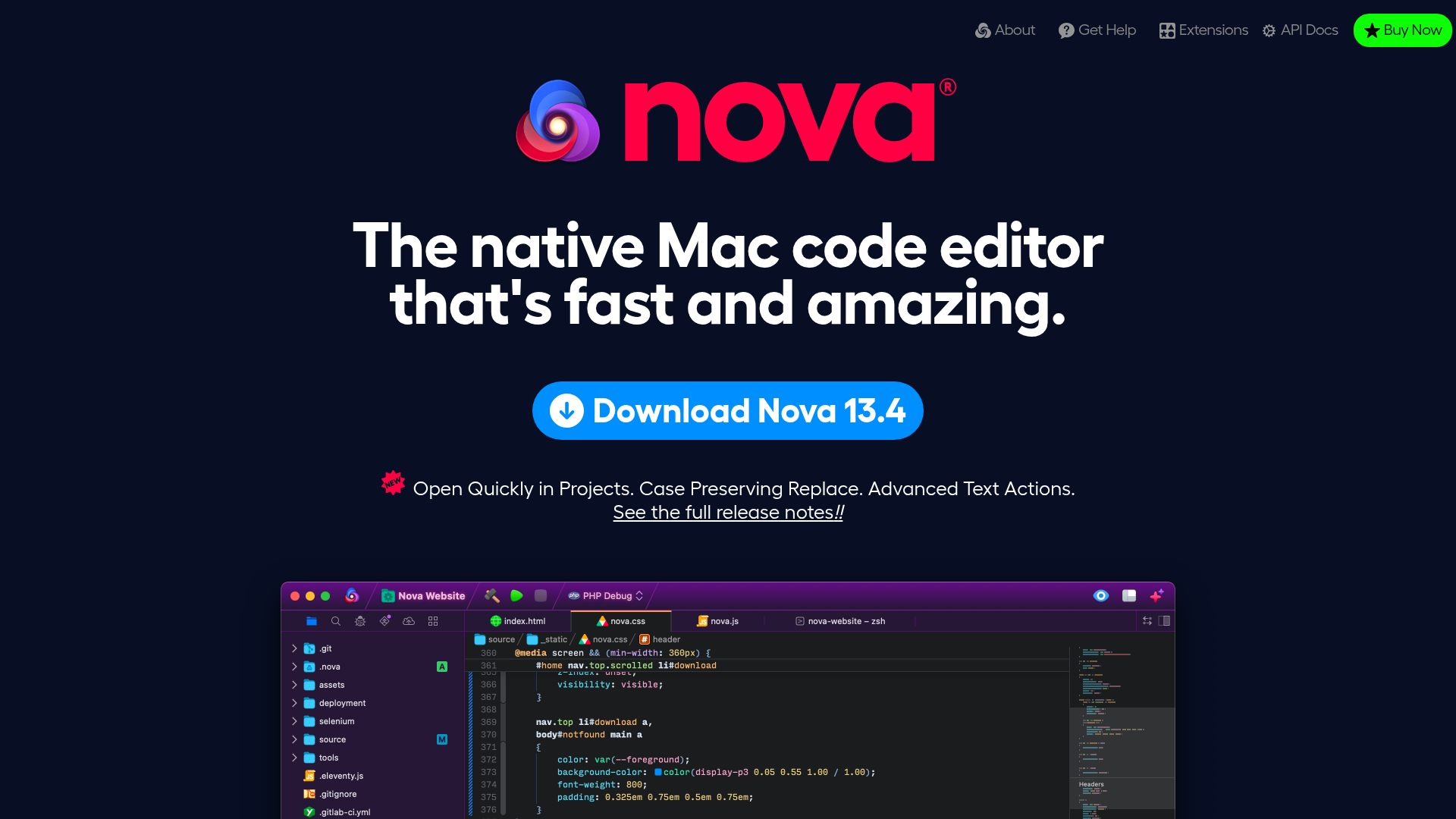
Nova Code Editor Product Landing Page
Dark-themed landing page featuring a starfield background, a flexible feature grid, interactive tabbed preference menus, and stylized product screenshot showcases with hoverable hotspots.
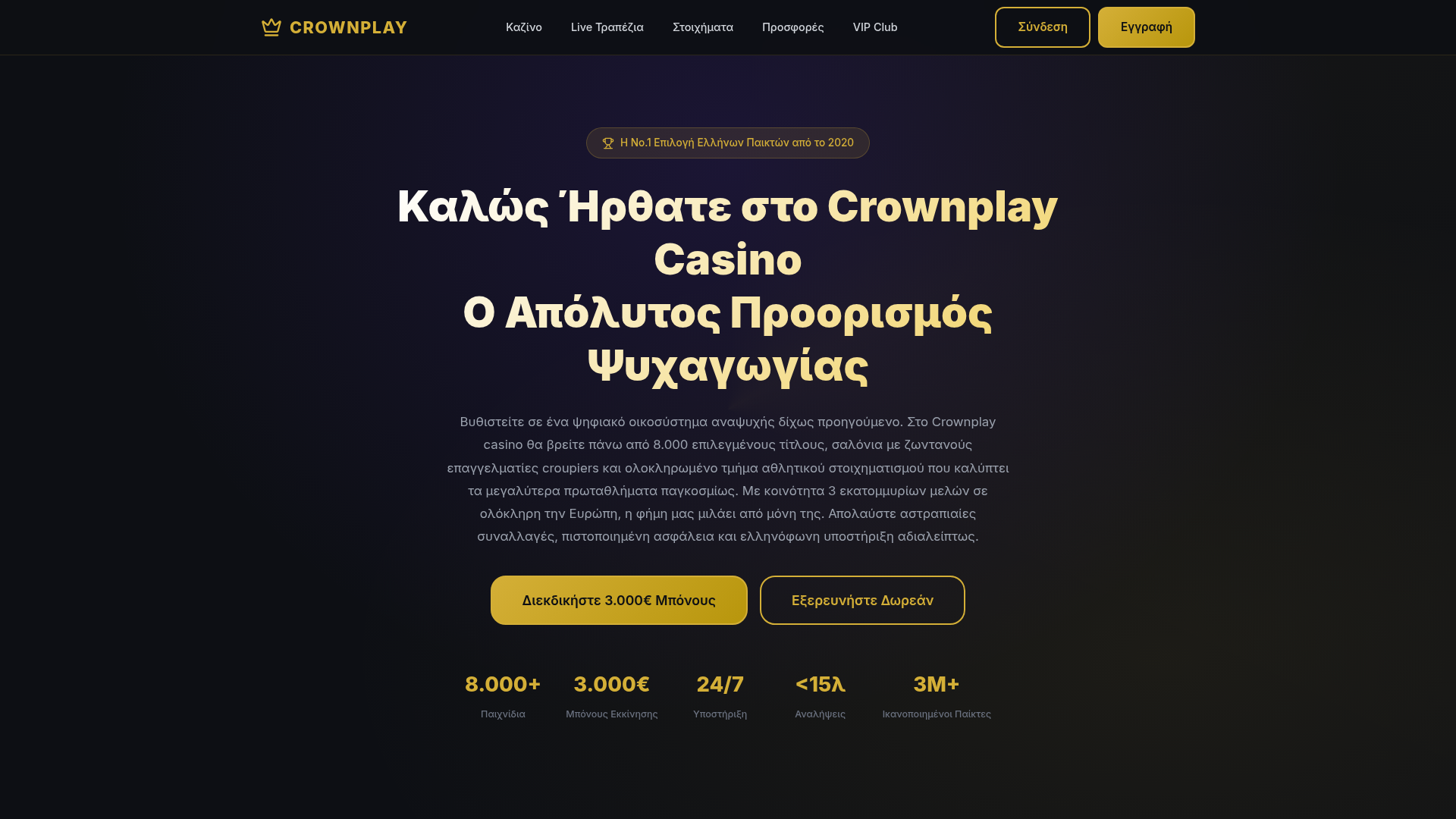
Crownplay Casino Landing Page
A luxury-themed dark mode landing page featuring a center-aligned hero section, value proposition counters, and a high-contrast call-to-action button layout.
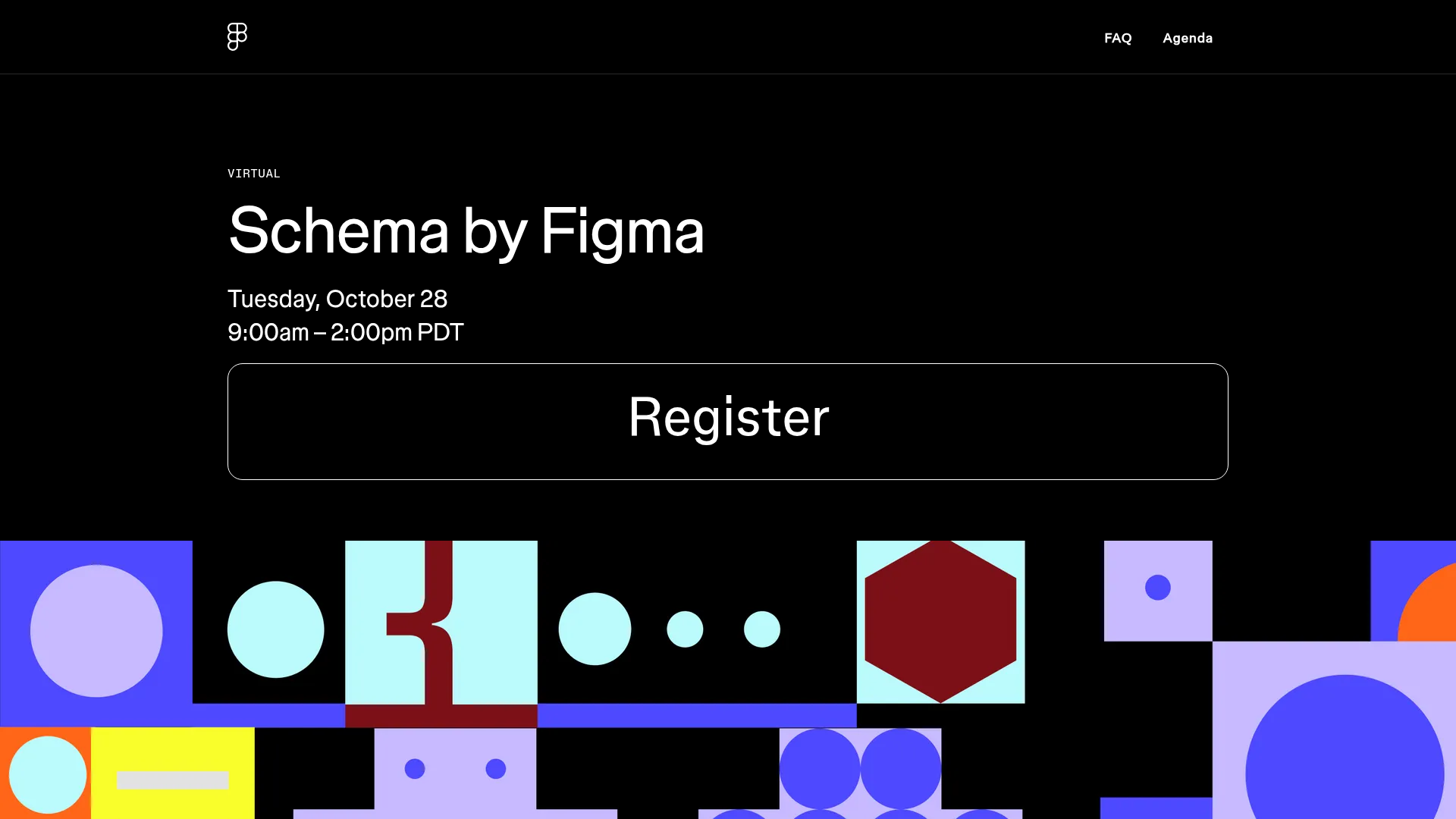
Schema by Figma Event Landing Page
A dark-themed virtual event landing page featuring a minimalist header, high-contrast typography, and a geometric abstract footer design.
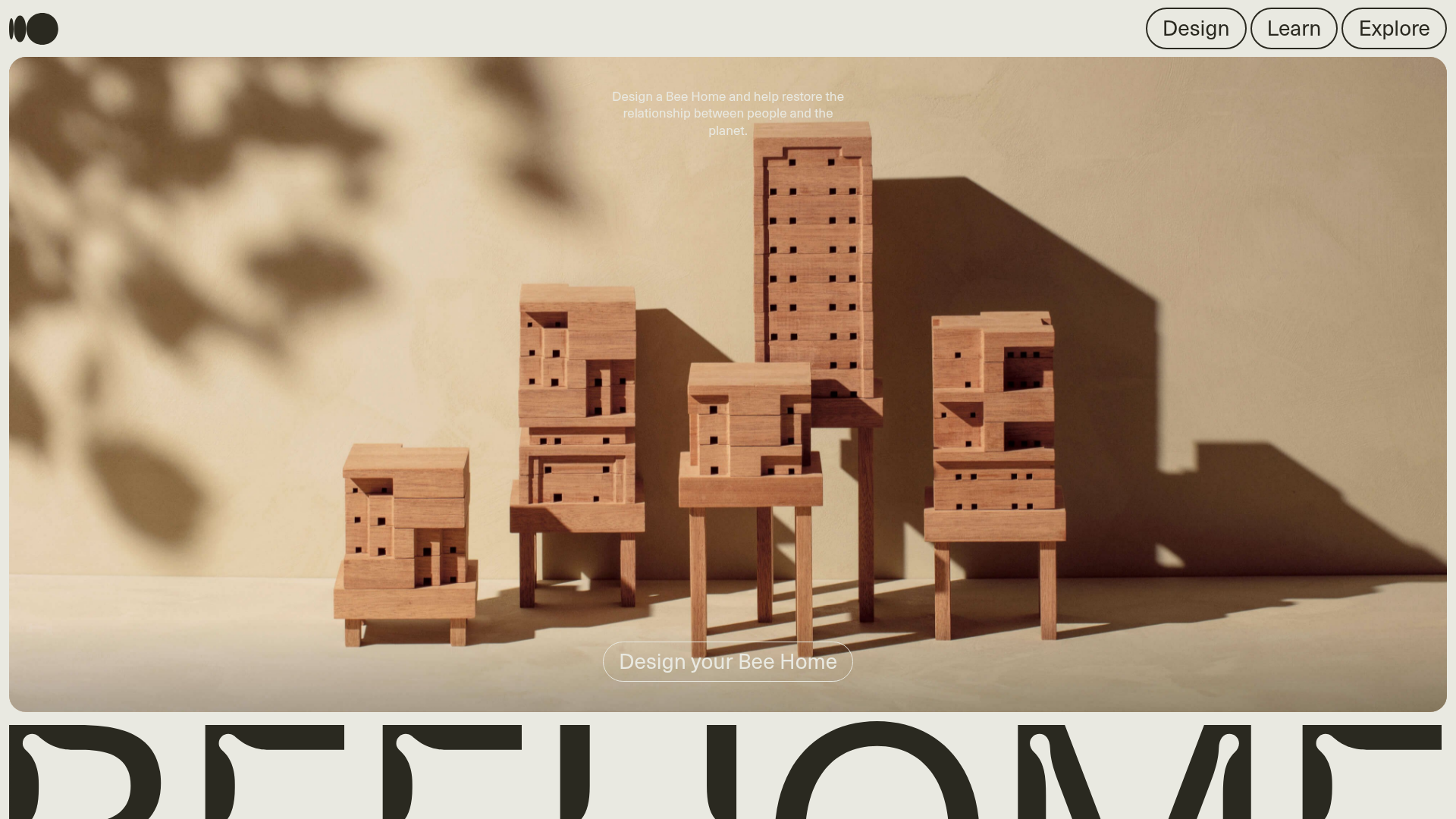
Bee Home Modular Design Landing Page
A minimalist landing page featuring an animated hero section, custom typography, and a modular component architecture built with Gatsby and Emotion CSS.
