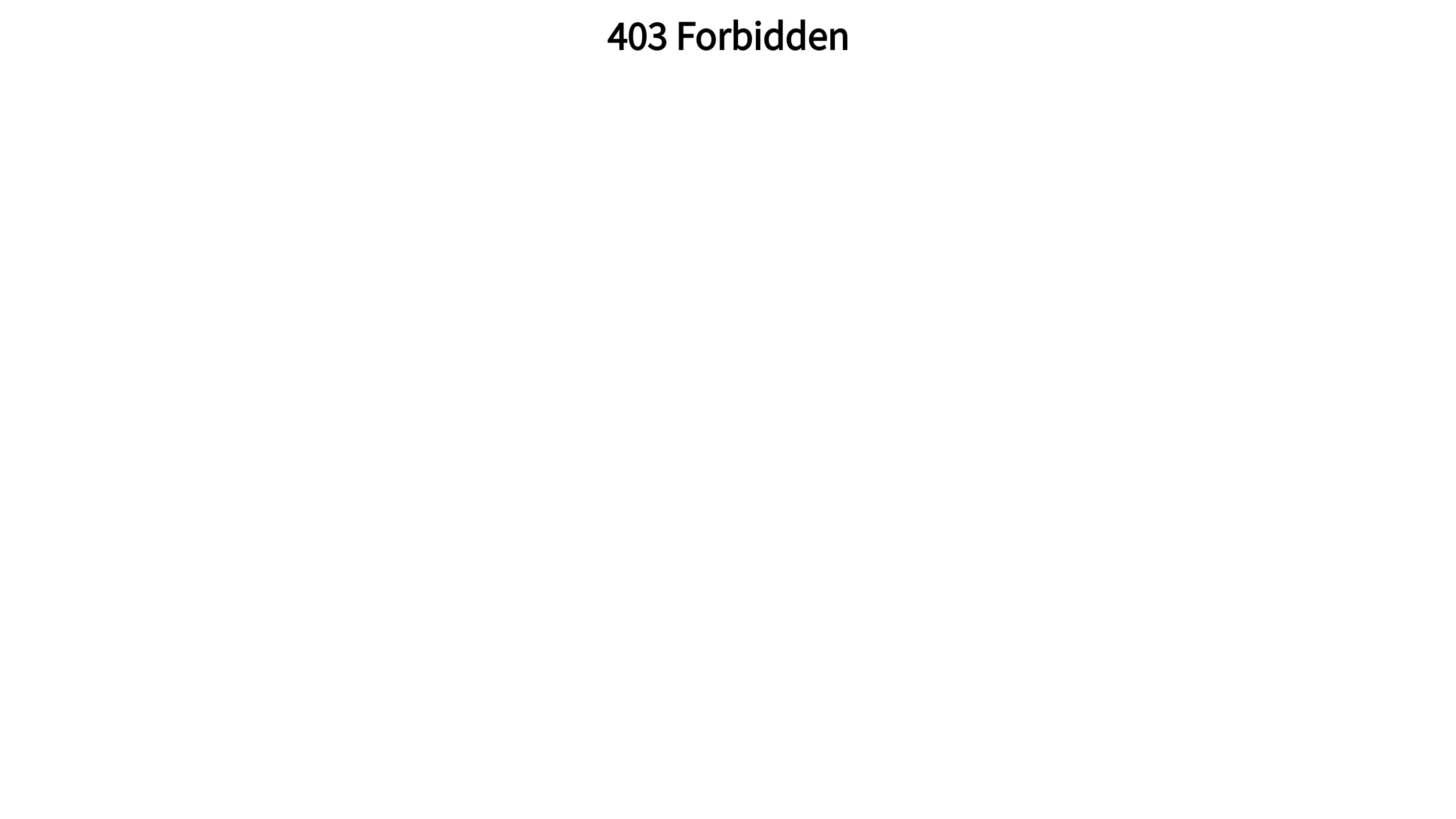
403 Forbidden Access Page
A minimalist, centered HTTP 403 error status page layout suitable for clean and simple server-side response templates.
Overview
This is a minimalist HTTP 403 Forbidden access page that serves as a baseline example of server-side error handling responses. It is a strong reference for builders who need to implement high-performance, low-latency utility pages that prioritize message clarity over aesthetic complexity.
Design System
- Color Palette and Visual Hierarchy: The system uses a high-contrast, binary palette consisting of a pure white background (
#FFFFFF) and black text (#000000). The visual hierarchy is extremely flat, focusing entirely on a single line of text. - Typography System: The design employs a standard sans-serif system font stack. The heading is rendered as an
<h1>element, providing semantic emphasis and a large scale relative to the white space. - Page Structure and Section Flow: The layout utilizes a simple
<center>wrapping for the primary heading. It is a single-section layout with the content vertically balanced at the top of the viewport. - Reusable Components: The core component is the centered header block, which can be reused for any server-side status code (404, 500, etc.).
- Responsive/Mobile Behavior: Due to the simplicity of the text and the lack of fixed-width containers, the layout is natively responsive and will wrap or center appropriately on all screen sizes.
- Implementation Clues: The HTML uses legacy semantic tags like
<center>for alignment, indicating a dependency-free, raw HTML approach suitable for Nginx or Apache default error templates.
Use Cases
- Who should clone this pattern: Backend developers and DevOps engineers needing a lightweight default page for server-level access denials.
- What products can remix it effectively: Any web application requiring generic, non-branded error states to minimize data transfer overhead.
- Practical remix directions: Replace the black text with brand-specific hex codes, add a "Return Home" anchor link, or wrap the heading in a flexbox container for better vertical centering.
- Suggested clone scope: Quick section clone. The single line of code can be integrated into broader error-handling middleware or global CSS stylesheets.
Related Inspirations
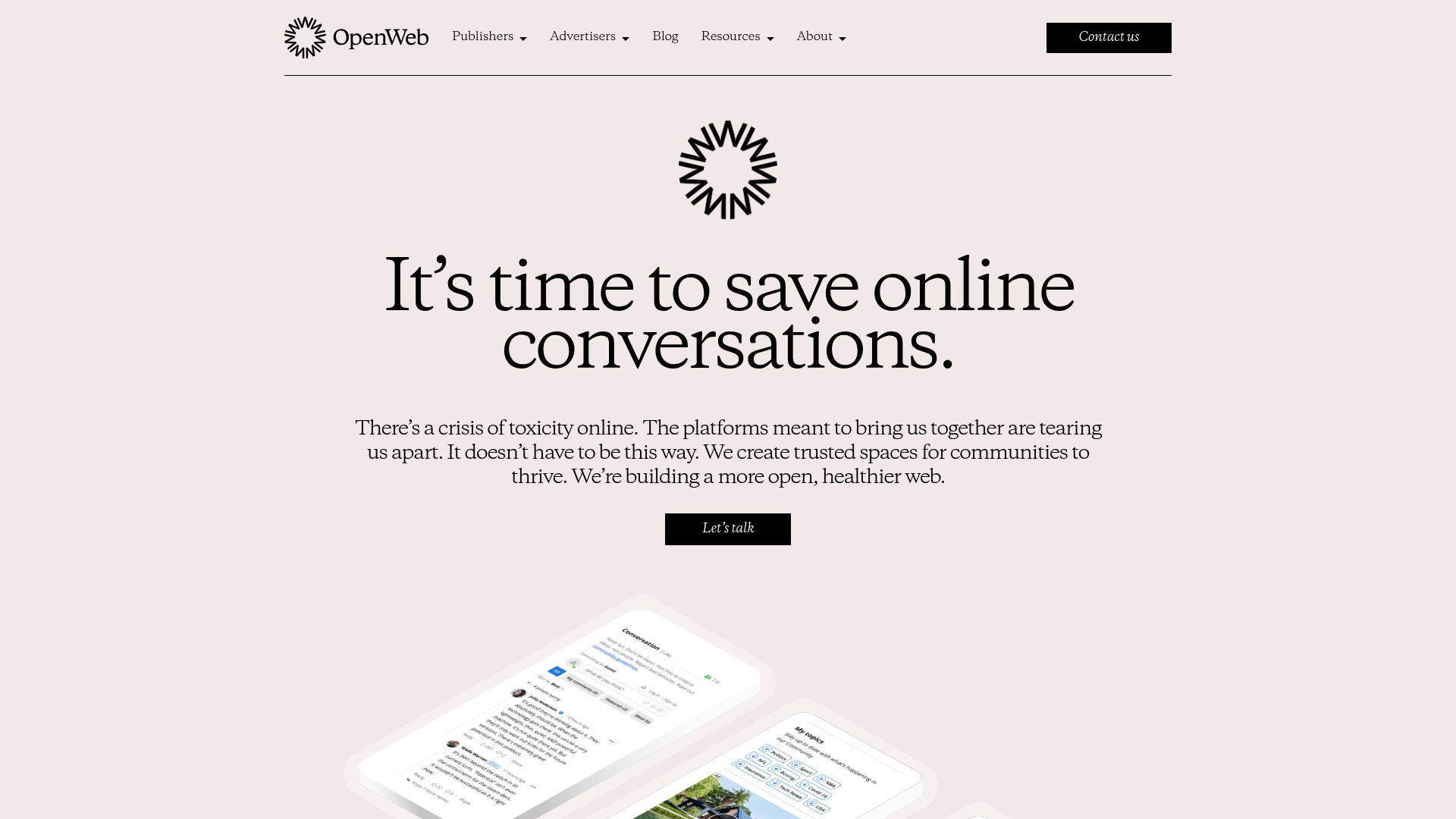
OpenWeb B2B Service Landing Page
A professional landing page layout featuring a central animated hero area, data visualization counters, a client logo grid, testimonial slider, and tabbed lead generation forms.
Minimal Animated Success Landing Page
A clean, centered confirmation screen featuring a large green icon, a bold heading, and smooth fade-in entry animations.
Nonymous Coming Soon Placeholder Page
A minimalist blank landing page featuring a simple 'Coming soon' text layout suitable for basic domain parking or initial placeholder deployment.
Firebase Hosting Site Not Found
A minimal placeholder layout for 404 error states including a centered logo, numbered troubleshooting guide, and linked utility text.
BlueYard Minimal Logo Splash Page
A terminal-style minimalist loading screen featuring a centered logo block and a discreet bottom-aligned percentage progress indicator for high-end landing pages.
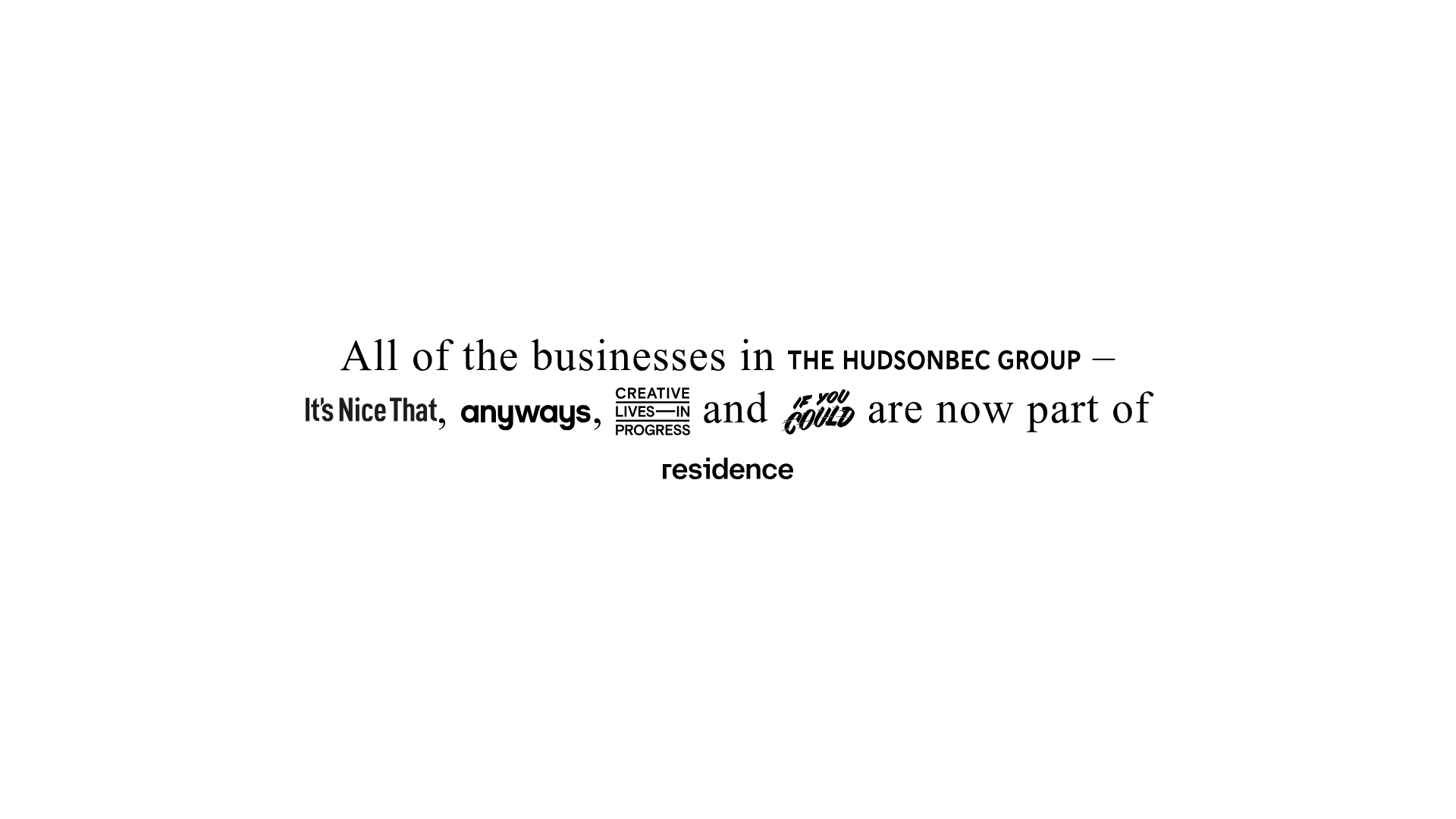
HudsonBEC Group acquisition landing page
A minimalist, typography-driven announcement landing page featuring a centered text hero and embedded brand logo SVG links.
