Onroadmap Directory Index Page
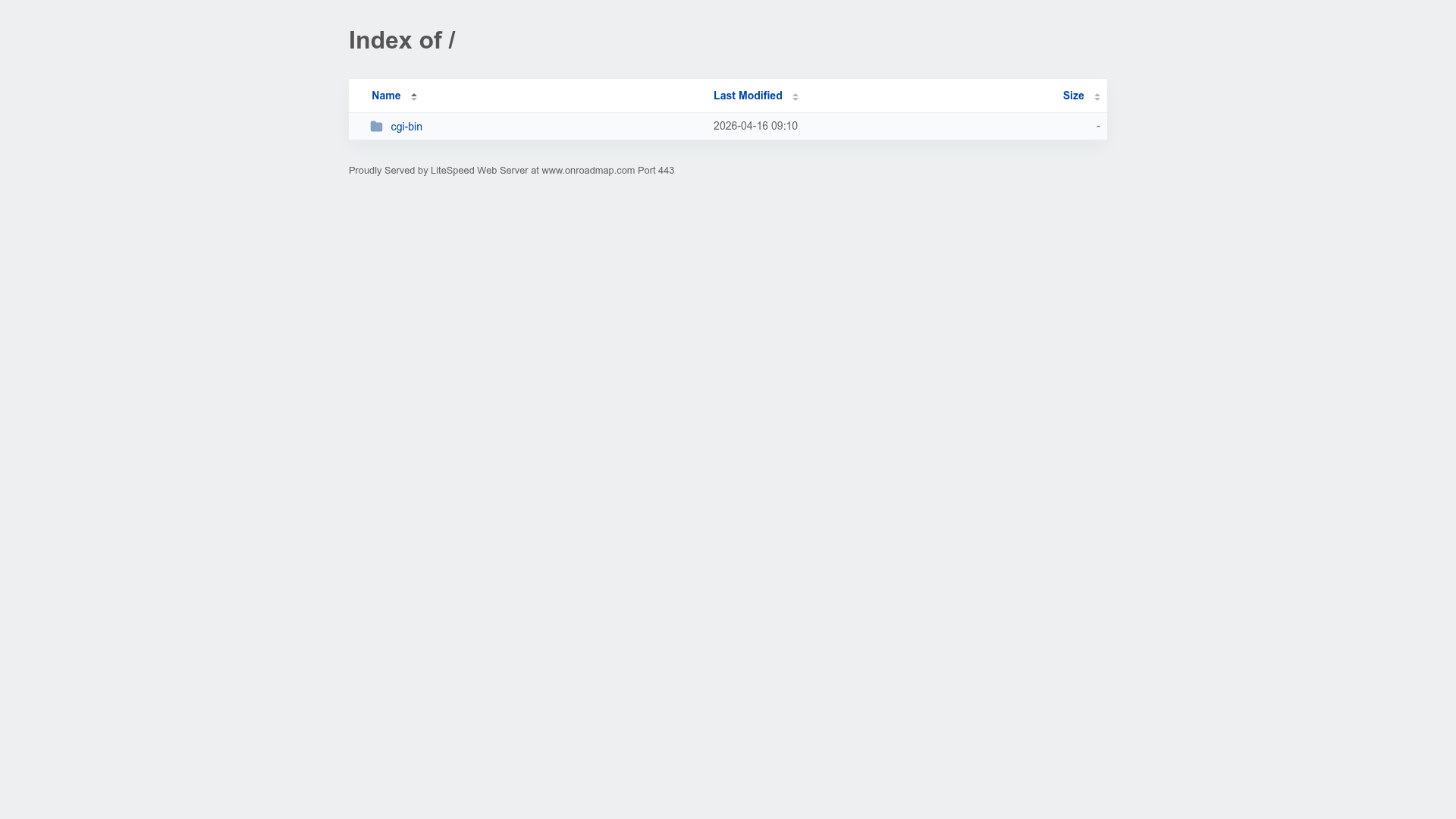
A minimal directory listing layout with a sortable table for file names, modification dates, and file sizes, served by LiteSpeed.
Overview
This website represents a classic, minimalist directory index page often used for file serving and public data repositories. It is a strong reference for utility-focused design, showcasing how to present tabular hierarchical data with maximum clarity and zero visual distraction. Builders should clone this to understand efficient layout density and the implementation of sortable data tables.
Design System
- Color Palette & Visual Hierarchy: The design uses a high-contrast, limited palette of greys, blue, and white. The primary background is a very light grey (
#f7f7f7), while the table header uses a subtle white background to create a clean separation. Links and icons utilize a vibrant blue for clear hit-areas, while body text and headings use#555for soft readability. - Typography System: The typography is a clean sans-serif system. It utilizes a bold h1 for the page title and standard weight for table content. Semantic emphasis is placed on columns via bold header text and blue hyperlinked file names.
- Page Structure & Section Flow: The layout follows a simple vertical stack: a centered container starts with an H1 "Index of /", followed by a full-width sortable table (
#table-list), and concludes with a thin, centered<address>footer. - Reusable Components: The primary component for reuse is the sortable data table. Key features include the header row with sort indicators (arrows) and rows that integrate SVG icons (like the
folder-fill.svg) directly with text labels. - Interaction Patterns: The HTML indicates sorting capabilities (
data-sort-method="number"), where clicking headers likely triggers a re-order of rows. Hover states are implied on the blue links to provide visual feedback for navigation. - Implementation Clues: The HTML shows a simple, semantic structure using standard
<table>,<thead>, and<tbody>tags. It relies on inline styles for basic color control and specific IDs like#table-contentfor layout management, suggesting a lightweight, framework-agnostic approach.
Use Cases
- Who should clone this pattern: Developers building internal file management systems, documentation browsers, or public open-source mirrors.
- What products can remix it effectively: Admin dashboards for log viewing, digital asset management (DAM) lists, or minimalist resource libraries.
- Practical remix directions: Swap the standard folder icons for custom branded SVGs, apply a modern CSS framework like Tailwind for styling the table headers, or add a search/filter bar above the table to manage larger datasets.
- Suggested clone scope: A full-page clone is recommended as the entire design system is contained within the single-table layout, making it an excellent boilerplate for data-heavy utility pages.
Related Inspirations
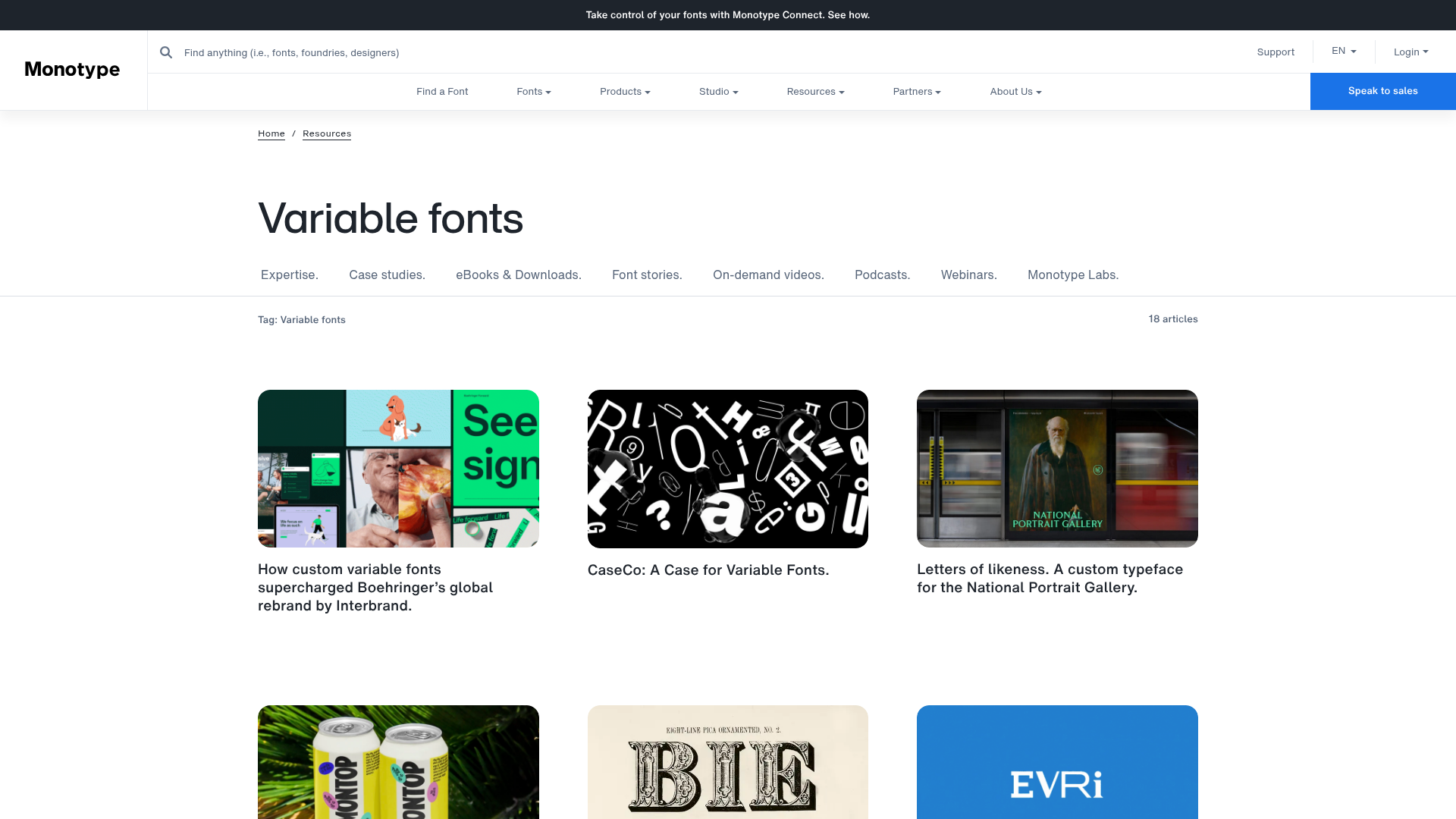
Monotype Variable Fonts Resource Gallery
A clean masonry grid layout featuring content cards with hover-state overlays, category filtering, and responsive image scaling for a media-rich resource center.
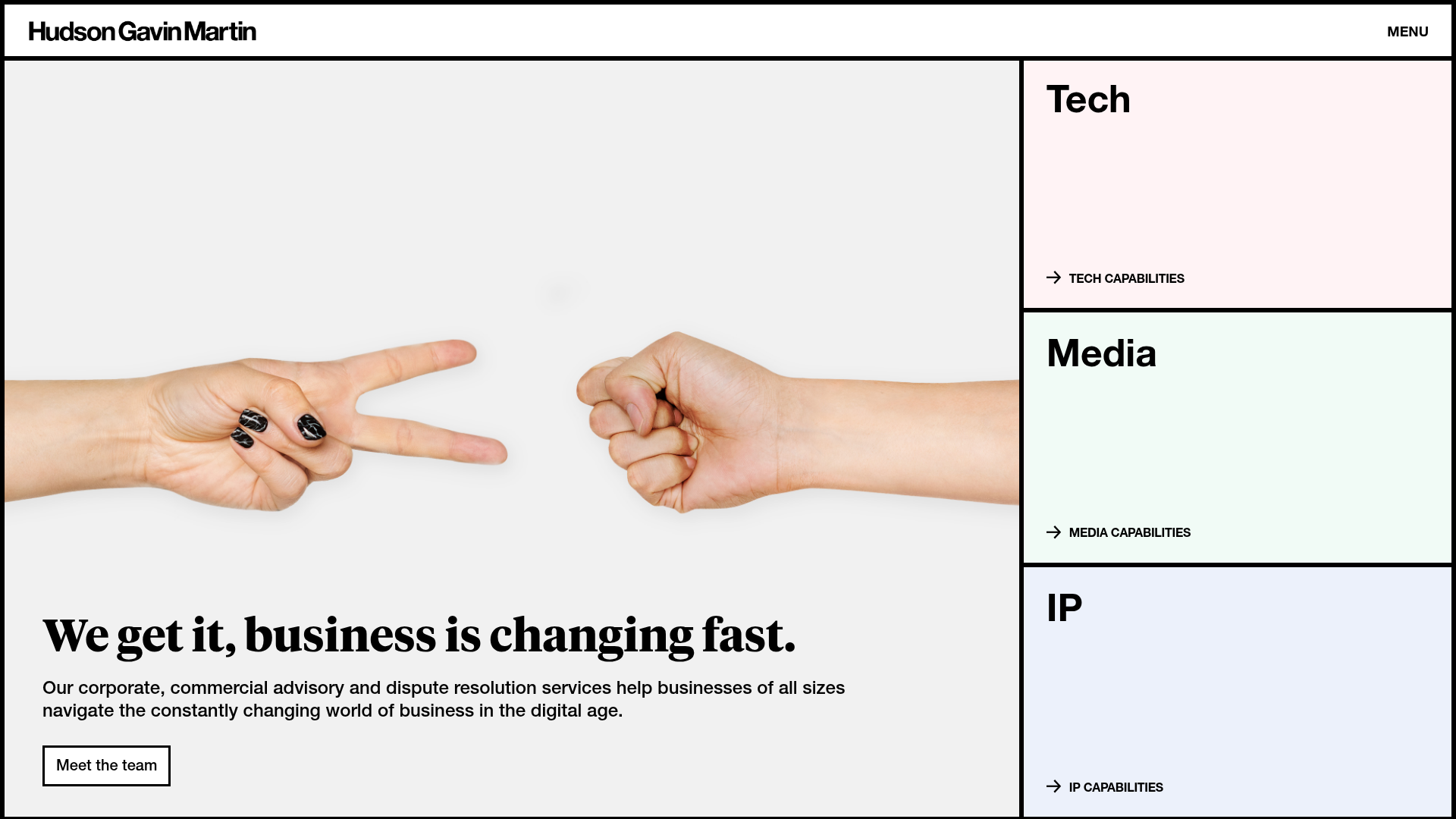
Hudson Gavin Martin Corporate Law Landing
A professional service homepage featuring a minimalist grid-based hero, color-themed navigation blocks, and a bento-style insights feed with subtle hover interactions.

Art in DUMBO Directory Portal
A minimalist gallery directory featuring high-contrast typography, image-heavy grid overlays, and a floating action button for interactive map navigation.
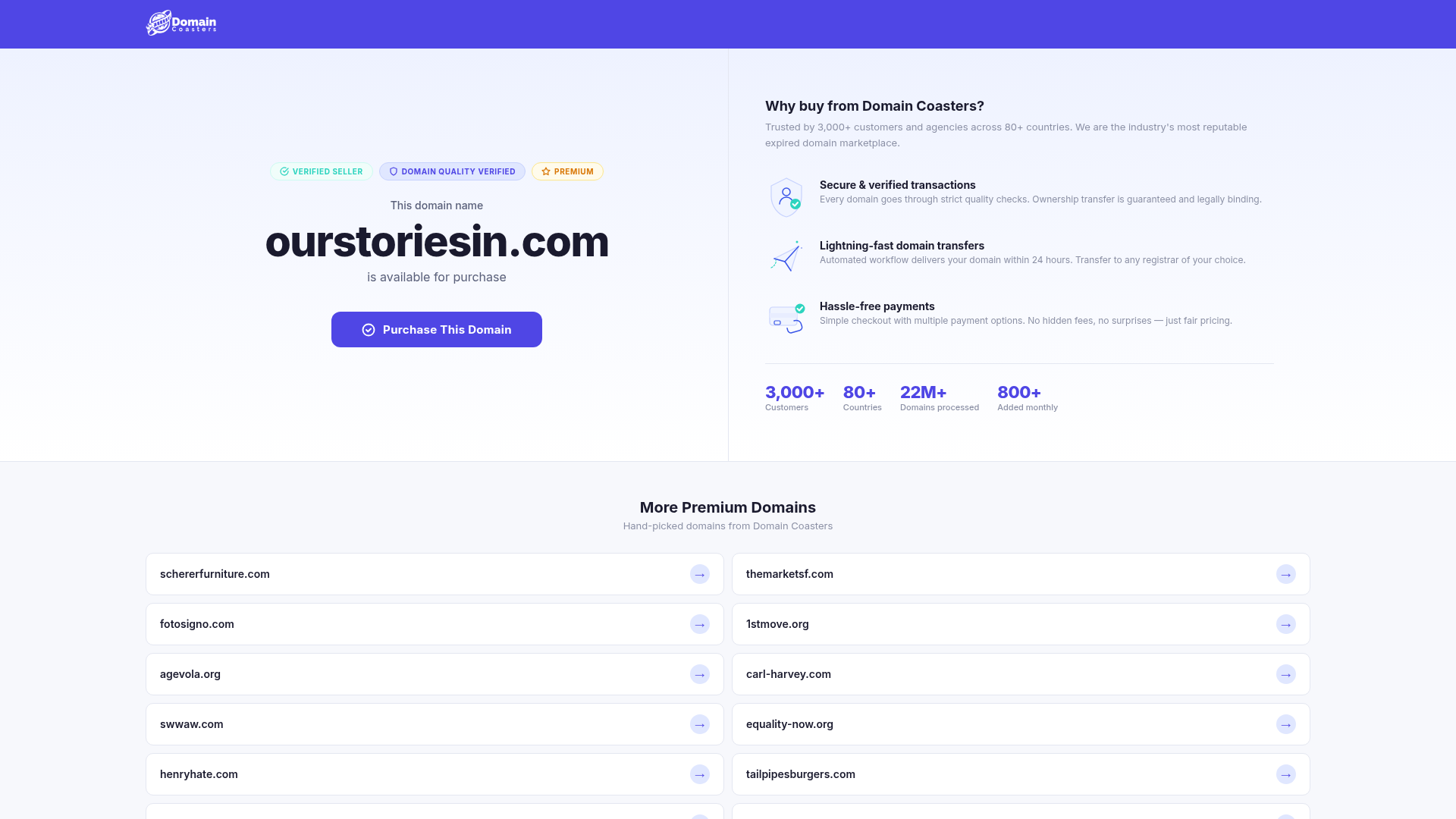
Domain Coasters Landing Page Layout
A clean domain marketplace landing page featuring a split-screen hero with trust badges, statistical counters, and a responsive grid of card-based links for additional inventory.
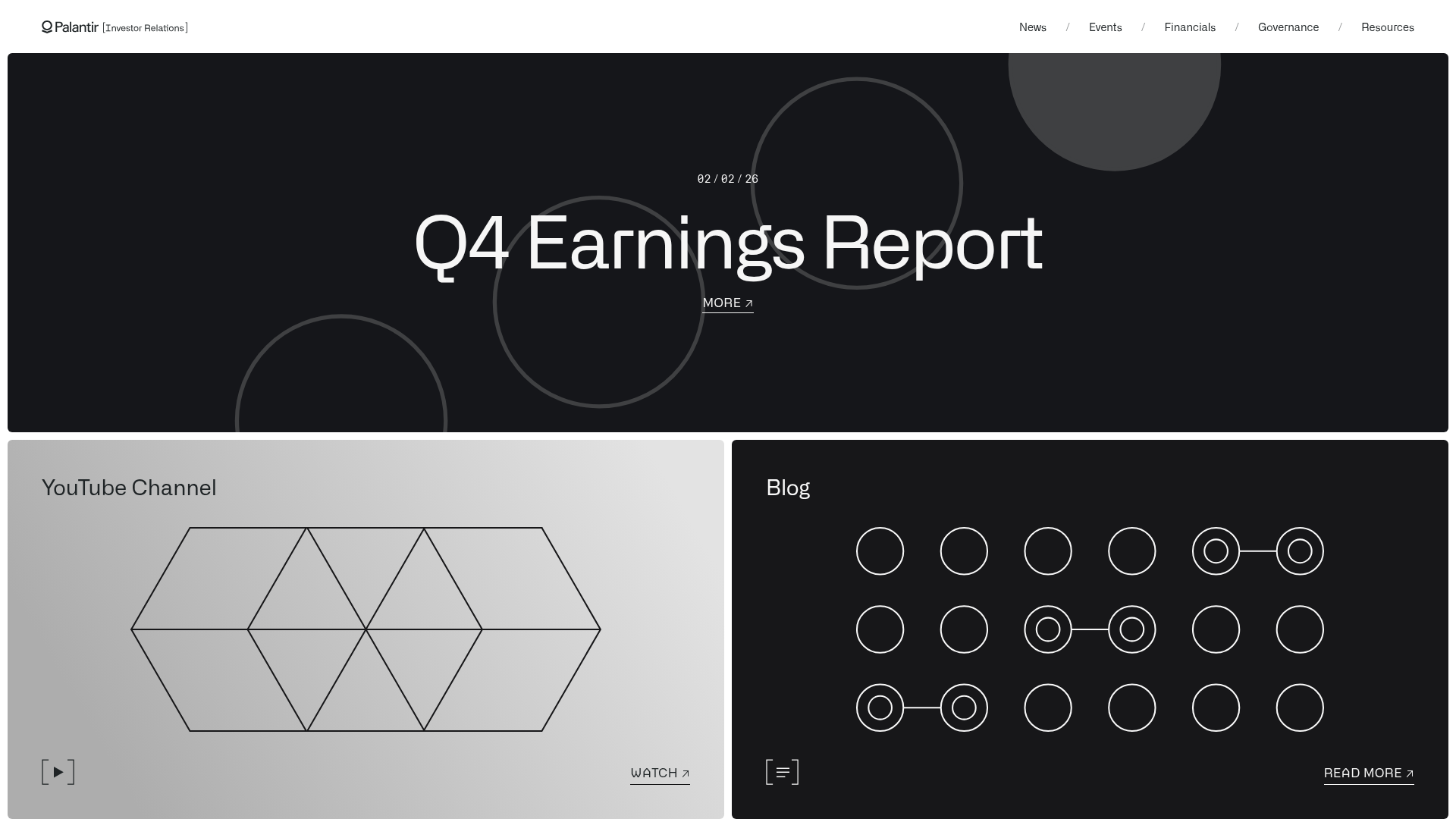
Palantir Investor Relations Minimal Portal
A high-contrast dark-mode layout featuring a full-width hero carousel over a geometric bento grid with external links and abstract SVG motifs.
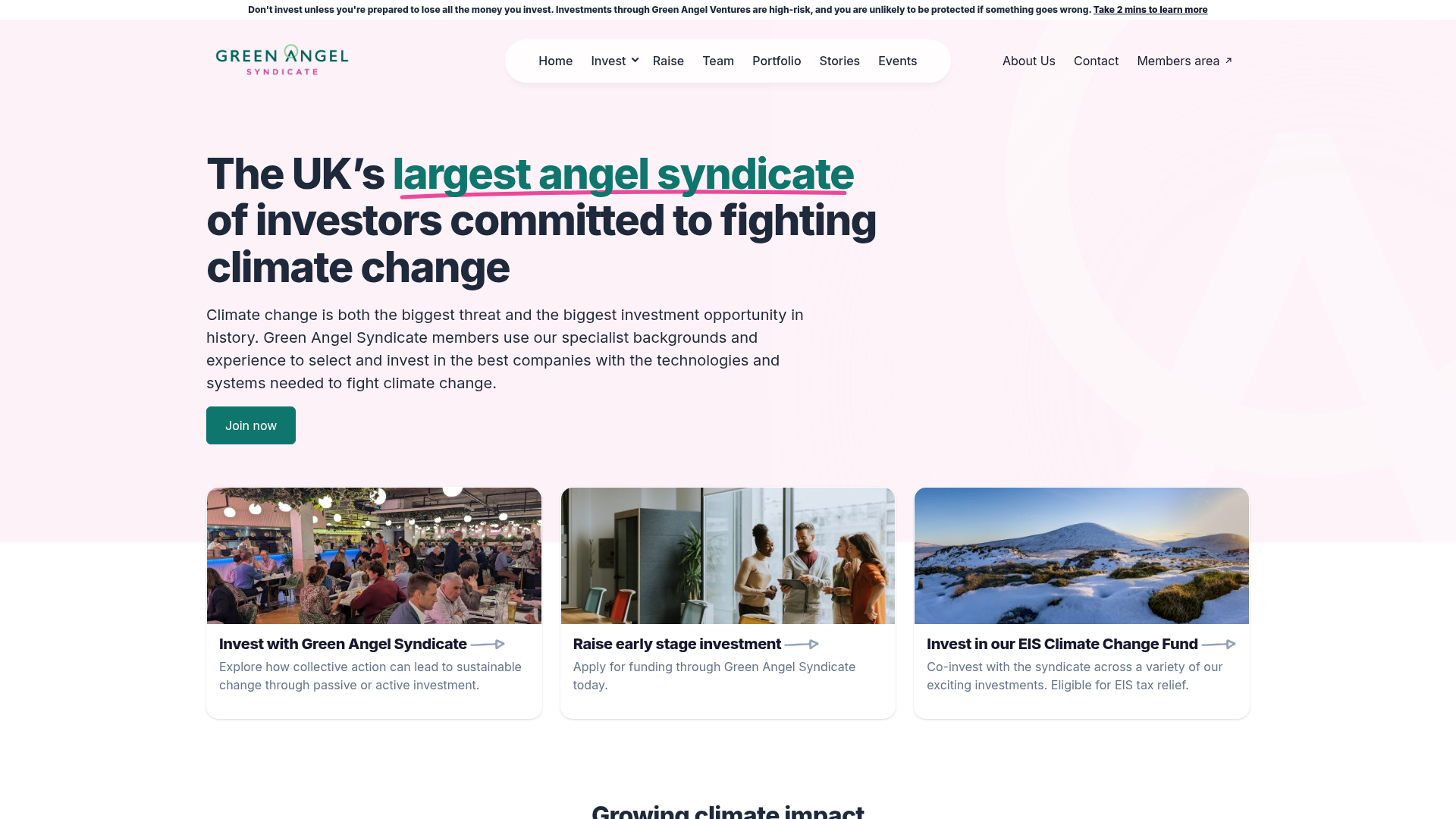
Green Angel Syndicate Investment Landing Page
A clean venture capital landing page featuring a hero section with card-based navigation, a four-column stat grid, and alternating split-layout content sections with image-text pairings.
