Lusion 3D Interactive Agency Portfolio
An immersive Three.js-powered portfolio featuring a sleek loading sequence, full-screen 3D canvas backgrounds, and scroll-triggered animations for showcasing high-end digital projects.

Overview
This website is a premier reference for high-end creative portfolios, centered around a full-screen Three.js 3D canvas and sophisticated scroll-driven orchestration. It effectively demonstrates how to blend immersive WebGL graphics with a structured HTML UI, making it an ideal clone candidate for developers looking to master the 'FWA-style' interactive experience.
Design System
- Color Palette & Visual Hierarchy: The baseline is a deep black (#000000) for the background to ensure 3D elements pop. Projects utilize dynamic backdrops defined by data attributes (e.g.,
#1a1411for Oryzo AI,#EFD5D3for Porsche), creating localized thematic shifts as the user scrolls. The hierarchy is driven by contrast, using white typography against dark backgrounds and serif/sans-serif mixtures for emphasis. - Typography: The system uses clean, modernist sans-serifs for body text and navigation, paired with refined headings. Actionable text like "scroll to explore" is set in lowercase for a minimalist feel, while hero titles use large-scale typography (
#home-hero-title) to anchor the visual weight. - Page Structure: The flow follows a "cinematic scroll" sequence: 1) Three.js-integraded Hero, 2) Intro Reel with a video overlay, 3) Grid-based Featured Work, 4) Thematic "Goal" section with tunnel-style imagery, 5) Sticky Footer/Contact call-to-action.
- Reusable Components:
- Project Cards: The
.project-itemis highly reusable, featuring a nested footer with metadata (.project-item-line-1) and interactive hover states. - Dot CTAs: Links like
#home-reel-ctause a specific dot-text-arrow pattern. - Preloader: A specialized percentage-digit counter (
.preloader-percent-digit) for high-fidelity assets.
- Project Cards: The
- Interaction & Motion: The site relies on scroll-triggered transformations. The HTML structure shows a
page-container-innerinside apage-container, suggesting a smooth-scrolling implementation (likely GSAP or a custom lerped scroll) that coordinates the overlay UI with the Three.js canvas in the background. - Implementation Clues: Built with Three.js r158. The UI is separated into a
#uilayer over a#canvaselement, allowing the interactive 3D scene to remain static while the DOM scrolls over it or drives camera movements via scroll events.
Use Cases
- Who should clone this: Creative developers, 3D artists, and high-end digital agencies who want to showcase a small number of premium projects with maximum visual impact.
- Effective Remixes: This pattern works perfectly for product launch landing pages (e.g., luxury goods, hardware tech) or immersive educational experiences where the background must change based on the information section.
- Remix Directions:
- Content Swap: Replace the agency projects with a single-product showcase, using the project grid to highlight different features or technical specs.
- Architecture Adaptation: Keep the header and footer but replace the middle sections with a traditional blog or service layout while maintaining the smooth-scroll 3D background.
- Clone Scope: For a quick win, clone the
.project-listand the#preloadermechanics. For a full-scale project, clone the dual-layered Canvas/UI structure to ensure perfect alignment between 3D visuals and HTML text.
Related Inspirations

OHZI Interactive Studio WebGL Showcase
A high-performance interactive portfolio featuring WebGL/Three.js environments, smooth section transitions, localized video case studies, and a progress-bar navigation system.

Plasticbionic Design Studio Portfolio Portfolio
A high-end portfolio featuring a fullscreen parallax scroll, smooth text reveal animations, and a vertical project gallery with color-coordinated background transitions.
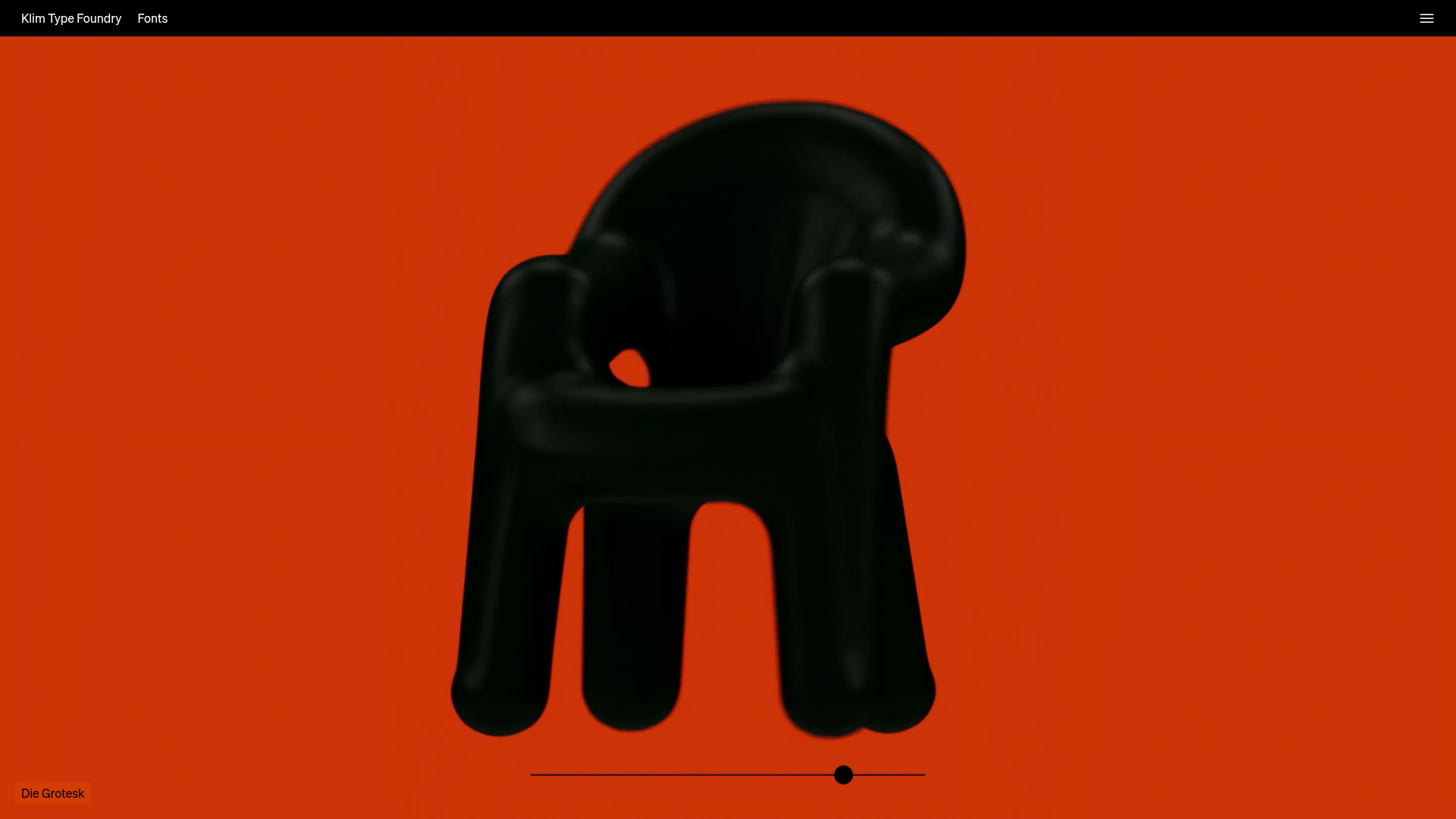
Klim Type Foundry Interactive Typography Landing Page
A high-impact landing page featuring a minimalist full-screen image gallery, interactive slider controls, and a clean, hidden navigation menu.

Monopo London Creative Agency Portfolio
Features a PixiJS WebGL gradient hero, a vertical ruler scroll-progress indicator, and sticky project sections with dynamic scaling transitions and custom cursor interactions.

Bruno Simon 3D Interactive Portfolio
A Three.js and WebGPU driven 3D game environment featuring interactive navigation, custom touch controls, and a canvas-based layout for immersive web experiences.

Homunculus Portfolio Canvas Experience
A high-end creative portfolio featuring a full-screen WebGL canvas, immersive scroll-triggered transitions, and a JavaScript-driven project list gallery.
