Yuga Labs WebGL Immersive Landing Page
A high-performance Nuxt.js site featuring a WebGL canvas container and image preloading for smooth, immersive visual storytelling and interactive layer transitions.

Overview
This high-performance immersive landing page is a masterclass in WebGL-driven visual storytelling within a Nuxt.js framework. It utilizes a sophisticated preloading system to deliver heavy visual assets—including layered textures and high-resolution images—seamlessly, making it an excellent reference for creators building "experience-first" brand microsites.
Design System
- Color Palette & Visual Hierarchy: The design employs a dark mode aesthetic with a deep black background (#000000) to ensure high-contrast vibrancy for WebGL elements and media overlays. Hierarchy is established through luminous interactive layers rather than traditional document flow.
- Typography System: The typography follows a minimalist, sans-serif approach with heavy weights for headlines to maintain impact against busy background textures. Secondary text is optimized for legibility at smaller scales.
- Page Structure & Section Flow: The HTML reveals a single-page architecture where the
webglcontainer acts as the base layer, while the.page__layerhandles the UI and content overlays. A dedicateddisplay: nonediv serves as an asset preloader for dozens of optimized WebP images, ensuring assets are cached before presentation. - Reusable Components:
- WebGL Canvas Container: A full-screen dedicated wrapper for 3D or high-performance graphics.
- Asset Preloader: A hidden image loading system that maps
data-srctodata-webpfor cross-browser compatibility. - Bounding Layers: Container logic that manages content alignment over fluid backgrounds.
- Interaction & Motion: The site is built for fluid transitions between content states. The use of image preloading suggests a heavy reliance on parallax, depth-based scrolling, or discrete scene transitions within the canvas.
- Implementation Clues: Built with Nuxt.js (verified by the
__nuxtid and_nuxt/imagepaths). It uses a hybrid approach, rendering UI in the DOM and complex visuals in hardware-accelerated WebGL.
Use Cases
- Who should clone this pattern: Developers building flagship brand launches, high-end NFT/crypto project portals, or digital agency portfolios that require a high "wow factor" without compromising on performance.
- Effective Remixes: Perfect for interactive product showcases (e.g., a 3D sneaker explorer) or immersive storytelling for cinematic/gaming projects.
- Practical Remix Directions: Swap the Yuga-specific asset paths in the preloader for your own brand textures while keeping the
.webglcontainer structure. You can reuse the preloading logic independently of the WebGL canvas to speed up image-heavy standard landing pages. - Suggested Clone Scope: Start with the Asset Preloader and Layout Structure for a quick performance win, or perform a full-page clone if your goal is to master the integration of Nuxt.js with a global canvas layer.
Related Inspirations

MekaVerse NFT Parallax Landing Page
An immersive NFT landing page featuring a minimalist glassmorphism navigation bar and full-screen vertical scroll sections with smooth parallax image transitions and clipped borders.

Bruno Simon 3D Interactive Portfolio
A Three.js and WebGPU driven 3D game environment featuring interactive navigation, custom touch controls, and a canvas-based layout for immersive web experiences.
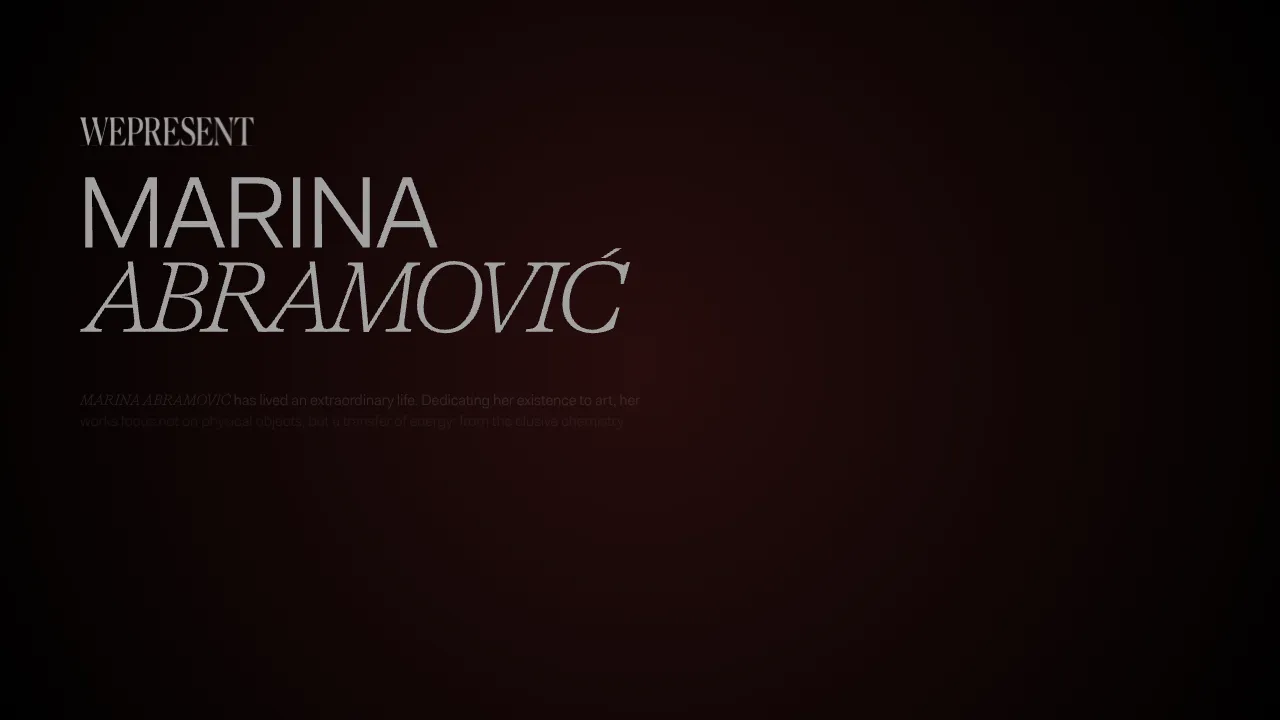
Marina Abramović Immersive Storytelling Gallery
A high-end multimedia experience featuring a 3D canvas background, custom cursor effects, interactive audio controls, and an overlay-based menu for immersive digital narratives.
Gemini Immersive WebGL Motion Showcase
Features a cinematic Three.js WebGL canvas stage with interactive navigation buttons, a hold-to-interact pattern, and data-driven terminal-style UI overlays.

OHZI Interactive Studio WebGL Showcase
A high-performance interactive portfolio featuring WebGL/Three.js environments, smooth section transitions, localized video case studies, and a progress-bar navigation system.
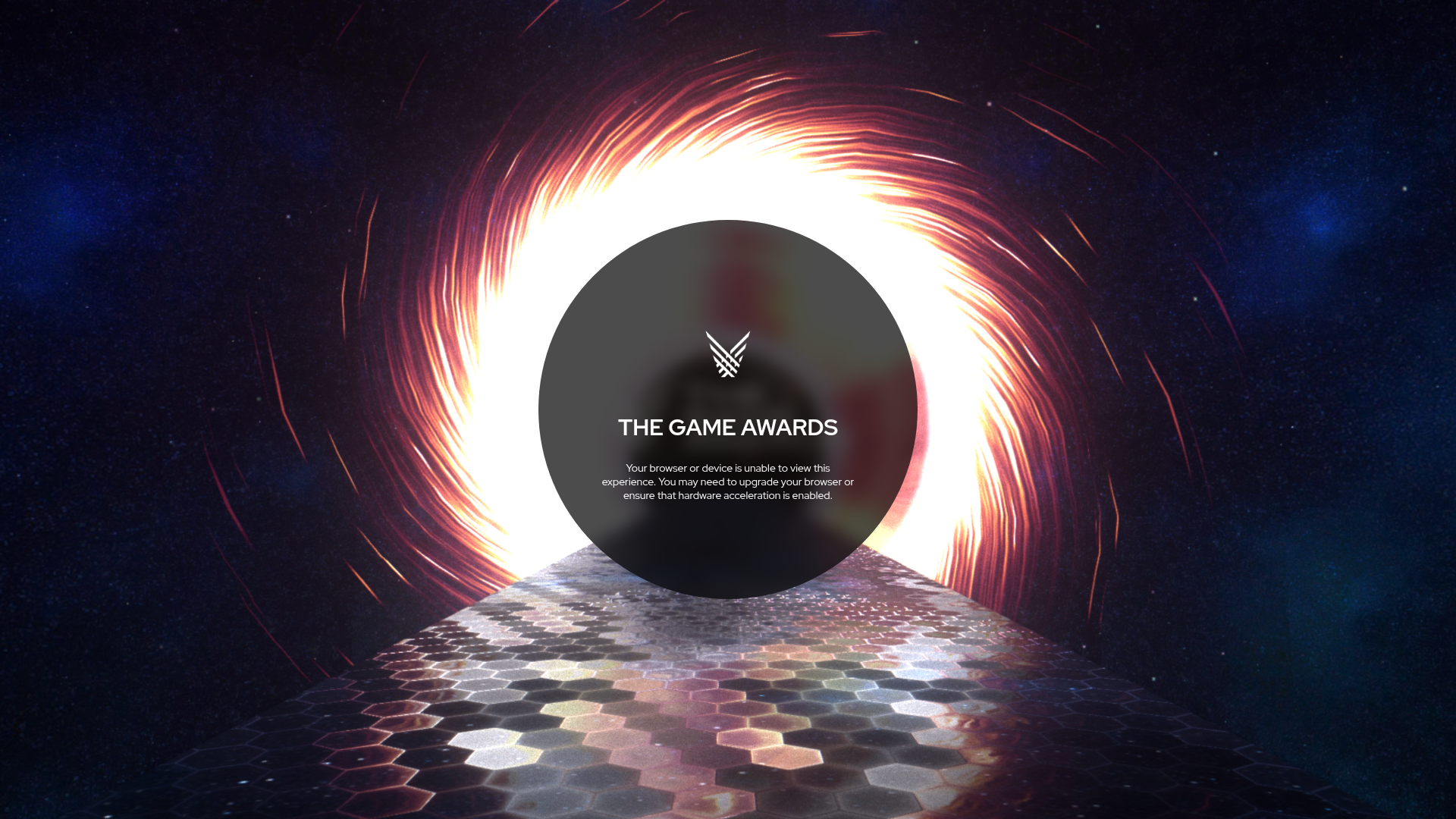
The Game Awards WebGL Experience
A high-end multimedia site featuring a WebGL canvas background with space themes, hexagon-tiled flooring, and a centered circular UI for status messaging.
