Minimalist Search Results Page Clone
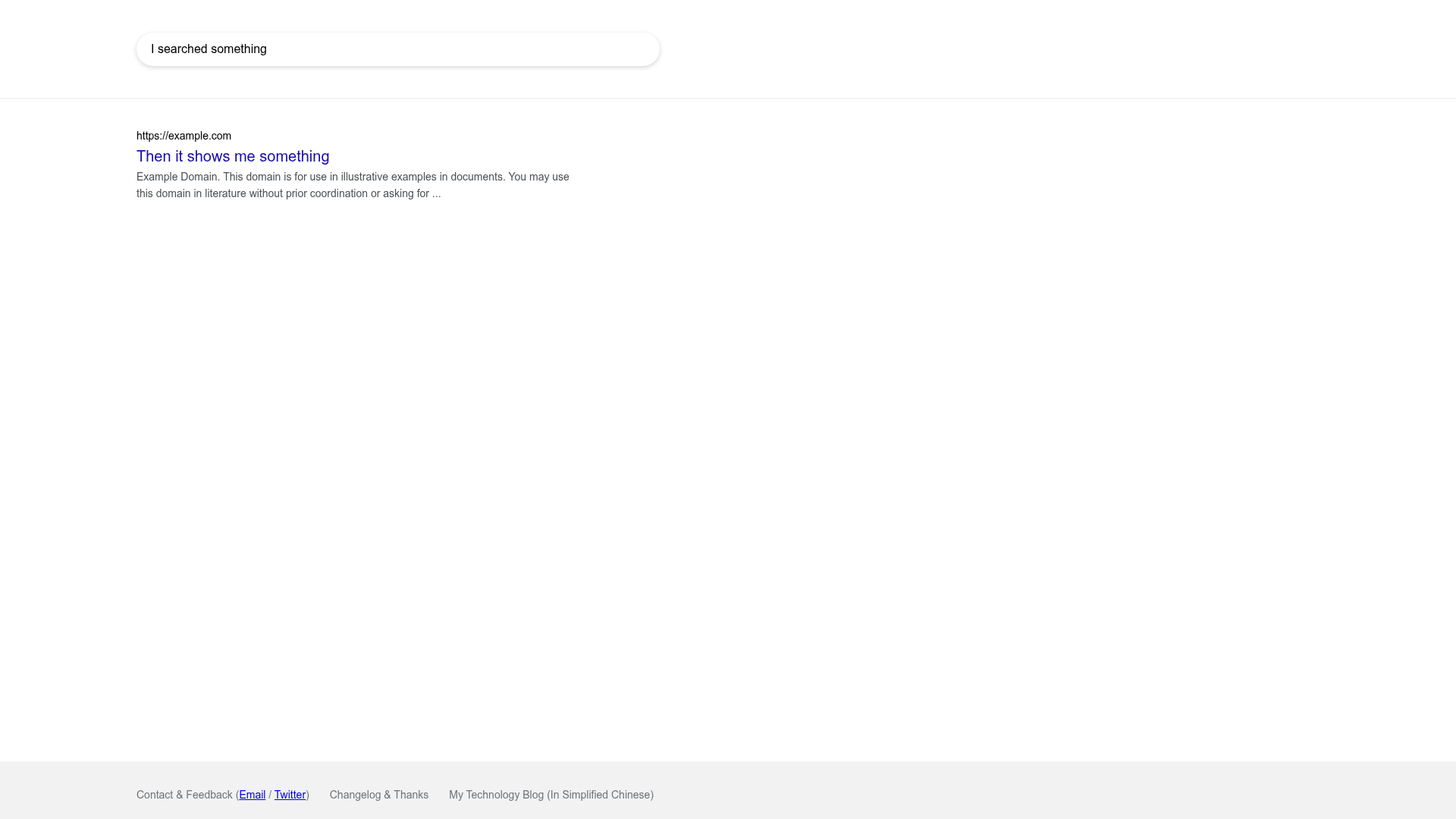
A clean, text-heavy layout featuring a top search input bar and simple lists of content with a clickable title, URL, and meta description.
Overview
This is a minimalist search results page template that emphasizes extreme clarity and content-first information architecture. It provides a functional clone reference for developers building lightweight web tools, personal search engines, or curated link directories where legibility outweighs decorative elements.
Design System
- Color Palette & Visual Hierarchy: A high-contrast, limited palette consisting of a pure white background and off-white footer (#f4f4f4). Functional colors follow standard web conventions: black text for descriptions, blue (#0000ee) for visited/active links, and a subtle gray for metadata to create a clear vertical information hierarchy.
- Typography System: Uses a sans-serif stack focused on readability. Hierarchy is established through size and color: the search input uses standard body sizing, while result titles are larger and bolded to anchor each list item.
- Page Structure & Section Flow: The layout follows a classic vertical stack: a floating top search bar with rounded corners (pill-shaped), followed by a simple container of results, and a fixed or bottom-aligned footer containing utilitarian links (Email, Twitter, Changelog).
- Reusable Components:
- Search Bar: A minimalist input field with generous padding and subtle shadow/border-radius.
- Result Item Card: A three-part text block consisting of a URL (
.item__link), a large clickable header (.item__title), and a multi-line snippet (.item__desc). - Minimalist Footer: A horizontal list of inline-block elements for secondary navigation.
- Interaction Patterns: The design uses standard browser link hover states. The search input is the primary focal point, occupying the top-center position to draw immediate user interaction.
- Implementation Clues: The HTML structure uses semantic class naming (e.g.,
item,item__link,item__title) reminiscent of BEM methodology, making it easy to style with utility-first CSS frameworks like Tailwind or vanilla CSS.
Use Cases
- Who should clone this: Developers building internal knowledge bases, private bookmarking tools, or simplified frontend wrappers for APIs.
- Effective Remixes: This pattern can be effortlessly remixed into a documentation index, a minimalist blog feed, or a personal "digital garden" interface.
- Practical Remix Directions: To adapt this, consider adding a sidebar for category filtering, swapping the standard blue links for brand-specific primary colors, or incorporating a dark mode toggle to complement the high-contrast light theme.
- Suggested Clone Scope: This is an ideal candidate for a full-page clone due to its low complexity and high utility, allowing a builder to stand up a functional UI in minutes.
Related Inspirations
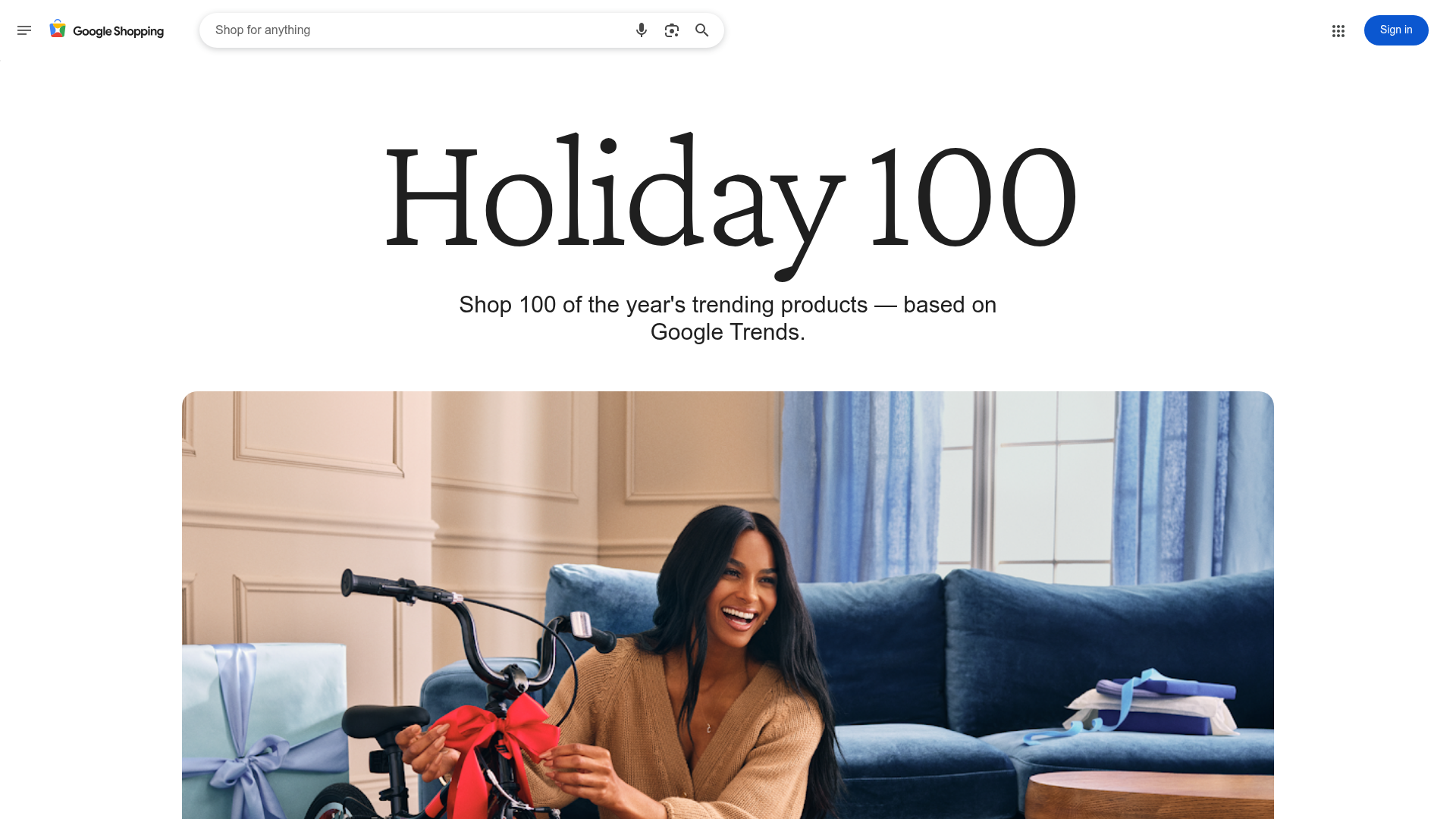
Google Holiday 100 Curator Landing Page
A minimalist e-commerce showcase featuring a wide hero section, clean search integration, and a bold typography-driven header designed for trending product collections.
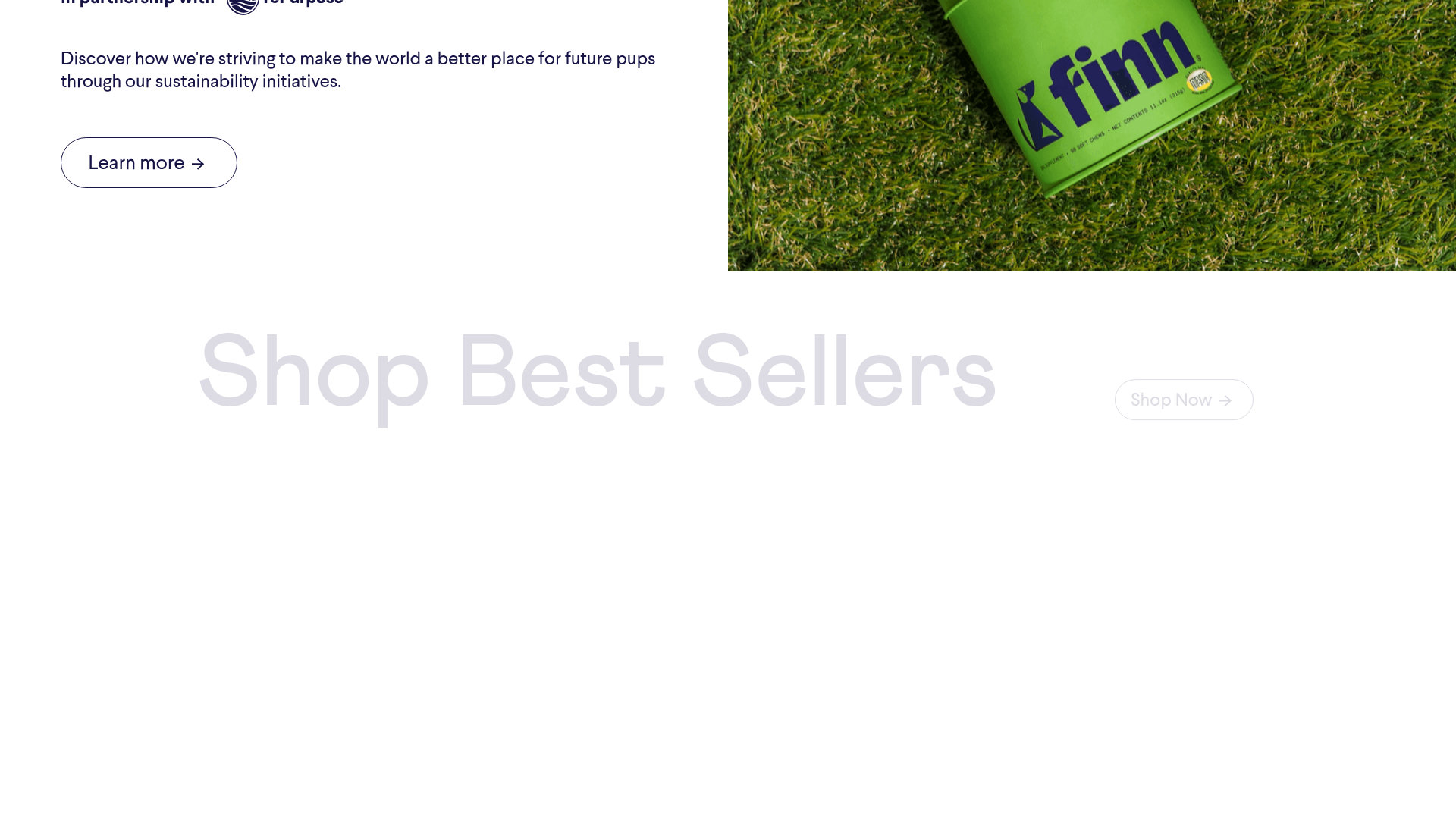
Finn Pet Supplements Landing Page
An e-commerce landing page featuring high-contrast typography, a sticky brand logo banner, parallax scroll effects on product headers, and a clean product grid.
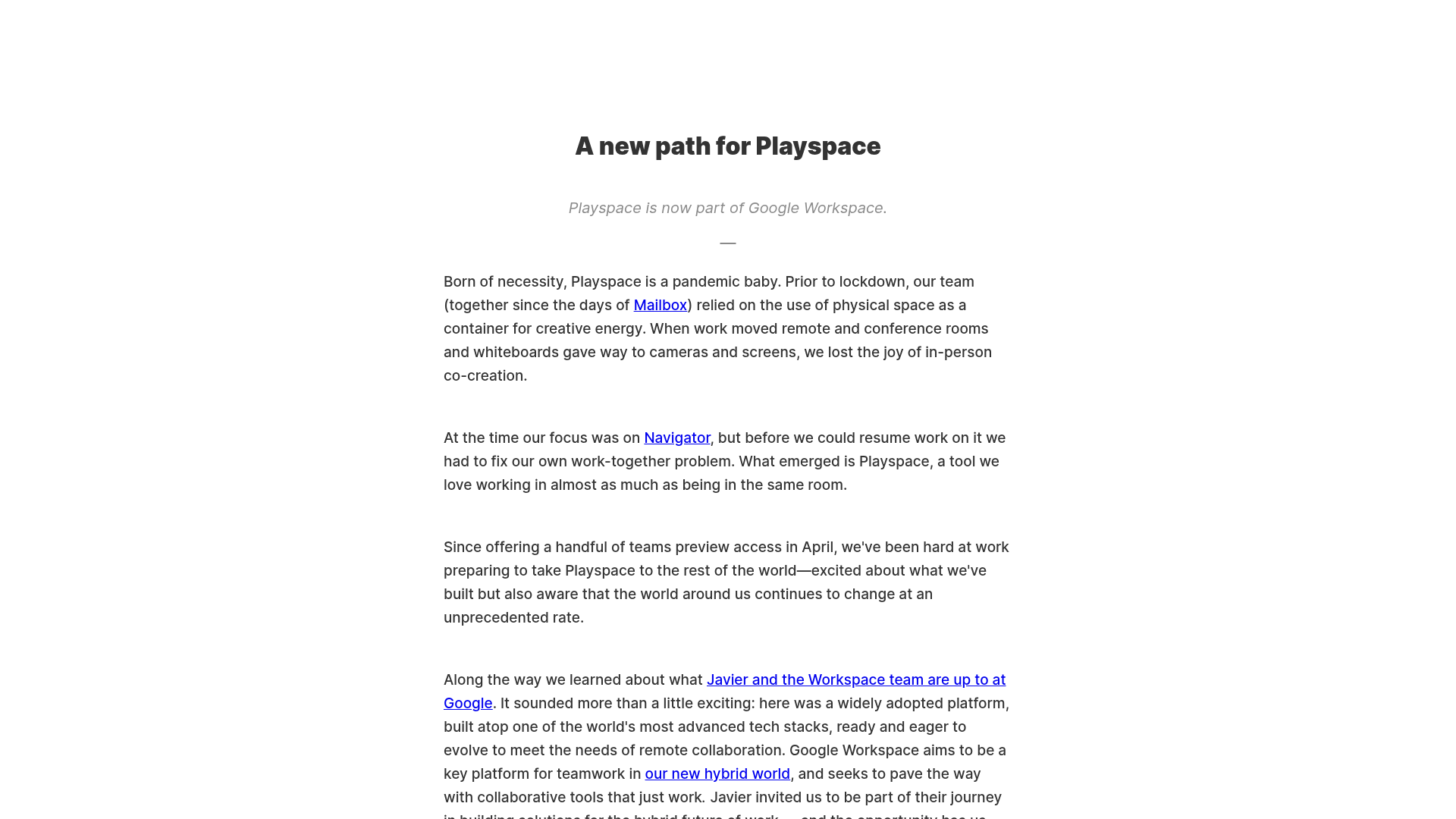
Playspace Acquisition Announcement Minimalist Layout
A clean, center-aligned announcement template featuring a vertical stack of rich text content and linked text elements on a neutral background.
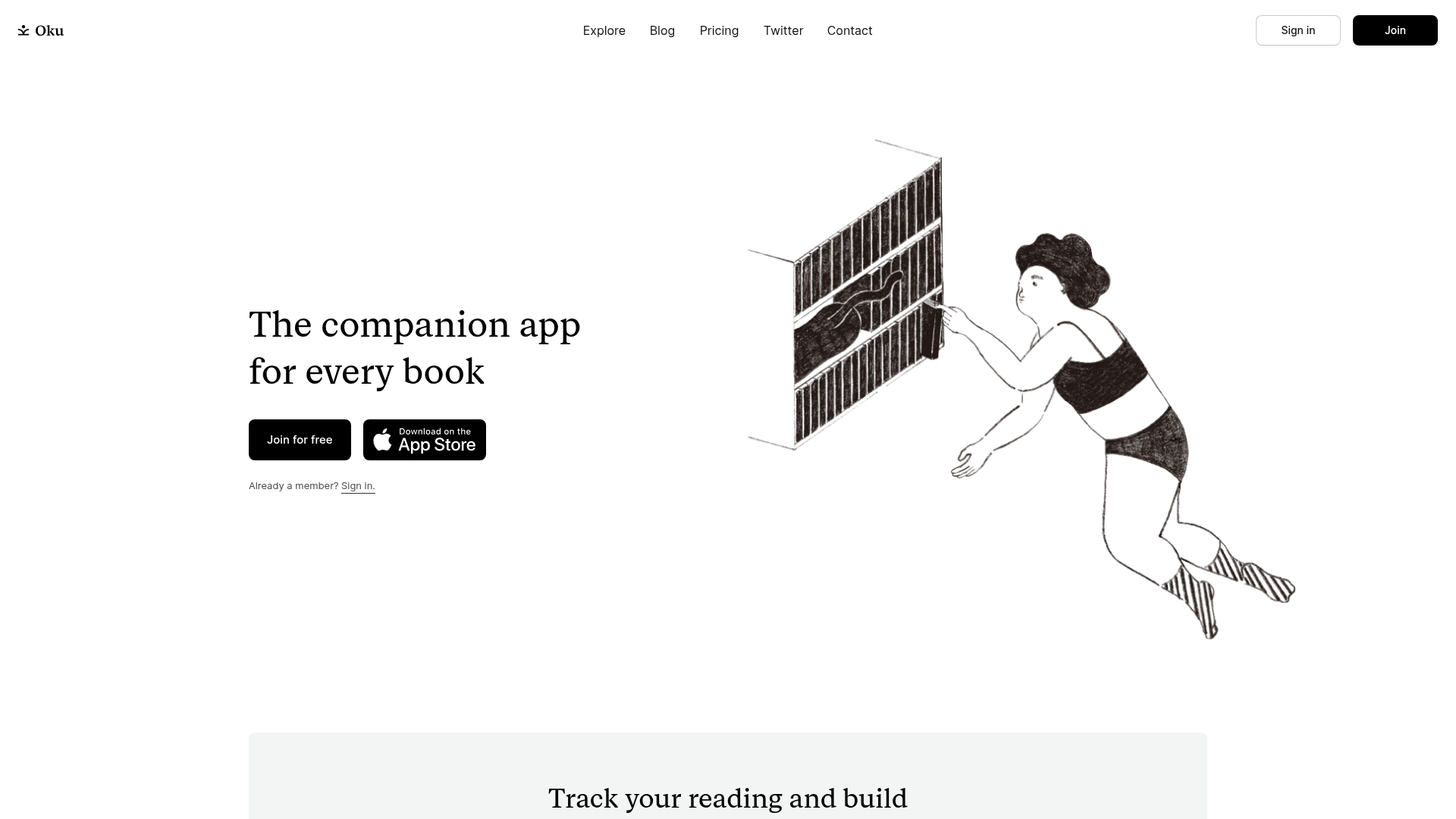
Oku Minimalist Book Tracking Landing Page
A clean, typography-focused landing page featuring a minimalist header, illustrated hero section, and clear call-to-action buttons for app downloads.
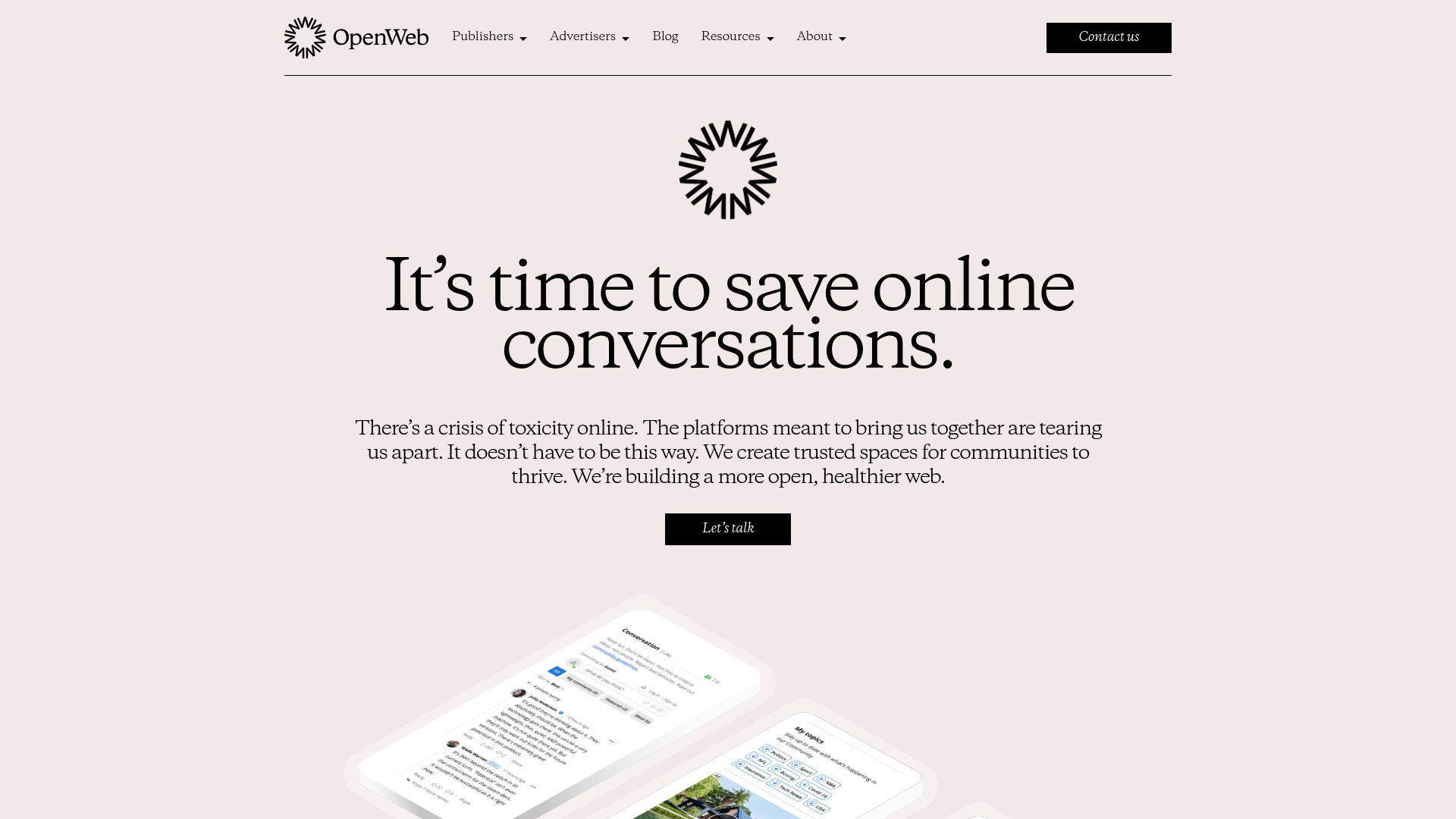
OpenWeb B2B Service Landing Page
A professional landing page layout featuring a central animated hero area, data visualization counters, a client logo grid, testimonial slider, and tabbed lead generation forms.
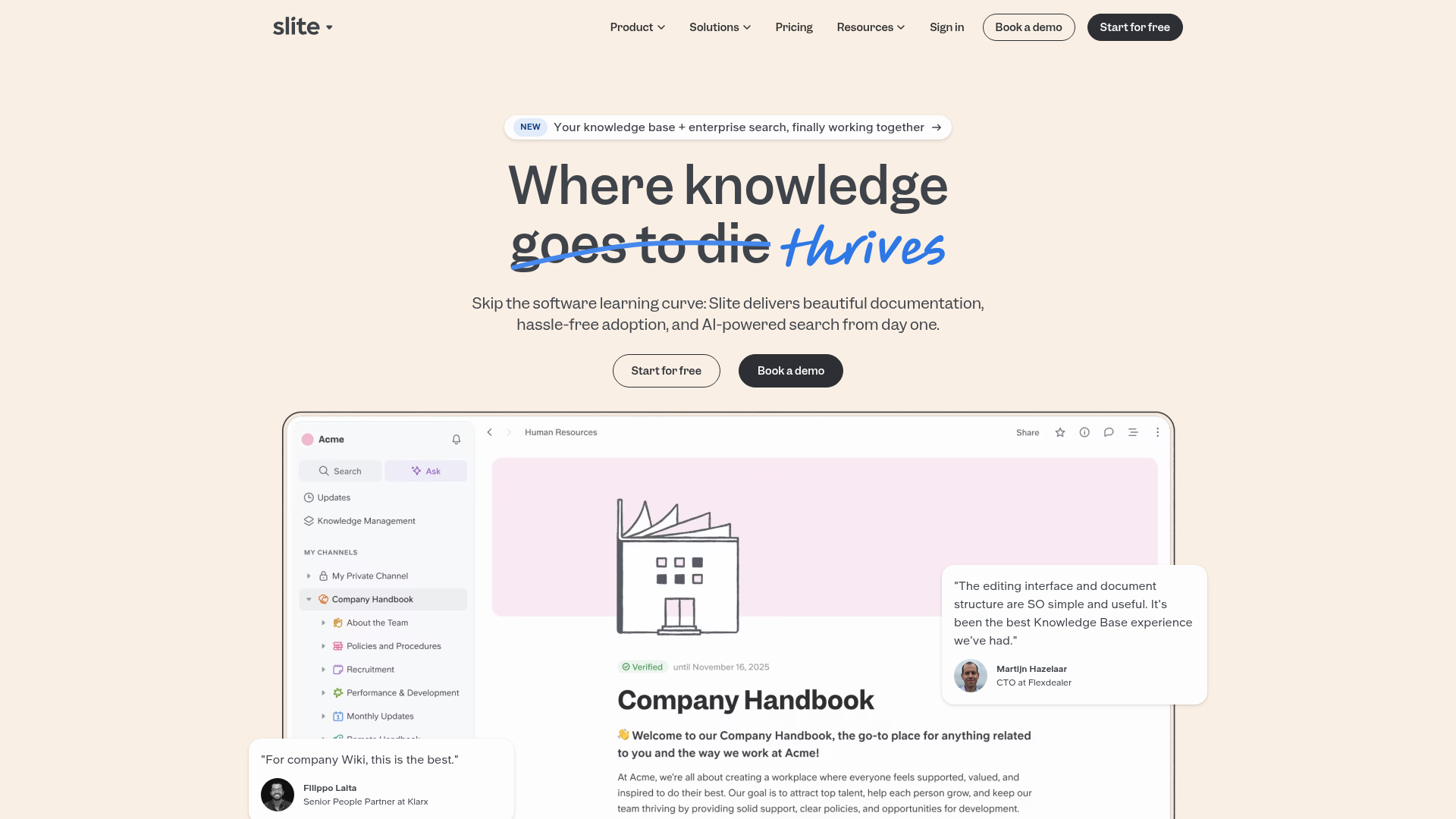
Slite SaaS Knowledge Base Landing Page
A clean SaaS hero section with a conversational headline, secondary call-to-action buttons, and a structured software interface preview featuring user testimonials.
