Minimalist Error Page Template
A clean, center-aligned error page layout built with Next.js, featuring a single-column flexbox design and system fonts for rapid frontend debugging feedback.
Overview
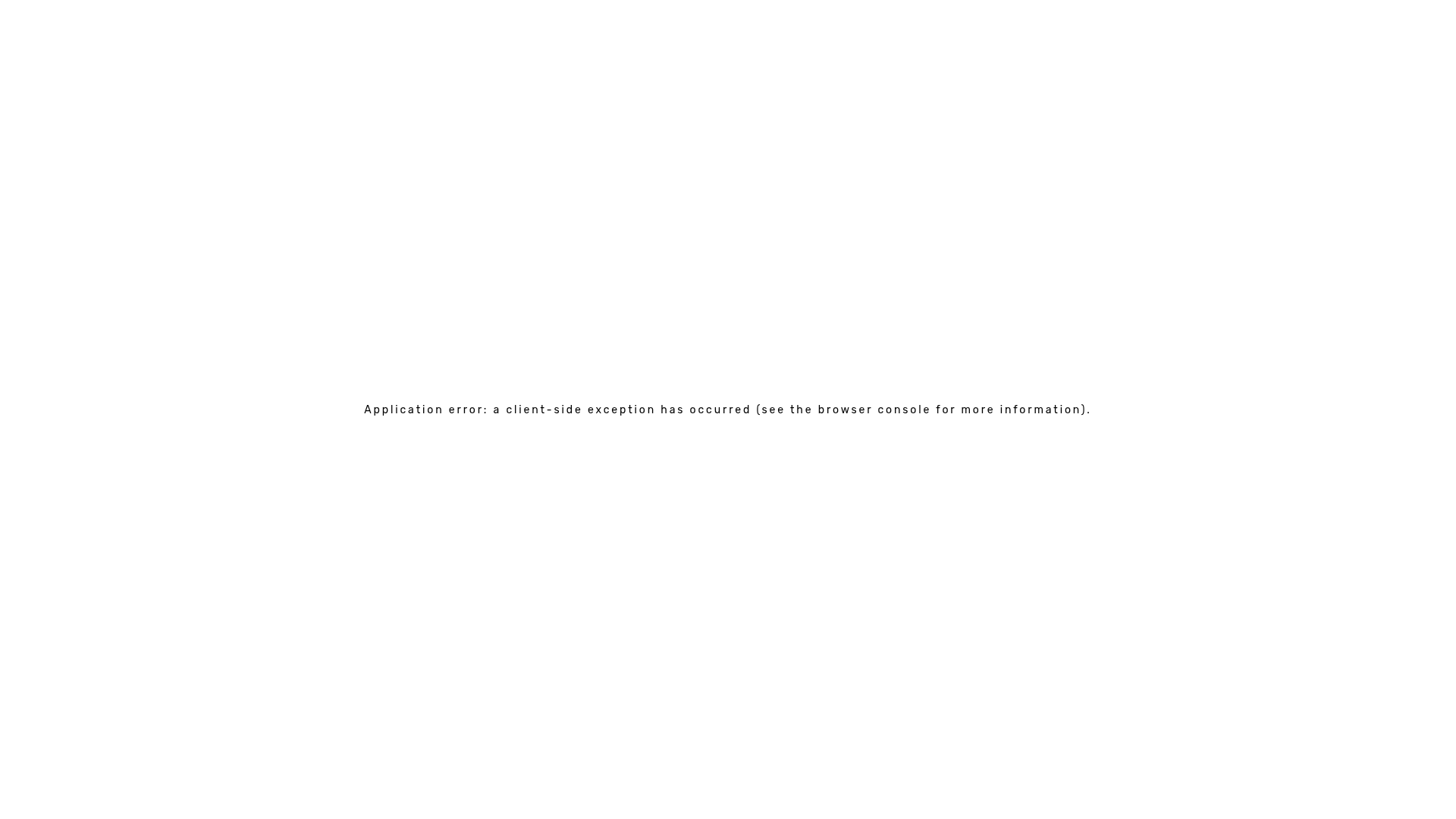
This is a minimalist error page template designed for the Next.js framework, prioritizing clarity and zero-distraction feedback during client-side exceptions. It serves as an excellent clone reference for developers needing a robust, unstyled fallback page that ensures users receive technical context without overwhelming UI baggage.
Design System
- Color Palette & Visual Hierarchy: The design uses a high-contrast binary palette consisting of a pure white background (
#FFFFFF) and dark text. The visual hierarchy is extremely flat, centering all focus on the singular status message to reduce cognitive load during a site failure. - Typography System: The layout utilizes a comprehensive system font stack (
-apple-system,BlinkMacSystemFont,Roboto,Segoe UI, etc.) to ensure native rendering speed and consistency across devices. The primary text size is14pxwith anormalfont weight, set within a49pxline-height container for generous vertical whitespace. - Page Structure: The layout is built using a full-viewport flexbox container (
100vh) withalign-items: centerandjustify-content: center. This ensures the error message remains perfectly centered regardless of the browser window size. - Reusable Components: The core reusable element is the centered flexbox wrapper. This pattern is highly divisible and can be used for any "empty state" or "maintenance mode" notification.
- Responsive Behavior: Because it uses percentage-based flex centering and standard line heights, the design is inherently responsive, maintaining its central focus point from mobile screens to ultra-wide monitors.
- Implementation Clues: The HTML confirms the use of Next.js (
id="__next") and inline CSS styles for layout management, ensuring that styles load immediately even if external CSS files fail to fetch.
Use Cases
- Who should clone this: Frontend engineers building SaaS platforms or web apps who need a clean, "safe" fallback for
ErrorBoundarycomponents. - Effective Remixes: This pattern can be effectively remixed into "404 Not Found" pages, "Coming Soon" landing stubs, or "Account Inactive" status screens.
- Remix Directions: Replace the plain text with a branded SVG illustration or a "Return to Home" button. Developers could also swap the white background for a brand-specific gradient while keeping the center-aligned flexbox logic.
- Clone Scope: This is best as a quick section clone. The entire CSS structure can be copied into a reusable
Layoutcomponent to handle global error states across an entire application.
Related Inspirations
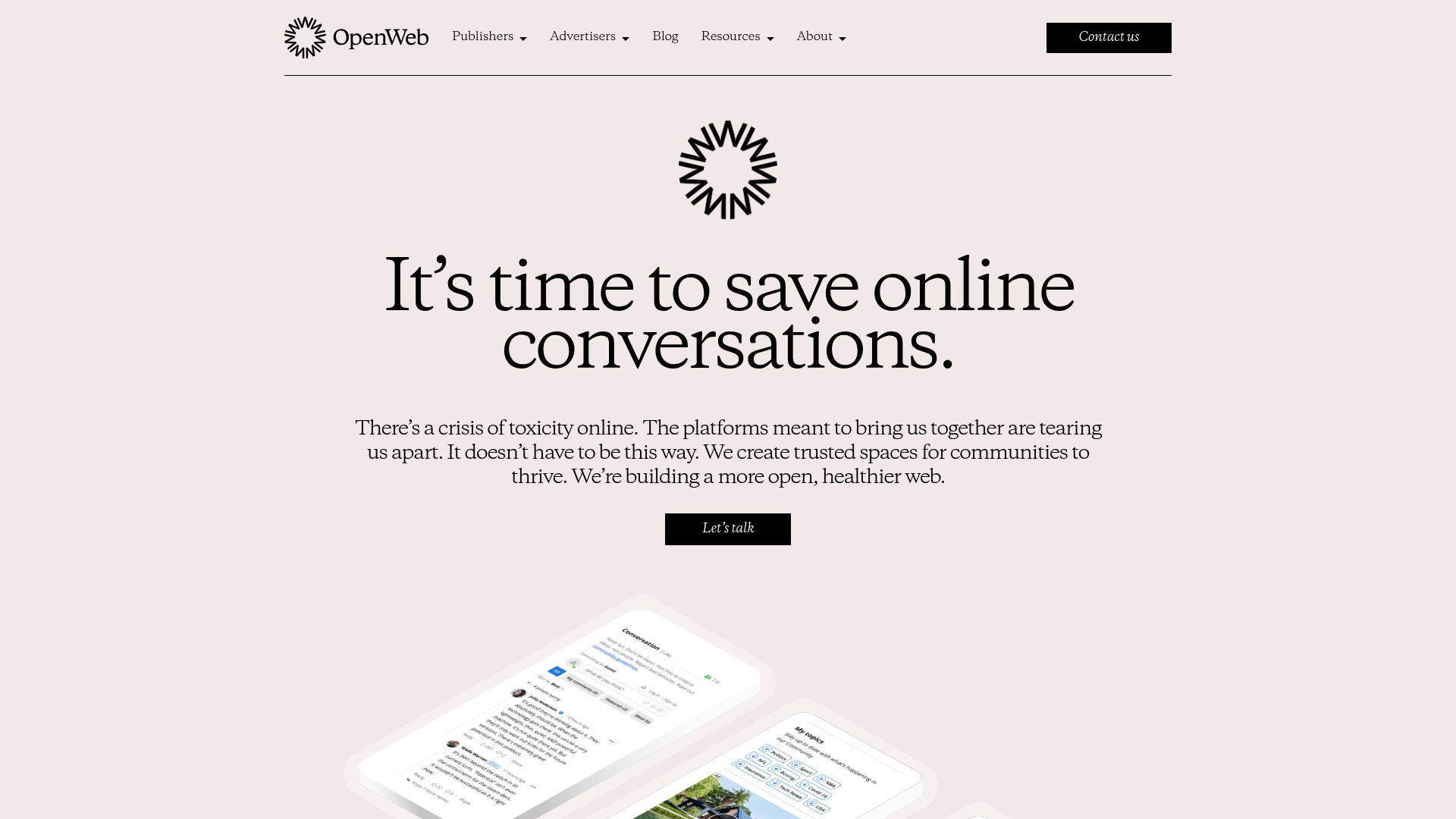
OpenWeb B2B Service Landing Page
A professional landing page layout featuring a central animated hero area, data visualization counters, a client logo grid, testimonial slider, and tabbed lead generation forms.
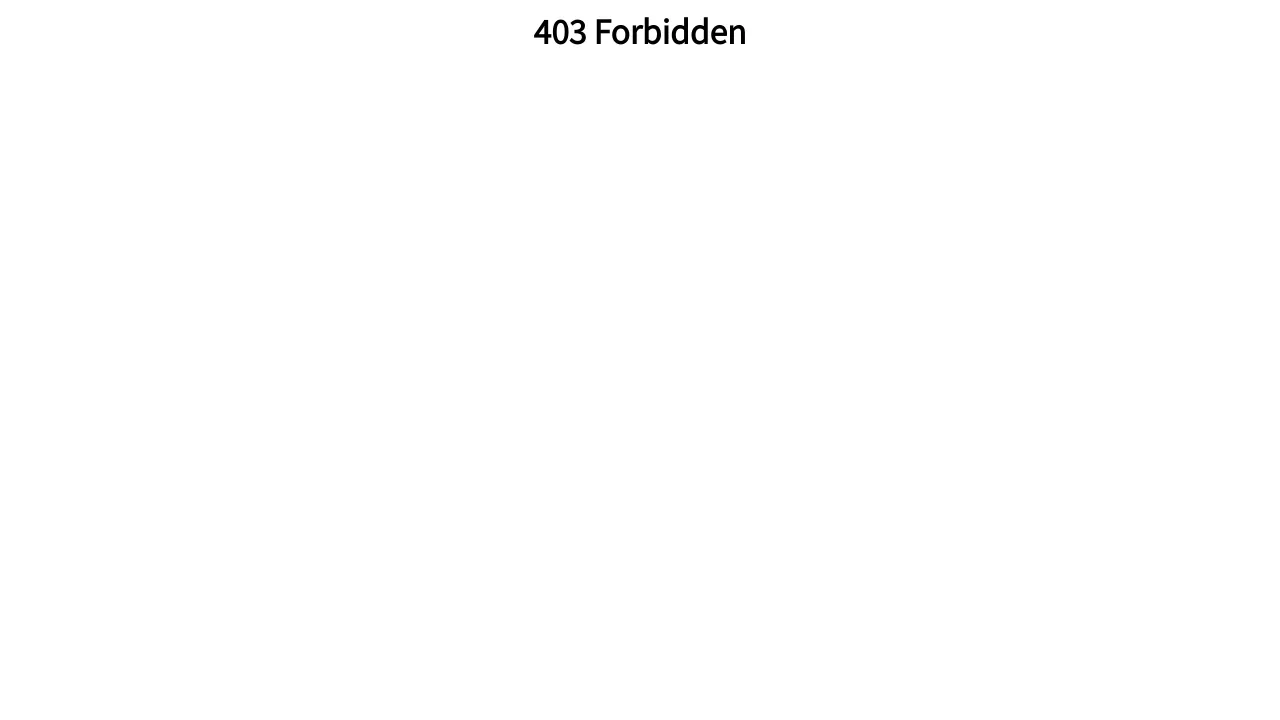
403 Forbidden Access Page
A minimalist, centered HTTP 403 error status page layout suitable for clean and simple server-side response templates.
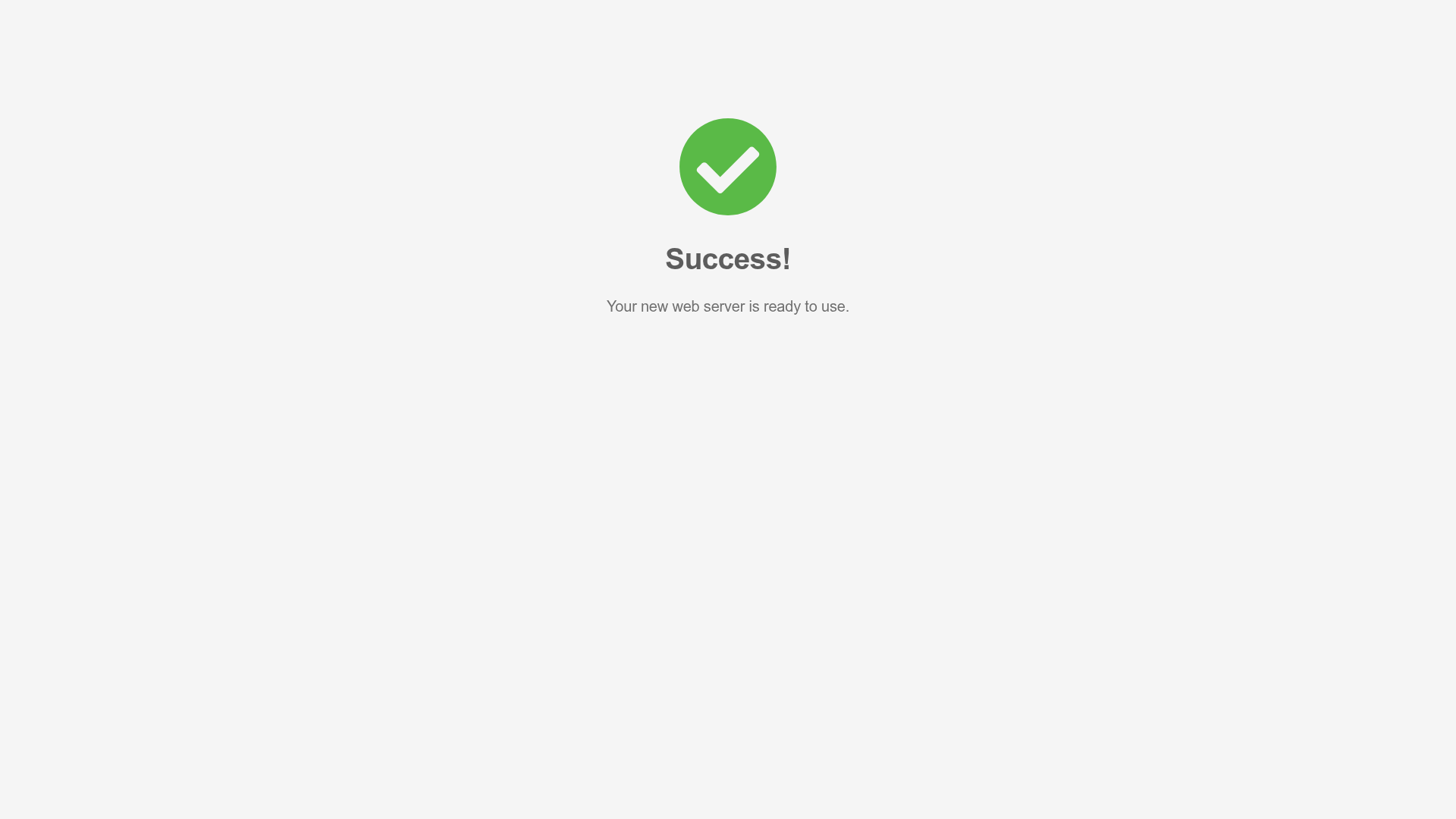
Minimal Animated Success Landing Page
A clean, centered confirmation screen featuring a large green icon, a bold heading, and smooth fade-in entry animations.
Nonymous Coming Soon Placeholder Page
A minimalist blank landing page featuring a simple 'Coming soon' text layout suitable for basic domain parking or initial placeholder deployment.
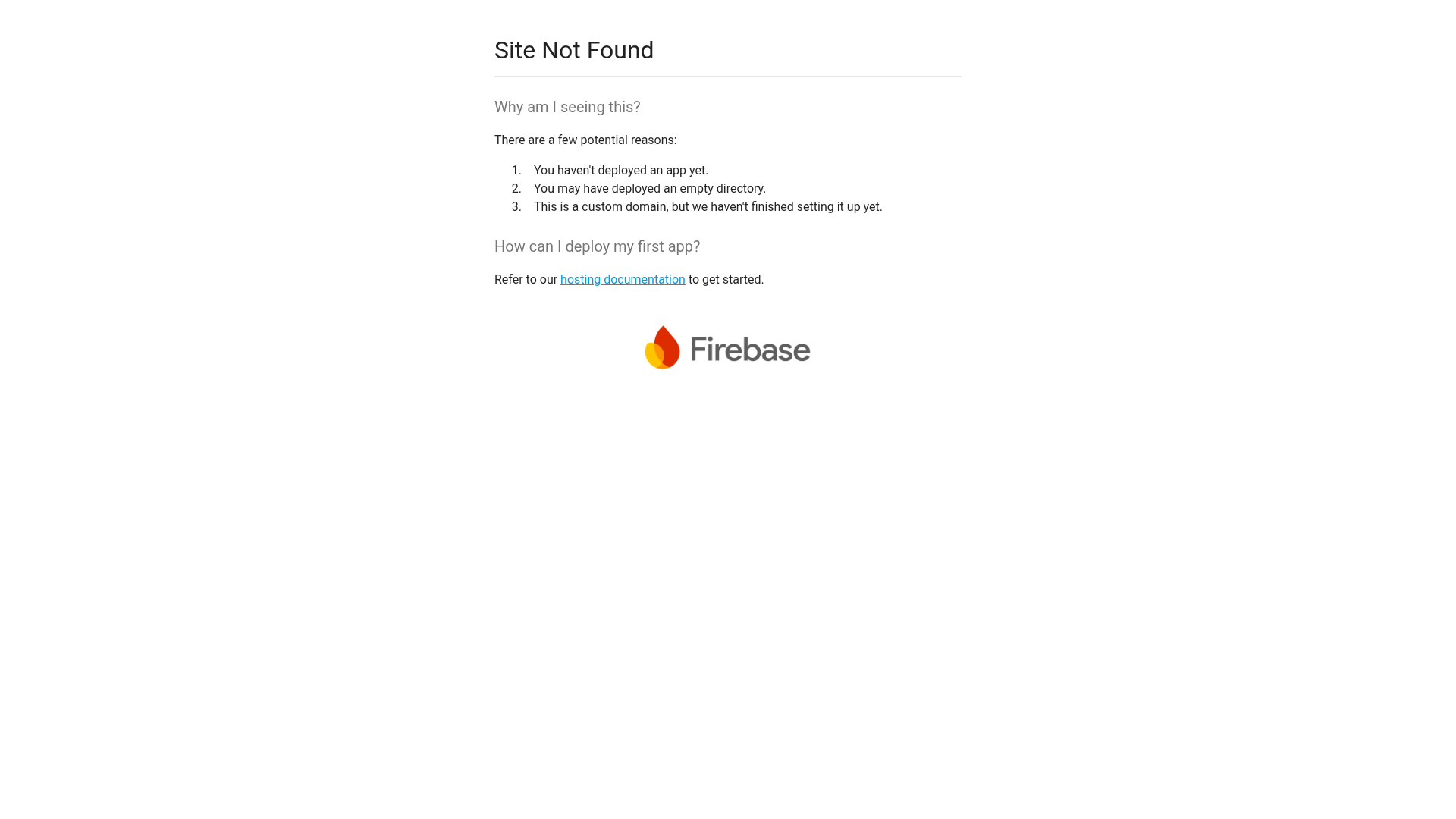
Firebase Hosting Site Not Found
A minimal placeholder layout for 404 error states including a centered logo, numbered troubleshooting guide, and linked utility text.
BlueYard Minimal Logo Splash Page
A terminal-style minimalist loading screen featuring a centered logo block and a discreet bottom-aligned percentage progress indicator for high-end landing pages.
