WRDLSS ASCII Aesthetic Portfolio Site
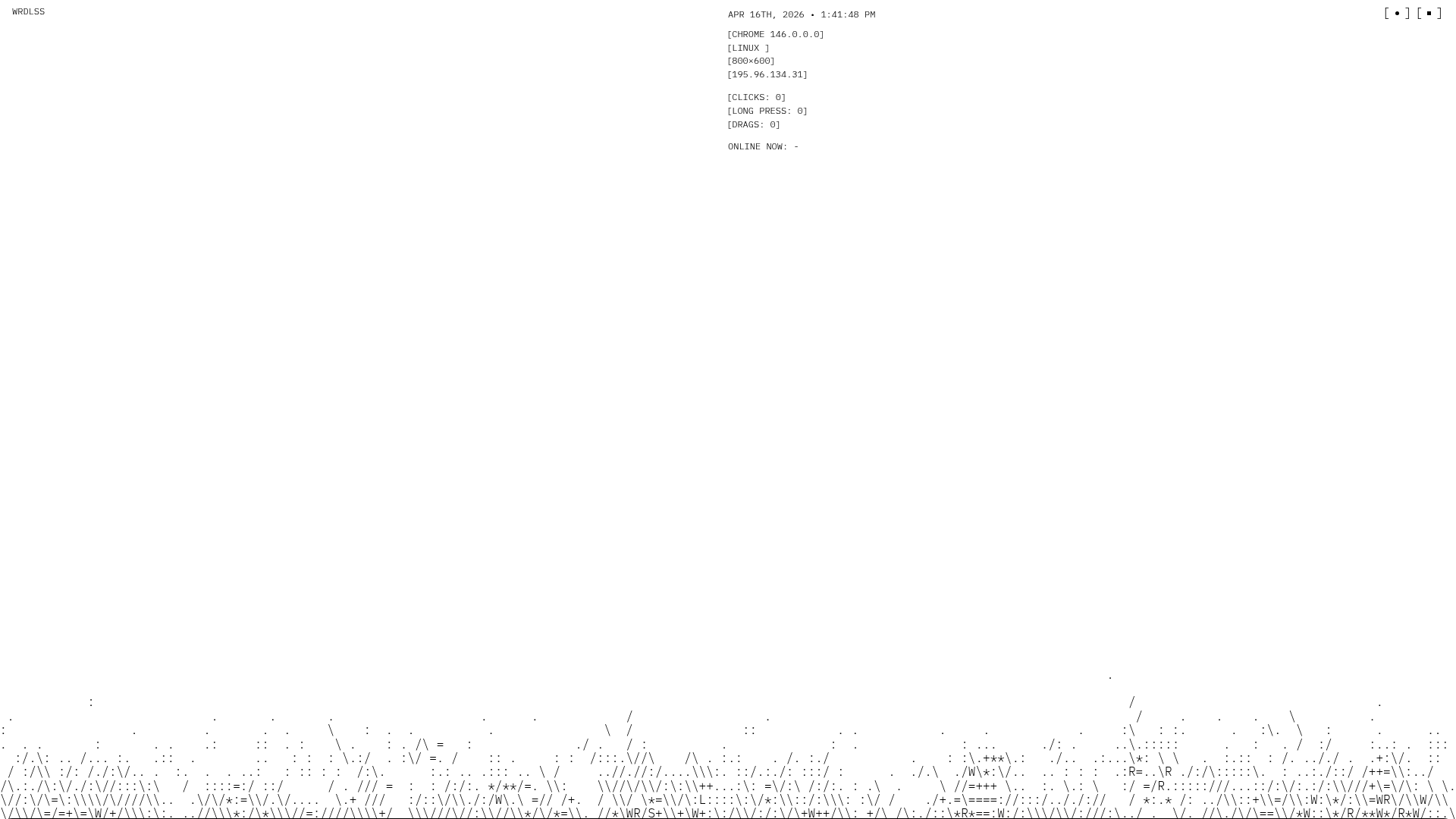
A minimalist portfolio layout featuring a full-width ASCII art hero section, scroll-based text fade-ins, and a multi-column services grid built with Nuxt.
Overview
This website is a monochromatic, ASCII-centric portfolio that leverages a brutalist, terminal-inspired aesthetic. It and serves as a strong clone reference for builders looking to implement scroll-driven layouts, complex typography-driven hero sections, and minimalist content grids using a modern Nuxt/Prismic stack.
Design System
- Color Palette & Visual Hierarchy: The system is strictly black and white (#000000 on #FFFFFF), relying on negative space and character density to create depth. Large ASCII blocks create a 'hero' visual hierarchy without the need for traditional image assets.
- Typography: The site uses
IBMPlexMono-Lightas the primary typeface. The scale is high-contrast, featuring oversized<pre>text blocks for visual impact alongside small (f6/12px equivalent) utility text and uppercase (ttu) labels. - Page Structure: The layout follows a structured vertical flow of full-height sections (
vh-75andvh-100). It transitions from an ASCII art hero to a four-column text grid, followed by a marquee image banner, and finally a dense, multi-column service list. - Reusable Components:
- ASCII Hero: A
<pre>container styled with light weights and block spans for character-based graphics. - Services Grid: A versatile
sliceItemgrid that adapts from 4-columns to 2-columns for list-based data. - Data-Rich Footer: A four-column colophon featuring dynamic data like system time, browser info, and load speed.
- ASCII Hero: A
- Interaction & Motion: The site utilizes
data-scroll(likely via Locomotive Scroll or GSAP ScrollTrigger) to handle section fade-ins (opacity: 0to1) and parallax speed modifiers (data-scroll-speed="-8"). Content usestransform: matrix3dfor smooth, hardware-accelerated scroll transitions. - Implementation Clues: Built with Nuxt.js and Prismic CMS, the HTML reveals a utility-first approach (likely Tachyons or custom CSS modules) with classes like
dt v-midfor table-cell centering andbr4for rounded section corners.
Use Cases
- Who should clone this: Creative developers, digital agencies, or technical consultants who want to showcase a high-level of technical craft through a minimalist, code-first aesthetic.
- Effective Remixes: This pattern is ideal for "Developer Advocacy" landing pages, system status dashboards, or experimental web-zines where text is the primary medium.
- Remix Directions: Replace the ASCII art with SVG wireframes for a cleaner look, or swap the monochromatic scheme for a high-contrast "dark mode" (e.g., green on black) to lean into a cyber-security or terminal theme.
- Clone Scope: A full-page clone is recommended to capture the specific scroll-synchronized pacing, though the footer section alone is a valuable reference for site metadata and social link organization.
Related Inspirations
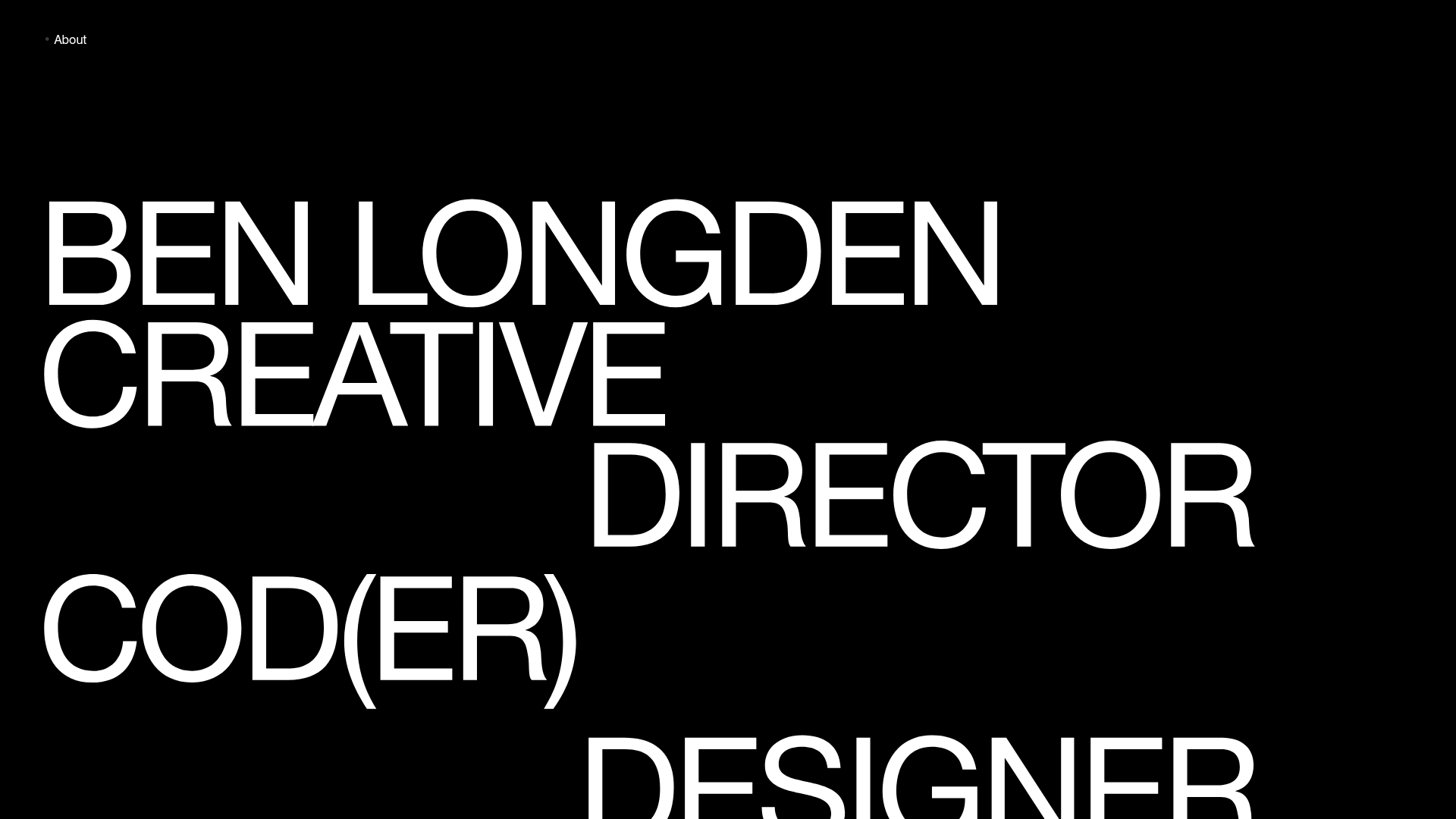
Ben Longden Minimalist Creative Portfolio
A bold typography-focused site featuring a large-scale overlapping hero section, horizontal image carousels for projects, and a scrolling text marquee footer.
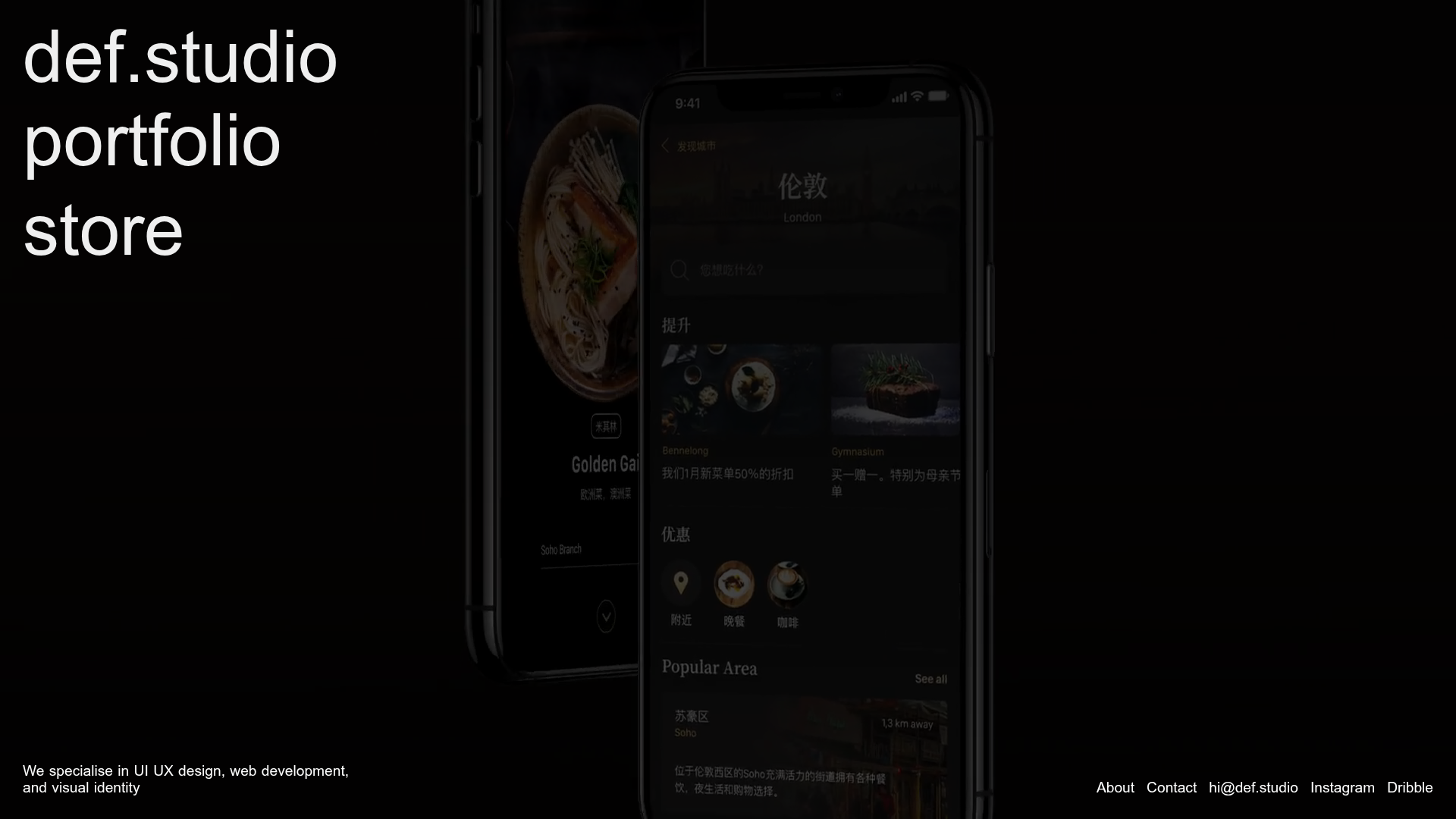
Def.studio Design Agency Portfolio
A dark-themed portfolio featuring a full-screen video background, smooth scroll transitions, and a vertical list of large-scale media-driven project cards with lazy-loaded video previews.
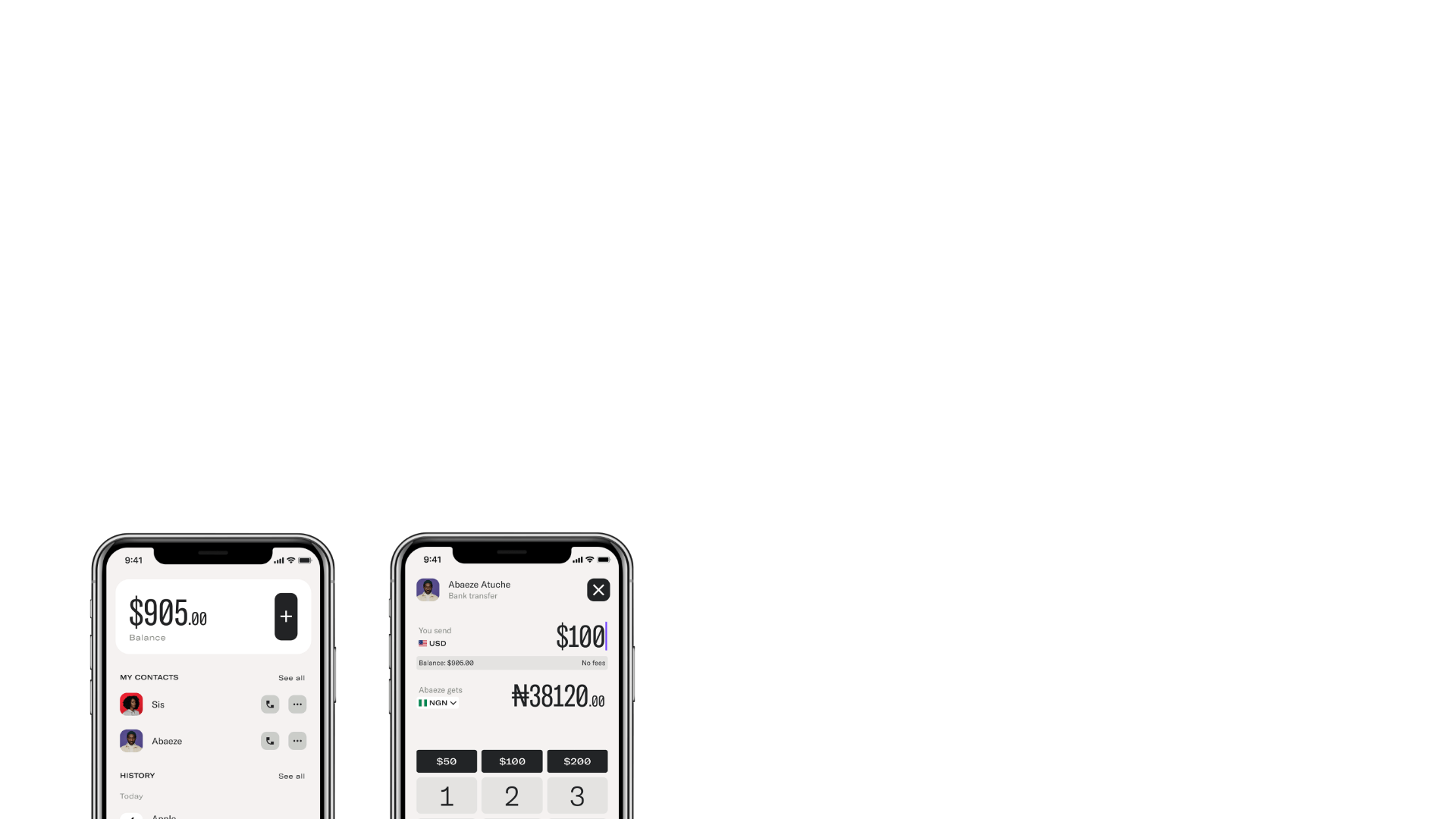
Magda Reyman Designer Portfolio
A minimalist portfolio layout featuring a fixed hero intro, absolute-positioned mobile UI mockups, and a distinctive high-contrast footer with rounded interaction buttons.
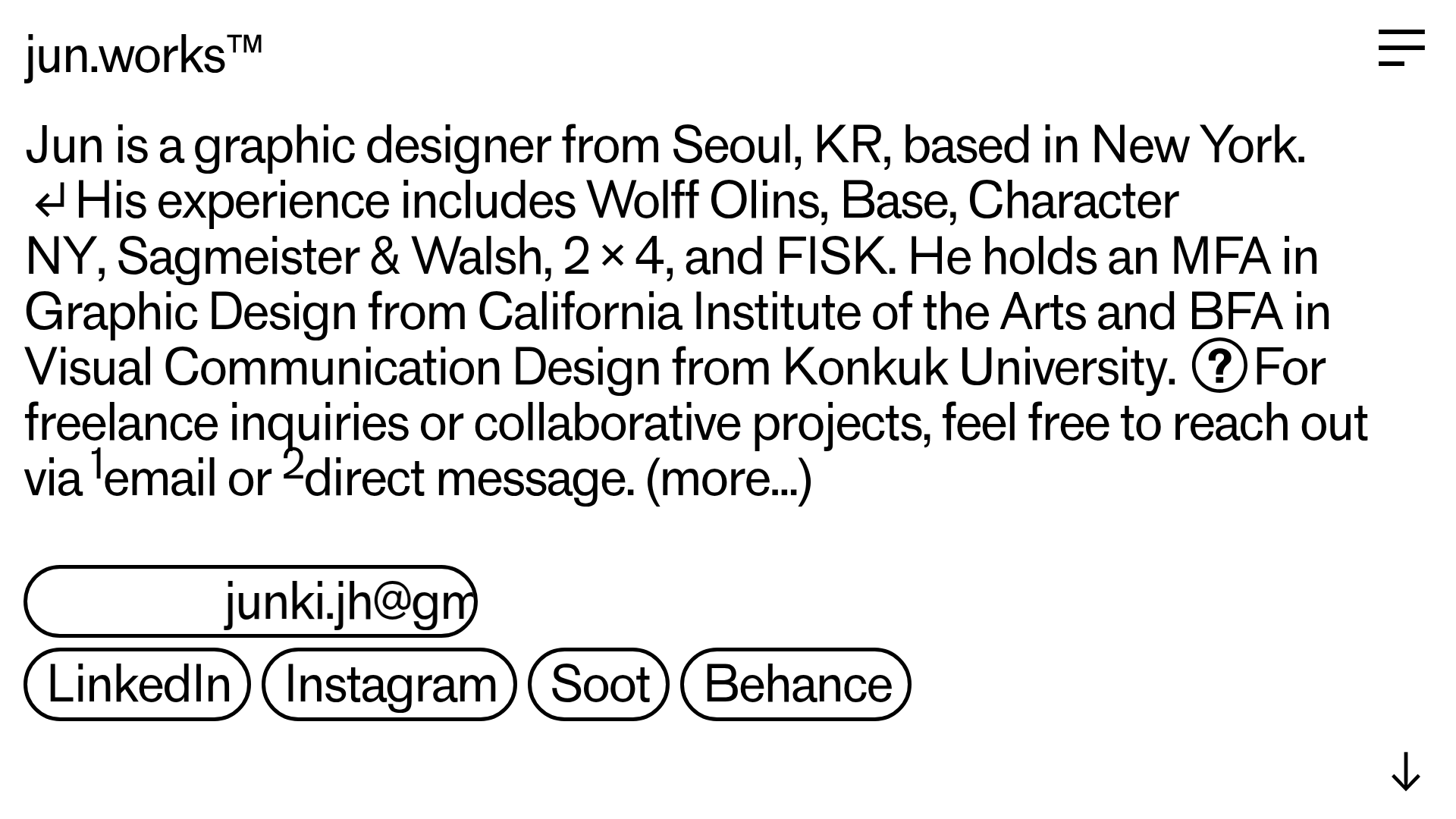
Jun Works Portfolio Landing Page
Minimalist graphic design portfolio featuring a text-heavy layout with image-on-hover tooltips, a pill-shaped marquee contact card, and a categorized hashtag tag cloud for project navigation.
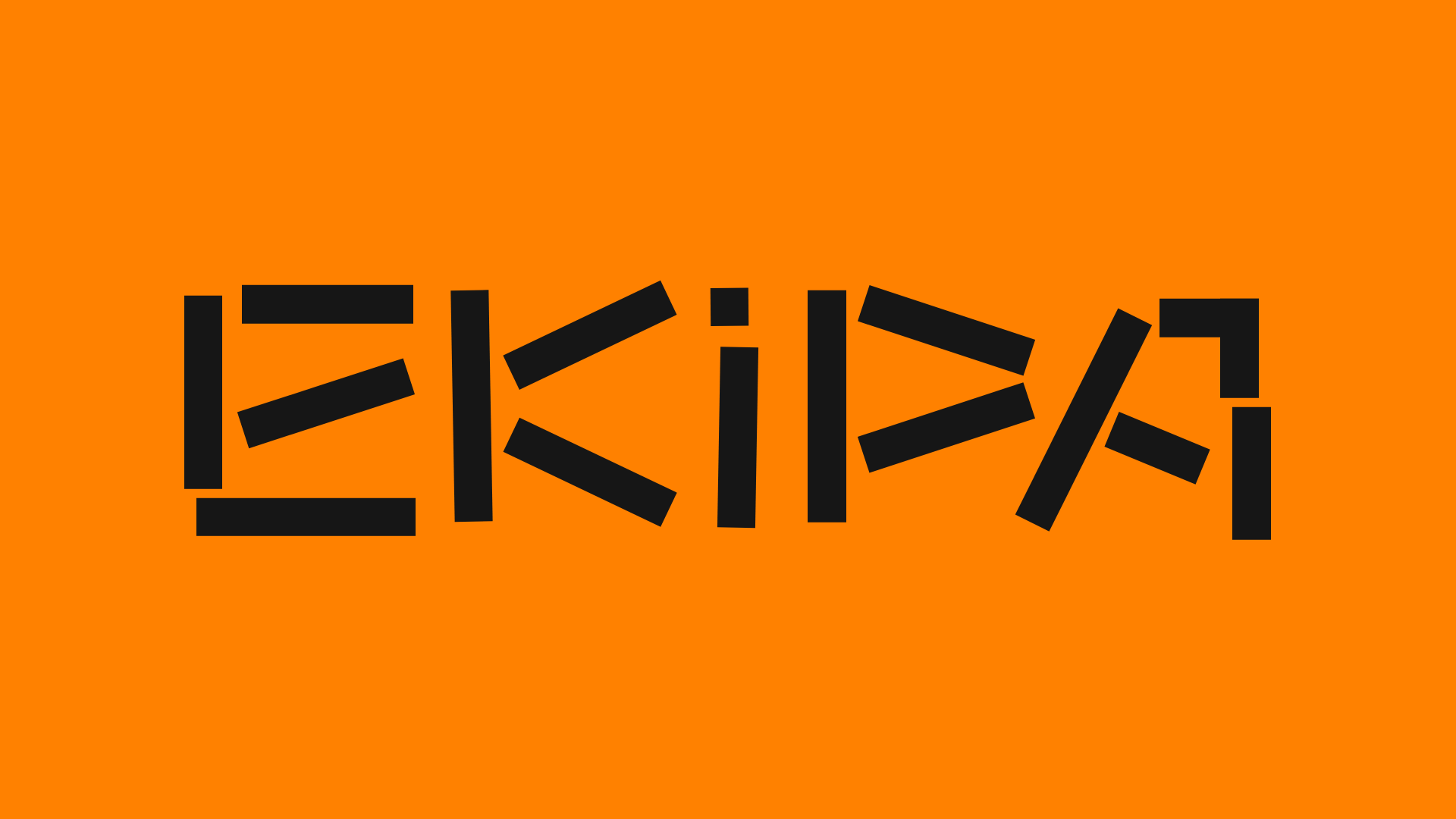
Ekipa Agency Artist Roster Site
A minimalist agency portfolio featuring a dynamic block-based logo, colorful background transitions, and a hover-activated image preview grid for an artist roster.
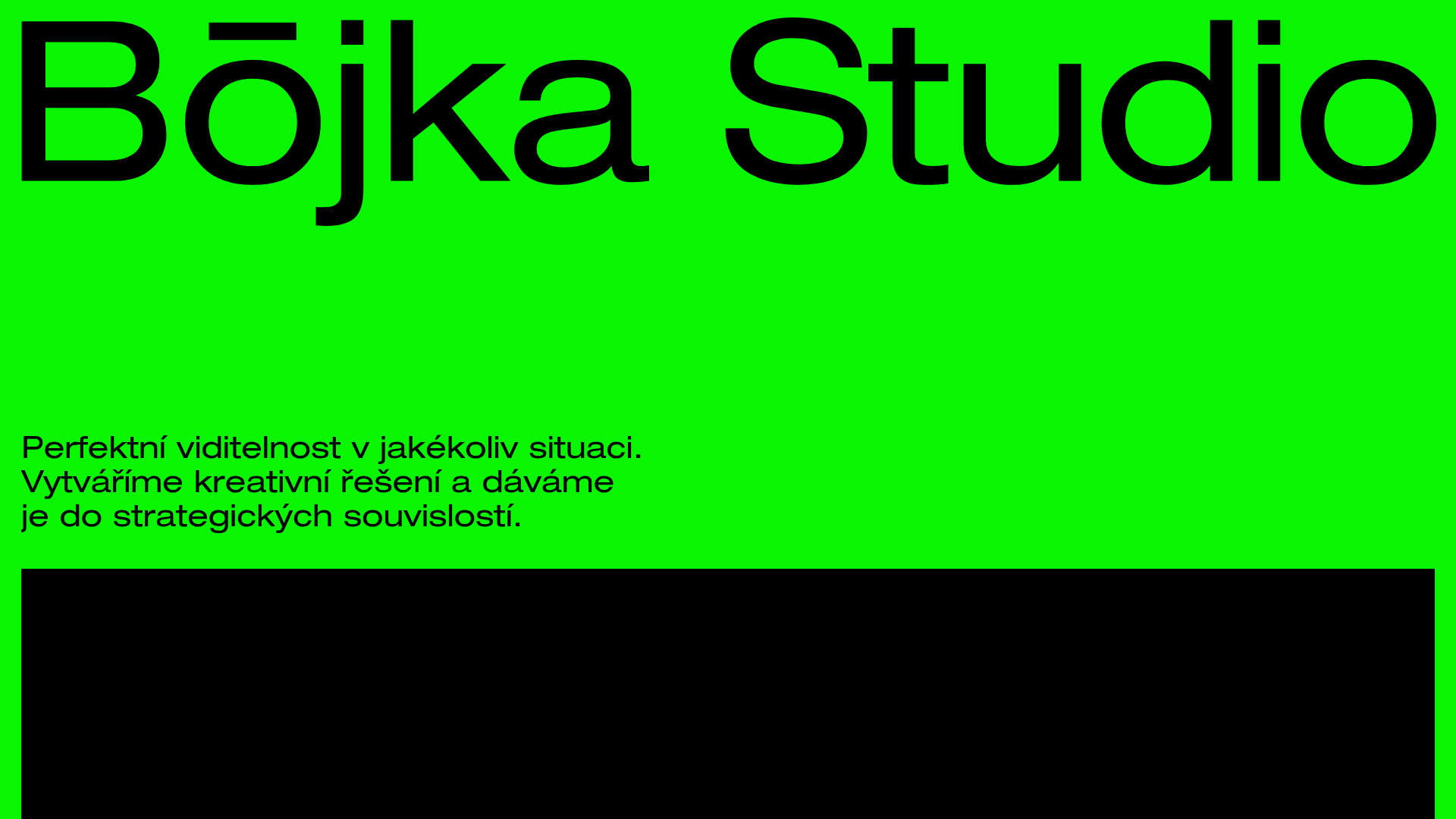
Bōjka Studio Minimalist Portfolio Landing
A bold, high-contrast design featuring a vibrant green hero section, large-scale typography, a crossfade image slideshow, and a fixed navigation footer.
