Generative Music Visualization Portfolio Canvas
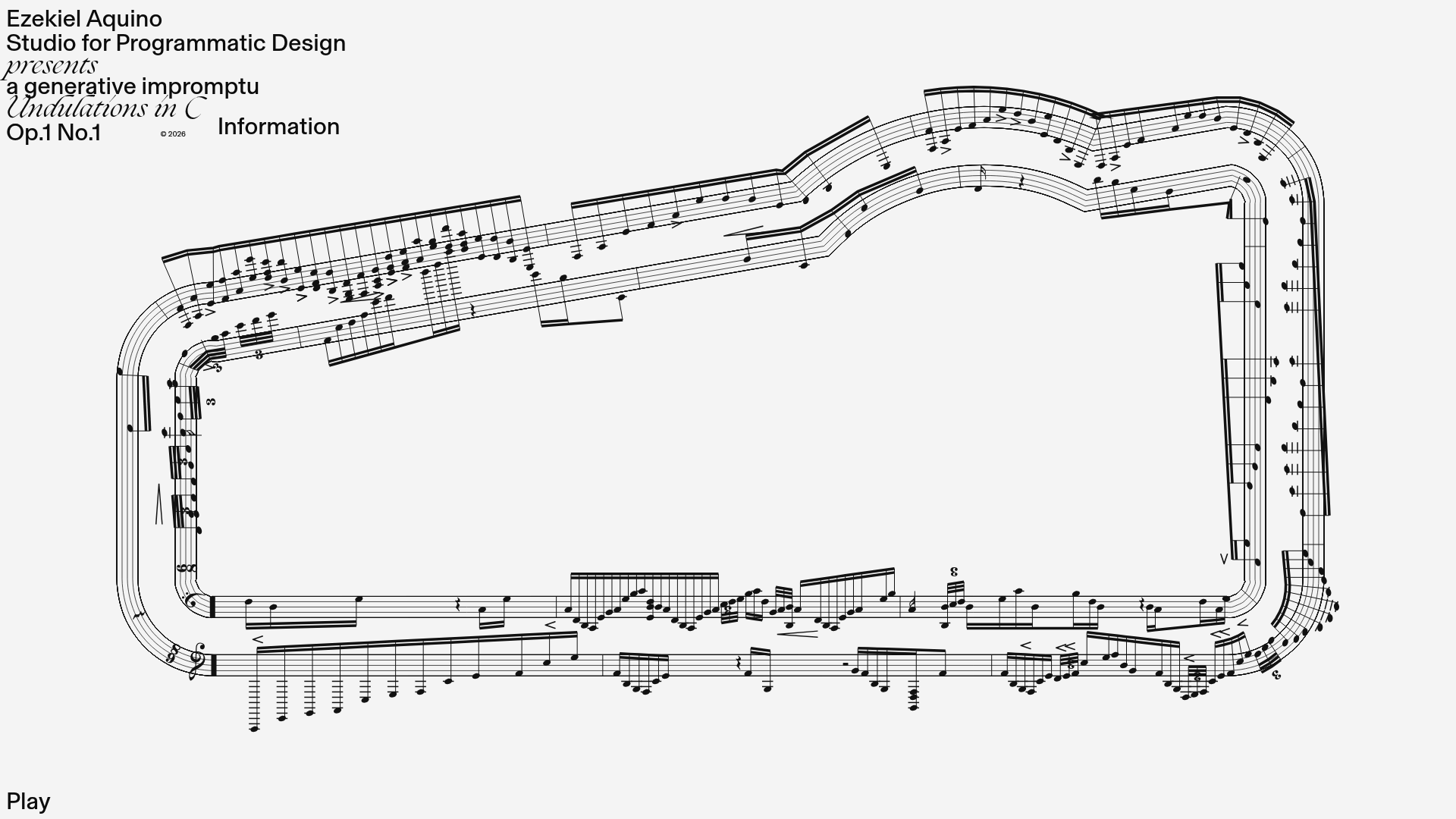
A creative coding project featuring a generative musical score on a dynamic canvas with a play/pause interaction and custom notation rendering.
Overview
This project is a sophisticated generative art experiments that merges music notation with programmatic canvas rendering. It serves as an excellent reference for builders looking to implement interactive HTML5 canvases, custom typography-based UI, and state management for media playback within a React environment.
Design System
- Color Palette & Visual Hierarchy: The aesthetic is high-contrast minimalist, utilizing a strict monochromatic (black and white) palette. This places 100% of the visual hierarchy on the complex, path-based musical notation and the stark typographic branding.
- Typography System: The design uses a blend of sans-serif and serif typefaces to denote different levels of information. The primary identification (Ezekiel Aquino) and functional buttons (Play, Information) use a clean, geometric sans-serif. Stylized titles like "Undulations in C" use an italicized serif to mimic classical manuscript aesthetics.
- Page Structure & Section Flow: The layout is a full-screen immersive canvas. The top-left corner is anchored by a branding block containing the artist's name, project title, and copyright metadata. The bottom-left features a floating action button (FAB) for "Play." The interactive score occupies the central and peripheral voids, forming a closed-loop circuit.
- Reusable Components: The core reusable element is the
canvasblock with its aria-label for accessibility. The "Play" button (css-11crhtc) is a minimalist, borderless trigger that serves as a template for unobtrusive utility controls in experimental portfolios. - Interaction and Motion Patterns: Based on the HTML, the site utilizes a state-driven toggle for the "Play" button. The canvas is set to
resize="true", suggesting a responsive engine that recalculates the path-based notation geometry based on the browser's viewport dimensions. - Implementation Clues: The HTML structure reveals a React-based architecture (
data-reactroot,__next) paired with CSS-in-JS styling. The specific IDpaper-view-0suggests the use of the Paper.js library for vector graphics and path manipulation.
Use Cases
- Who should clone this pattern: Creative developers building portfolio landing pages, digital artists showcasing generative algorithms, or music technologists creating interactive sheet music experiences.
- Effective Remixes: This pattern can be adapted for data visualization dashboards (replacing notes with data points along a path), interactive technical diagrams, or high-end fashion brand lookbooks where text must interact with graphic paths.
- Practical Remix Directions: Swap the monochromatic scheme for a brand-specific gradient, replace the musical notation logic with a different generative geometry (e.g., L-systems or Voronoi diagrams), or adapt the "Play" button into a volume or progress scrubber.
- Suggested Clone Scope: For a quick win, clone the typography block and the absolute-positioned button layout to create an immersive splash page. For a deeper project, clone the full-page canvas logic to handle high-resolution vector rendering.
Related Inspirations

Offten Interactive Typographic Hero
A Svelte-based immersive landing page featuring a full-screen WebGL background, brush-style text underlines, and scroll-triggered character animations.
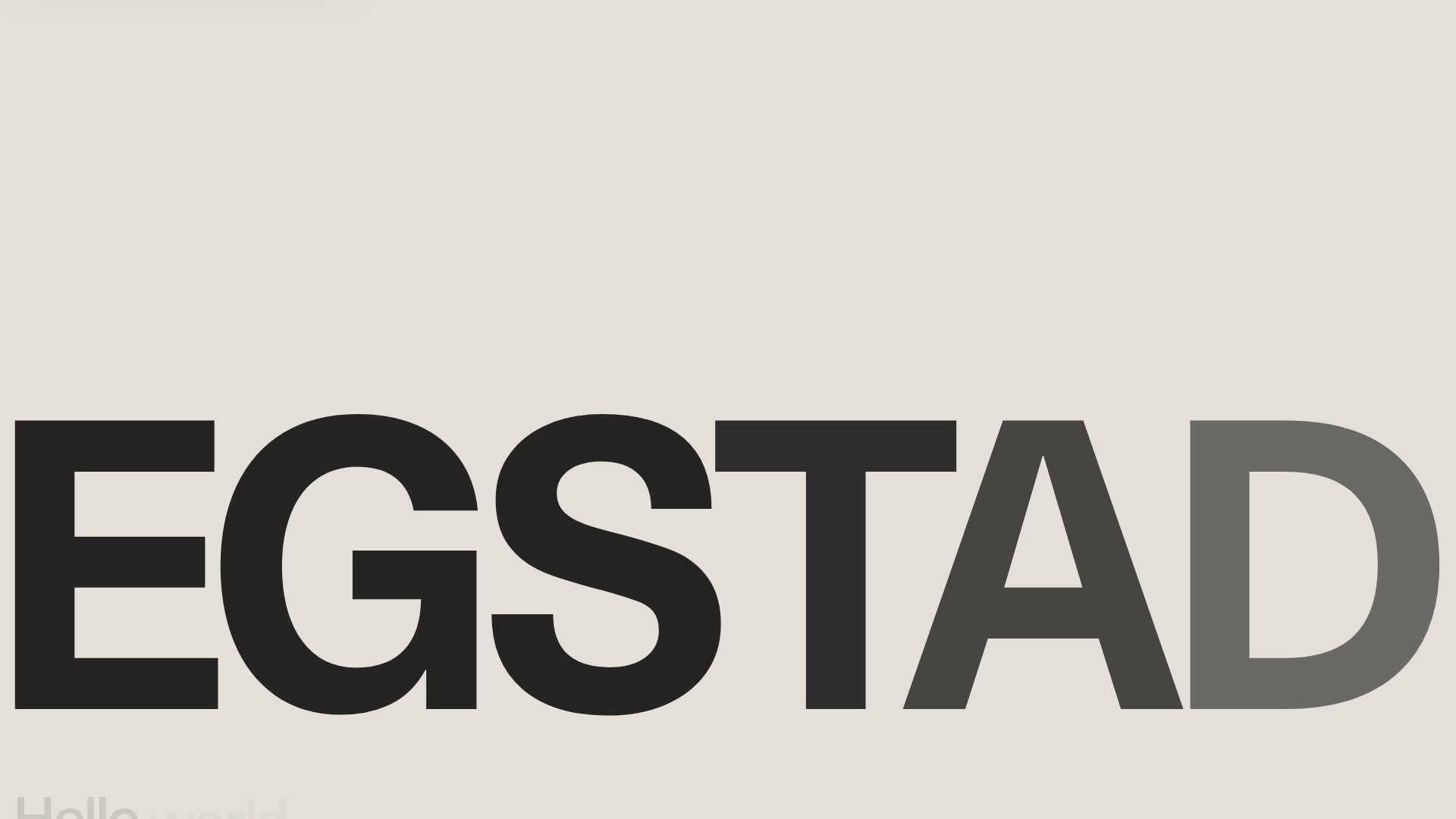
Egstad Minimalist Design Portfolio
A refined Nuxt.js portfolio featuring bold variable typography, interactive canvas elements, and a clean grid-based layout for showcasing design work.
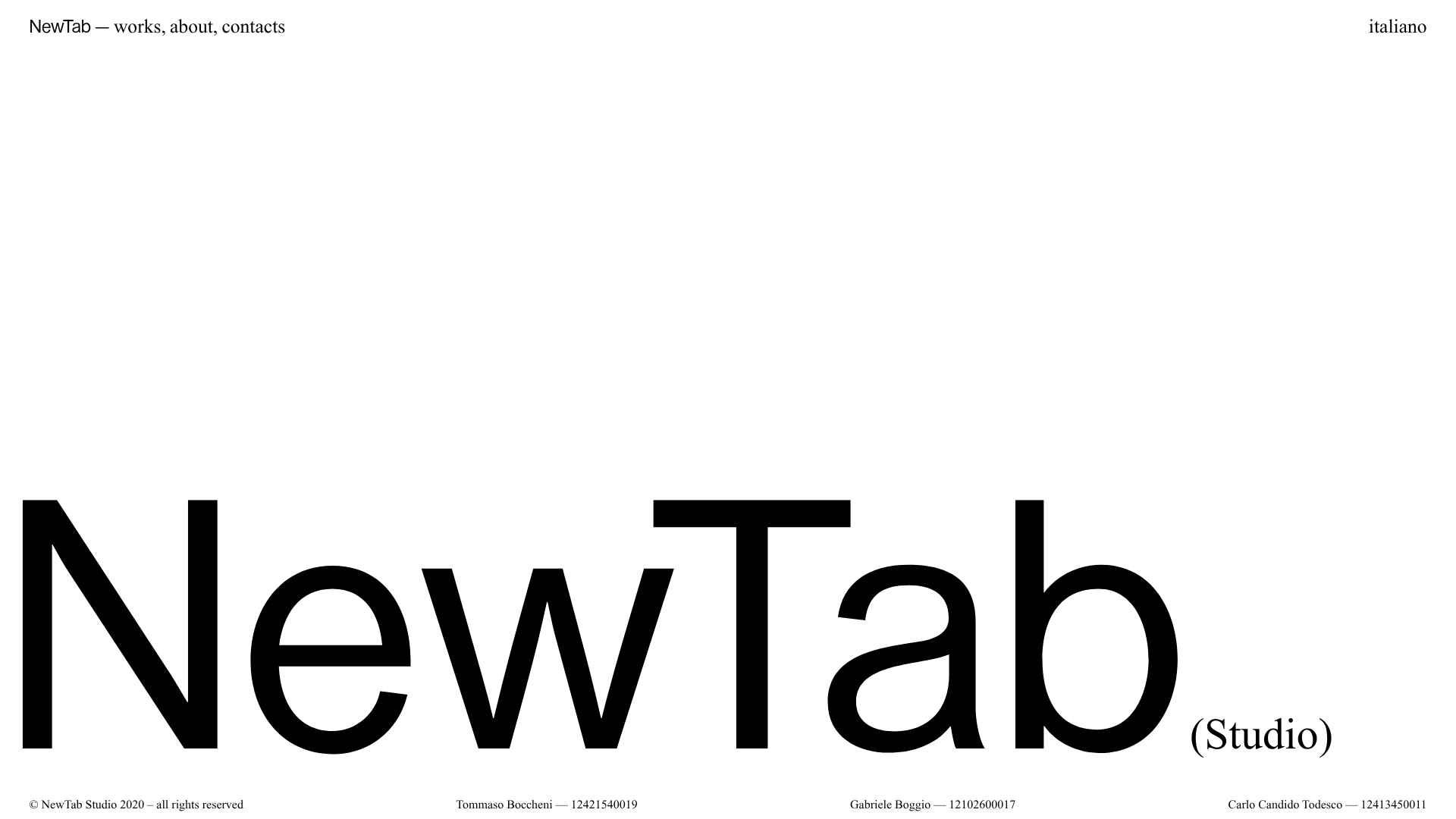
NewTab Studio Minimalist Portfolio Landing Page
A clean, typography-focused landing page featuring an oversized SVG/canvas hero title, a top-aligned navigation bar, and a minimalist footer layout.
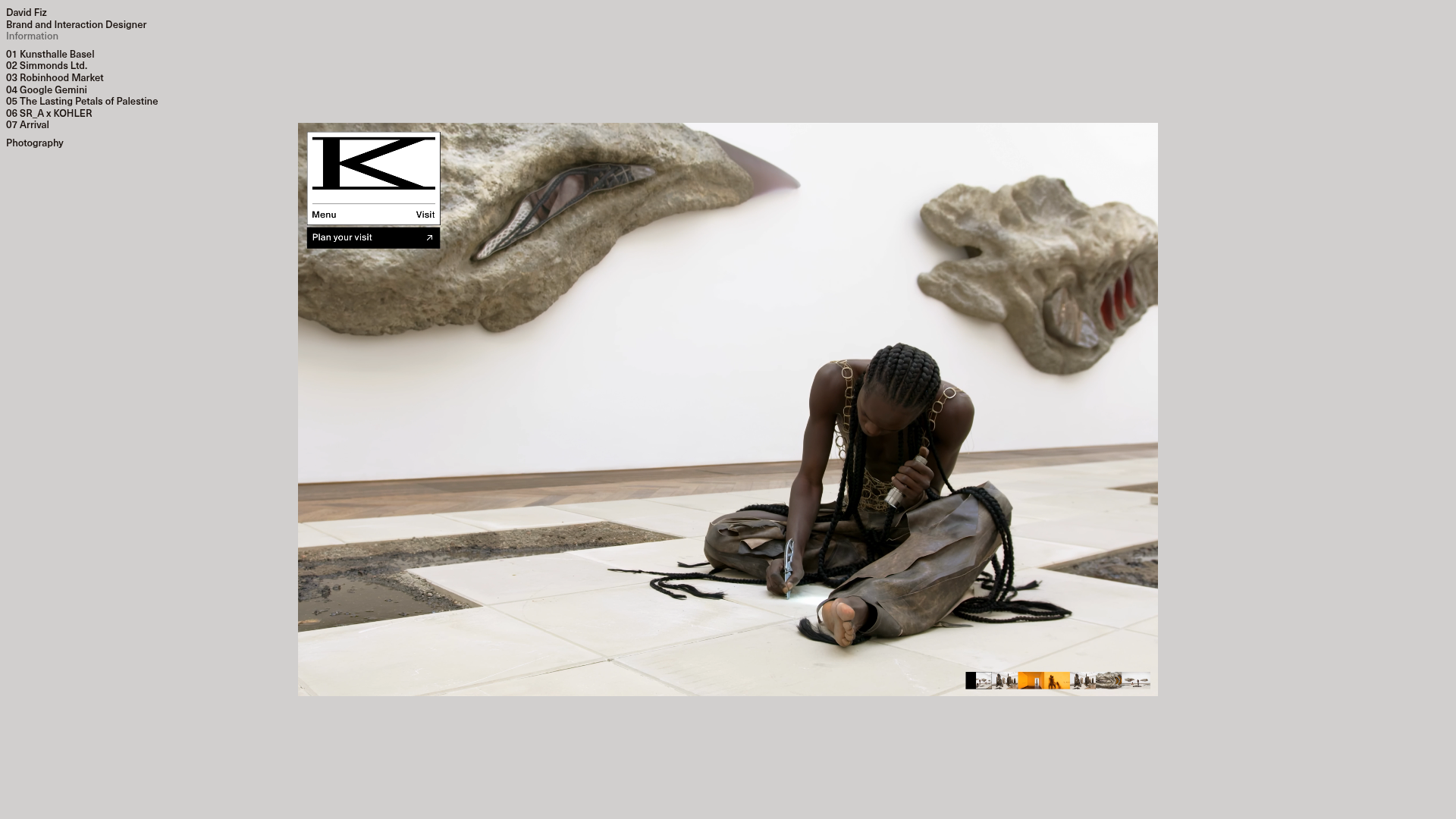
David Fiz Visual Design Portfolio
A minimalist portfolio featuring a fixed sidebar navigation paired with an immersive, full-screen media showcase and interactive project-specific image carousels.
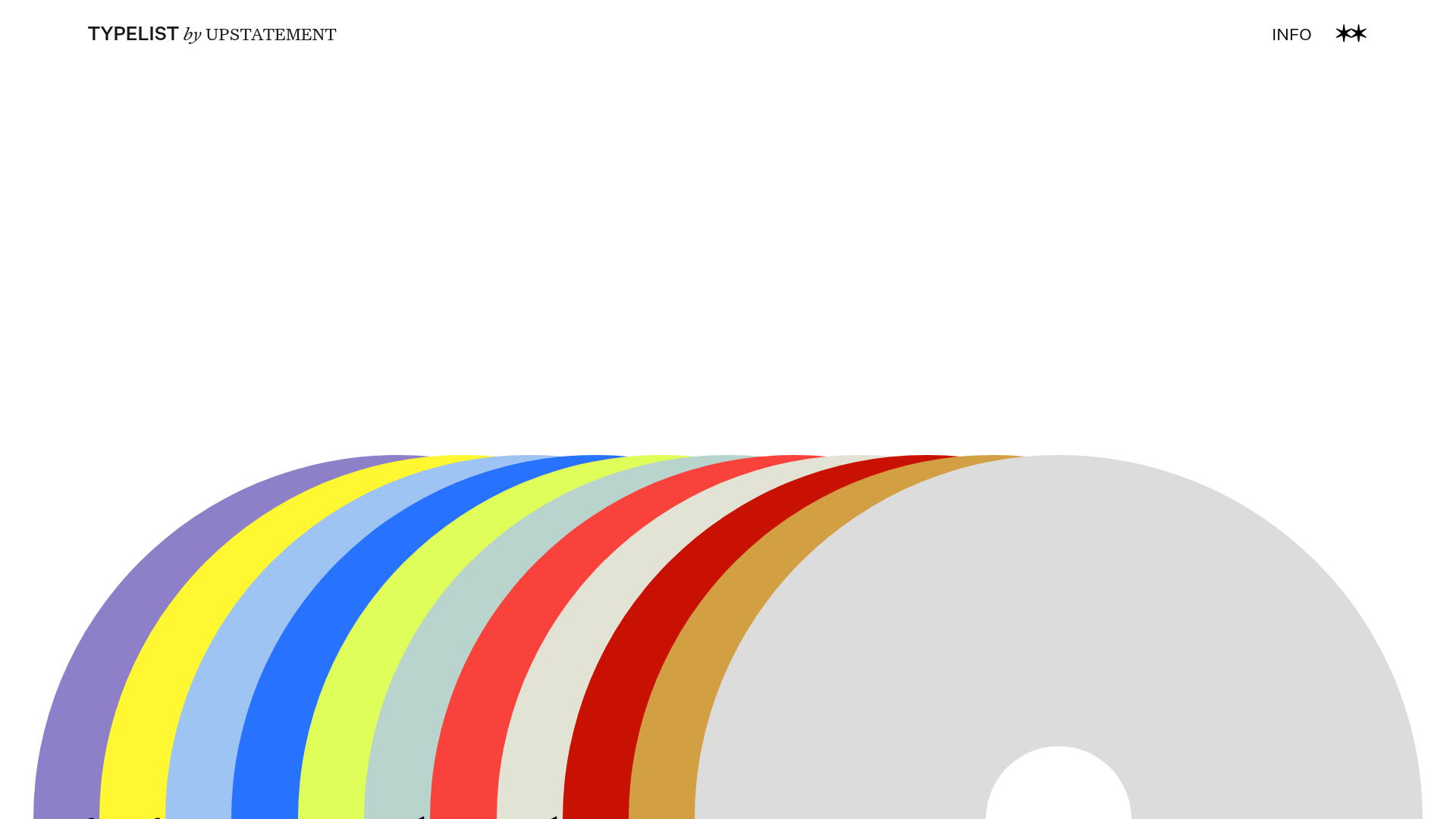
Typelist Typography Playlist Gallery
A creative curated gallery featuring a horizontal overlapping disc navigation pattern, CSS-driven theme color shifting, and smooth page transitions for showcasing design collections.
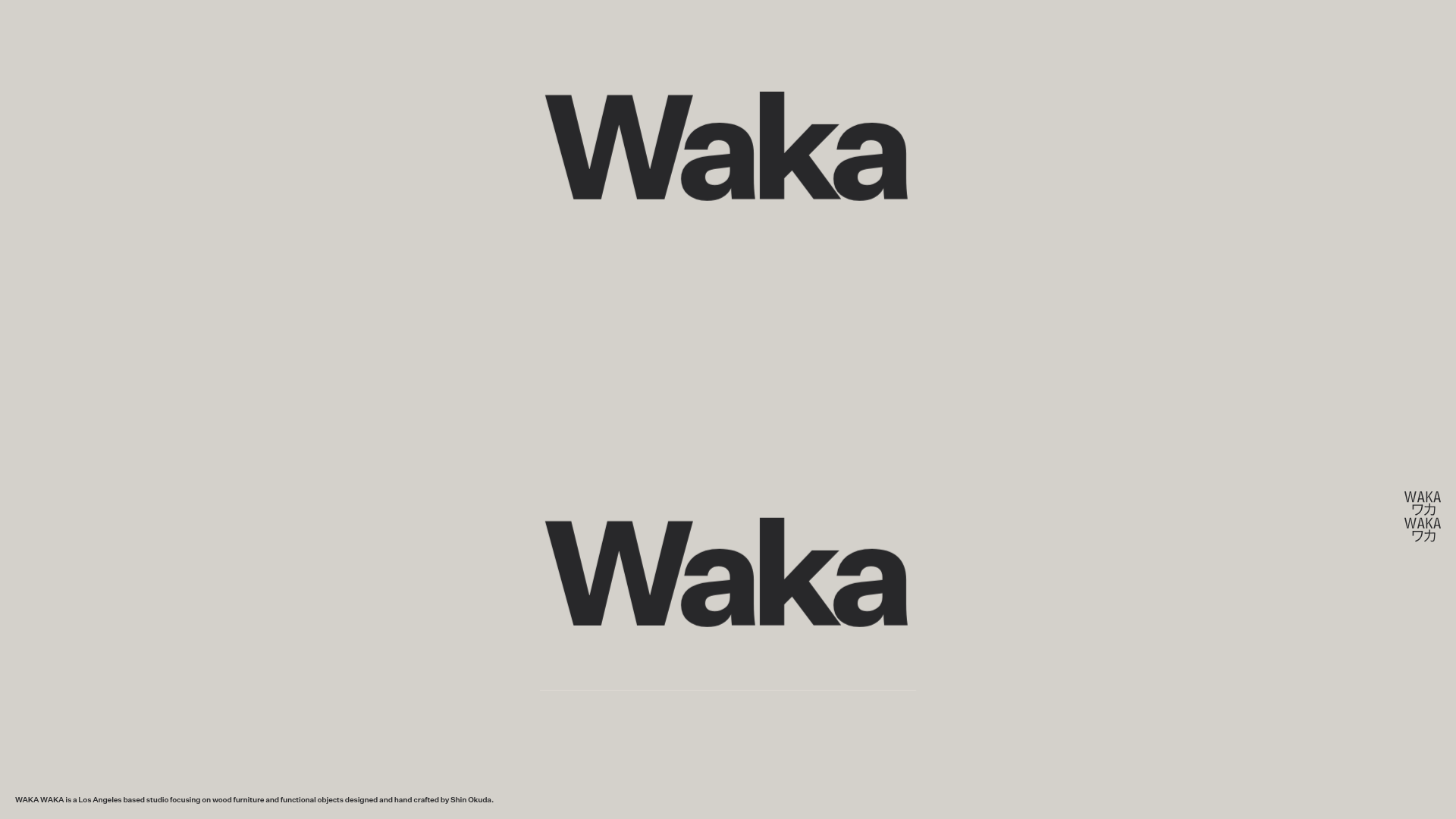
Waka Waka Furniture Portfolio
A minimalist design showcase featuring a custom cursor, parallax scroll effects, and a vertical image grid layout for high-end product displays.
