Minimal Text-Based 404 Error Page
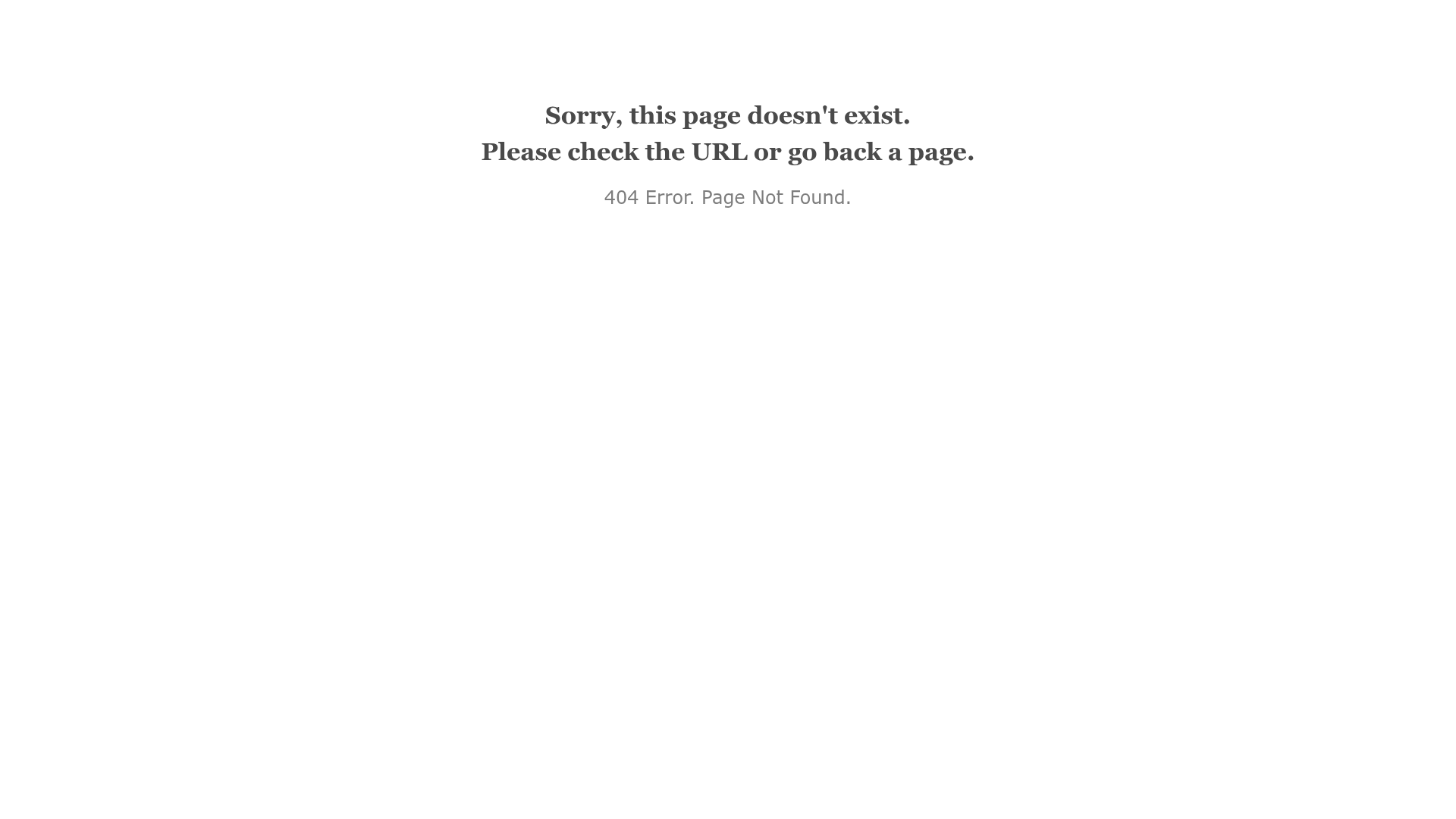
A clean, centered 404 error page template featuring serif and sans-serif typography on a white background.
Overview
This template provides a strictly minimalist 404 error page focused on clarity and typography. It serves as a solid foundation for builders looking to implement a friction-less error state that adheres to traditional design principles without distracting visual noise.
Design System
- Color Palette & Visual Hierarchy: The design uses a high-contrast monochromatic scheme. A dark gray main heading (#4a4a4a) establishes primary focus, followed by a lighter medium-gray subtitle (#7d7d7d). The vast white space emphasizes the central message.
- Typography System: The layout utilizes a font-pairing strategy of a classic serif (Georgia) for the primary message to imply authority and reliability, contrasted against a secondary sans-serif (Verdana) for the technical error code to provide a modern, clean feel.
- Page Structure: The structure is purely centered and vertically stacked. It begins with a significant top margin (4em) to push content into the natural eye-line of the viewport.
- Reusable Components: The primary component for cloning is the centralized text block containing the
h1andh2elements. This responsive unit can be easily dropped into any application container for immediate error-state feedback. - Responsive/Mobile Behavior: The fluid nature of the block-level elements and centered alignment suggests natural scaling across screen sizes, as the text will wrap based on viewport width while maintaining its central orientation.
- Implementation Clues: The HTML reveals direct inline styling using standard font-family stacks and hex codes, making it platform-agnostic and easy to transplant into any CSS framework or vanilla project.
Use Cases
- Who Should Clone: Developers and designers building MVP platforms, minimalist portfolios, or corporate documentation sites that require a professional but understated error page.
- Effective Remixes: SAAS dashboards can remix this by adding a secondary 'Return Home' button or an automated search bar beneath the secondary heading.
- Remix Directions: Swap the Georgia serif for a brand-specific display font or change the white background to a brand-specific neutral tone to align with existing design systems.
- Clone Scope: A quick section clone is recommended. Reusing the specific line-height and margin patterns ensures the error message feels intentional rather than like an unstyled default page.
Related Inspirations
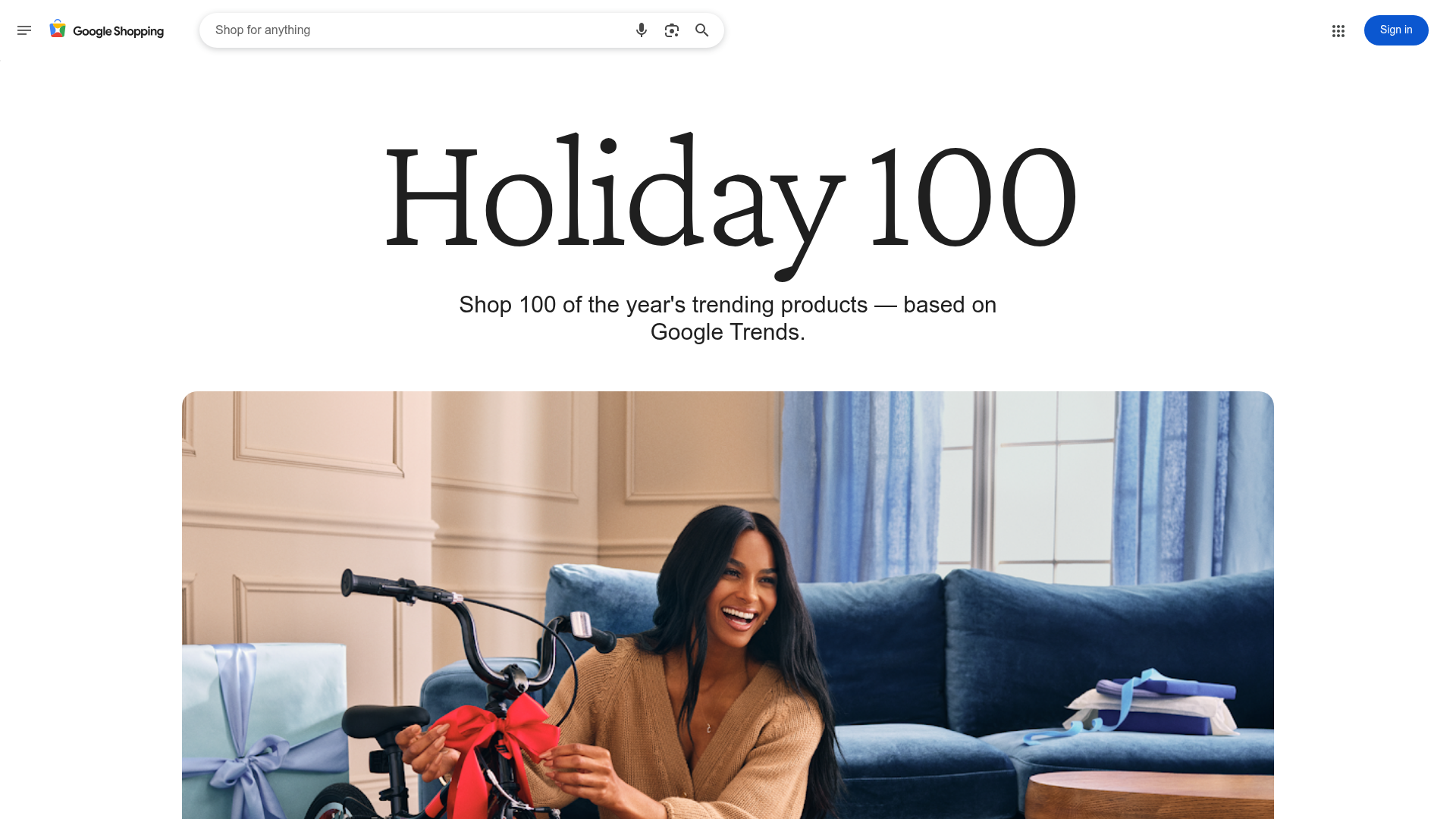
Google Holiday 100 Curator Landing Page
A minimalist e-commerce showcase featuring a wide hero section, clean search integration, and a bold typography-driven header designed for trending product collections.
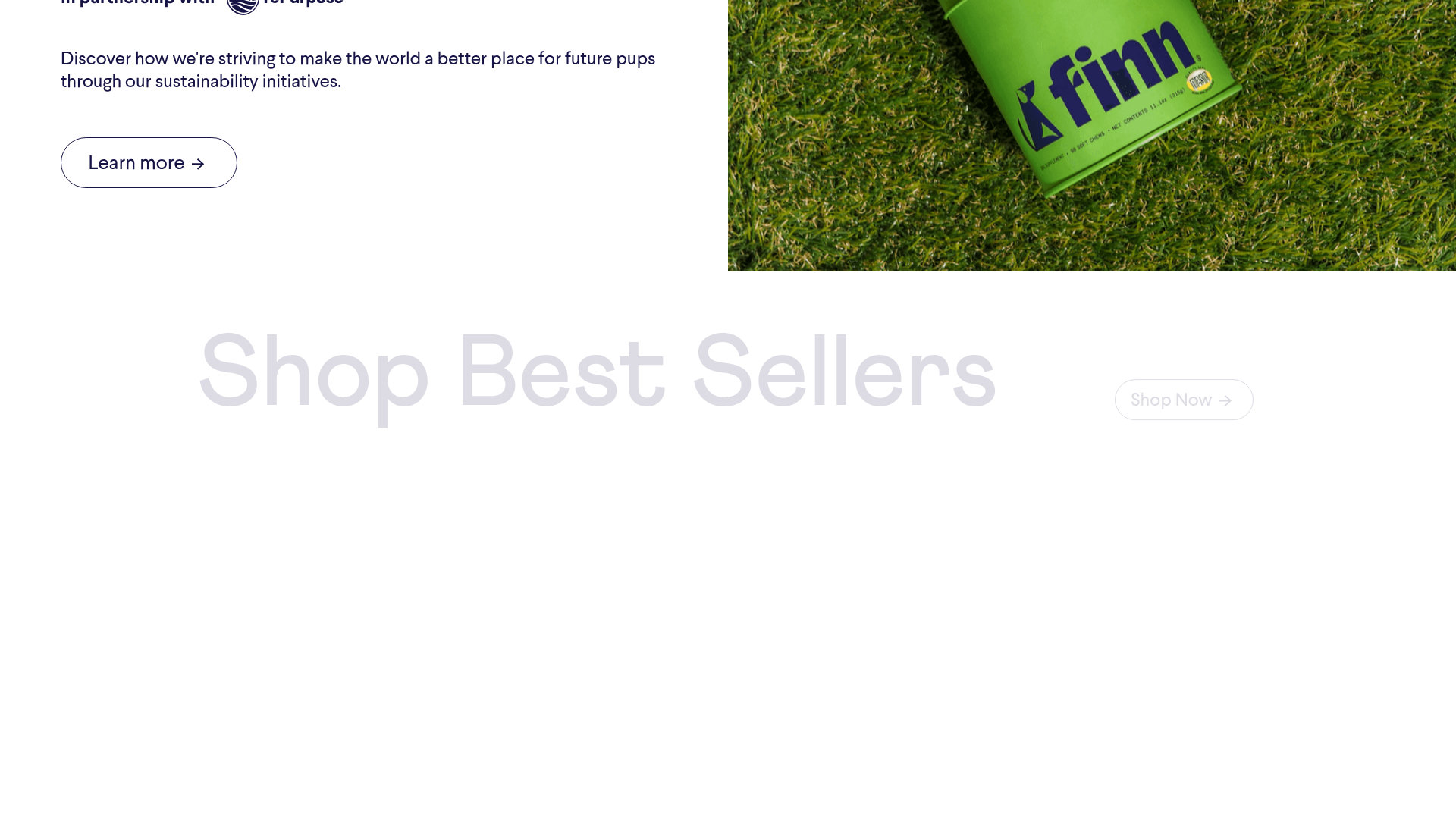
Finn Pet Supplements Landing Page
An e-commerce landing page featuring high-contrast typography, a sticky brand logo banner, parallax scroll effects on product headers, and a clean product grid.
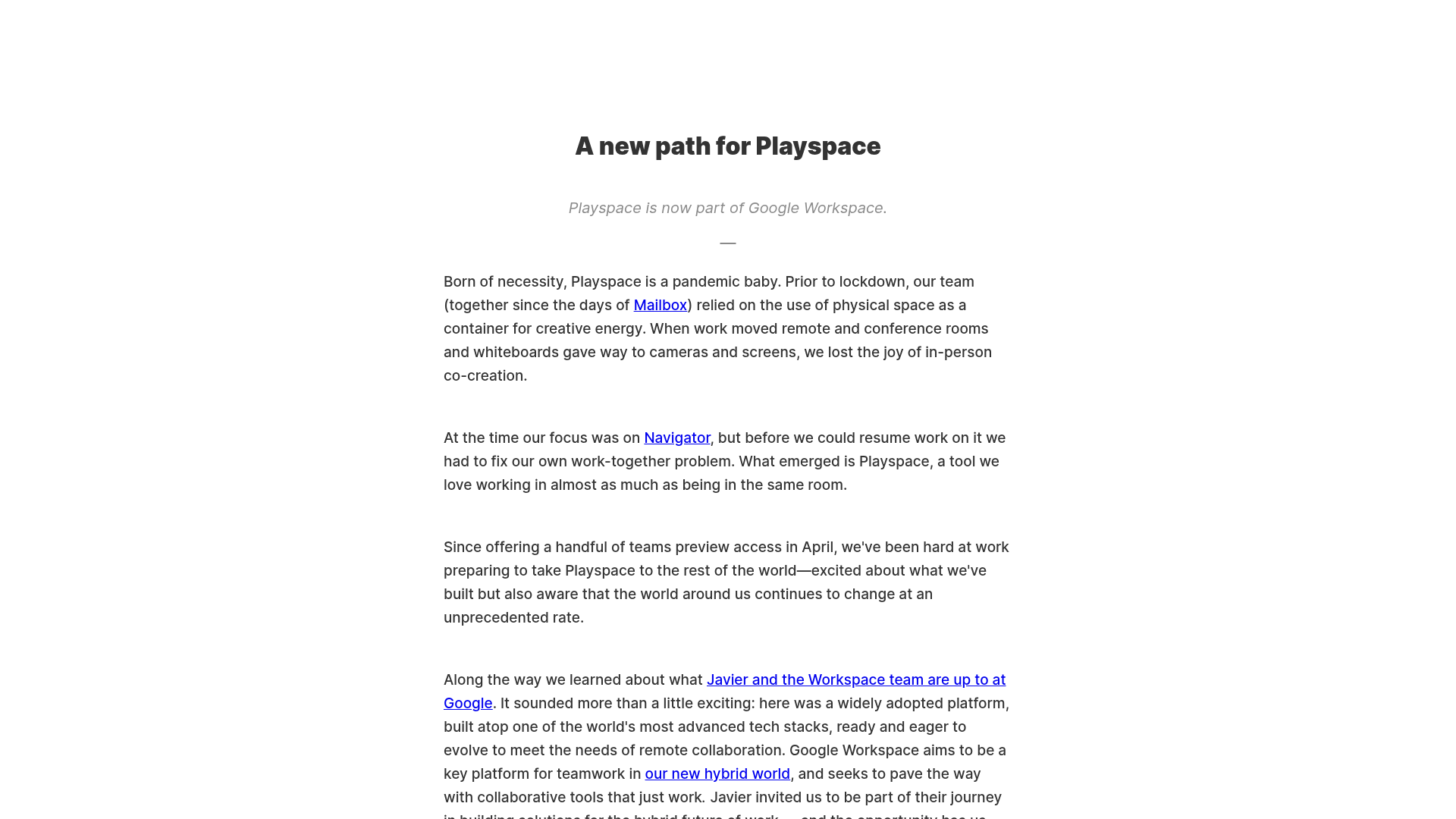
Playspace Acquisition Announcement Minimalist Layout
A clean, center-aligned announcement template featuring a vertical stack of rich text content and linked text elements on a neutral background.
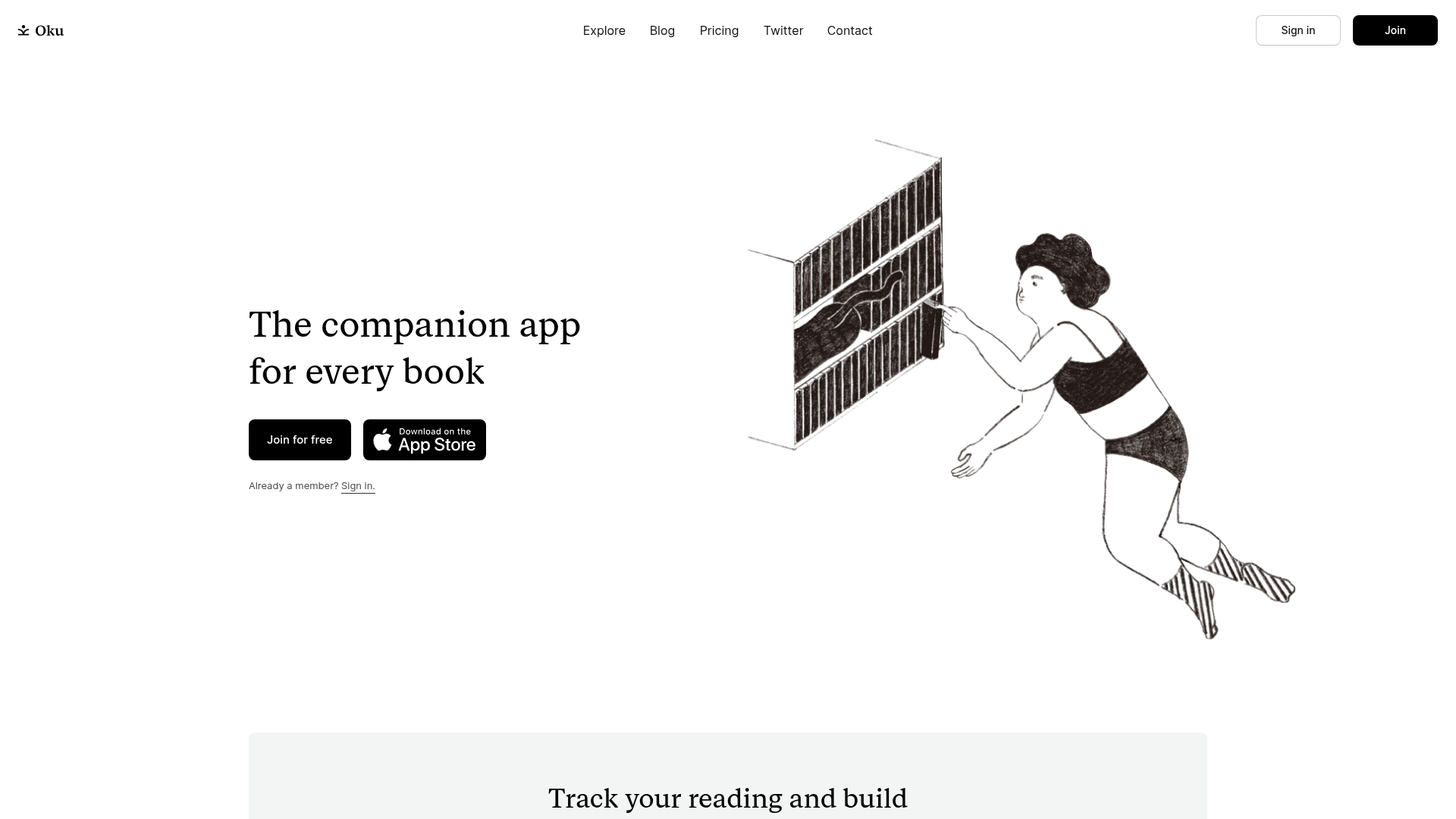
Oku Minimalist Book Tracking Landing Page
A clean, typography-focused landing page featuring a minimalist header, illustrated hero section, and clear call-to-action buttons for app downloads.
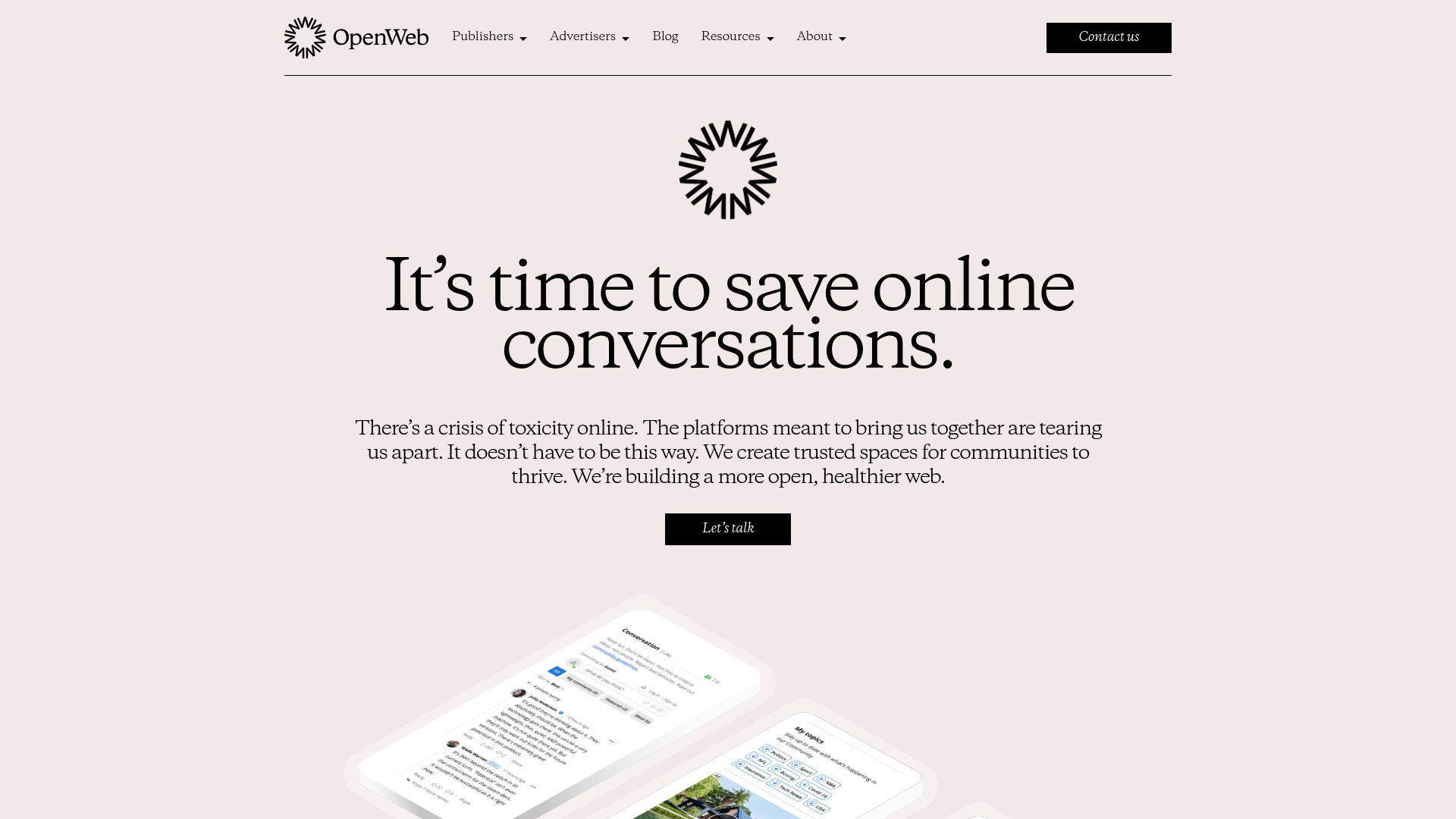
OpenWeb B2B Service Landing Page
A professional landing page layout featuring a central animated hero area, data visualization counters, a client logo grid, testimonial slider, and tabbed lead generation forms.
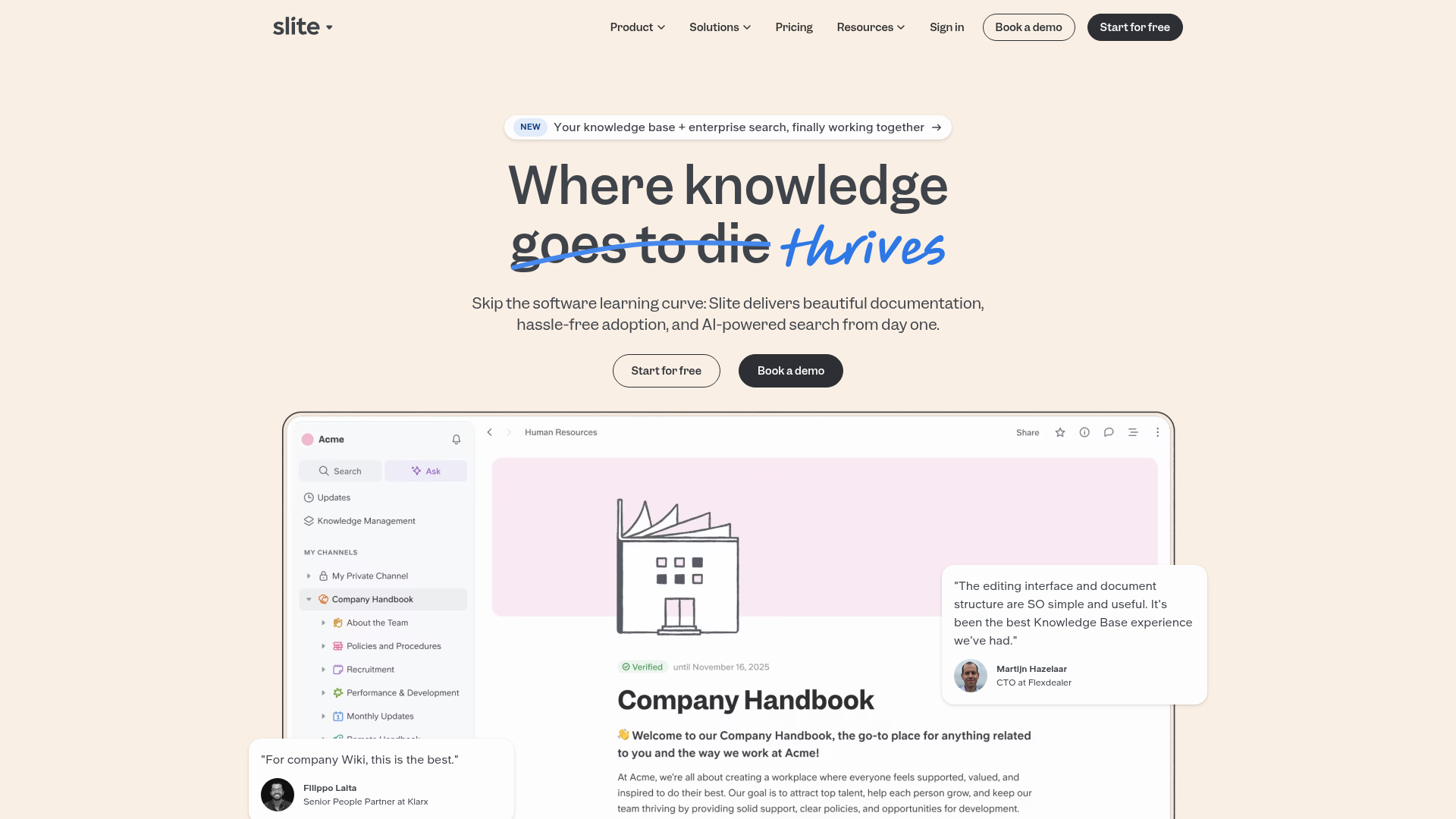
Slite SaaS Knowledge Base Landing Page
A clean SaaS hero section with a conversational headline, secondary call-to-action buttons, and a structured software interface preview featuring user testimonials.
