Standard Apache 404 Error Page
Minimal server-side error page layout featuring basic HTML typography, a horizontal rule, and a simple server identification footer.
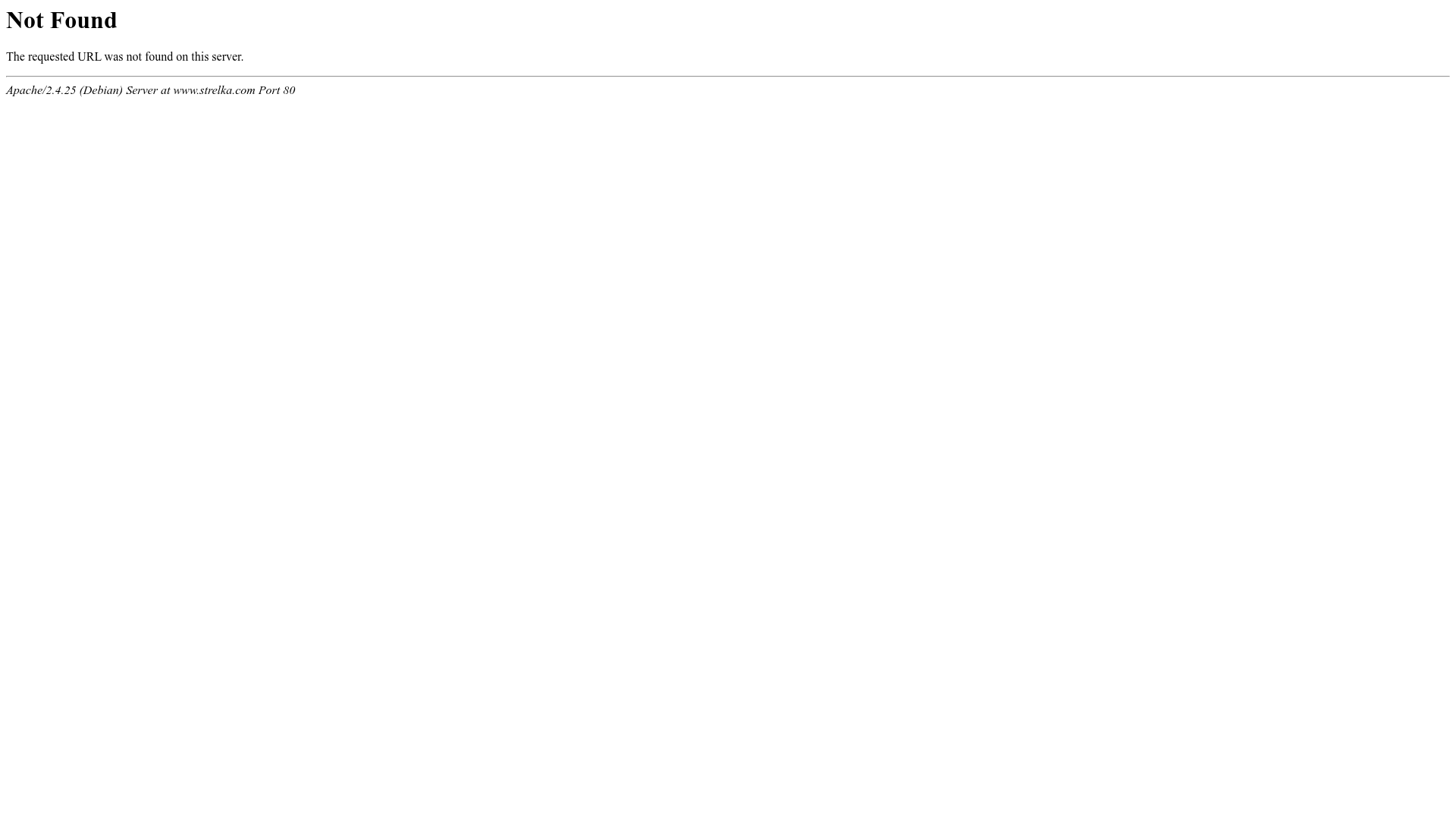
Overview
This page represents the default Apache HTTP Server 404 error page, a ubiquitous piece of web infrastructure used to signal missing resources. Despite its simplicity, it is a masterclass in functional, zero-latency communication that serves as an essential fallback design for any web application.
Design System
- Color Palette and Visual Hierarchy: The design utilizes a high-contrast monochrome palette (black text on a white background). Hierarchy is established through size and vertical positioning, prioritizing the error status ("Not Found") over secondary explanations.
- Typography System: Uses standard system serif fonts (likely Times New Roman). The header is rendered with a standard
h1tag for maximum impact, while body text and addresses use smaller font scales for a clear information hierarchy. - Page Structure: A strictly vertical, top-aligned flow consisting of a primary heading, a descriptive paragraph, a thematic break (
hr), and a metadata footer (address). - Reusable Components: The core component to clone is the "System Status Message" block, which provides clear, unambiguous feedback to the user without external dependencies like CSS or JavaScript files.
- Interaction and Motion: No interactive elements or motion are present; the design is static to ensure immediate rendering even during server instability.
- Responsive Behavior: Inherently responsive due to the lack of fixed widths; text wraps naturally to fit any viewport size from mobile to desktop.
- Implementation Clues: The HTML structure is raw semantic markup (
h1,p,hr,address). It relies entirely on browser-default styling, making it the most lightweight pattern possible for error handling.
Use Cases
- Who should clone: Backend developers building minimalist APIs, system administrators configuring server defaults, or developers needing a "safety net" page that loads even when asset CDNs are down.
- What products can remix: Log management tools, terminal-style web apps, or developer-focused documentation sites looking for a "brutalist" or technical aesthetic.
- Practical remix directions: Keep the semantic structure but apply a brand-specific monospace font, adjust the horizontal rule to a brand color, and replace the technical server info in the
addresstag with a "Return to Home" link or a support contact email. - Suggested clone scope: A quick section clone of the structure is sufficient to ensure all web applications have a robust, lightweight fallback for 400 and 500-series status codes.
Related Inspirations
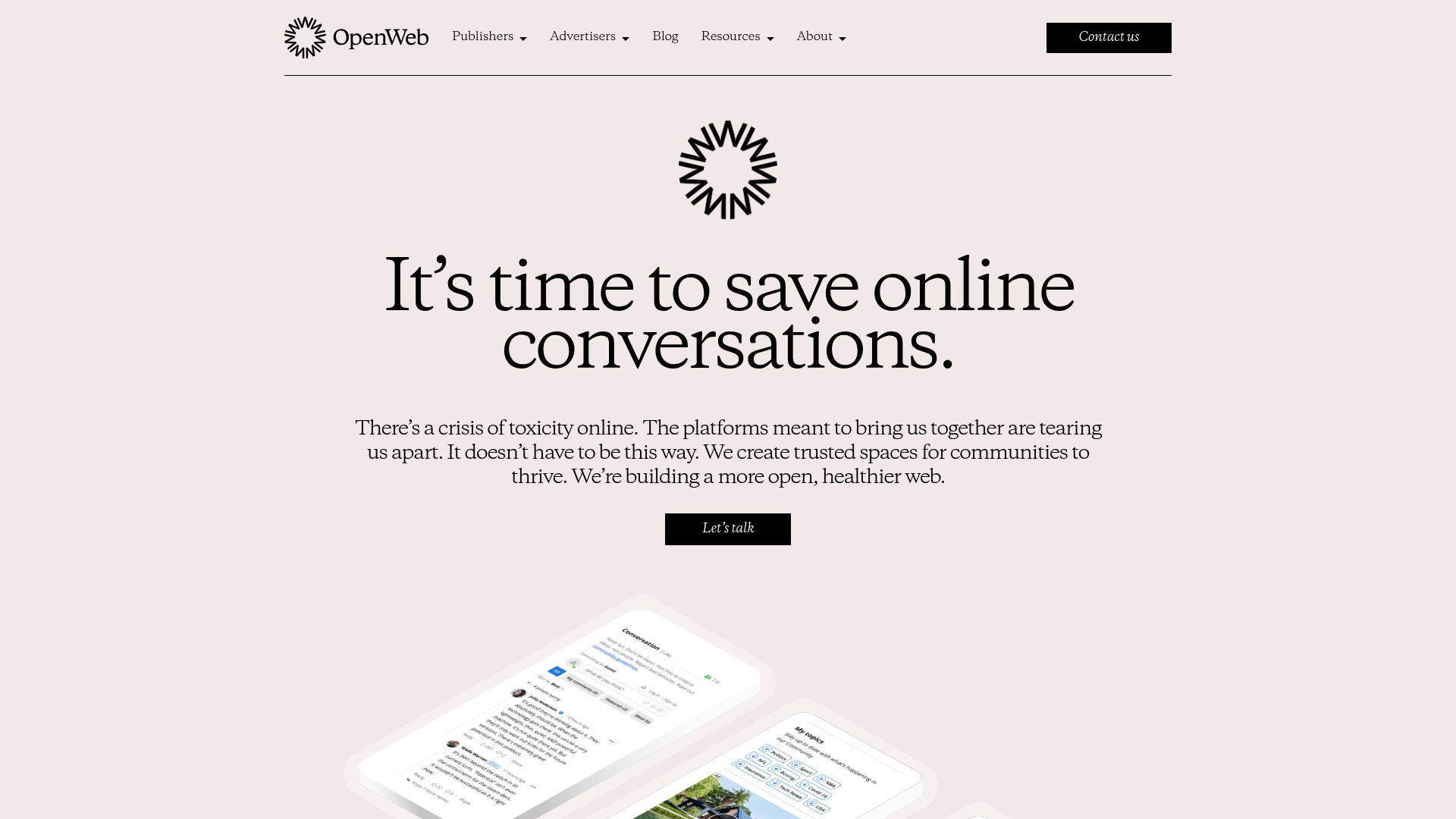
OpenWeb B2B Service Landing Page
A professional landing page layout featuring a central animated hero area, data visualization counters, a client logo grid, testimonial slider, and tabbed lead generation forms.
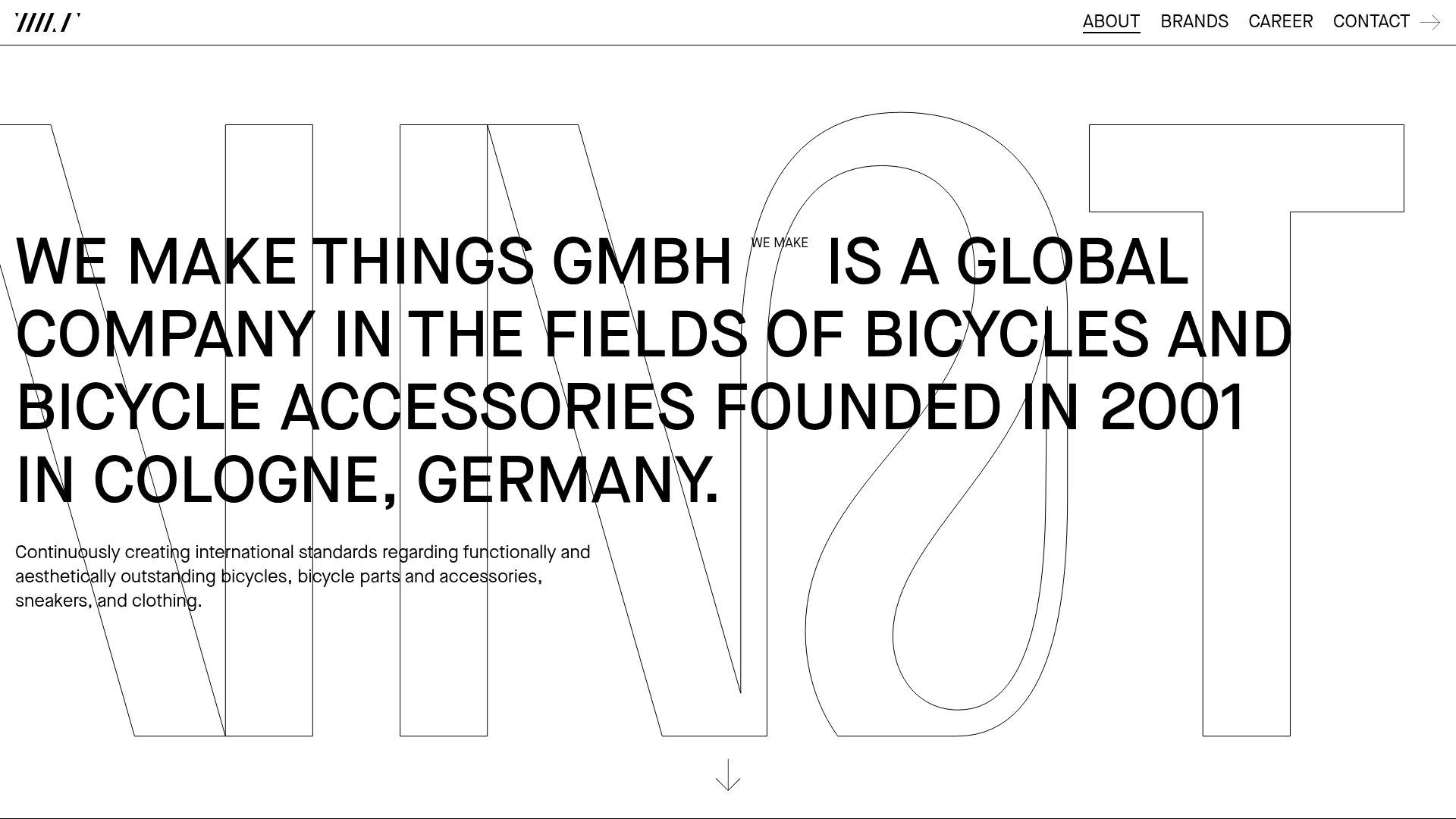
WE MAKE THINGS Corporate Portfolio
A minimalist corporate site featuring a bold typography-heavy hero section and an accordion-style brand list with integrated image galleries and external links.
403 Forbidden Access Page
A minimalist, centered HTTP 403 error status page layout suitable for clean and simple server-side response templates.
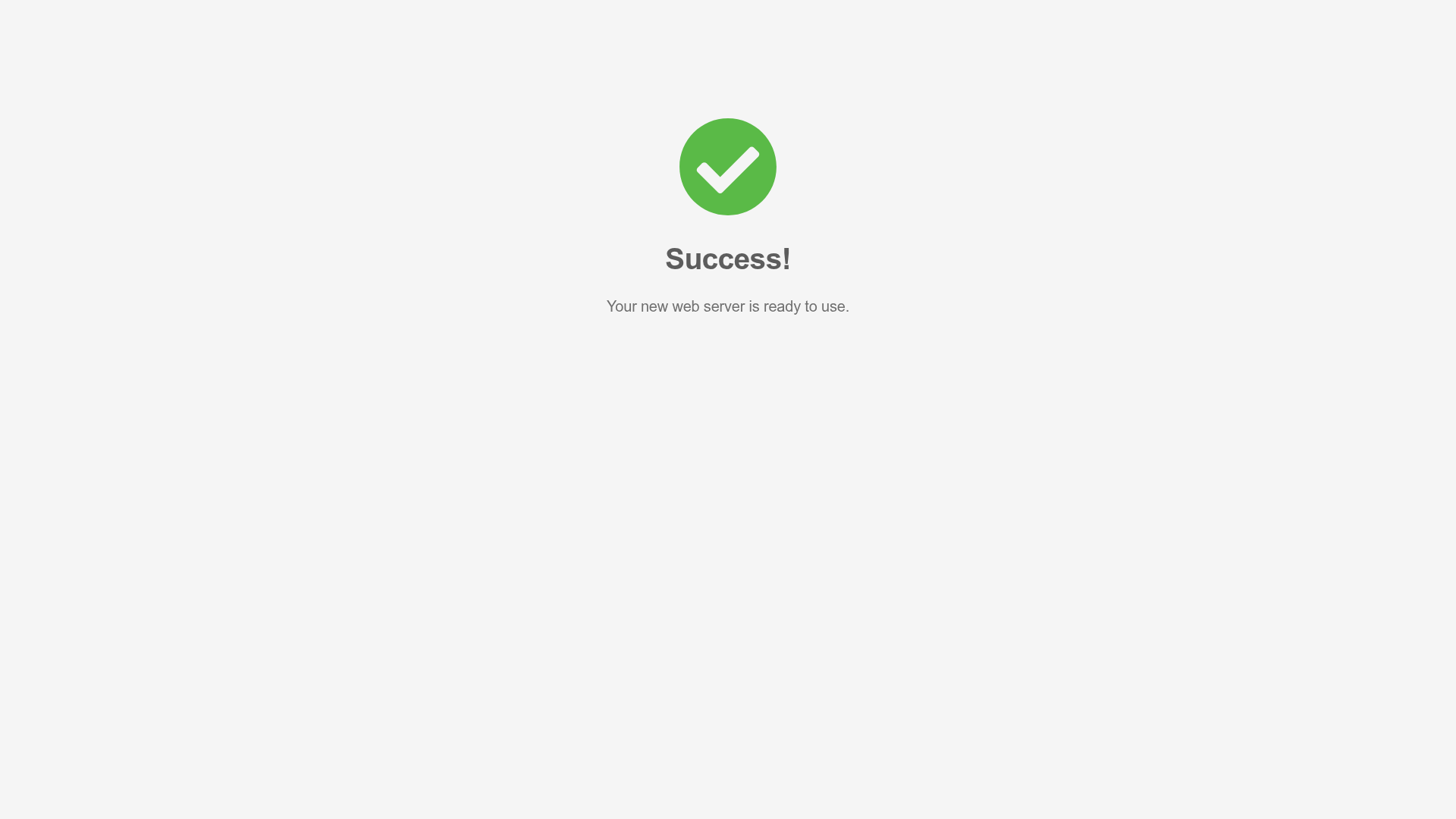
Minimal Animated Success Landing Page
A clean, centered confirmation screen featuring a large green icon, a bold heading, and smooth fade-in entry animations.

Nonymous Coming Soon Placeholder Page
A minimalist blank landing page featuring a simple 'Coming soon' text layout suitable for basic domain parking or initial placeholder deployment.
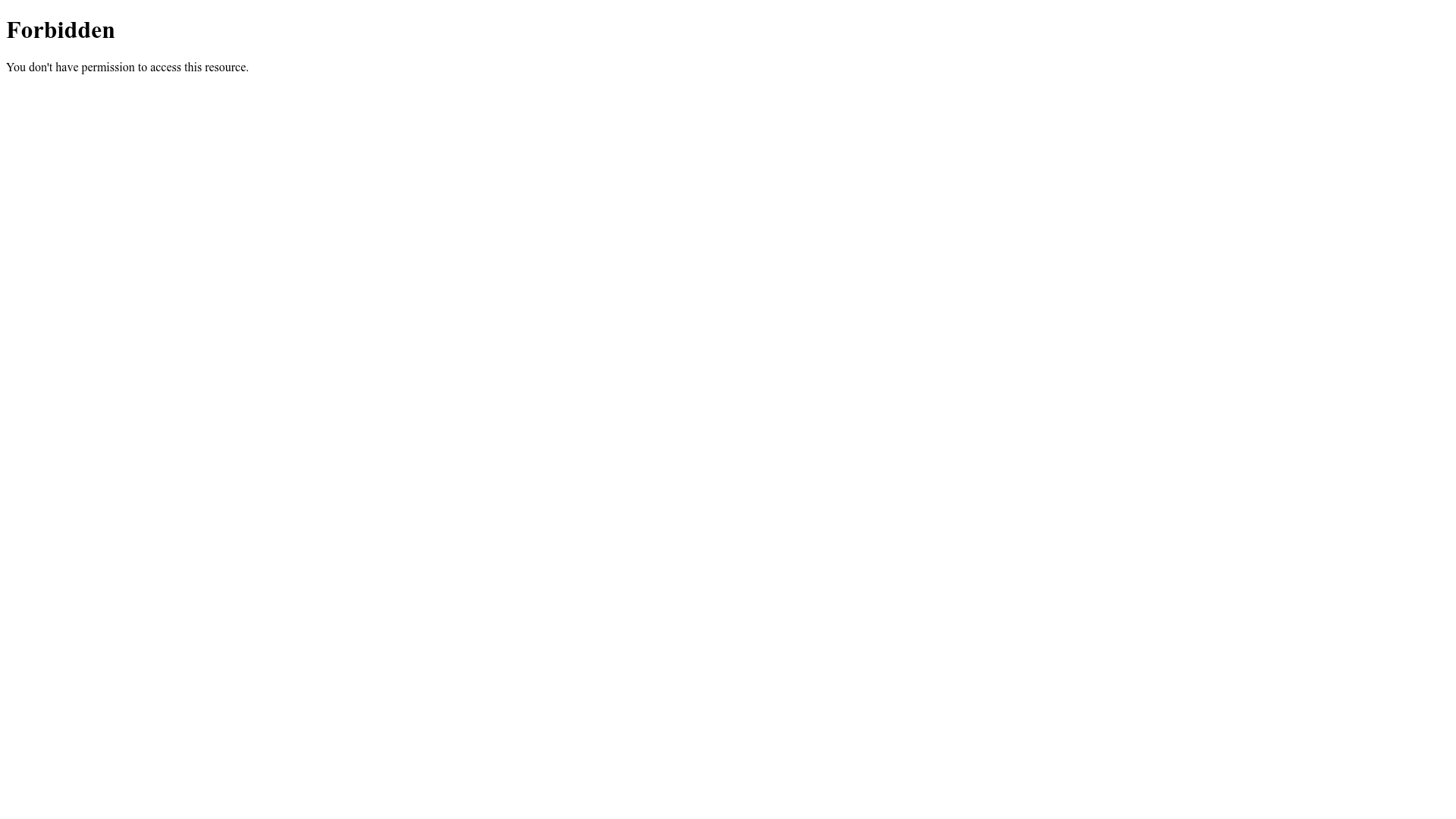
Forbidden Access Error Page
A minimal 403 Forbidden error page layout featuring basic typography and a standard access notification message.
