Quentin Hocdé Portfolio Hero Page
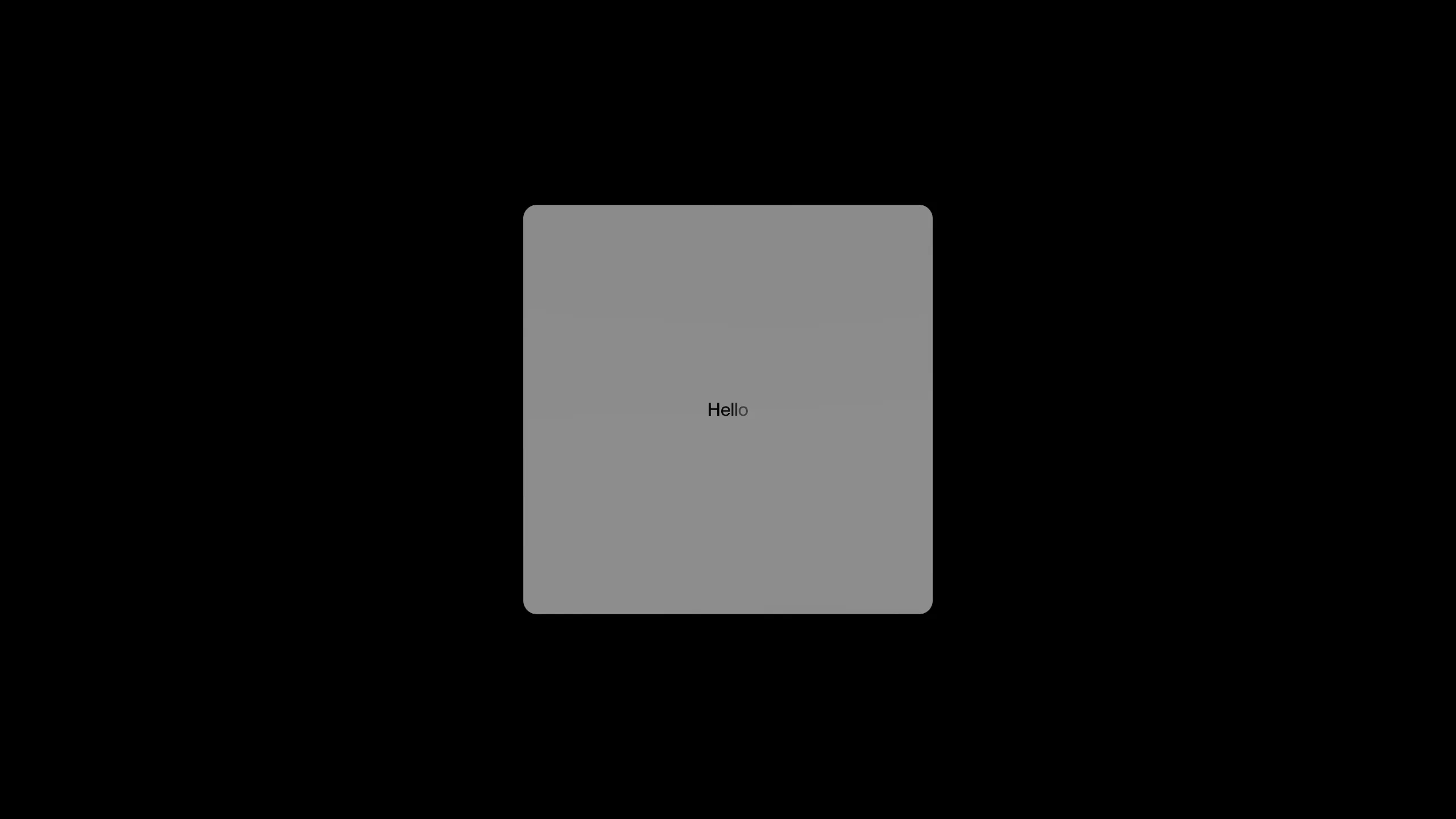
A creative developer portfolio featuring a WebGL-powered background, complex letter-shuffling typography animations, and a multi-column responsive layout for professional bios and links.
Overview
This portfolio landing page is a high-impact example of creative front-end development, utilizing WebGL-driven background visuals blended with sophisticated text animations. It serves as a premier reference for builders looking to implement interactive typography and high-performance immersive backgrounds that don't compromise content legibility.
Design System
- Color Palette & Visual Hierarchy: A high-contrast monochrome scheme (absolute black and white) defines the aesthetic. The visual hierarchy is established through extreme scale variations between the massive, screen-filling hero title and the tiny, utility-focused body text segments.
- Typography: The site features a geometric, sans-serif typeface. The secondary scale uses a consistent small font-size for metadata and navigation, while the primary heading uses an ultra-wide fluid scale that stretches across the viewport margins.
- Structure & Flow: The layout utilizes a 12-column grid. The top navigation is split between branded links on the left and social/external links on the right. The central section is occupied by four distinct columns of professional bio information, followed by an absolute-positioned massive hero title at the bottom corner.
- Reusable Components:
c-magic-text: A text-shuffling component that reveals characters with variable opacity and timing.c-title_item: A complex letter-stacking component seen in the HTML that creates a "rolling" or "cascading" vertical animation for large headings.- Responsive Navigation: A clean, minimal grid-based header that collapses into an animated mobile overlay.
- Interaction & Motion: Motion is the core of this identity. The HTML evidence points to granular letter control using
translate3dand variableopacity. The background uses a WebGL<canvas>for fluid, organic distortion that reacts to movement. - Implementation Clues: Built with a modular custom component approach (
c-prefixed tags like<c-app>,<c-magic-text>). Styling is handled via Tailwind-like utility classes (e.g.,lg:col-span-12,gap-x-small), and page transitions are managed via atransition-fadecontainer with aswup-like routing structure.
Use Cases
- Who should clone this: Creative developers, digital artists, and motion designers who want to showcase technical prowess alongside their work.
- Products for Remixing: High-end fashion lookbooks, experimental tech landing pages, and cinematic studio portfolios.
- Practical Remix Directions:
- Typography Swap: Replace the geometric sans with a high-contrast Serif to shift from "tech/minimal" to "editorial/luxury."
- WebGL Background: Swap the monochromatic blur for a colorful particle system or interactive 3D mesh while keeping the UI grid layout.
- Sectional Reuse: Clone only the
c-magic-textlogic for micro-interactions on buttons or links in a more traditional layout.
- Suggested Scope: A full-page clone is recommended to maintain the relationship between the background canvas and the typography, though the 12-column grid structure alone is a great reusable boilerplate for information-dense bios.
Related Inspirations

Dries Bos Creative Developer Portfolio
A high-interaction dark-mode portfolio featuring a grain-textured bento grid, marquee headers, theme switching, and a dynamic project list with hover-triggered image previews.
OPX Studio Agency Portfolio
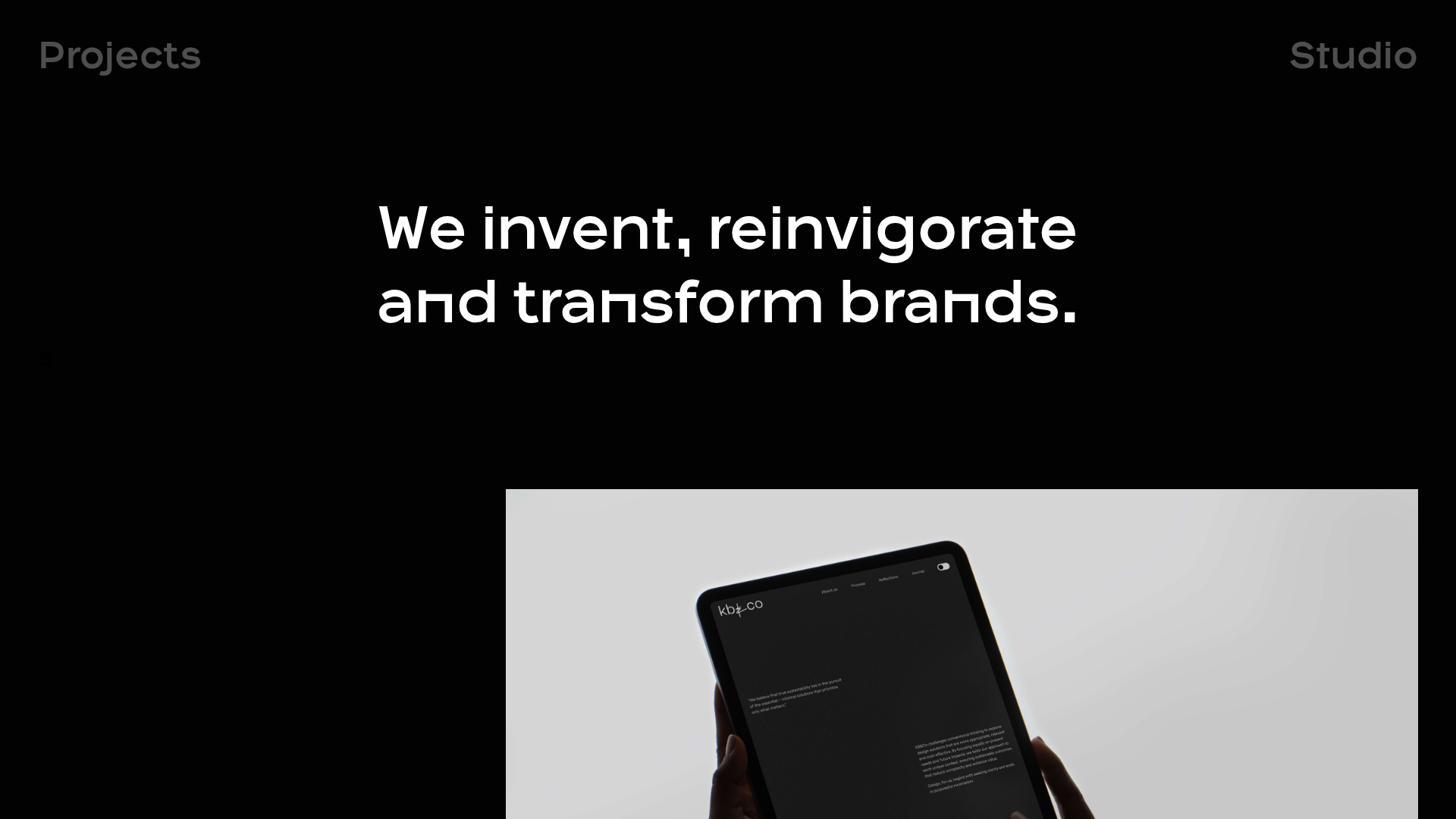
A minimalist dark-themed portfolio featuring a staggered masonry project grid, cinematic video embeds, and a responsive oversized typography hero section.
Chris Biron Visual Designer Portfolio
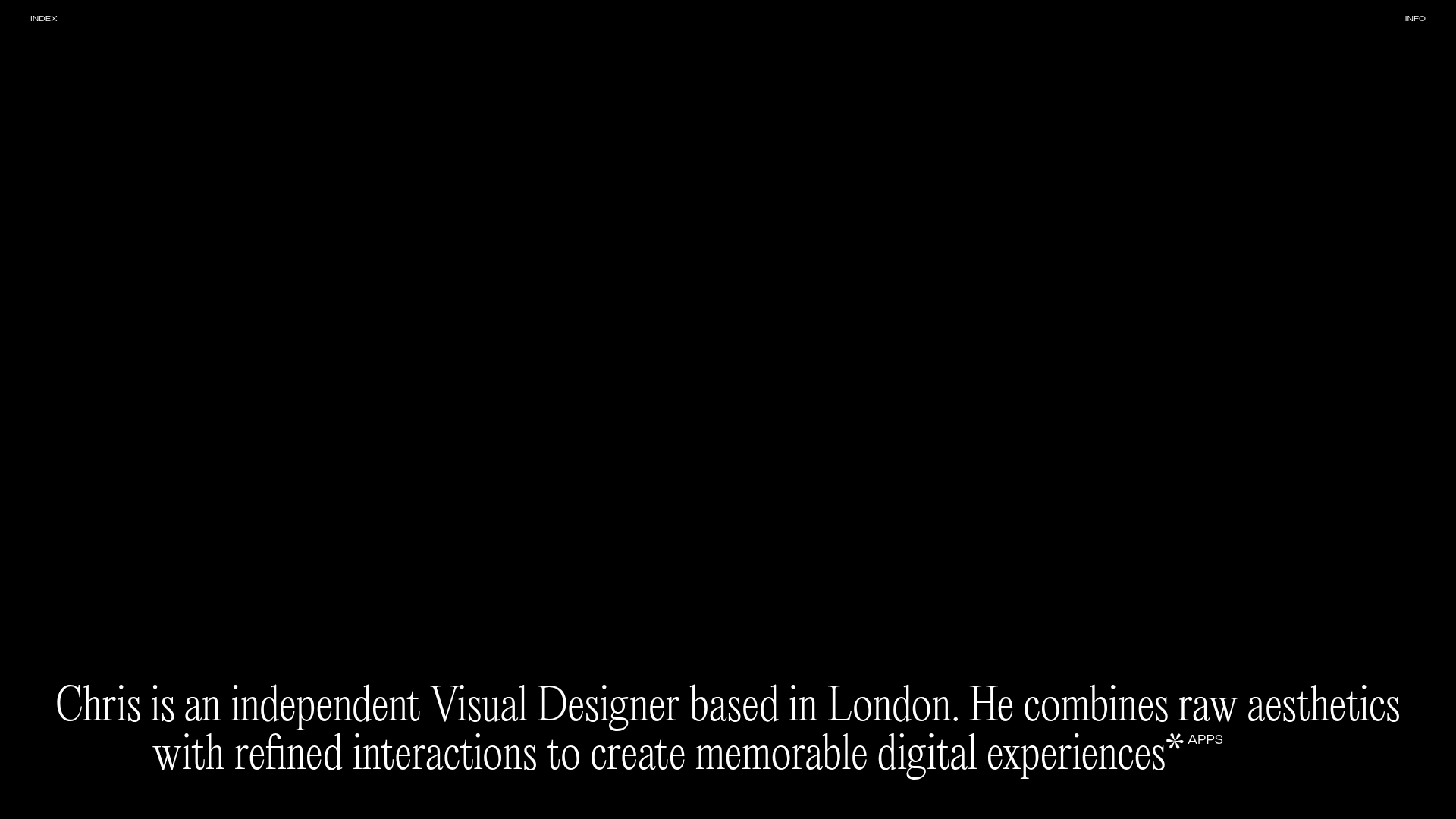
A minimalist dark-themed portfolio featuring a full-screen vertical scroll layout, large-scale serif typography, and a dynamic project image gallery built with Gatsby.
Hugo Ferradás Portfolio Site
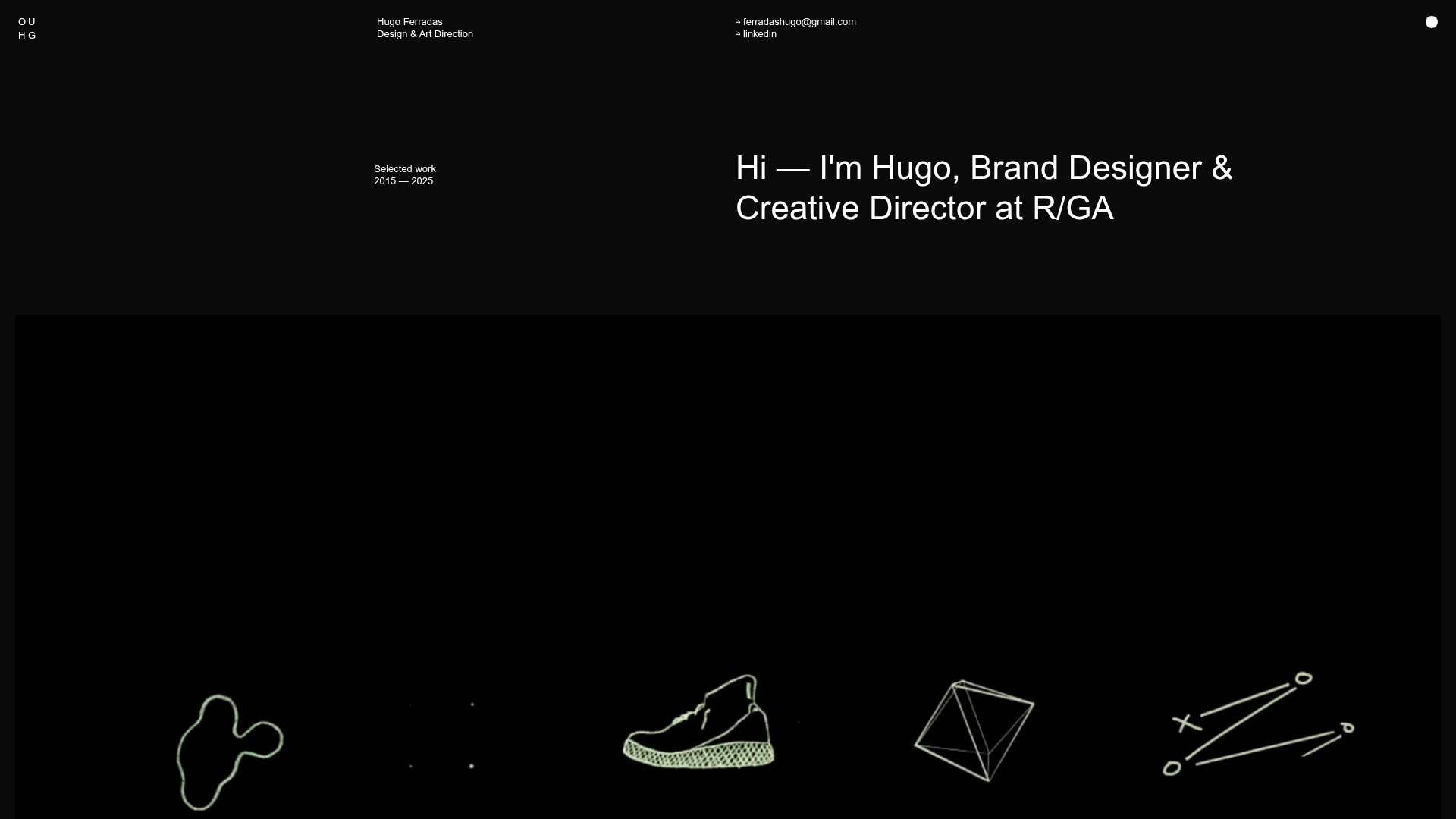
A dark-themed portfolio featuring a creative director bio, sticky sidebar navigation, and a dynamic asymmetric grid of case study cards with animated hover reveals.
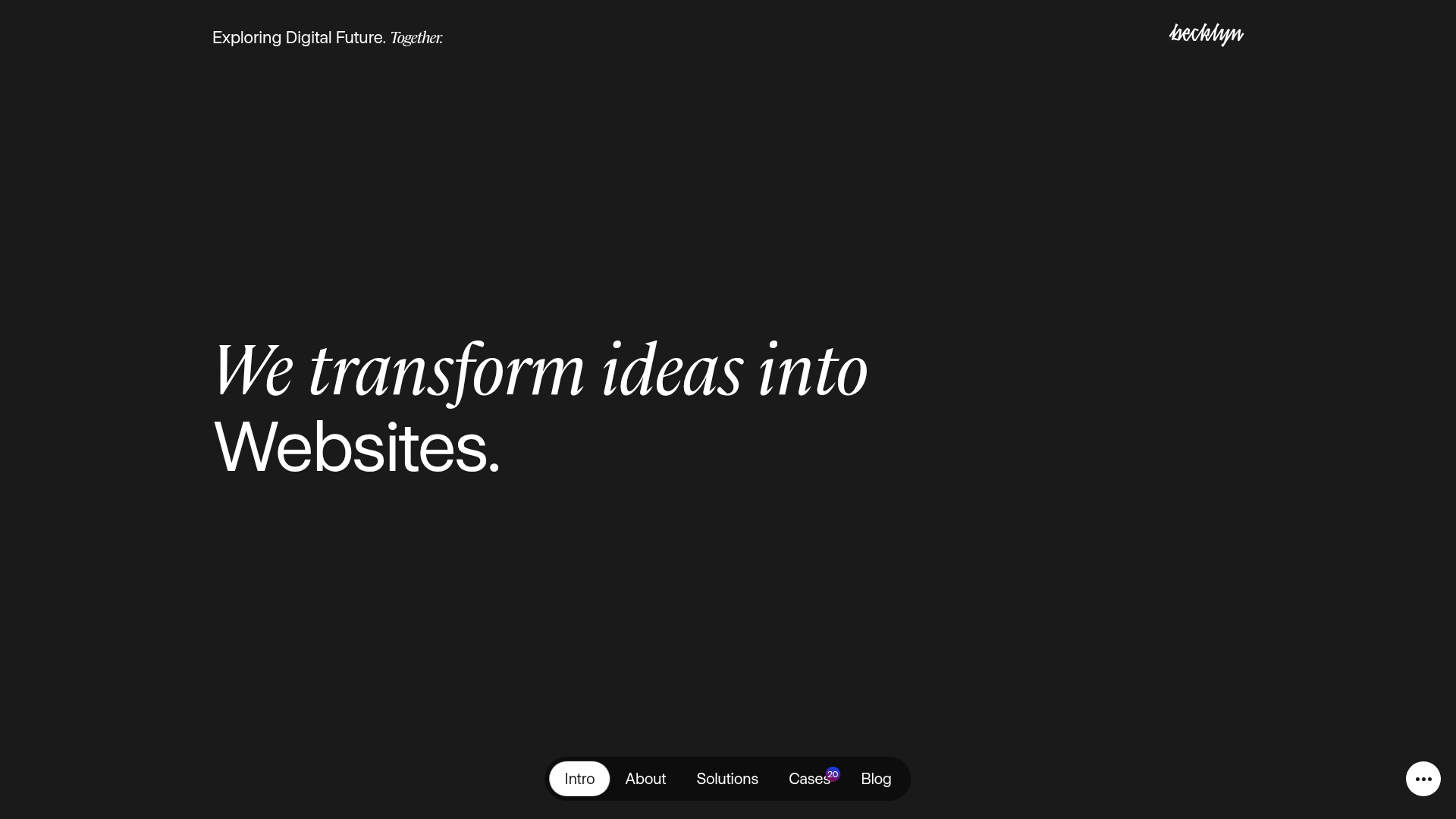
Becklyn Agency Dark Mode Portfolio
A high-end dark-themed agency site with a floating capsule navigation, staggered case study layouts, text-reveal animations, and horizontal team sliders.
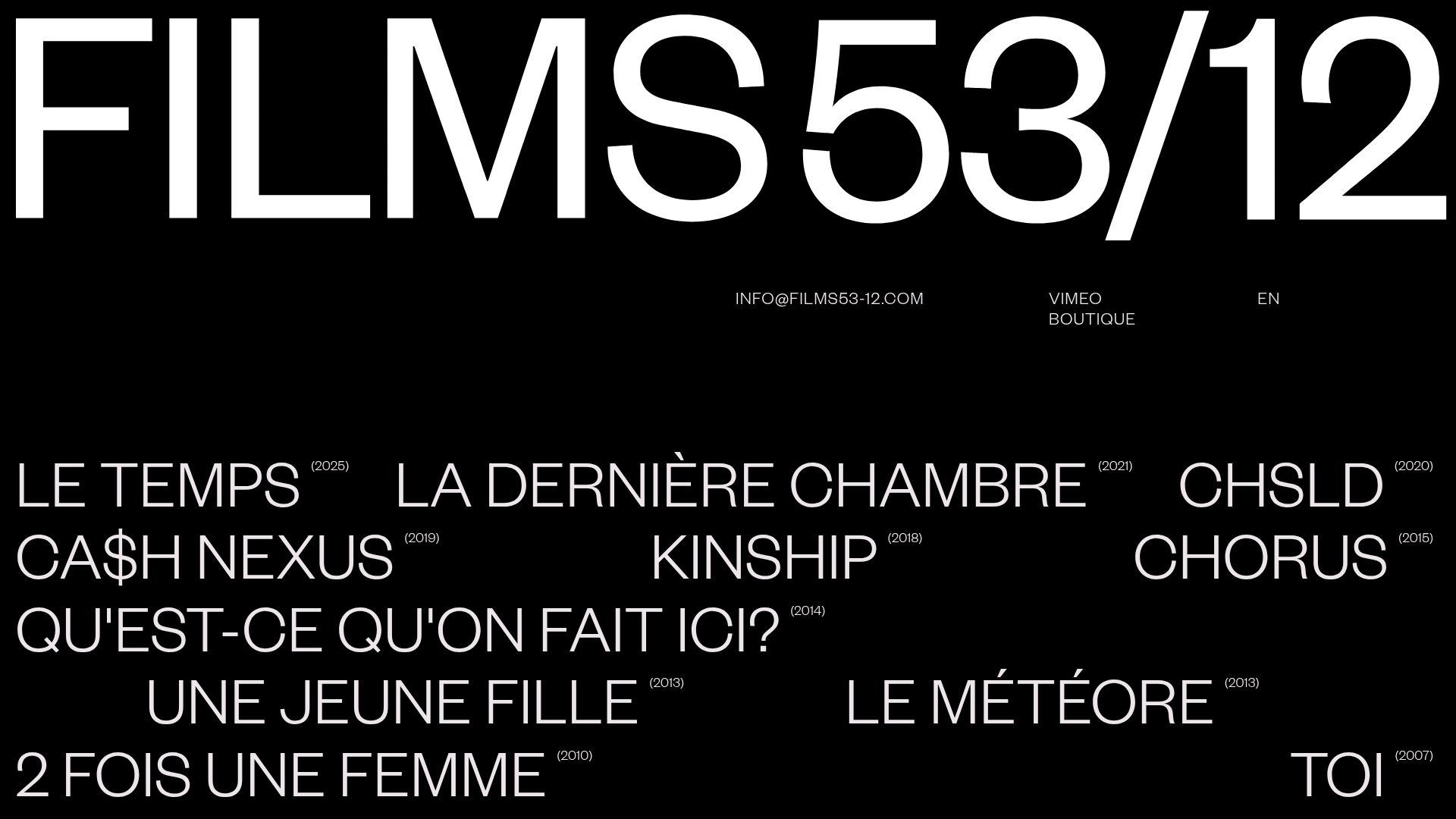
Films 53/12 Cinematographic Portfolio Layout
A minimalist dark-mode production site featuring a scattered typography grid, interactive hover-to-reveal image states, and a clean list-based film catalogue.
