Theodore Ellison Artisan Portfolio Website
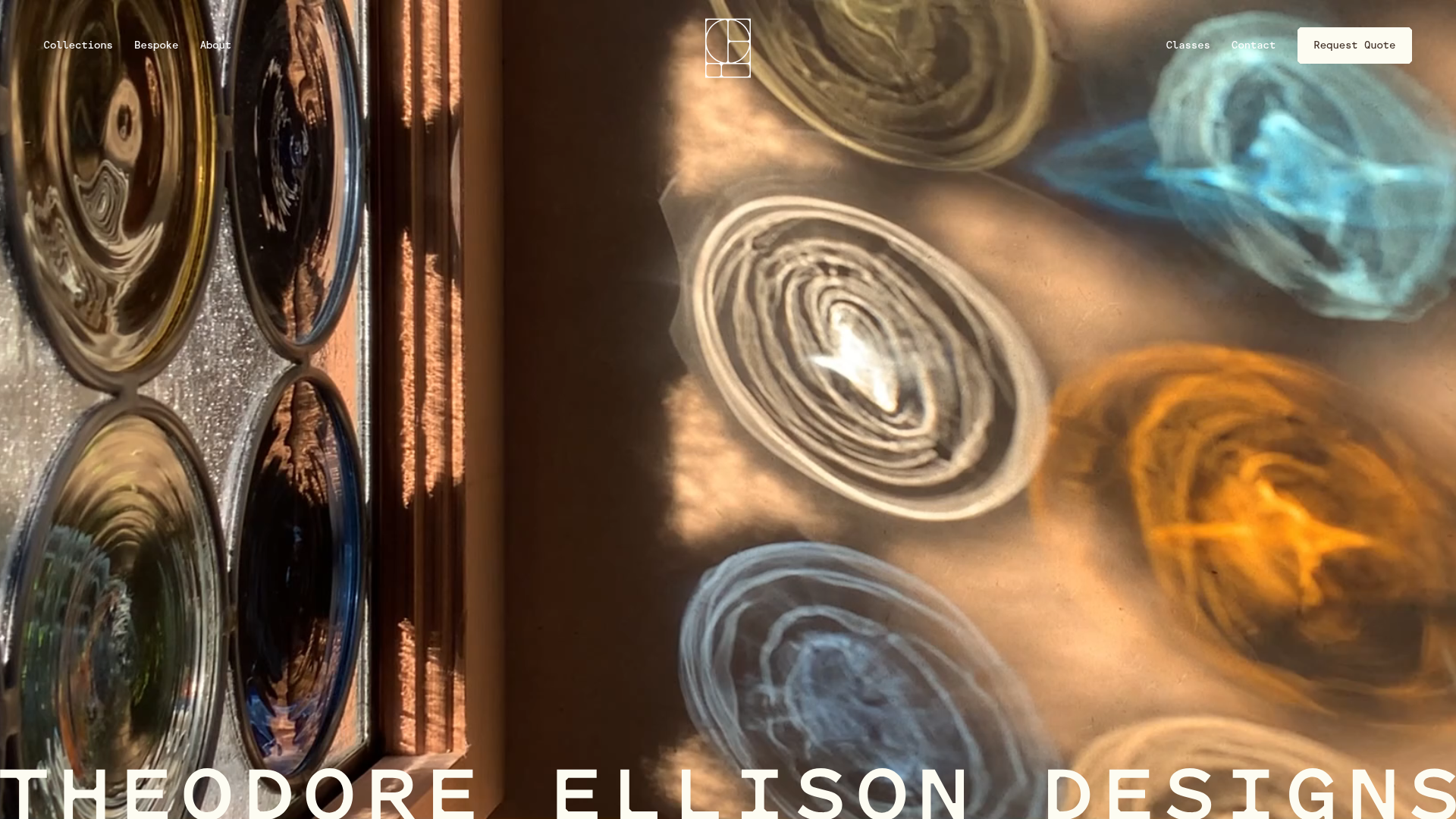
A high-end artisan portfolio featuring a full-bleed parallax video hero, color-themed scroll sections, and a mega-menu with dynamic image previews.
Overview
This website is a premium artisan portfolio for a glass and mosaic studio, characterized by high-impact visual storytelling and fluid transitions. It serves as an excellent reference for cloning due to its sophisticated "scroll-to-reveal" section-based architecture and its adaptive color-themed backgrounds that shift as the user navigates.
Design System
- Color Palette & Visual Hierarchy: The site uses a dynamic, grounded earthy palette including muted tones like Sequoia (dark brown), Mojave (terracotta), Moss (olive green), and Muir (deep charcoal). The hierarchy is driven by full-bleed imagery and videos, with high-contrast white or black typography depending on the background theme.
- Typography: A minimalist sans-serif system utilizing varied weights and scales. Headlines use a wide, bold uppercase style (
primary-h1), while secondary headings (type--h-4,type--h-5) provide a cleaner, elegant look. Eyebrows (type--eyebrow-md) are used consistently to label collections. - Page Structure & Flow: The flow starts with a full-bleed parallax video hero featuring a centered logo. It transitions into full-window text sections followed by "Collection Highlights" that alternate between full-width blocks and 50/50 split grids.
- Reusable Components:
- The Mega-Menu: A split-pane layout where text links on the left trigger dynamic image previews (
collection-media-wrap) on the right. - Collection Highlight Cards: Media-heavy blocks with a
highlight-textoverlay and a cleartext-buttoncall to action. - Themeable Sections: HTML classes like
theme--sequoiaandtheme--mojaveindicate a modular CSS system for global color switching per section.
- The Mega-Menu: A split-pane layout where text links on the left trigger dynamic image previews (
- Interactions & Motion: Features include parallax scrolling on background media, hover-triggered image swaps in the navigation, and "will-transition-in" reveal animations for text content.
- Implementation Clues: The structure uses a custom utility-first approach (e.g.,
container-fluid,col-lg-5) suggesting a Bootstrap-based grid framework customized with specialized artisan themes.
Use Cases
- Who should clone this: Independent makers, high-end interior designers, architects, and luxury craft studios who rely on large-scale visual portfolios to justify premium pricing.
- Effective Remixes: This pattern works exceptionally well for specialized product catalogs where each item belongs to a distinct aesthetic "universe" (e.g., furniture collections, bespoke jewelry, or landscape architecture).
- Practical Directions: Developers can swap the glass-focused videos for product-testing footage or slow-motion manufacturing shots. The information architecture can be adapted by reusing the mega-menu for navigation-heavy sites that need to remain visually lightweight.
- Suggested Scope: A full-page clone is recommended to capture the seamless thematic transitions, but the mega-menu and the parallax hero section are standout individual components for quick extraction.
Related Inspirations

Palazzo Monti Minimalist Artist Residency Portfolio
A high-end editorial layout featuring scroll-triggered text animations, smooth preloader transitions, image-reveal hover effects on list items, and a draggable bubble-based press section.
Ruben Wyttenbach Photography Portfolio
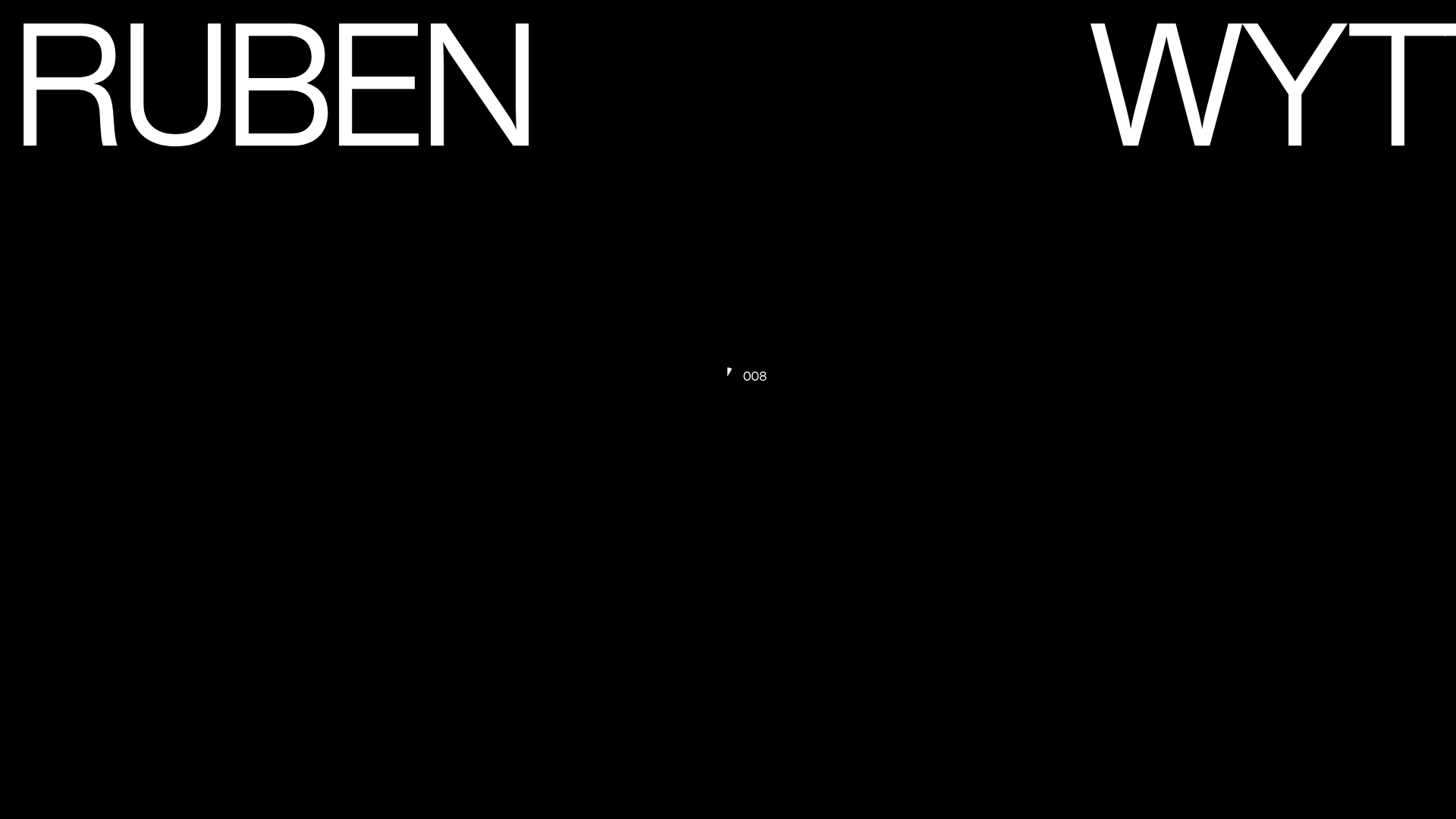
A minimalist photography showcase featuring a custom magnetic cursor with a numerical counter, smooth parallax scrolling, and an asymmetrical responsive image grid.
Christopher Doyle Agency Portfolio Layout
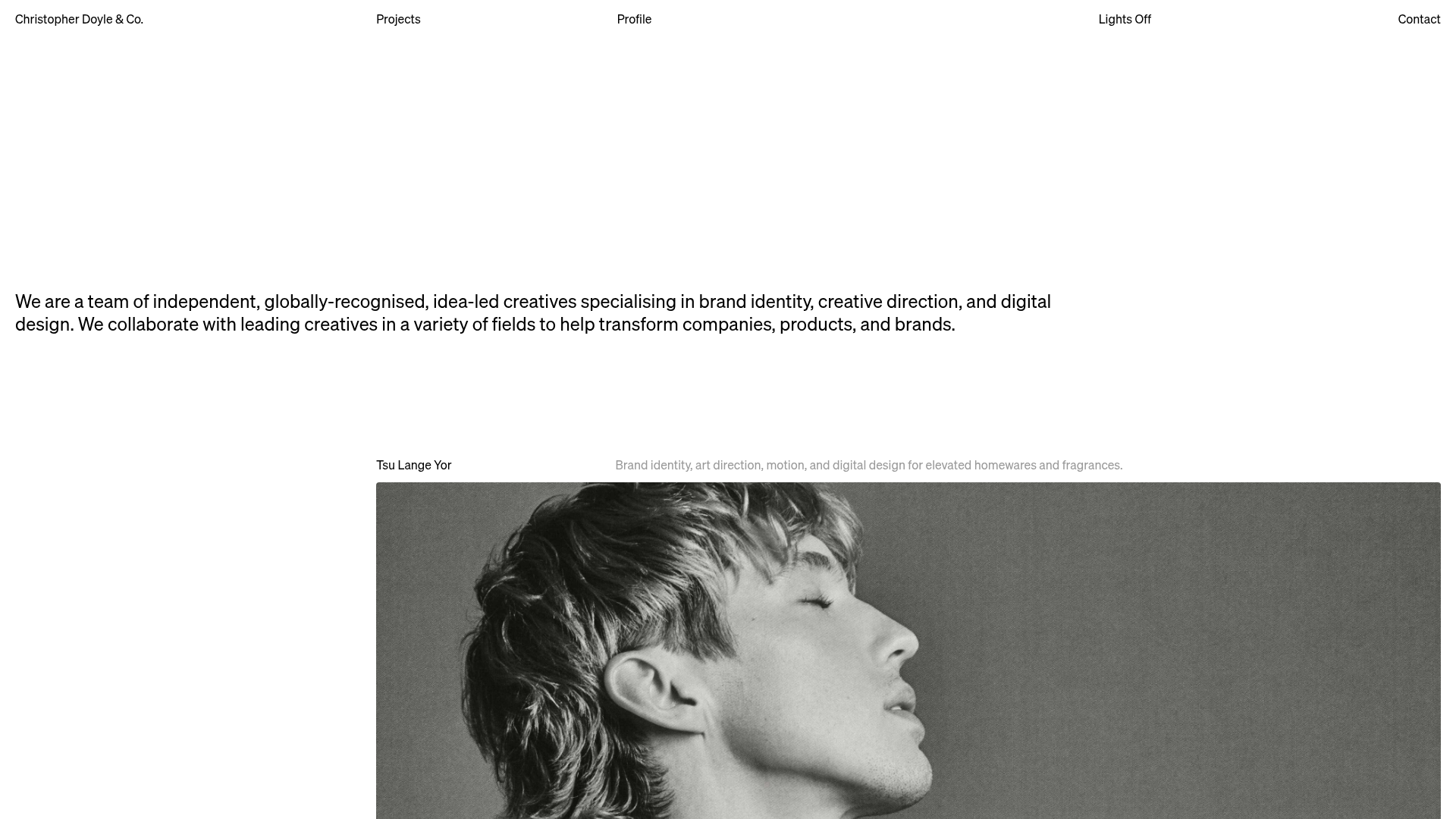
A minimalist, typography-led portfolio featuring a wide-margin grid system, smooth fade-in animations, and simple image-focused project cards.
HNST Circular Fashion eCommerce Gallery
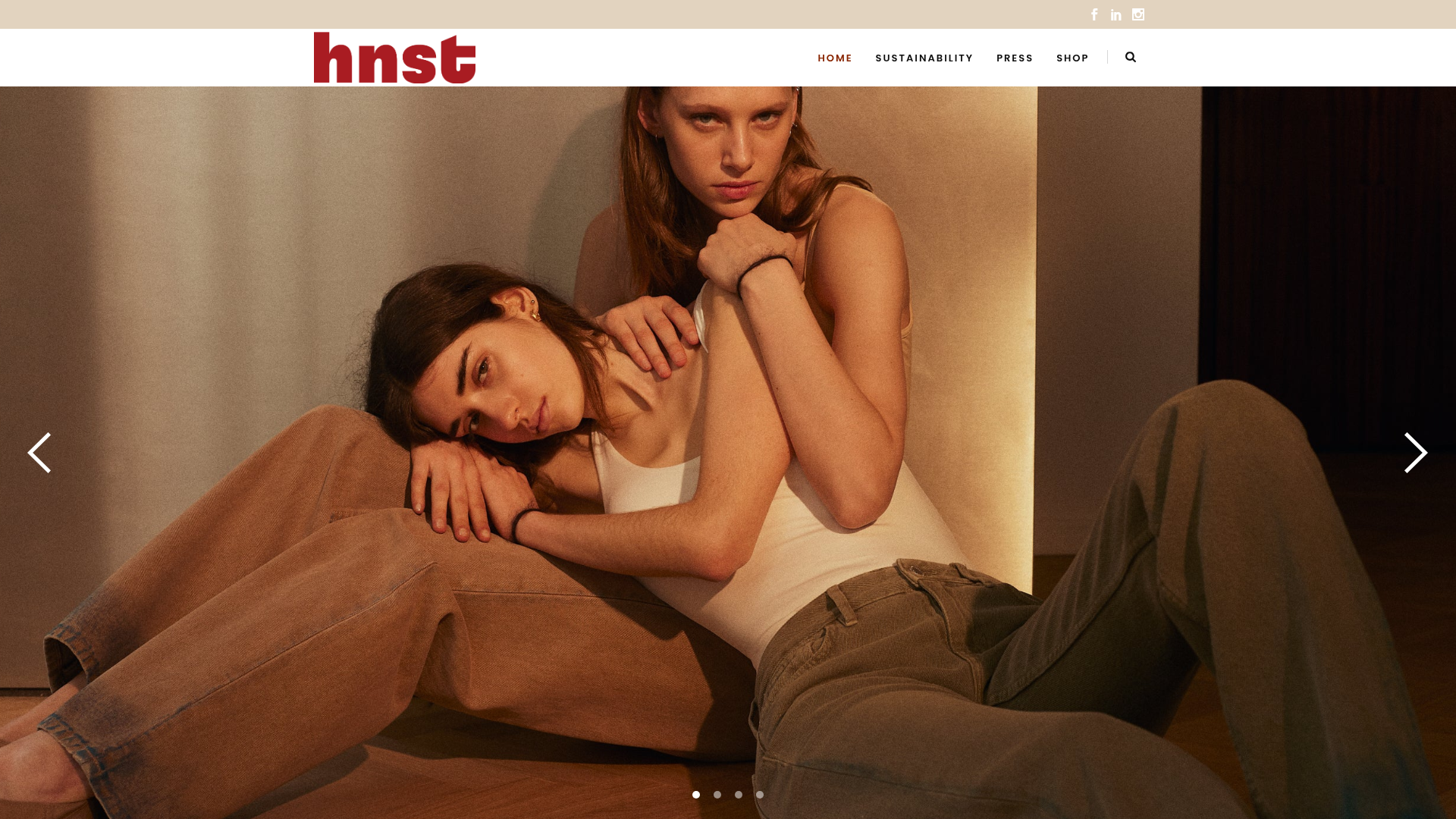
A minimalist apparel site featuring a full-screen image slider with parallax effects, grid-based product sections, and a clean typography-focused header for sustainable brand storytelling.
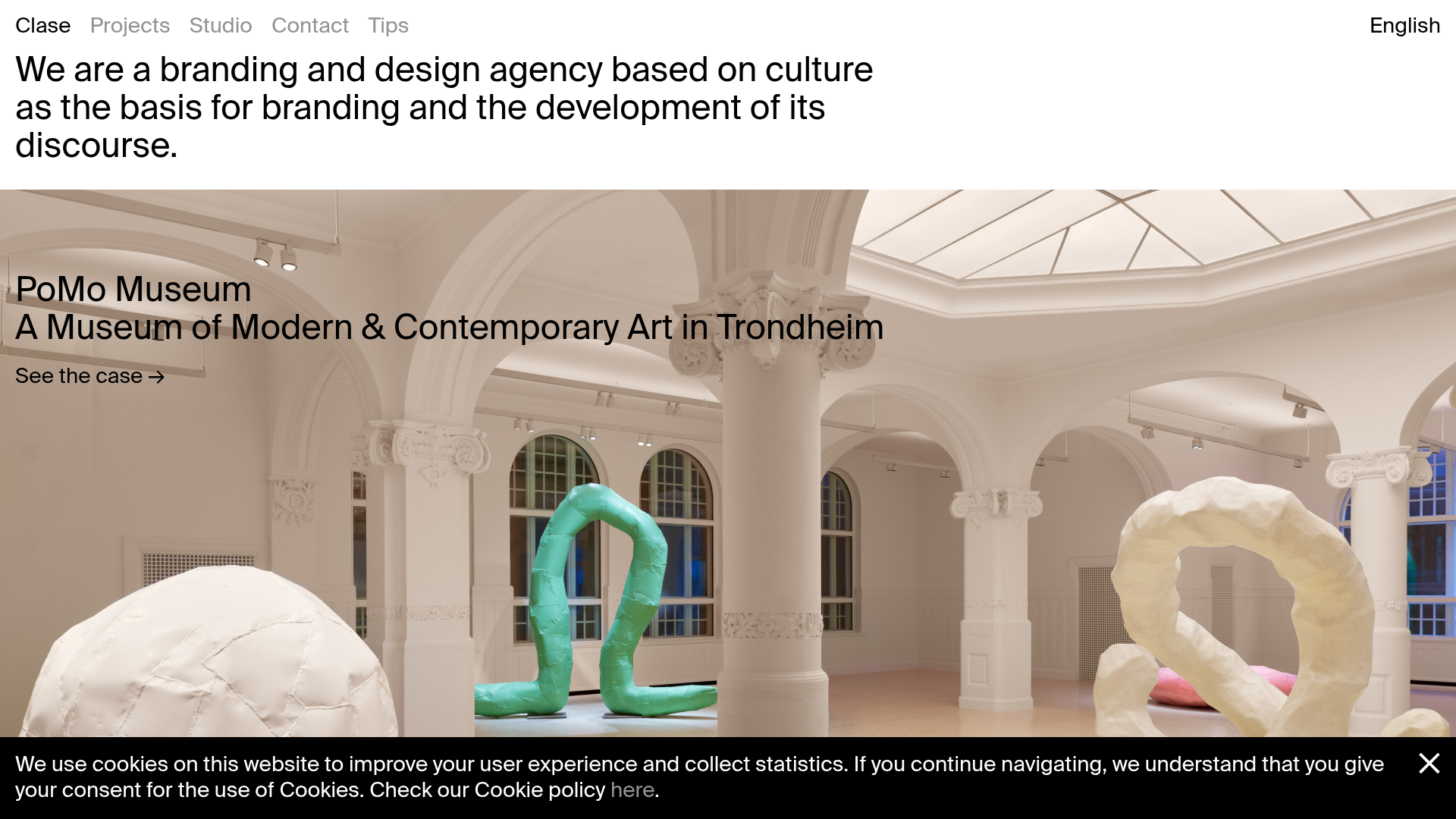
Clase Agency Branding Portfolio
A minimalist design agency portfolio featuring a typographic hero section, full-width image articles, sticky title bars, and integrated scrolling text marquees for a clean editorial layout.
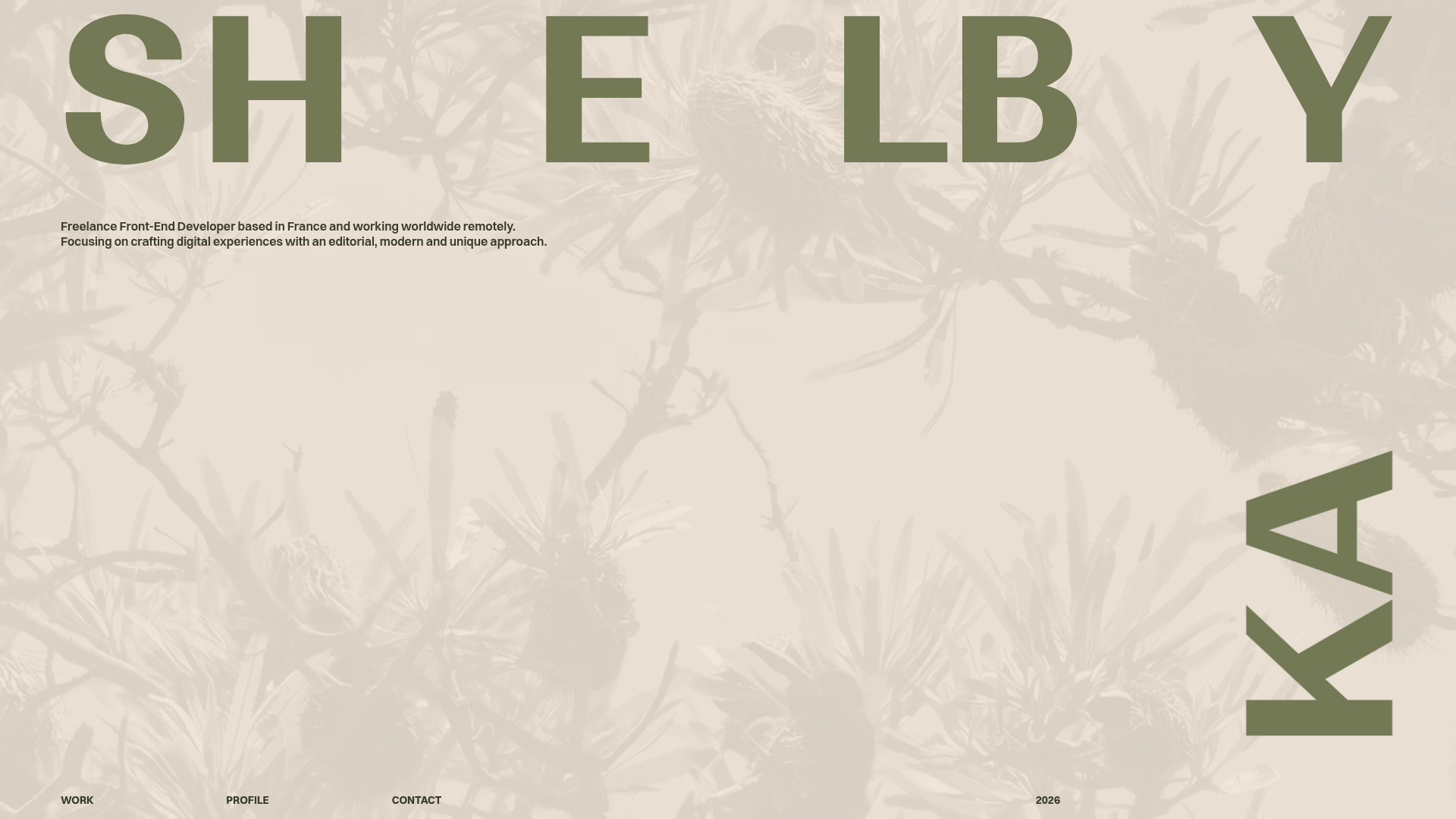
Shelby Kay Portfolio Hero and Masonry Grid
A minimalist developer portfolio featuring an oversized typography hero with parallax video background and a dense, high-frequency image/video project masonry grid.
