Rauno Freiberg Horizontal Scroll Portfolio
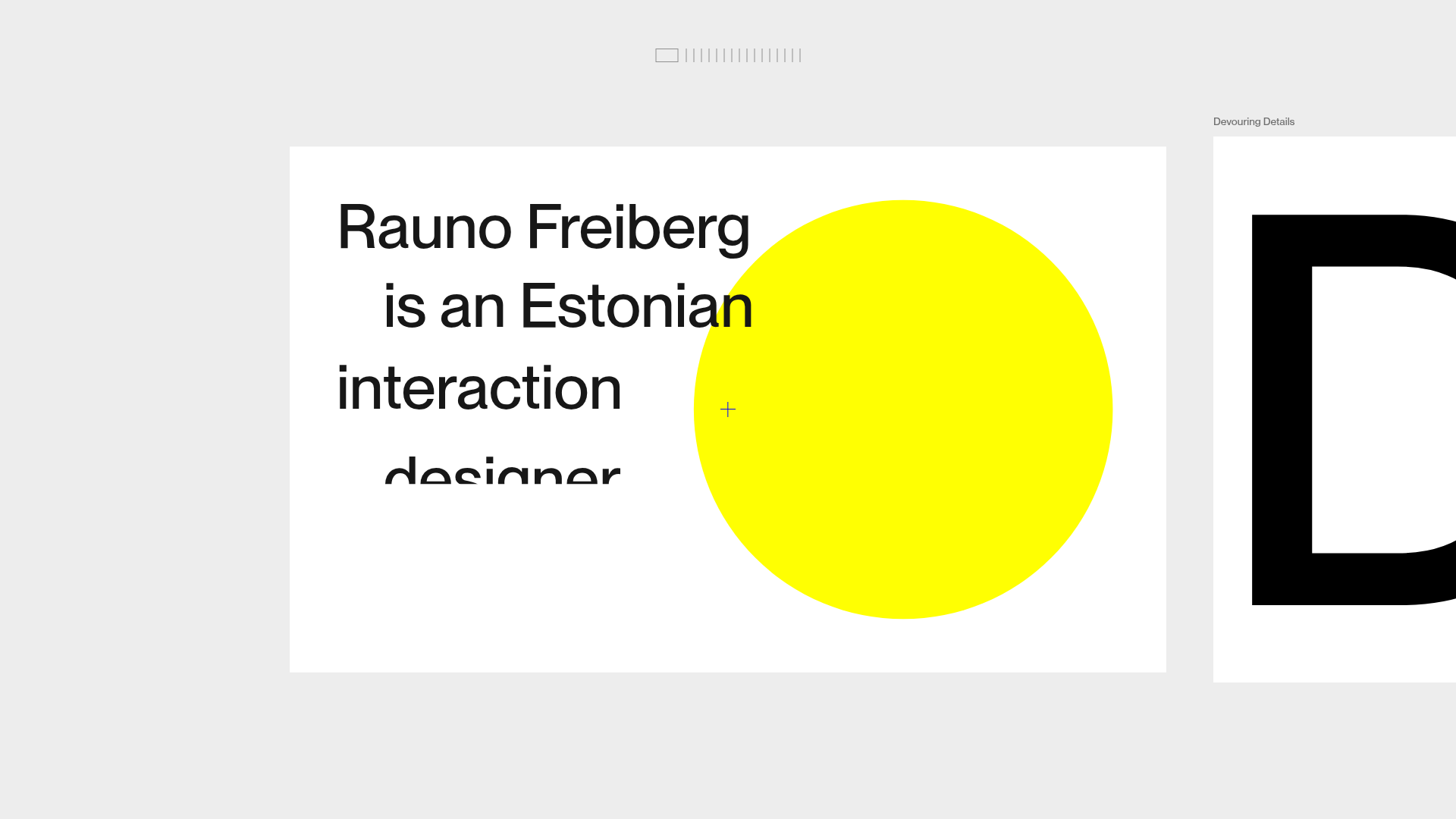
Minimalist horizontal deck layout featuring frame-based navigation, smooth clip-reveal text animations, and a top-bar progress minimap.
Overview
This portfolio by Rauno Freiberg features a sophisticated horizontal deck navigation that reimagines the typical vertical scroll as a series of distinct, large-scale frames. It is a premier reference for builders wanting to implement high-fidelity motion design, specifically focusing on smooth transitions, clipping animations, and unique navigation metaphors like the "minimap" progress bar.
Design System
- Color Palette & Visual Hierarchy: The site uses a high-contrast minimalist base (white backgrounds, black typography) with a singular, high-vibrancy accent color (Canary Yellow
#FFFF00). Visual hierarchy is established through scale rather than color, using massive glyphs and geometric shapes to anchor each frame. - Typography: The system relies on a clean, geometric sans-serif (Inter or similar). Headlines use a tight tracking and large scale, while auxiliary information like frame labels uses small, uppercase or semi-bold metadata styles for a blueprint-like aesthetic.
- Page Structure: The layout is organized into horizontal frames (
index_frame__XKrH1) with a fixed width of 1200px and height of 720px. Each frame serves as a standalone canvas for a specific project or bio section, connected by a top-bar progress minimap that tracks horizontal position. - Reusable Components:
- Frame Container: A standardized 1200x720 canvas that ensures design consistency across different content types.
- Minimap Navigation: A set of vertical lines and tracker blocks at the top of the viewport that provides spatial awareness during horizontal movement.
- Clip-Reveal Text: A motion component (
index_clipReveal__tvsbV) that usesoverflow: hiddenandtranslateYtransforms to slide text into view from a masked container.
- Interaction & Motion: The core experience is driven by horizontal scroll-jacking or swipe. Frames scale slightly (
transform: scale(0.98)) during transition to create depth. Interactive elements like the email button feature nested vertical slides for state changes (e.g., "Email" to "Copied"). - Implementation Clues: Built with Next.js (
__nextID) and likely Framer Motion for the complex transform-based animations. The CSS utilizes a system of CSS variables (e.g.,--frame-width,--line-gap) for a highly modular, grid-based layout.
Use Cases
- Who should clone this: Creative developers, interaction designers, and agency studios who want a site that feels like a physical presentation deck or a premium terminal interface.
- Remix Directions: This pattern works effectively for high-end product landing pages where storytelling is linear. You can remix it by swapping the yellow circle for 3D GLTF models or changing the frame aspect ratios to suit photography-heavy portfolios.
- Suggested Clone Scope: For a quick win, clone the Minimap Progress Bar and the Clip-Reveal Text components. For a comprehensive project, clone the Horizontal Framed Canvas structure to replace a standard vertical "About" page with an immersive walkthrough.
Related Inspirations
Bruno Arizio Designer Portfolio Website
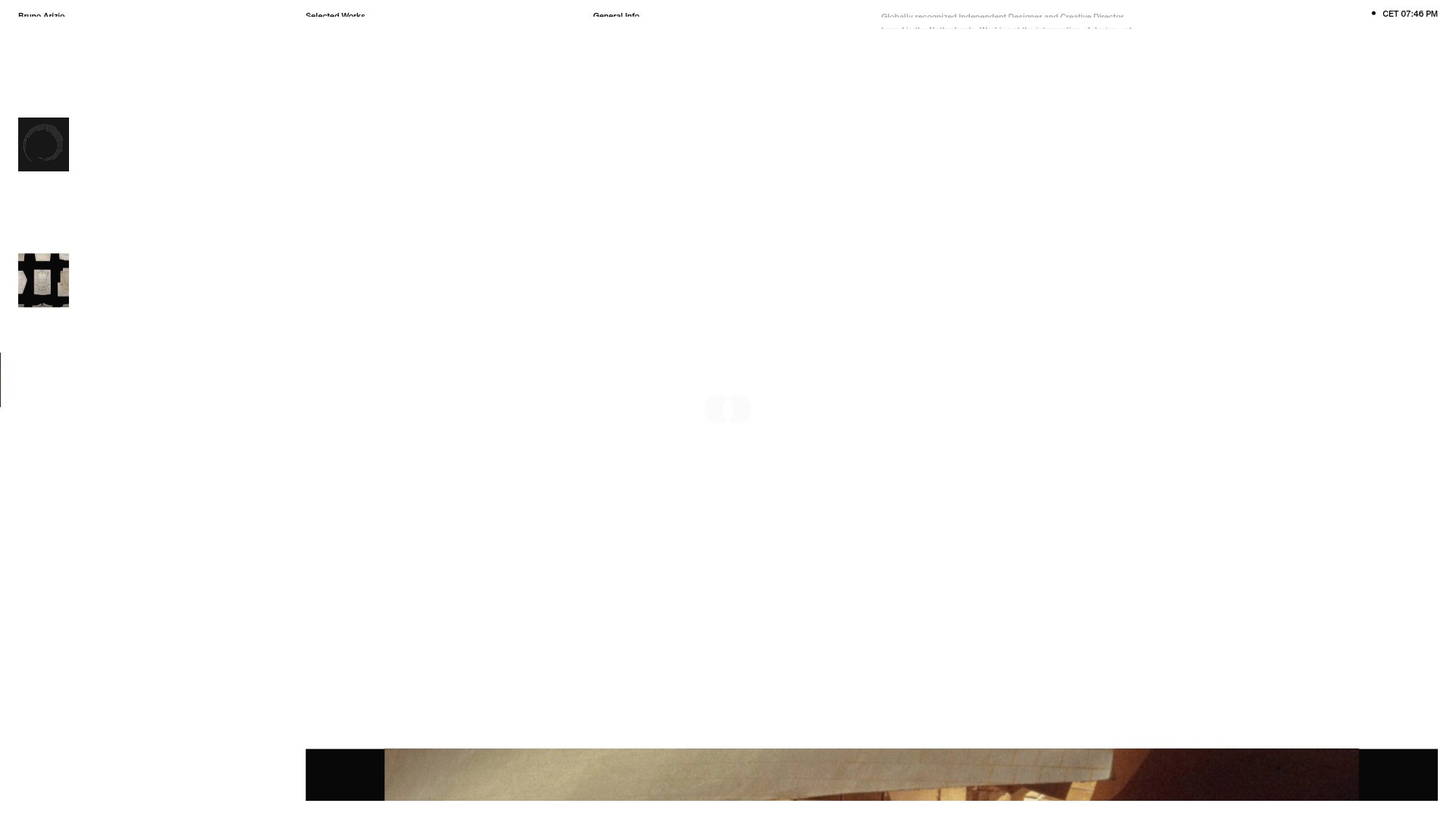
A minimalist creative director portfolio featuring a clean typographic layout, side-aligned image previews, and high-contrast spacing patterns suitable for luxury or design showcases.
OhDaDa Handcrafted Kinetic Sculpture E-commerce
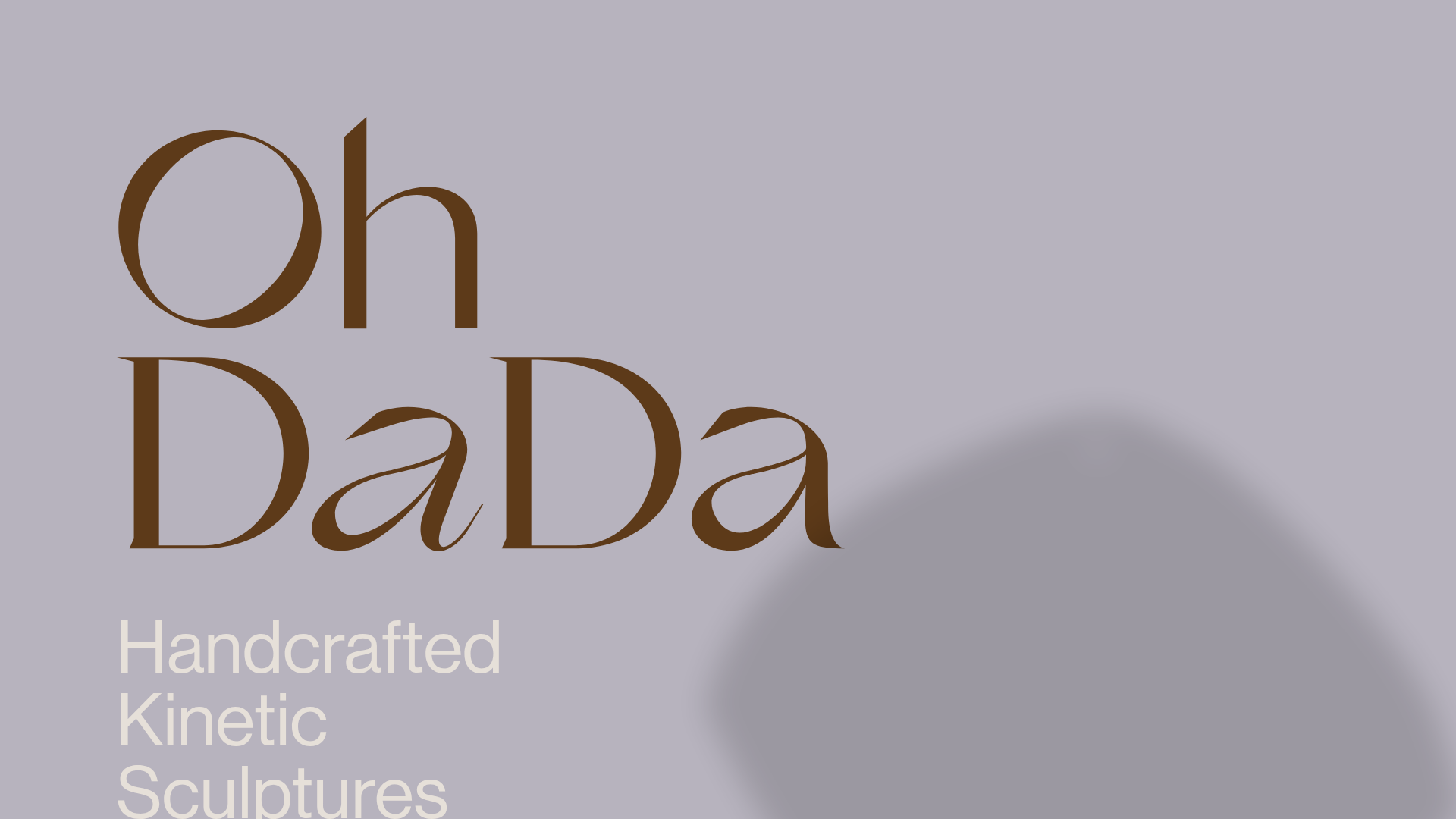
A minimalist Svelte-based store featuring a horizontal-scroll product showcase, transform-driven image gallery, and a full-screen sliding cart overlay.
Xandra Alvarez Allende Photography Portfolio
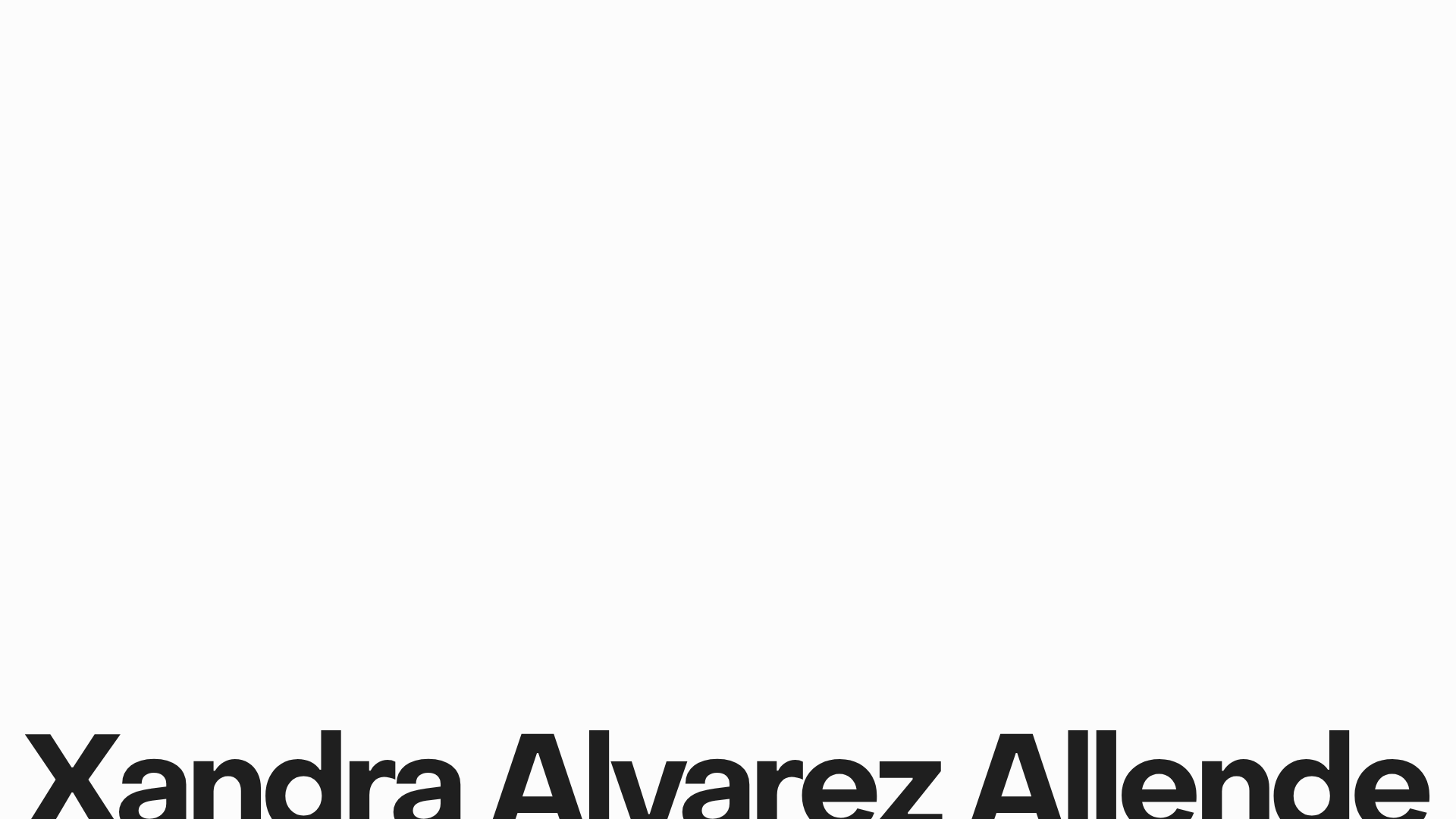
A minimalist photography site featuring a marquee-style title bar, a staggered vertical image flow, and a full-screen light-box gallery for individual works.
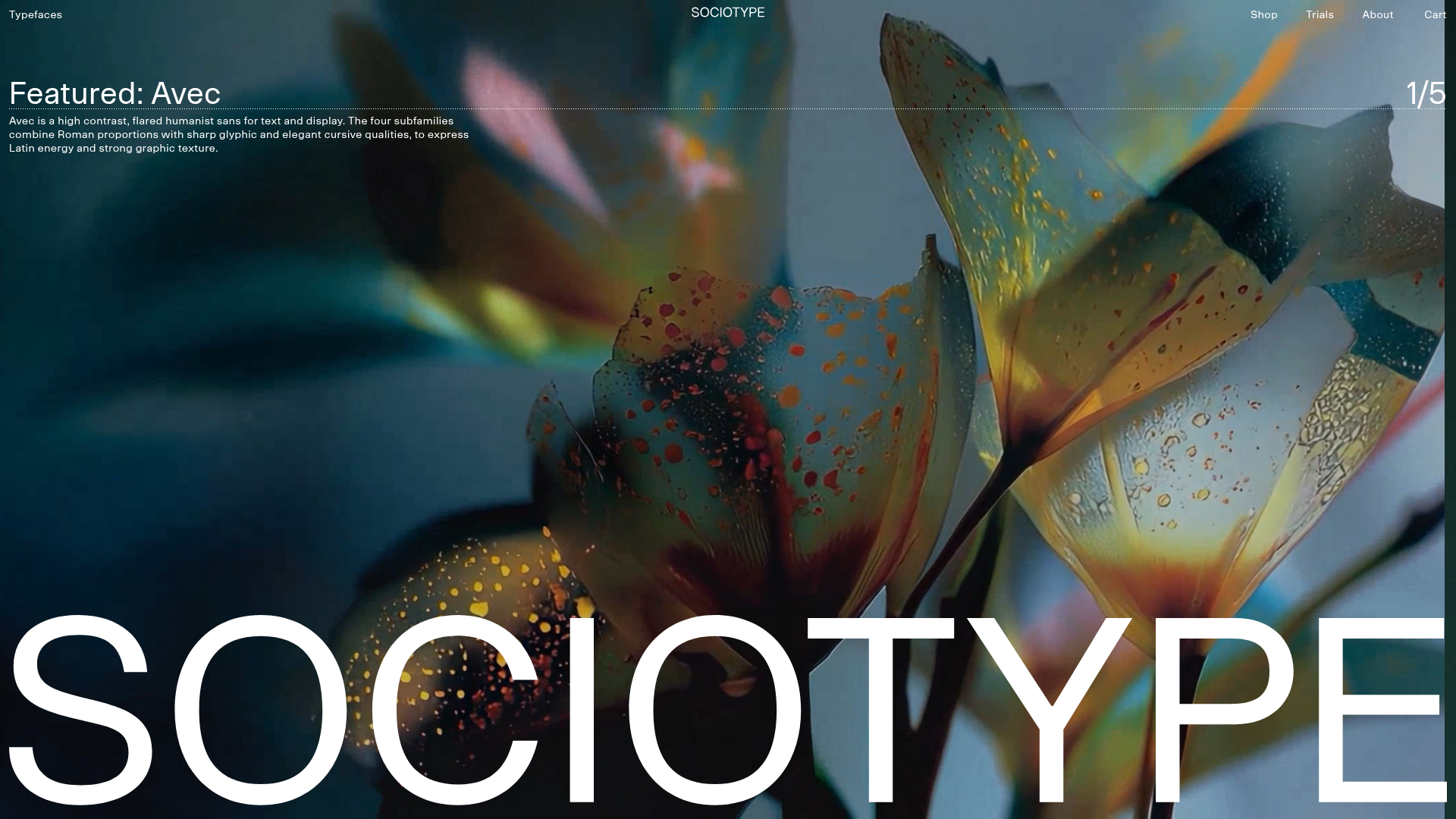
Sociotype Foundry Design Showcase
A high-concept typography site featuring large-scale horizontal hero sliders, interactive type testers, and an offset grid layout for case studies and font previews.
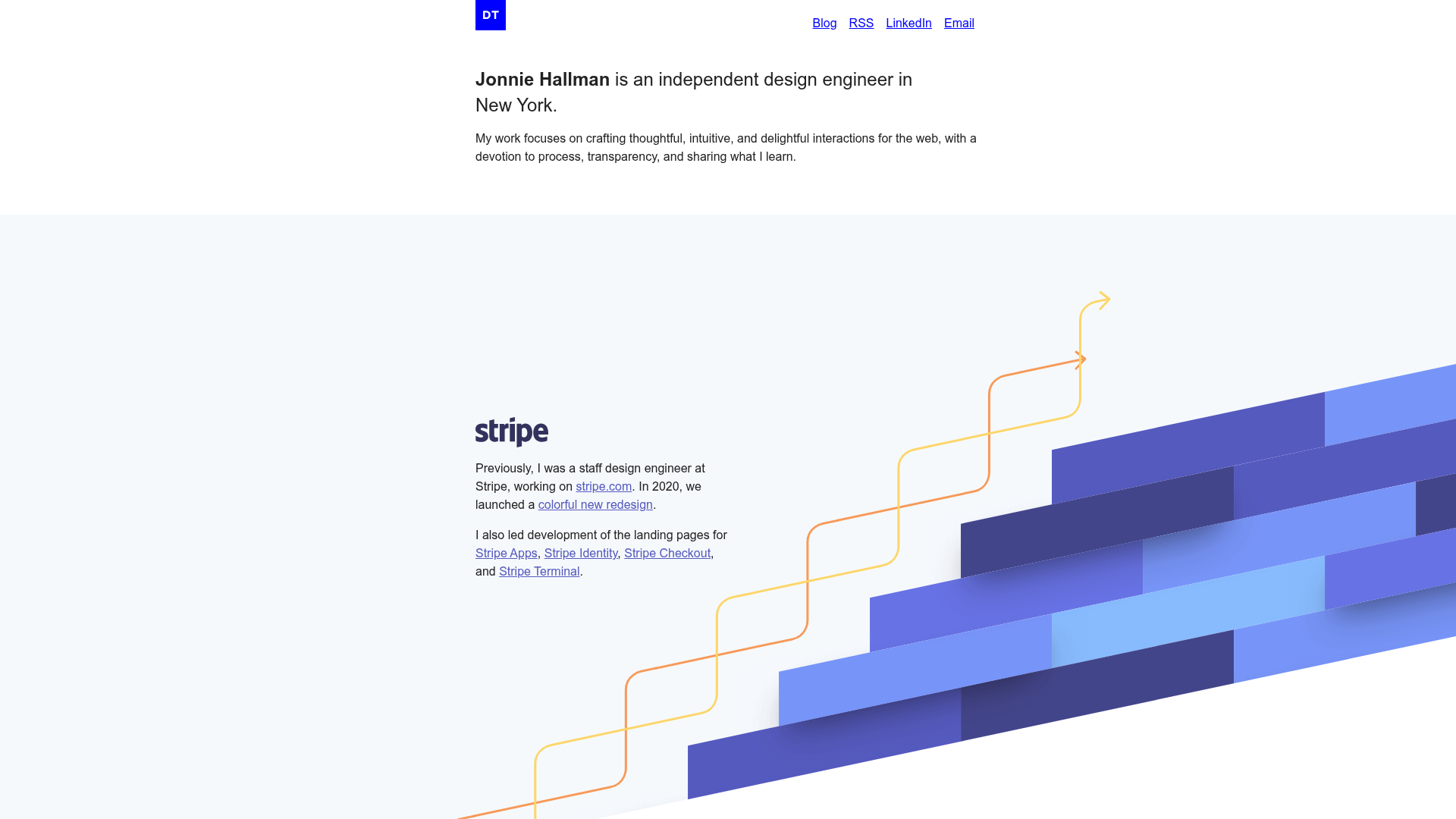
Jonnie Hallman Design Engineer Portfolio
A minimalist portfolio with high-impact scroll effects, including a sticky-stacked hardware component animation, parallax image layers, and unique branded section layouts.
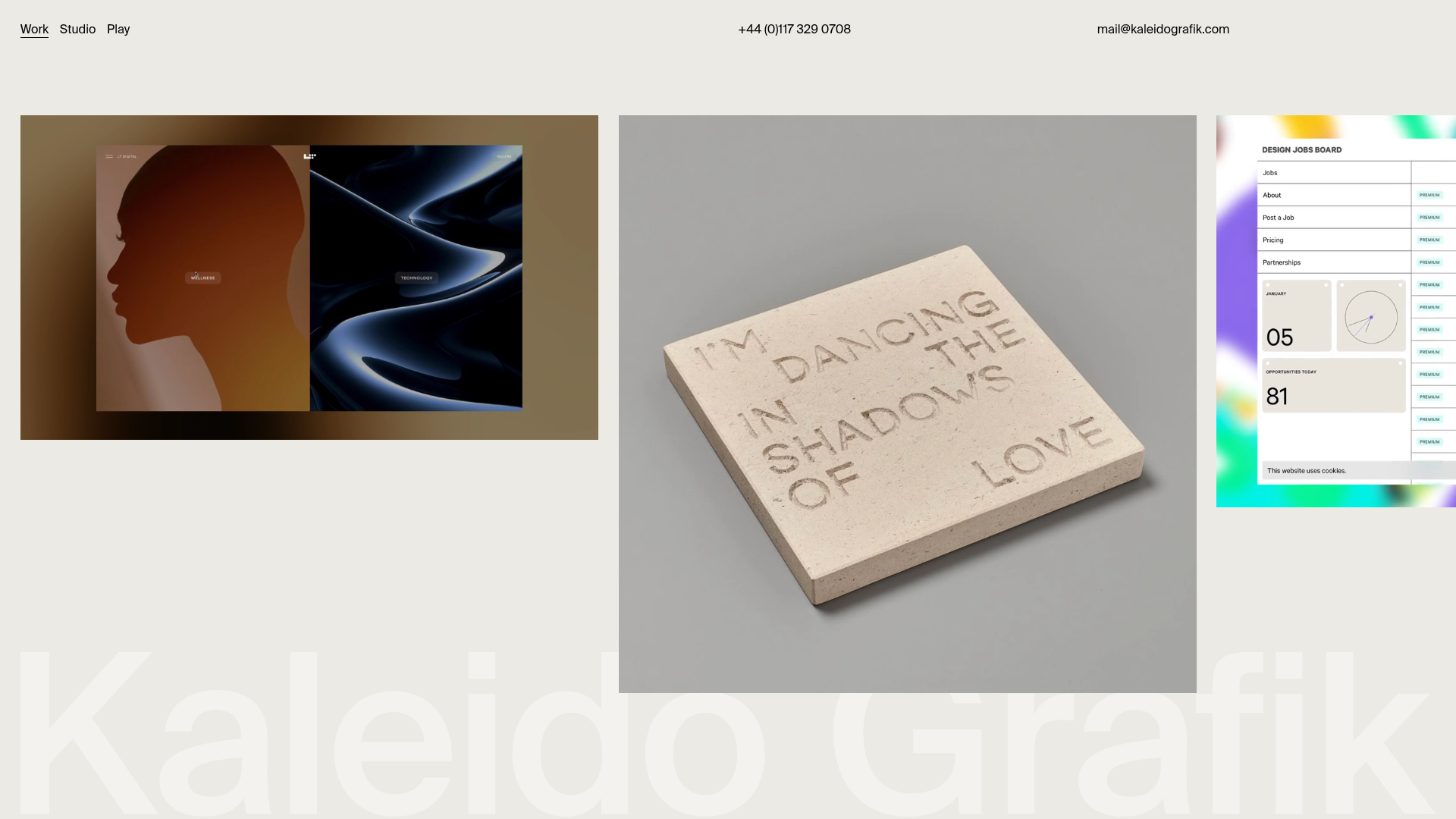
Kaleido Grafik Horizontal Portfolio
A horizontal-scrolling portfolio showcasing high-resolution video thumbnails and image carousels in a dynamic, varied aspect ratio grid layout.
