Danny Garcia Portfolio and Blog
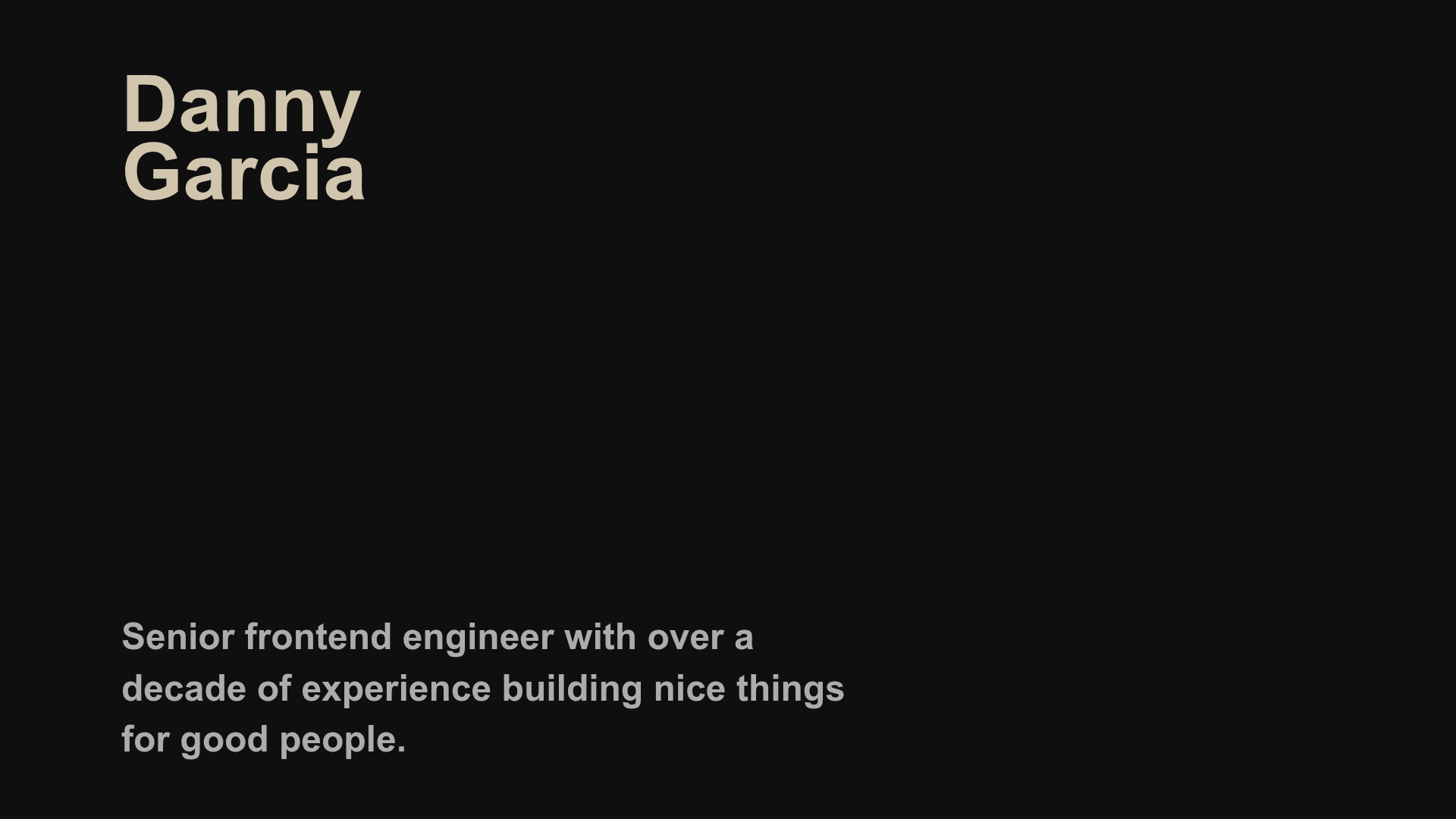
A minimalist, typography-focused personal website featuring a dark mode aesthetic, canvas-based hero background, and a structured timeline layout for blog posts and work history.
Overview
This portfolio is a masterclass in minimalist, typography-driven design, utilizing high-contrast aesthetics and ample whitespace to emphasize content. It is a strong clone reference for developers who want a sophisticated, content-first personal site that eschews flashy frameworks for structured, semantic layouts and subtle interactive canvas elements.
Design System
- Color Palette & Visual Hierarchy: The site uses a deep black background (
#000000) paired with a warm, off-white/cream primary text color for the branding and body text. A secondary muted grey is used for timestamps and metadata to create clear visual depth without relying on complex color schemes. - Typography System: The system relies on a bold, sans-serif font family. The brand name/logo utilizes a larger scale with tight leading and a vertical stack, while the intro text is set in a medium-weight scale for maximum readability. Technical metadata like dates utilize a smaller, secondary weight/opacity.
- Page Structure & Flow: The layout follows a single-track vertical flow: a fixed-width left-aligned header/intro, followed by a "Blog Timeline," and concluding with a "Work Timeline." Both timelines use a consistent horizontal alignment where titles and dates occupy the top line of a block, followed by descriptive paragraphs.
- Reusable Components:
- Timeline Entry: A semantic container pairing an
h2orh3title with aspandate and adivdescription. This is the core repeatable unit. - Logo Block: A simple typographic
h1using<br>tags to control the break point, which serves as both branding and home navigation. - Canvas Hero: An empty
.canvas-containerdiv designed to house a background visual effect without obstructing content.
- Timeline Entry: A semantic container pairing an
- Implementation Clues: The HTML reveals a semantic structure using
<main>,<section>, and<article>. It utilizes custom CSS variables (e.g.,var(--v-space)) for spacing and a simple class naming convention liketype-primaryandtype-secondaryfor font styling, suggesting a lightweight, utility-ready approach.
Use Cases
- Who should clone this: Senior engineers, technical writers, or designers who want to showcase a long history of professional work and regular writing without the clutter of traditional "grid" portfolios.
- Remix Directions: Swap the black/cream palette for a high-contrast serif typeface and white/deep-blue colors for a more editorial "New York Times" aesthetic. The timeline structure can be easily adapted into a product changelog or a simple documentation archive.
- Suggested Clone Scope: The "Timeline Entry" component is the most reusable piece for existing projects. A full-page clone is ideal for those seeking a one-page
Related Inspirations
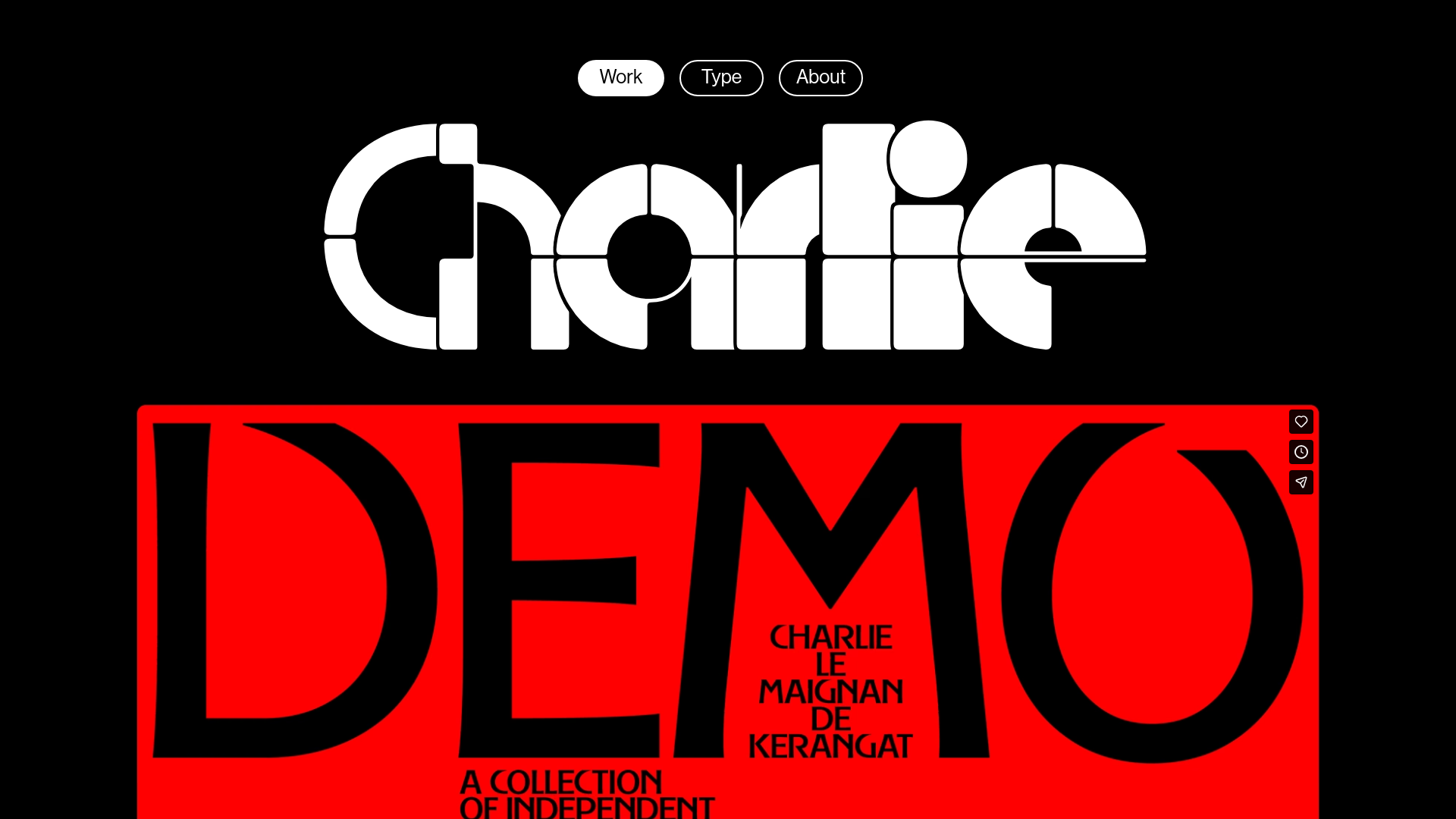
Charlie Le Maignan Portfolio Archive
A minimalist dark-mode portfolio featuring high-contrast typography, a geometric logo header, and an integrated full-width video gallery showcasing independent creative work.
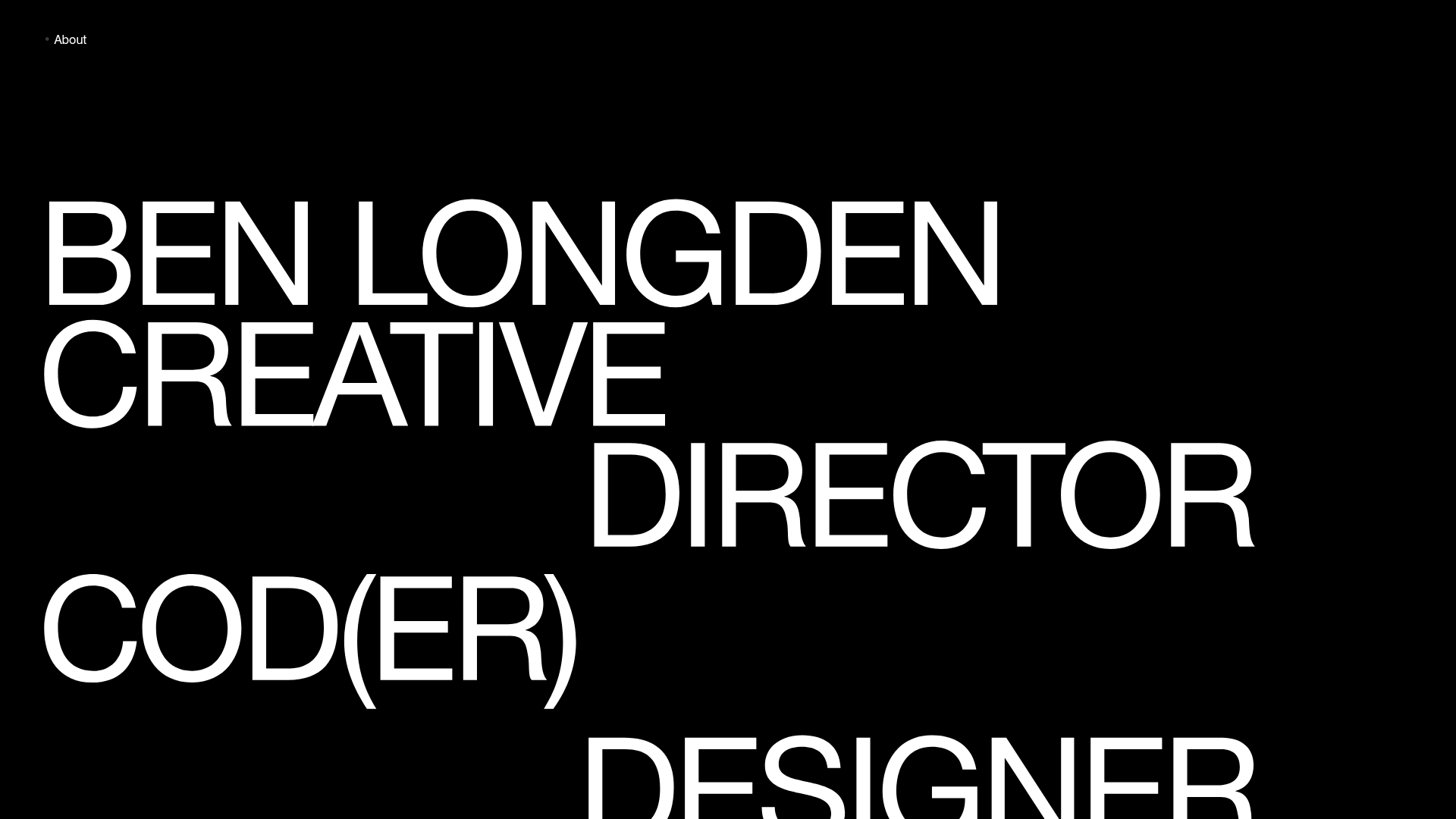
Ben Longden Minimalist Creative Portfolio
A bold typography-focused site featuring a large-scale overlapping hero section, horizontal image carousels for projects, and a scrolling text marquee footer.
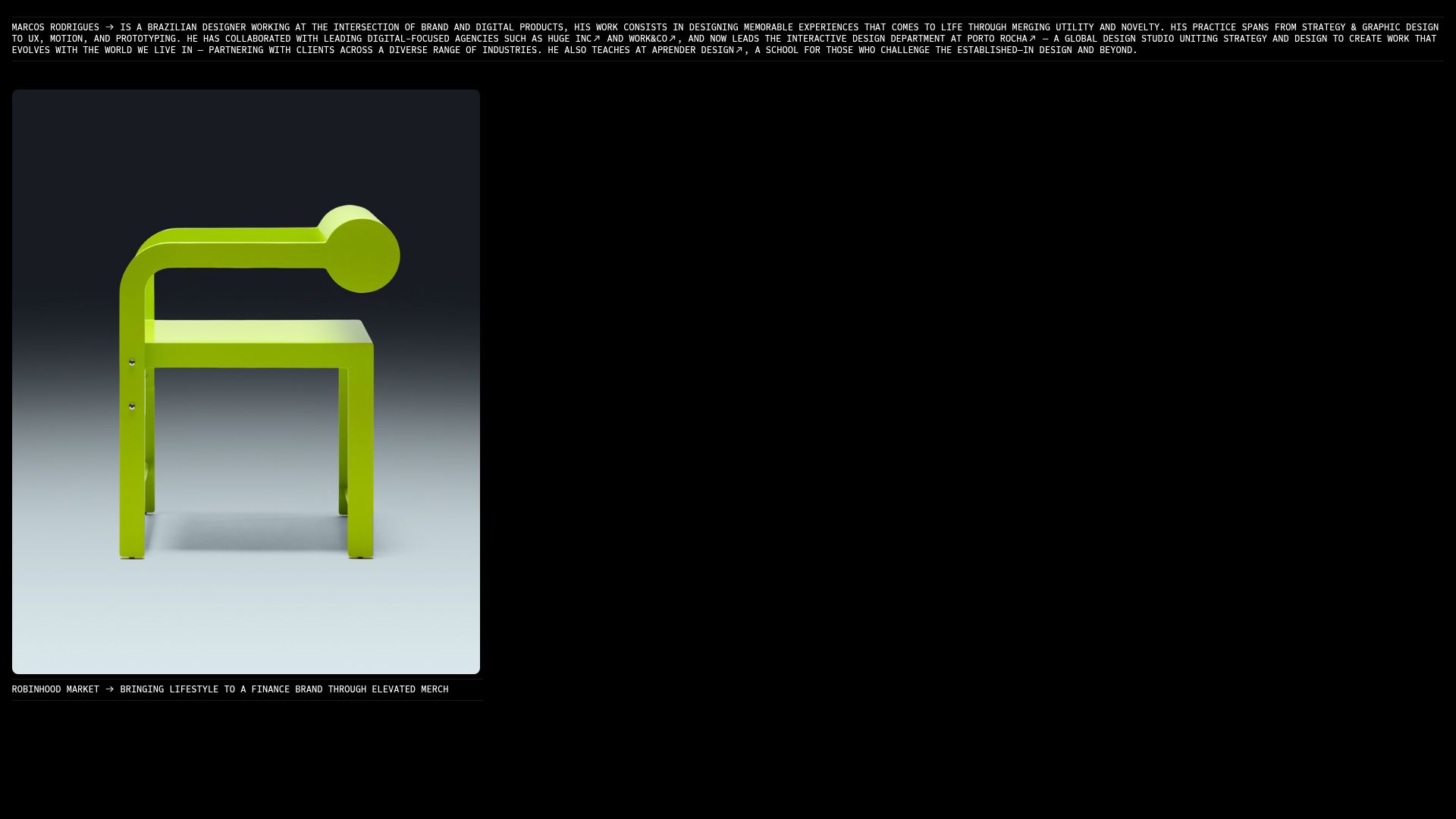
Marcos Rodriguez Minimalist Design Portfolio
A dark-themed personal site featuring a high-contrast monospaced header, a full-height centered image/video slideshow, and minimal thin-rule horizontal dividers.
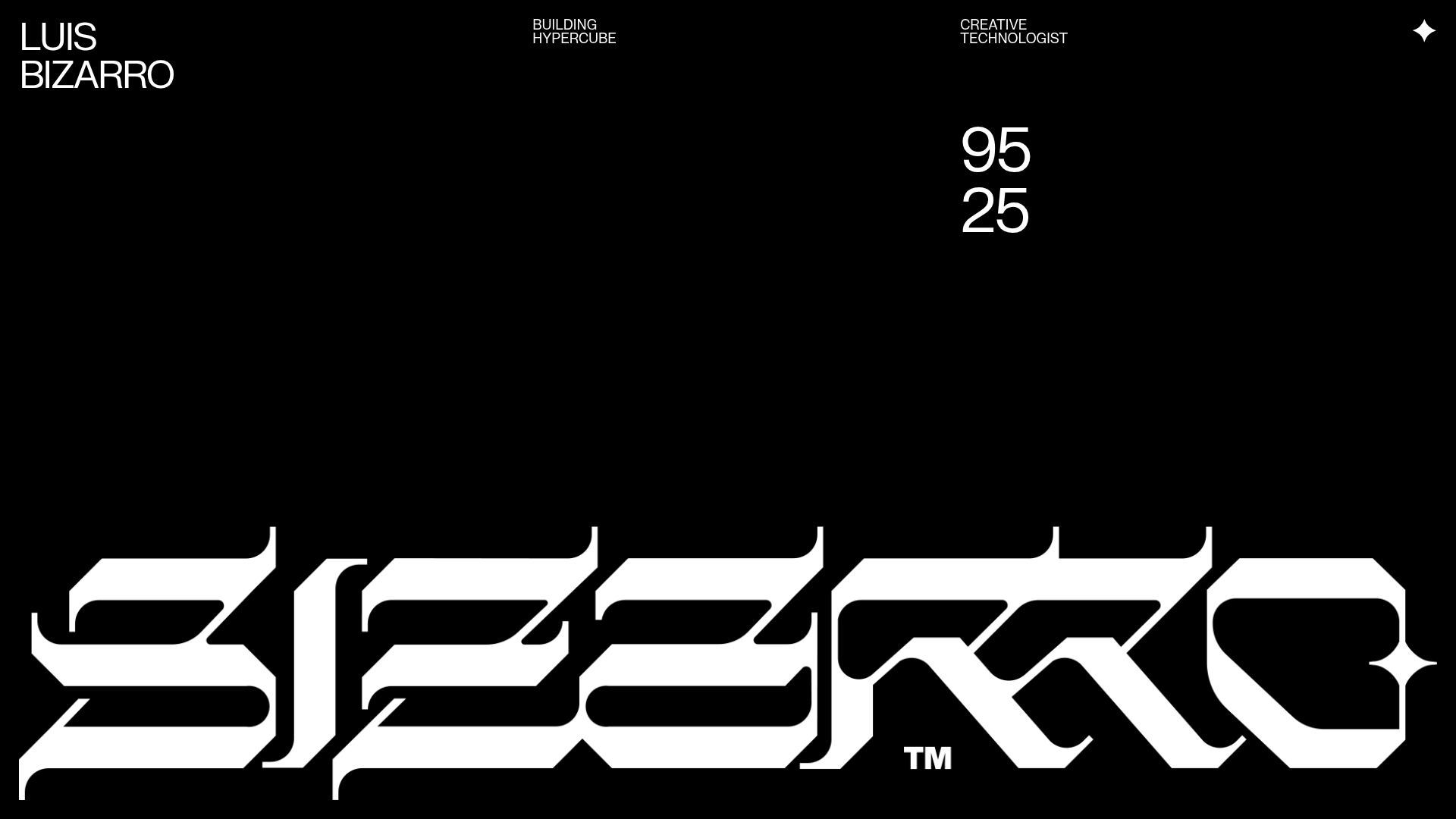
Luis Bizarro Creative Technologist Portfolio
A high-contrast dark mode portfolio featuring a custom blackletter logotype, minimal typography grid, and a video-heavy project showcase using WebGL-based content transitions.

Ingmar Coenen Digital Design Portfolio
A dark-themed minimalist portfolio featuring a custom animated hero intro, a switchable grid/list project gallery, and an auto-scrolling client logo ticker.
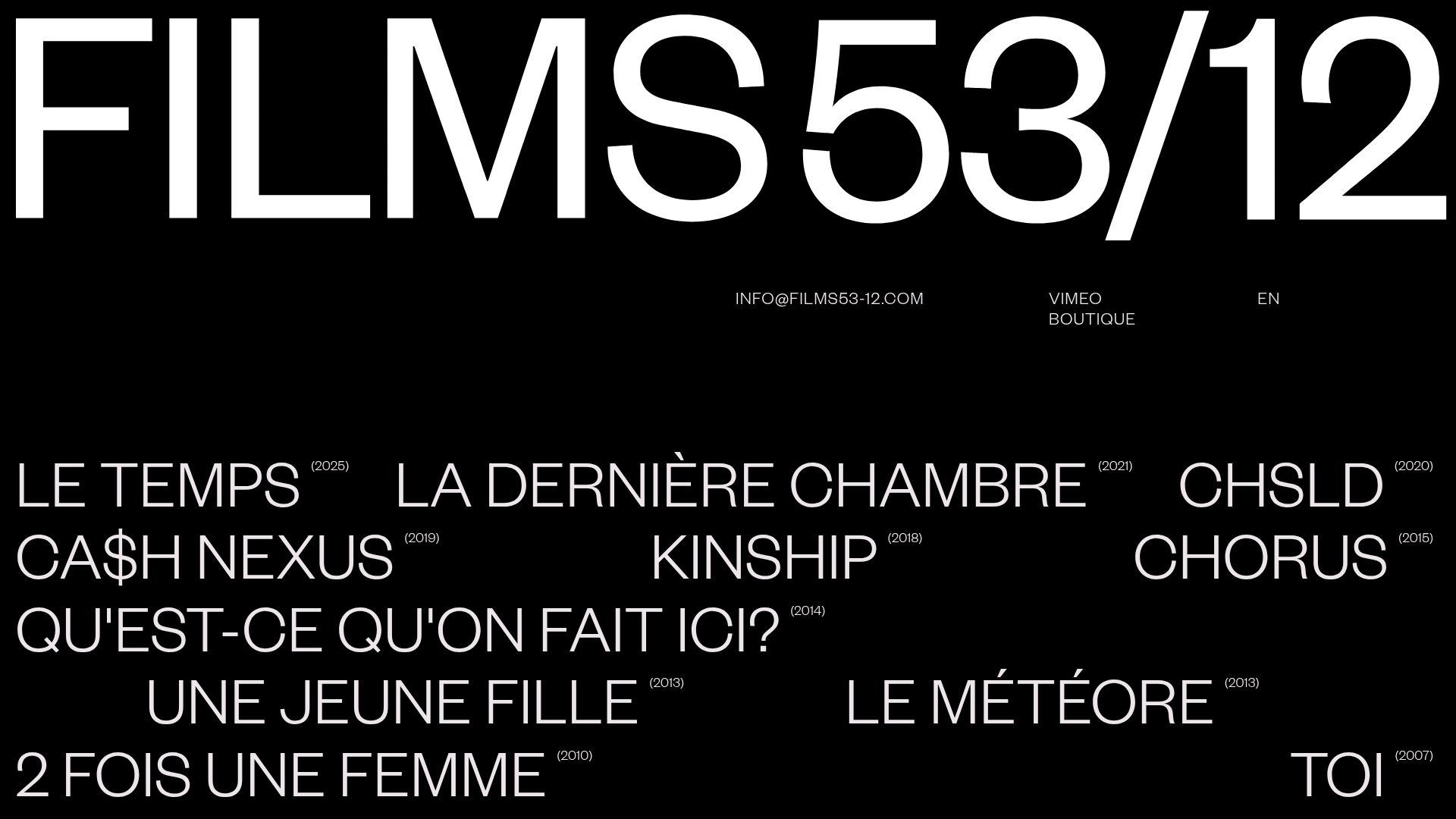
Films 53/12 Cinematographic Portfolio Layout
A minimalist dark-mode production site featuring a scattered typography grid, interactive hover-to-reveal image states, and a clean list-based film catalogue.
