Le Puzz E-commerce Grid Gallery
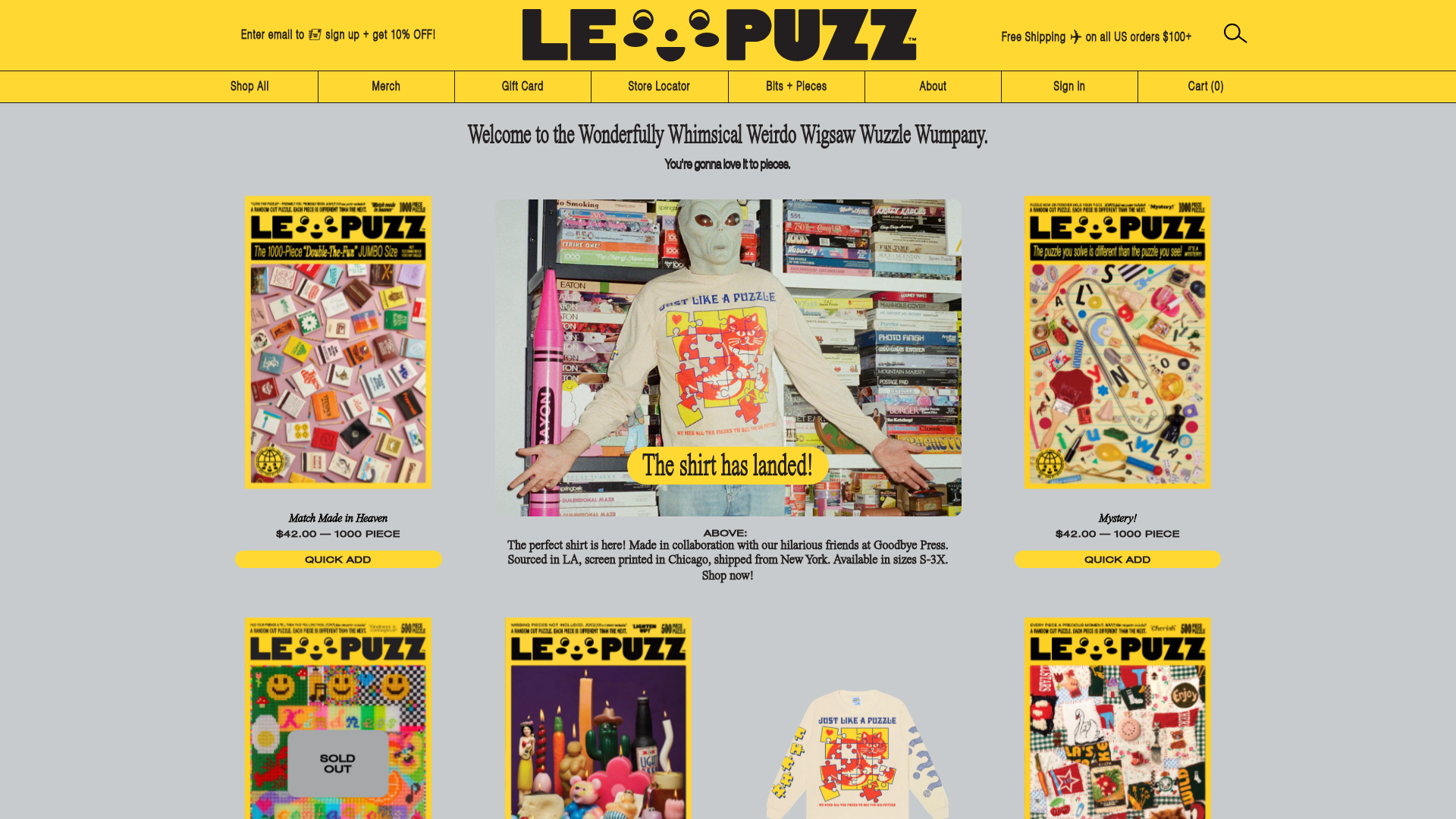
A playful Shopify-based storefront featuring a responsive product grid with interactive 3D box-flipping hover effects and integrated lifestyle banners.
Overview
Le Puzz is a vibrant, play-oriented e-commerce storefront that utilizes a unique 3D grid system to showcase jigsaw puzzle products. It is a standout reference for clone-and-remix projects because of its sophisticated CSS transforms that simulate physical product boxes and its ability to seamlessly integrate lifestyle photography into a high-conversion retail layout.
Design System
- Color Palette & Visual Hierarchy: The primary brand color is a high-saturation "Caution Yellow" (#FFD700), used for the header, navigation, and primary call-to-action buttons. This is set against a neutral, light-gray background (#D1D5DB) that allows the complex, multi-colored puzzle box art to pop without visual competition.
- Typography: The site uses a heavy, rounded display serif for headings, evoking a vintage, toy-store aesthetic. Secondary information, such as prices and product types, uses a clean, monospace-style sans-serif to maintain readability. Text is strictly black, creating high contrast against the yellow background.
- Page Structure: The layout follows a modular grid. It begins with a thick-bordered utility bar and secondary navigation, followed by a playful serif headline. The product grid is interspersed with full-width "lifestyle banners" that act as visual breaks and marketing anchors.
- Reusable Components:
- 3D Product Card: The core innovation; a six-sided box container (
.product-box__inner) using CSS 3D transforms to render front, back, and side images. - Sticky Header: A multi-tiered yellow header containing site-wide navigation and search.
- Interactive Buttons: High-contrast, pill-shaped "Quick Add" buttons with a subtle hover state.
- Status Badges: Semi-transparent gray overlays labeled "SOLD OUT" that sit directly over the 3D product boxes without breaking the grid.
- 3D Product Card: The core innovation; a six-sided box container (
- Interaction & Motion: The standout feature is the
.touch-spinbutton and hover-trigger. UsingperspectiveandrotateYCSS properties, the puzzle boxes flip or spin to show sides and back-of-box art when engaged. - Implementation Clues: The HTML structure reveals a Shopify-based architecture. Grid items are managed via a
.productscontainer with specific class names for piece counts (e.g.,.1000-piece,.500-piece), suggesting a filterable CMS-driven backend.
Use Cases
- Who should clone this: This pattern is ideal for boutique physical goods brands where the packaging is as important as the product, such as board games, vinyl records, or high-end cosmetic boxes.
- Effective Remixes: Collectibles brands (trading cards) or footwear retailers can remix the 3D card component to show 360-degree views of shoe boxes or card thicknesses.
- Remix Directions: Replace the high-energy yellow with a minimalist white/black palette for a luxury feel, or swap the "spin" interaction for a vertical flip to show different product variants.
- Suggested Scope: The 3D CSS Product Card is the highest-value section to clone individually. For a full-page clone, designers should focus on the specific spacing and alignment of the lifestyle banners to ensure the grid doesn't feel repetitive.
Related Inspirations
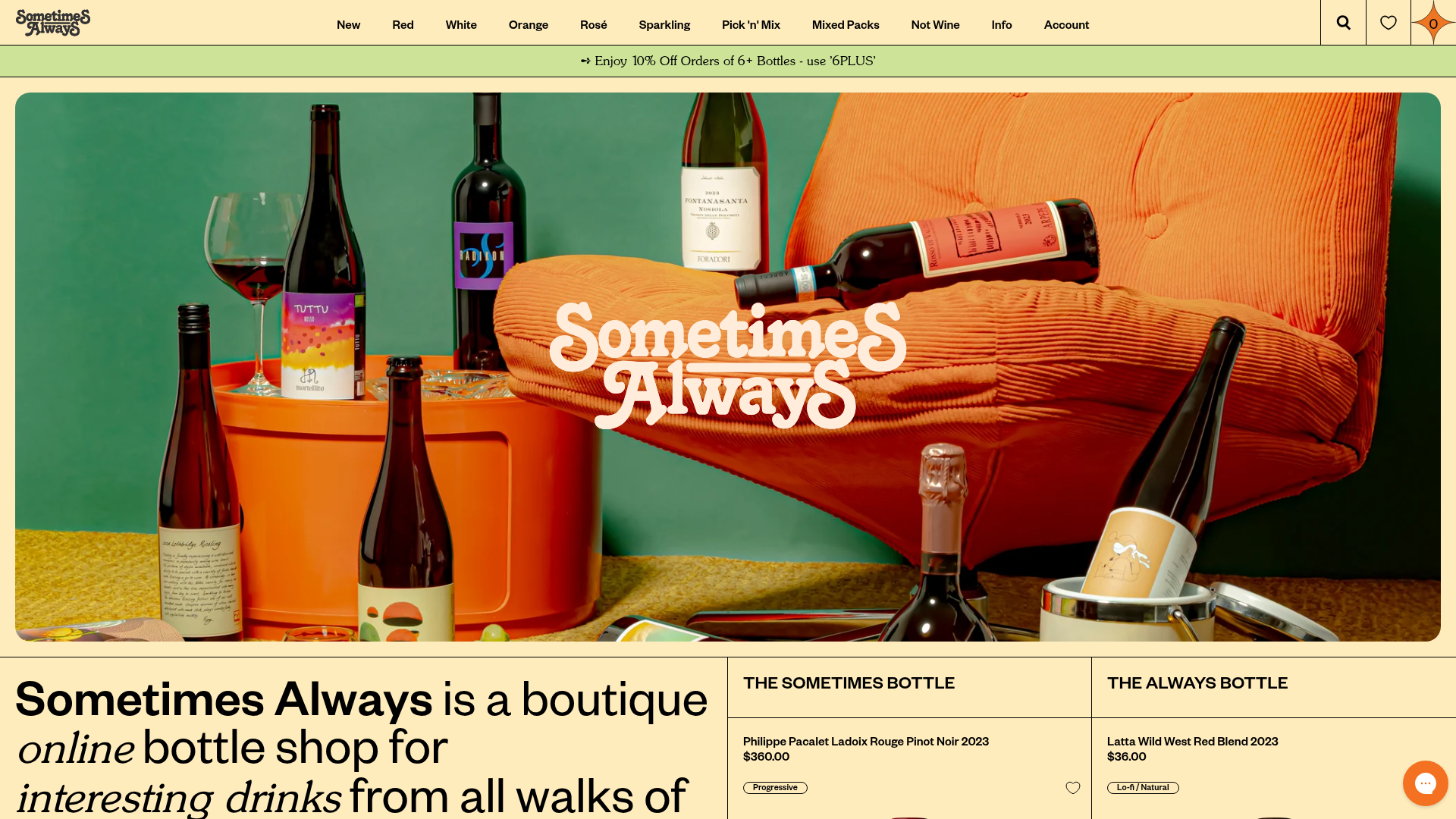
Sometimes Always Boutique Wine Shop
A high-fashion e-commerce layout featuring a serif-heavy typography system, bold overlapping image hero, and a two-column product spotlight grid with wishlist integration.
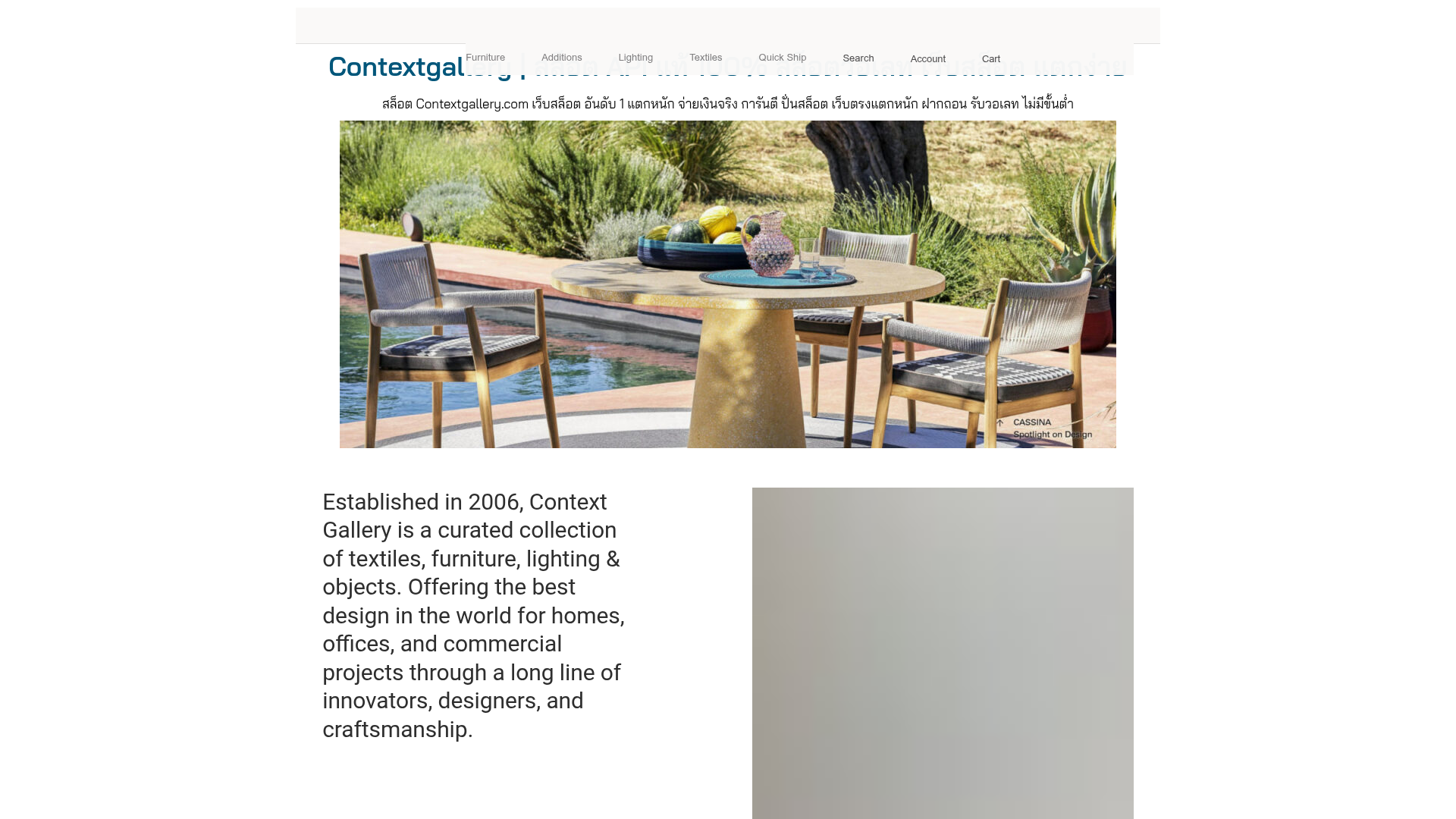
Context Gallery High-End Furniture Landing Page
A minimal editorial layout featuring a multi-column product carousel, designer biographies with image-text pairings, and a magazine-style content grid for curated design stories.
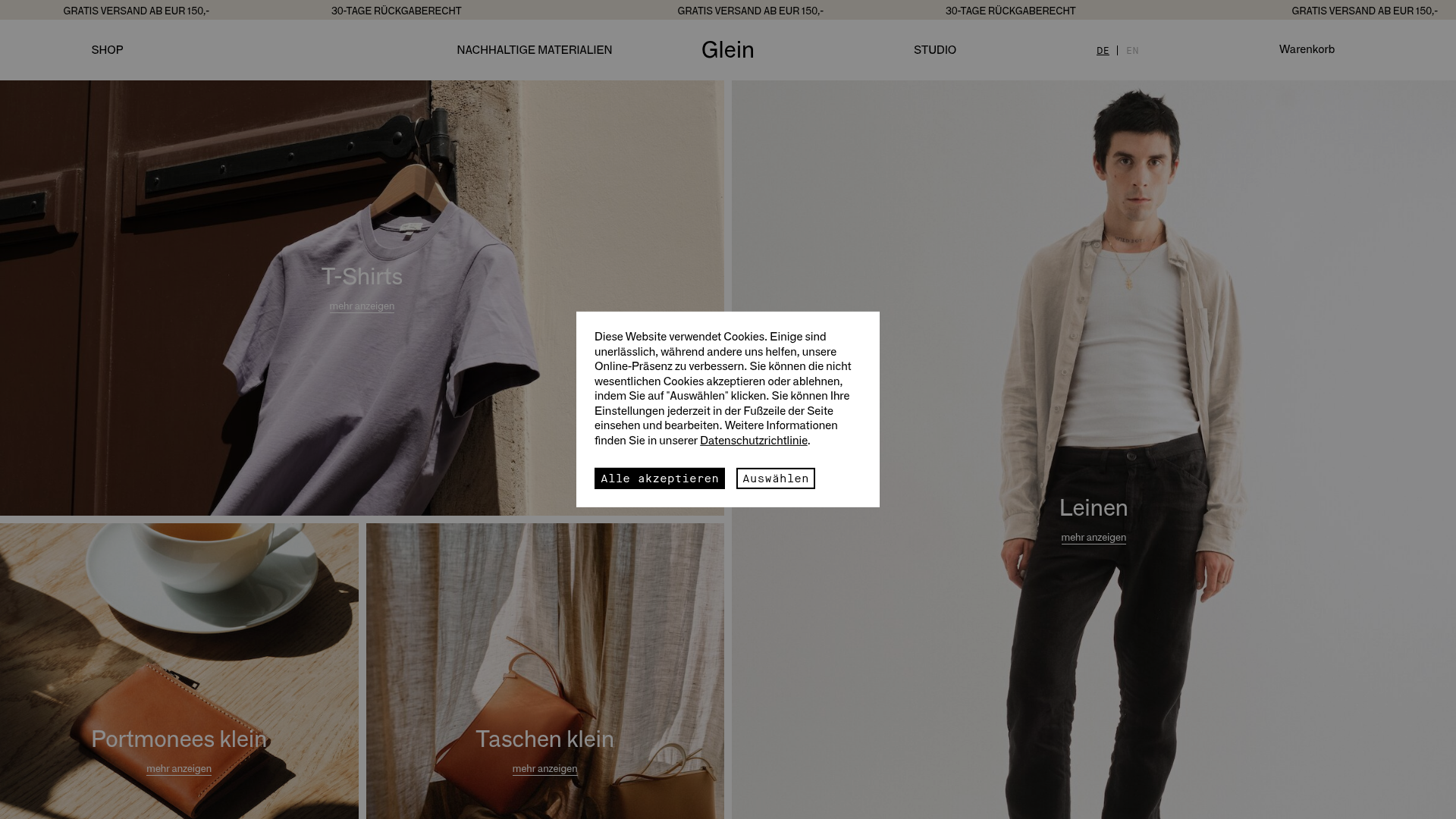
Glein Minimalistic Bento Grid eCommerce
A clean, modular layout using a bento-style responsive grid of text teasers and large-scale product imagery for lookbooks and collection browsing.
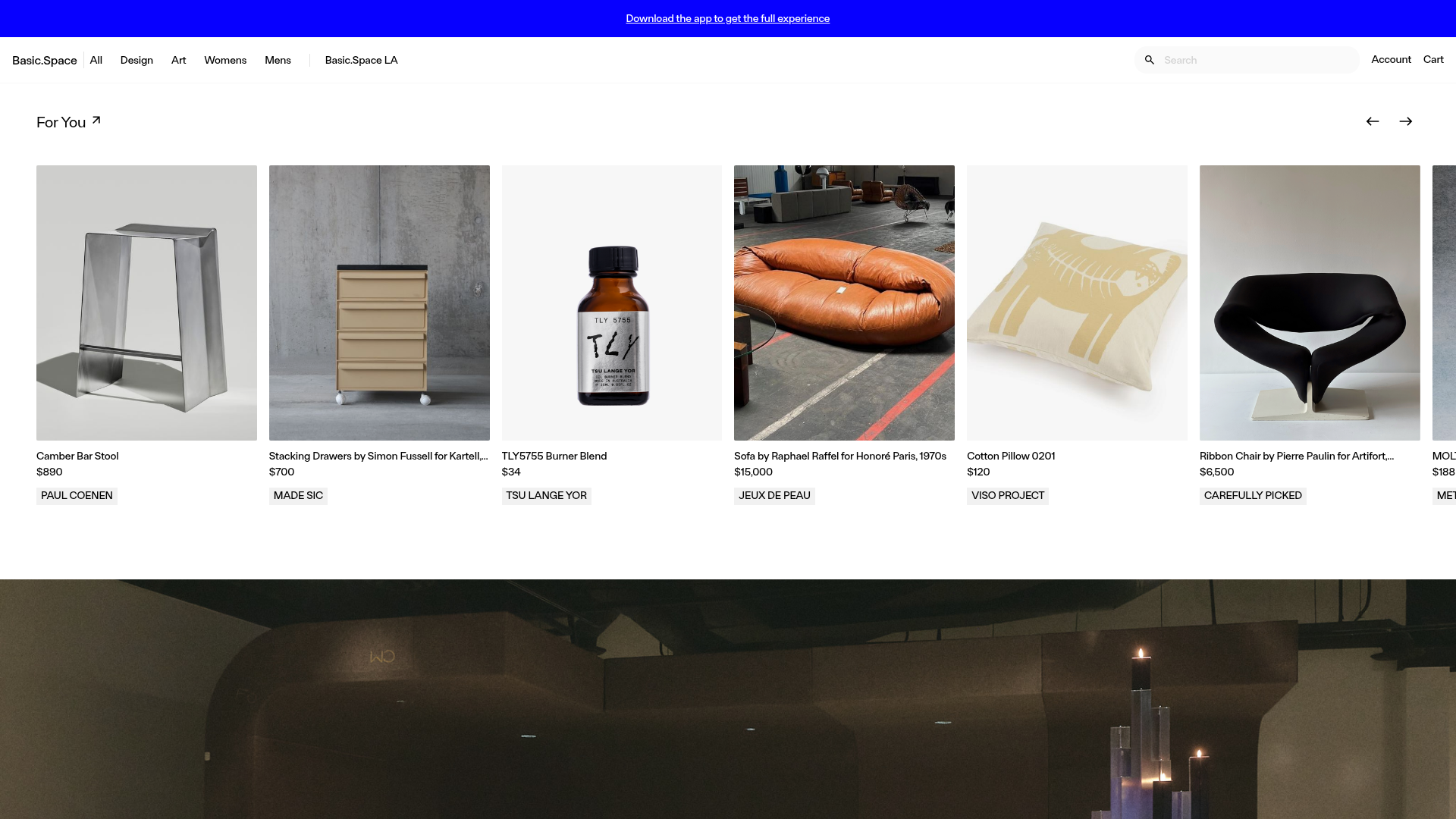
Basic.Space E-commerce Gallery Clone
A minimalist product marketplace featuring a clean sticky navigation bar, nested flyout menus, and a horizontally scrollable product carousel with hover-state image switching.
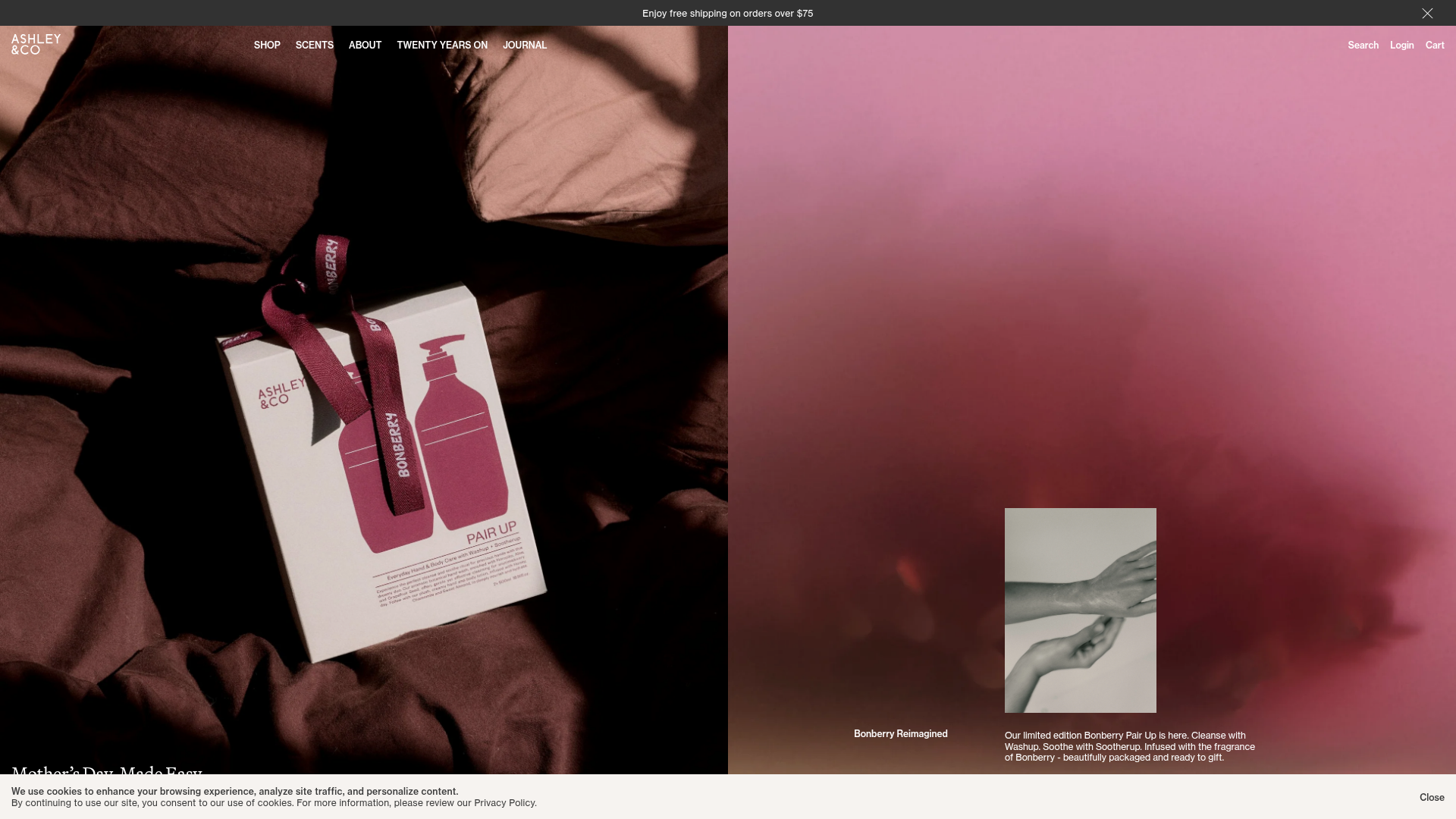
Ashley & Co Lifestyle E-commerce
An elegant Shopify-based storefront featuring a split-screen animated hero, horizontal ticker-tape collection carousel, and dynamic mega-menus with scent-specific color switching and image previews.
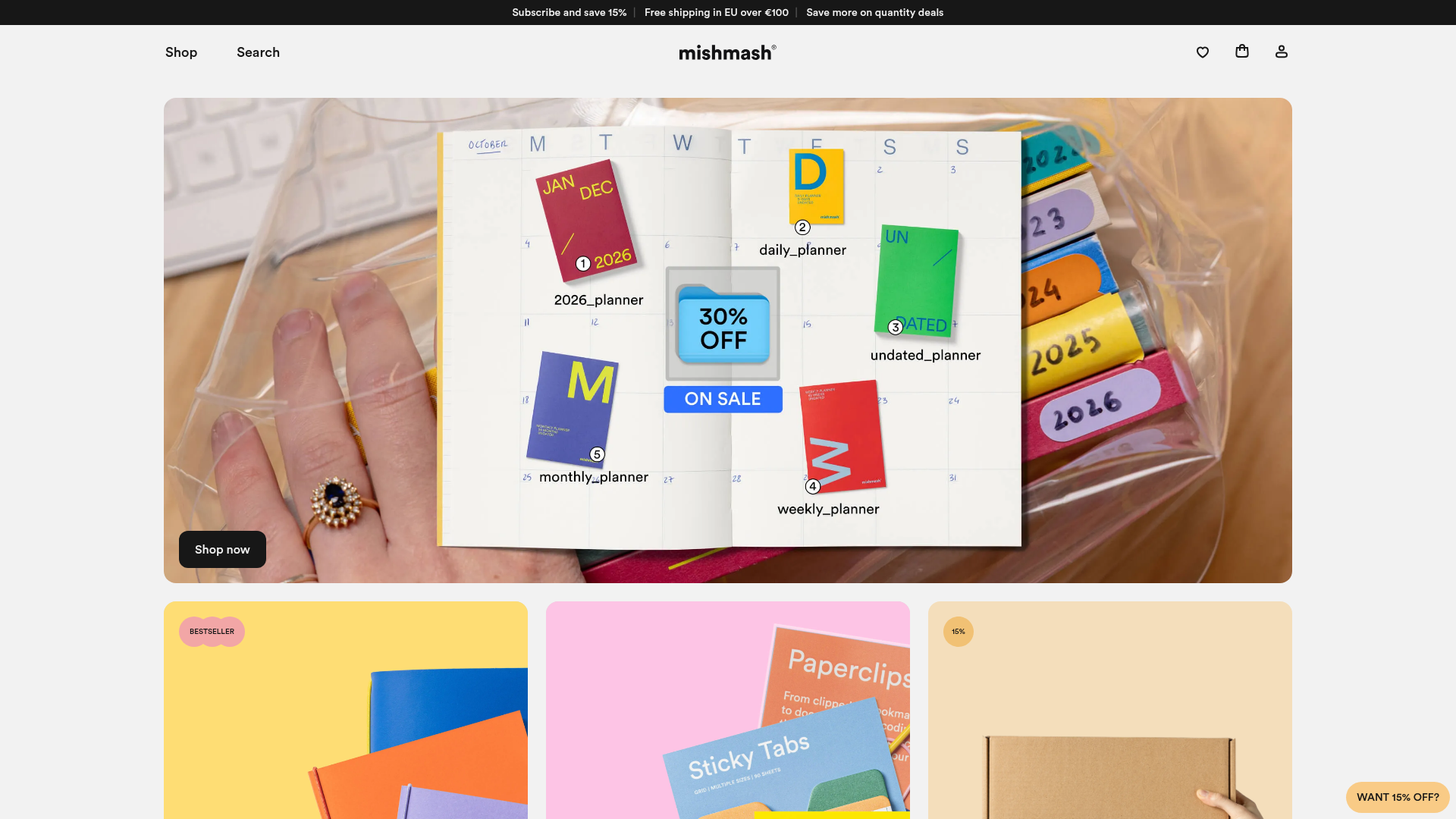
Mishmash Stationery E-commerce Layout
A clean retail template featuring rounded image grids, a multi-column comparison section with custom iconography, and a responsive products carousel.
