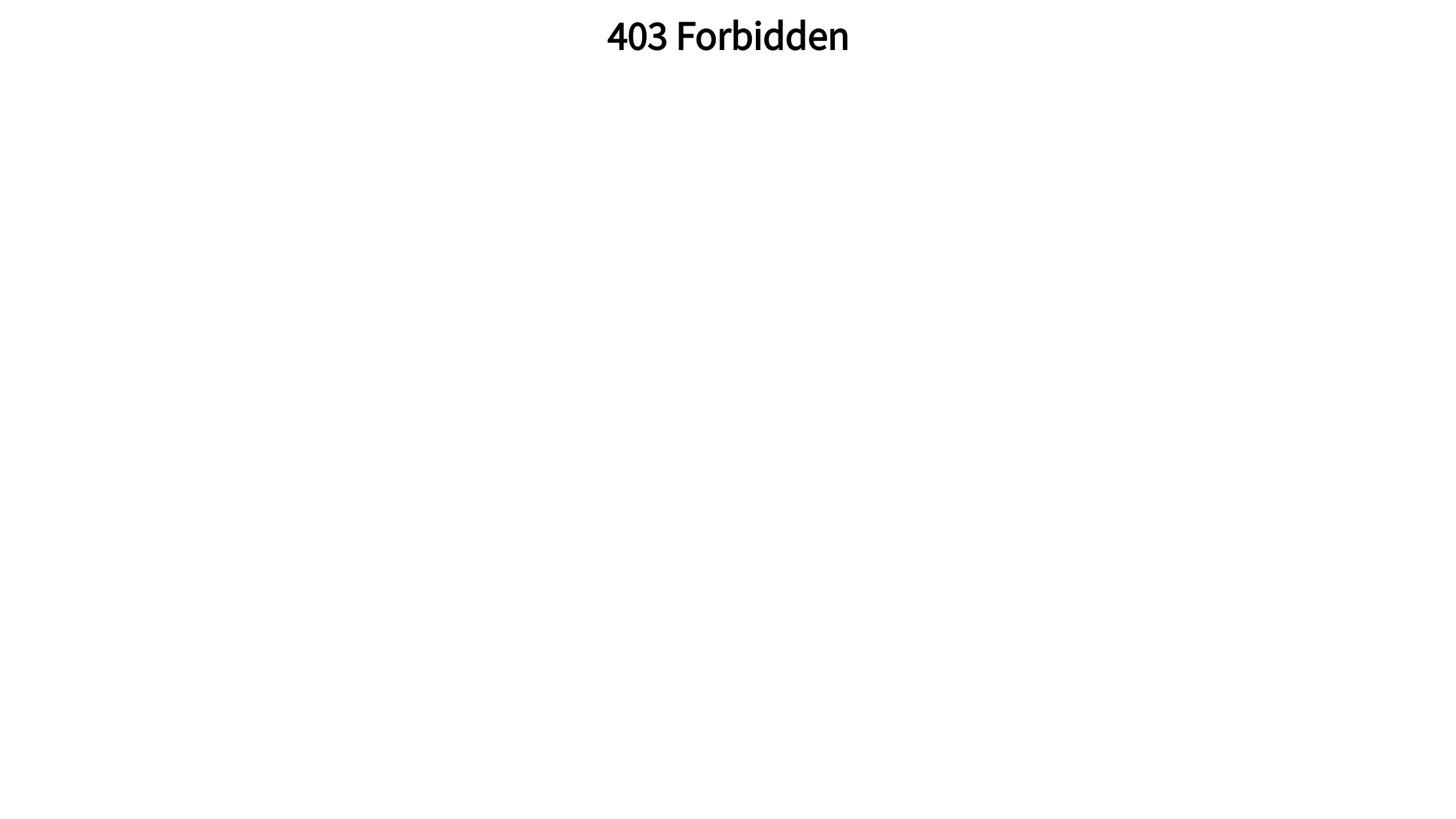
403 Forbidden Access Page
A minimal, default HTTP 403 error page featuring a simple centered heading on a plain background.
Overview
This is a minimalist implementation of a standard HTTP 403 Forbidden error page. It serves as a foundational reference for developers needing a clean, zero-dependency template for server-side access control messaging.
Design System
- Color Palette & Visual Hierarchy: The design uses a high-contrast, binary color scheme consisting of black text (
#000000) on a stark white background (#FFFFFF). The visual hierarchy is singular, focusing entirely on the error status code and message. - Typography System: The page utilizes a standard serif system font. The heading is rendered in a large scale (h1) with bold weight for immediate readability and emphasis, centered horizontally to anchor the user's attention.
- Page Structure: The layout is primitive, utilizing a single centered heading element. There is no navigation, header, or footer, ensuring the user is not distracted from the core feedback message.
- Reusable Components: The primary reusable element is the basic HTML center-aligned heading structure (
<center><h1>...</h1></center>), which can be quickly integrated into broader application error handlers. - Responsive Behavior: The design is inherently responsive due to its simplicity; the text remains centered and legible across all viewport sizes without the need for complex media queries.
- Implementation Clues: The HTML reveals a legacy-style implementation using the
<center>tag, indicating a server-default or lightweight output intended to minimize bandwidth and rendering overhead.
Use Cases
- Who should clone this: System administrators and backend developers looking for a boilerplate status page that requires no external CSS or JavaScript.
- Effective remixes: Security software or internal corporate tools can remix this by adding a "Return to Dashboard" button or a support contact link to improve user experience while maintaining the simplicity.
- Practical remix directions: Swap the standard serif font for a brand-aligned sans-serif, or add a container with a subtle shadow to frame the message for a more modern "boxed" error page feel.
- Suggested clone scope: A quick section clone is recommended for use within a 4xx error routing handler.
Related Inspirations
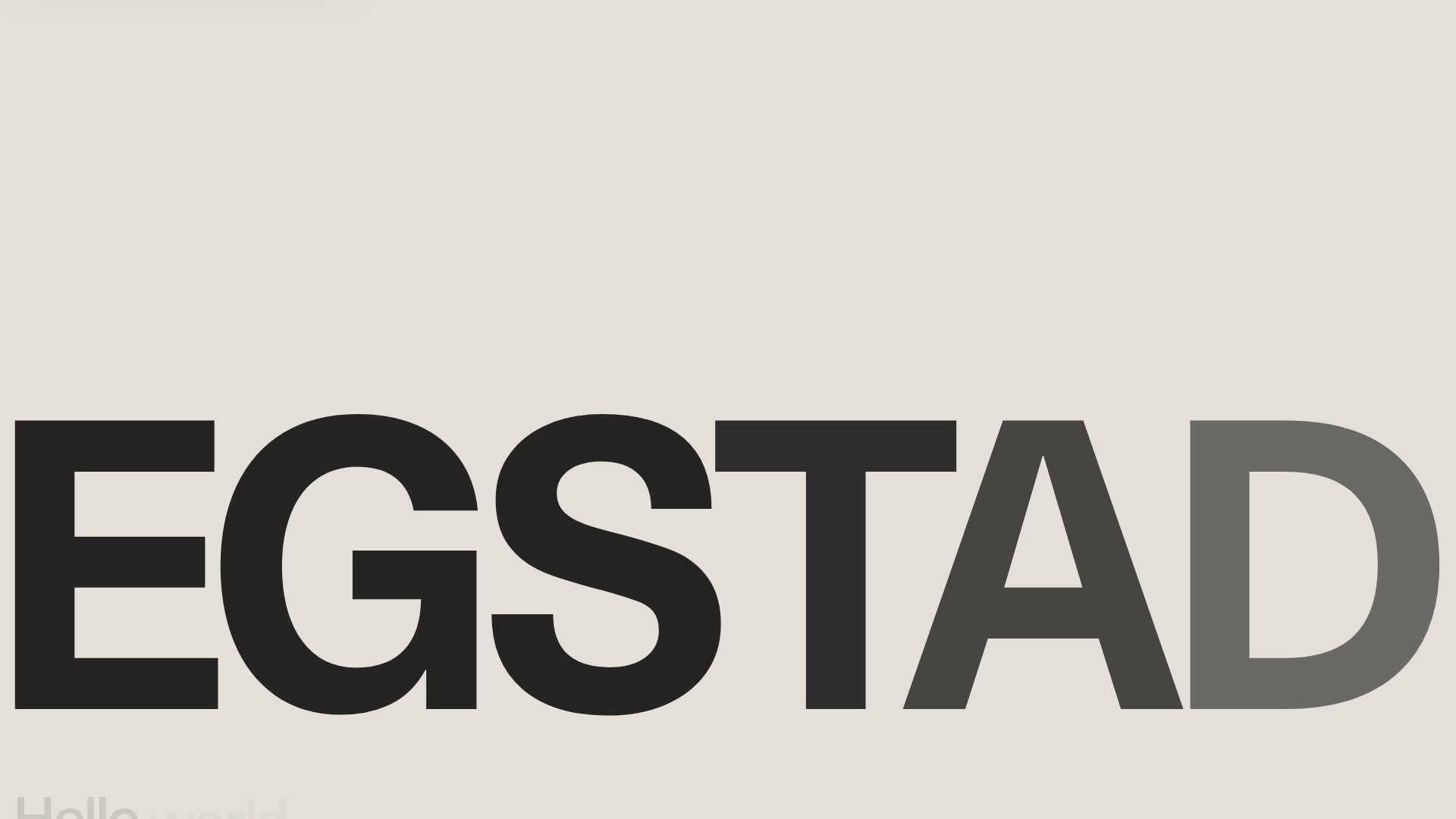
Egstad Minimalist Design Portfolio
A refined Nuxt.js portfolio featuring bold variable typography, interactive canvas elements, and a clean grid-based layout for showcasing design work.
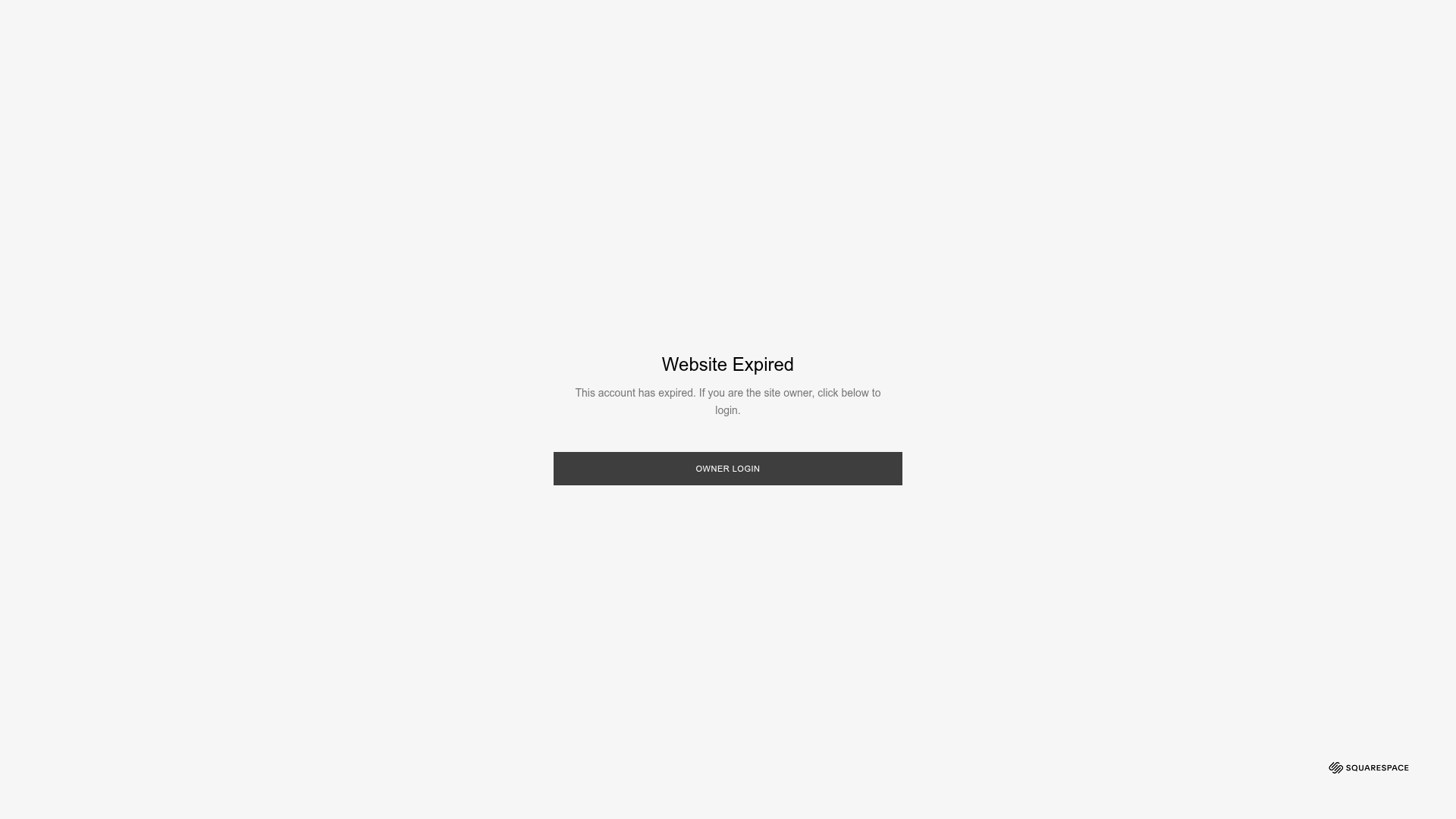
Squarespace Website Expired System Page
A minimal system error page layout featuring a centered modal box, dark overlay, and a primary call-to-action button for account recovery.
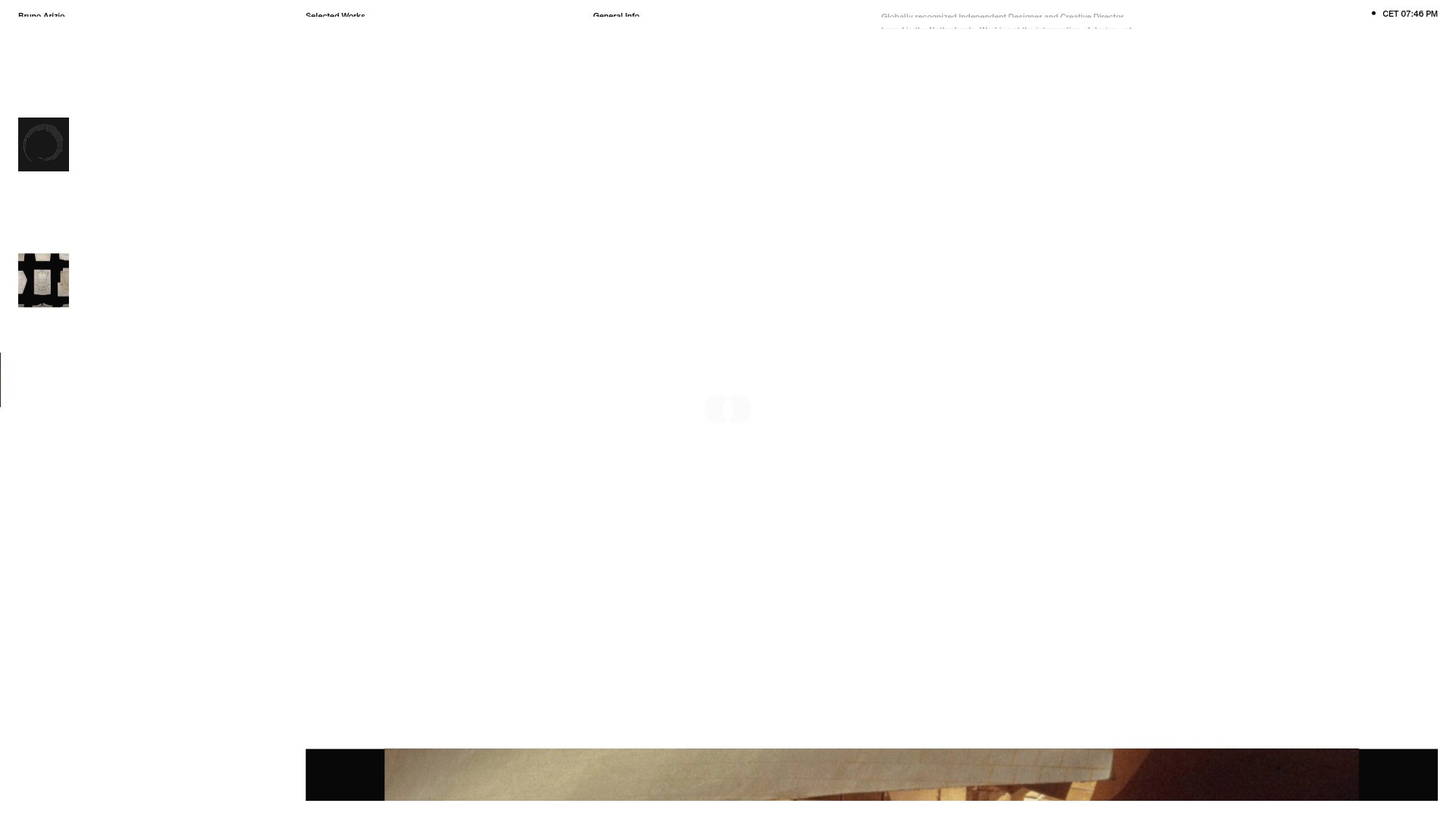
Bruno Arizio Designer Portfolio Website
A minimalist creative director portfolio featuring a clean typographic layout, side-aligned image previews, and high-contrast spacing patterns suitable for luxury or design showcases.
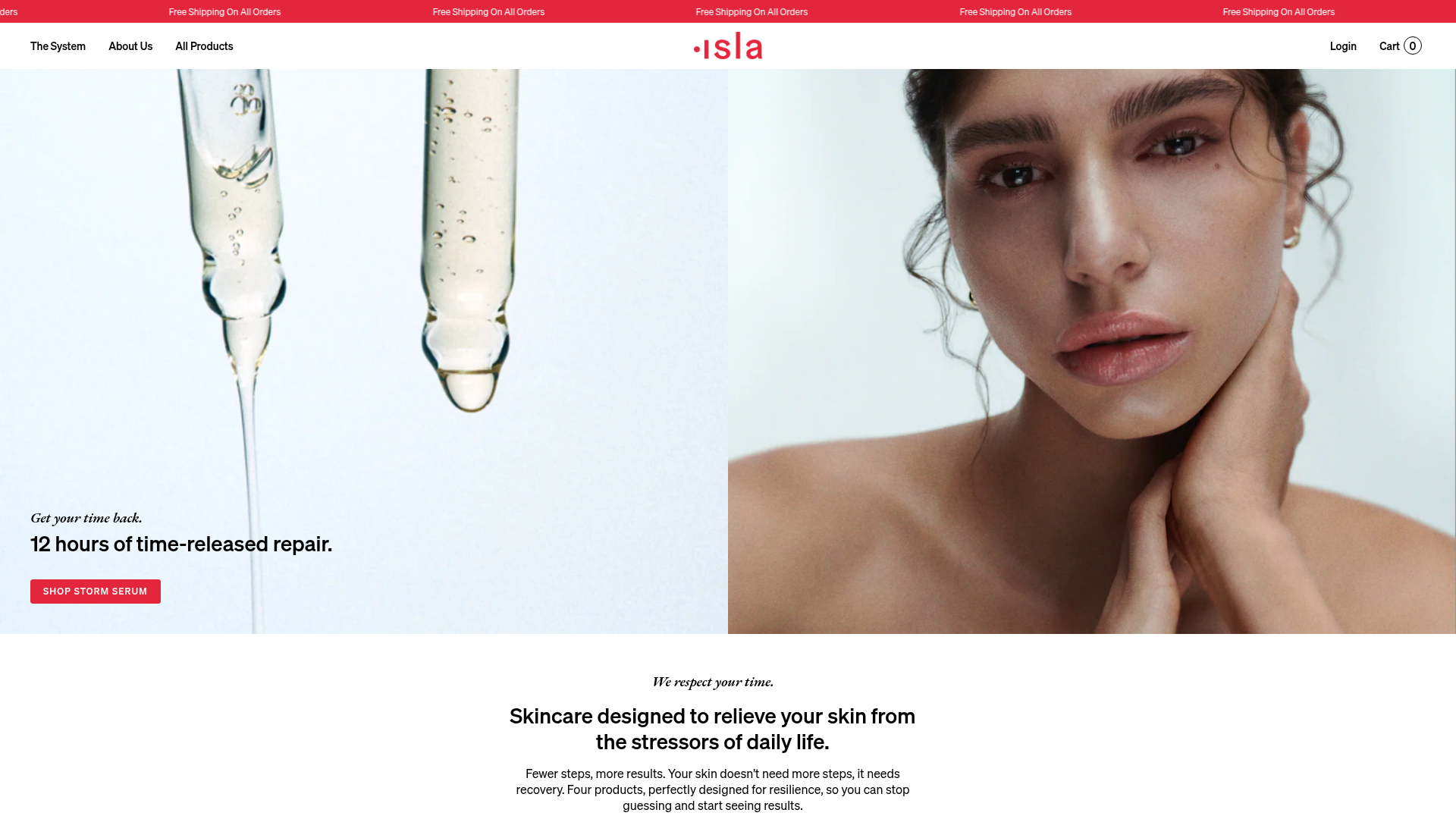
Isla Beauty Skincare E-commerce Store
A clean Shopify-based storefront featuring a split-hero landing page, a step-by-step product system carousel, and a split-screen testimonial section with localized product image sidebars.
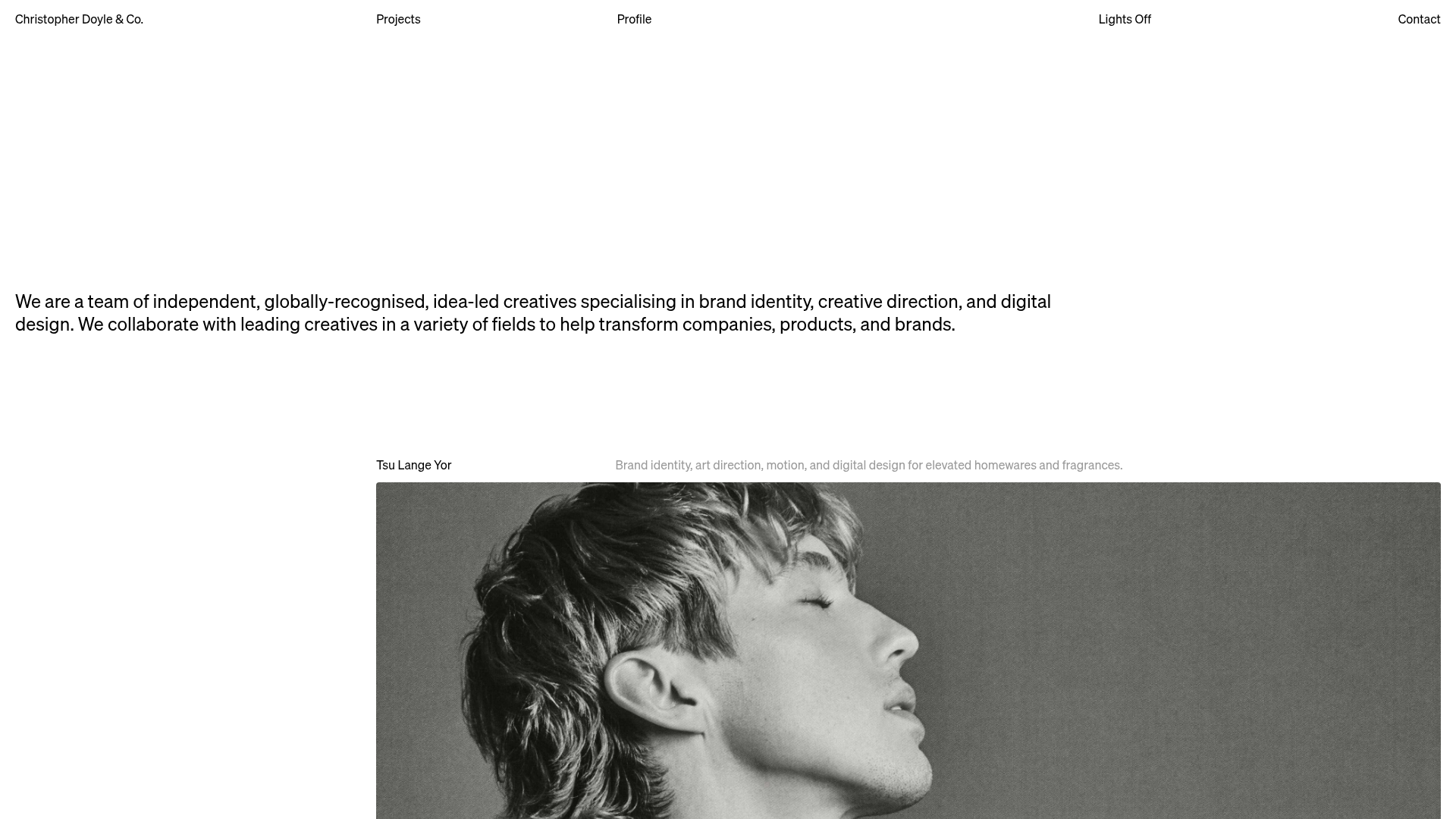
Christopher Doyle Agency Portfolio Layout
A minimalist, typography-led portfolio featuring a wide-margin grid system, smooth fade-in animations, and simple image-focused project cards.
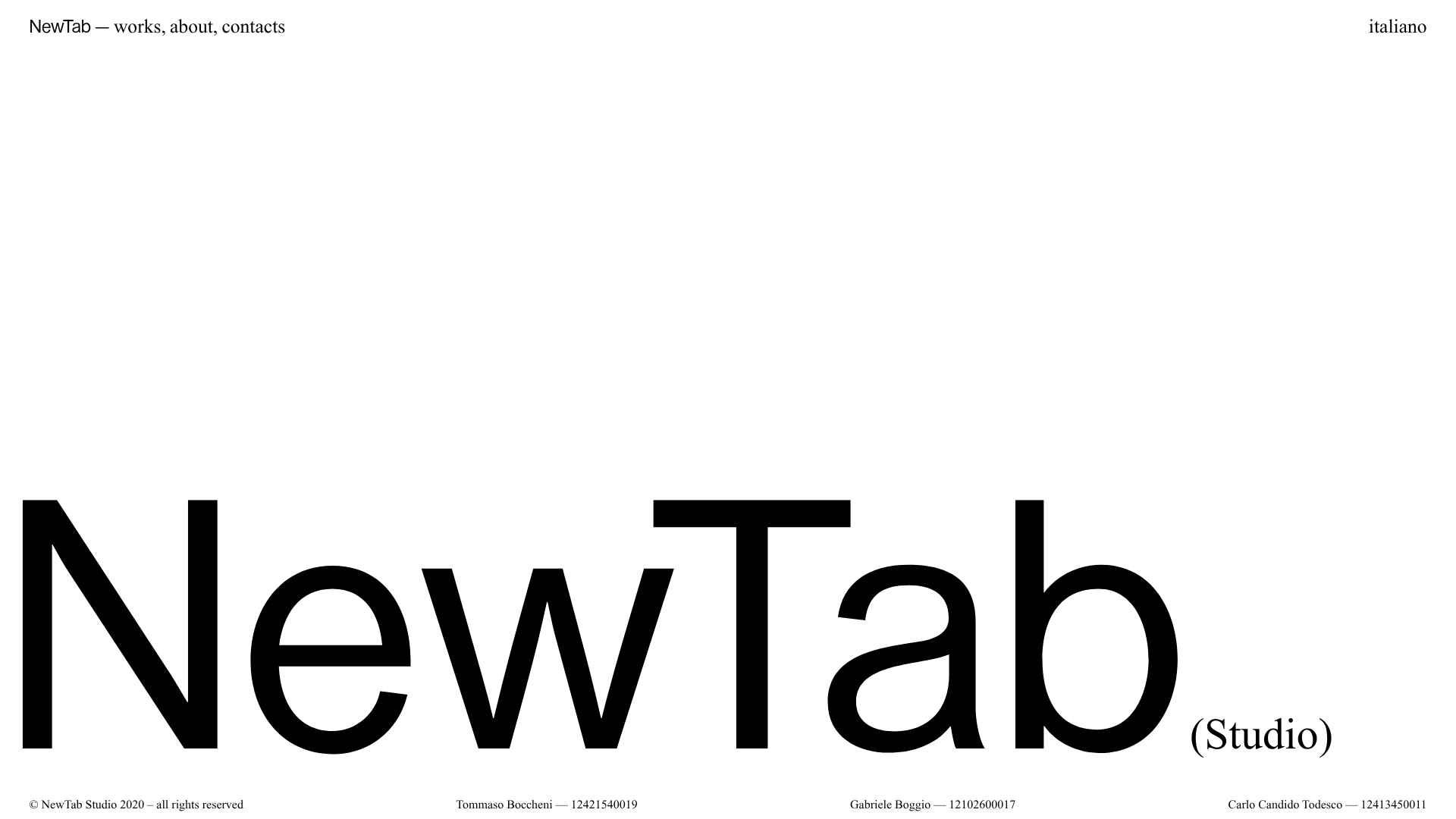
NewTab Studio Minimalist Portfolio Landing Page
A clean, typography-focused landing page featuring an oversized SVG/canvas hero title, a top-aligned navigation bar, and a minimalist footer layout.
