Vitra FindMy Interactive Product Loader
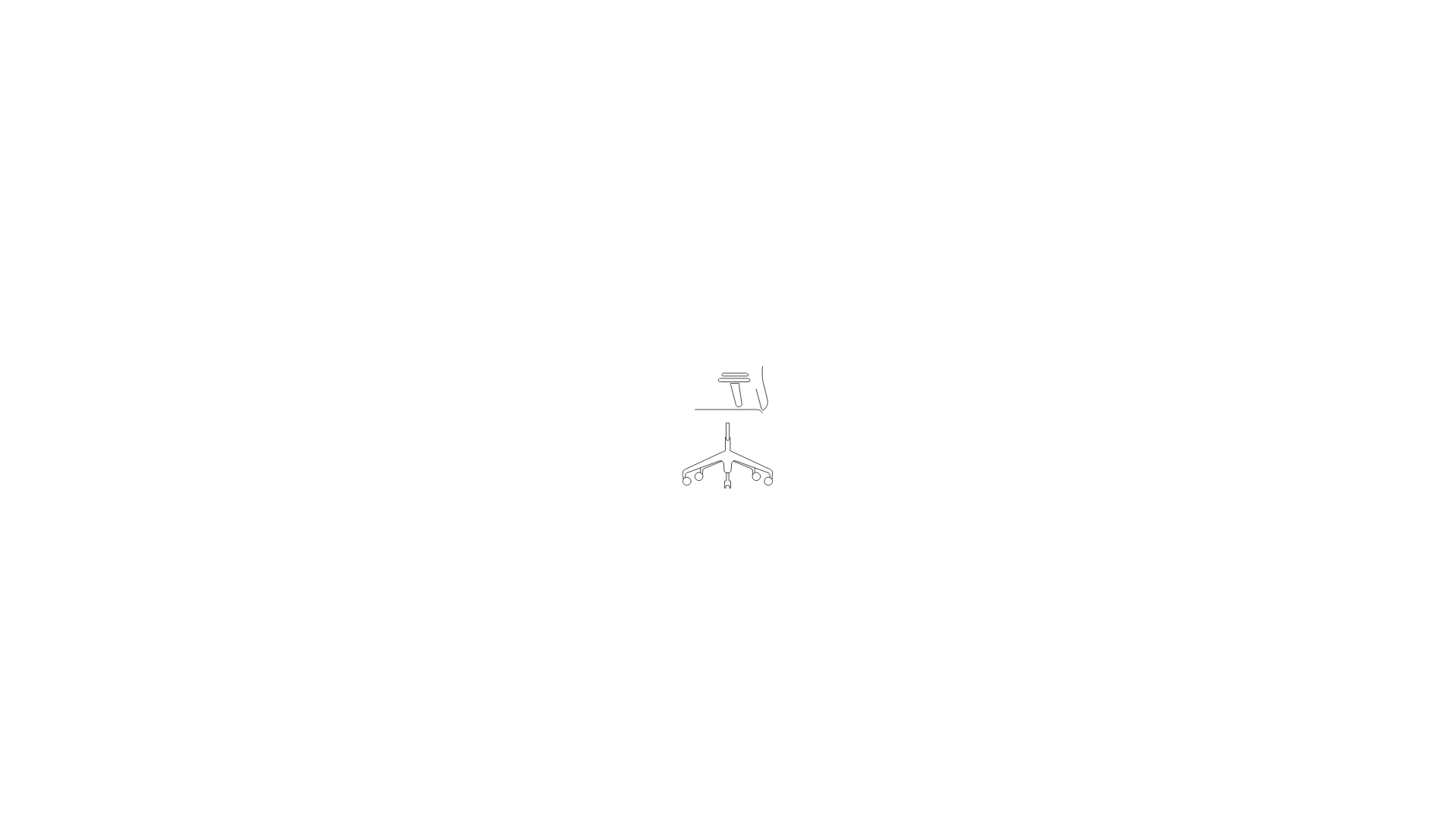
A minimal Next.js loading screen or intro featuring a centralized line-art product outline and a background asset preloading system for high-resolution gallery images.
Overview
This project features a highly minimalist Next.js loading screen designed to preload a robust asset library while maintaining brand elegance. It is an excellent reference for high-end boutique stores or galleries that require a sophisticated "waiting room" experience while heavy high-resolution image assets load in the background.
Design System
- Color Palette & Visual Hierarchy: The design utilizes a stark, high-contrast white background (
#FFFFFF) with thin, black (#000000) line-art assets. The hierarchy is purely central, focusing the user's eye on a single evolving or static visual anchor in the center of the viewport. - Typography: Not visible in this state, but the architecture implies a focus on imagery over text. The HTML structure shows hidden route announcers for accessibility, suggesting a focus on WCAG compliance despite the visual minimalism.
- Page Structure & Section Flow: The application uses a
NextImage_containerwrapper inside a series ofIntroLoadingAssets_productdivs. These divs are stacked or sequenced to handle pre-fetching for dozens of product variants (e.g., Soft Pad Chair, ACX Mesh, Mikado Armchair) while the user sees only the primary line-art placeholder. - Reusable Components: The
IntroLoadingAssetspattern is the primary reusable unit. It handles the logic of mapping through an array of high-resolution product images (up to 3840px wide as seen in thesrcparameters) and pre-rendering them invisibly to ensure the subsequent gallery experience is lag-free. - Interaction & Motion: Based on the DOM structure, this is a transitional state. The line-art functions as a "skeleton" or placeholder. Common motion patterns for this design include a fade-in for the line art and a seamless opacity transition once the
data-nimg="fill"assets are fully cached. - Implementation Clues: Built with Next.js, the site leverages
next/imagefor sophisticated optimization. The use of CSS Modules (indicated by hashed classes like_G4gZY) suggests a scoped, maintainable component architecture.
Use Cases
- Who should clone this: Developers building luxury e-commerce sites or digital art portfolios where preventing layout shift and "pop-in" during asset loading is critical for brand perception.
- Effective Remixes: This pattern is perfect for hardware manufacturers, fashion lookbooks, or architectural studios. Instead of furniture line art, a builder could use a rotating 3D wireframe or even a simple animated SVG logo.
- Practical Remix Directions: Use the background preloading logic found in the
IntroLoadingAssetscontainer to cache your primary hero assets. You can remix the visual style by replacing the stark white with a dark-mode "grainy" texture or glassmorphism effect while keeping the image-fetching logic intact. - Suggested Clone Scope: Start with a quick clone of the central loading container and the Next.js image optimization pipeline. It is ideal for a single-page "Intro" component rather than a full-site structure.
Related Inspirations
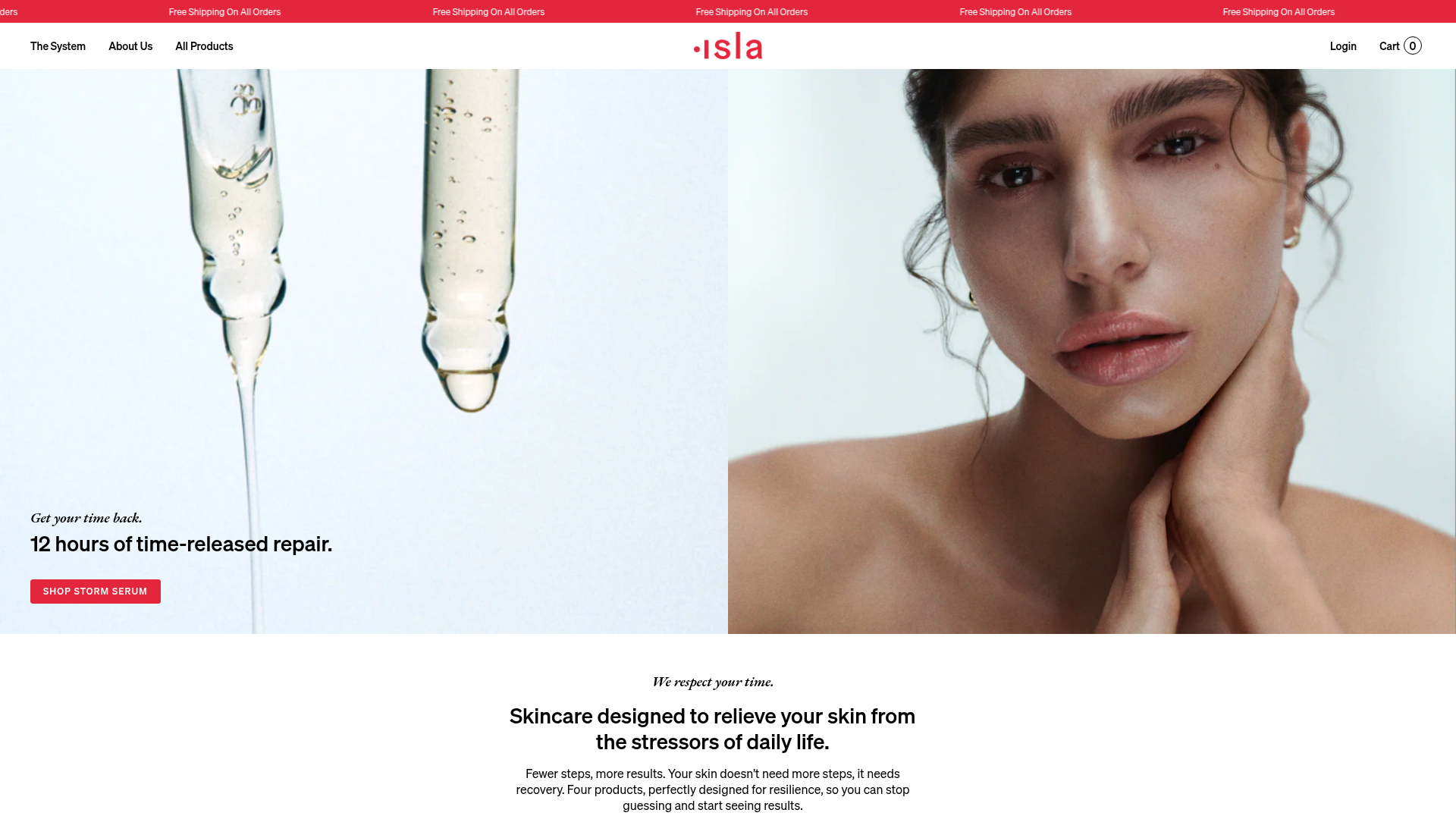
Isla Beauty Skincare E-commerce Store
A clean Shopify-based storefront featuring a split-hero landing page, a step-by-step product system carousel, and a split-screen testimonial section with localized product image sidebars.
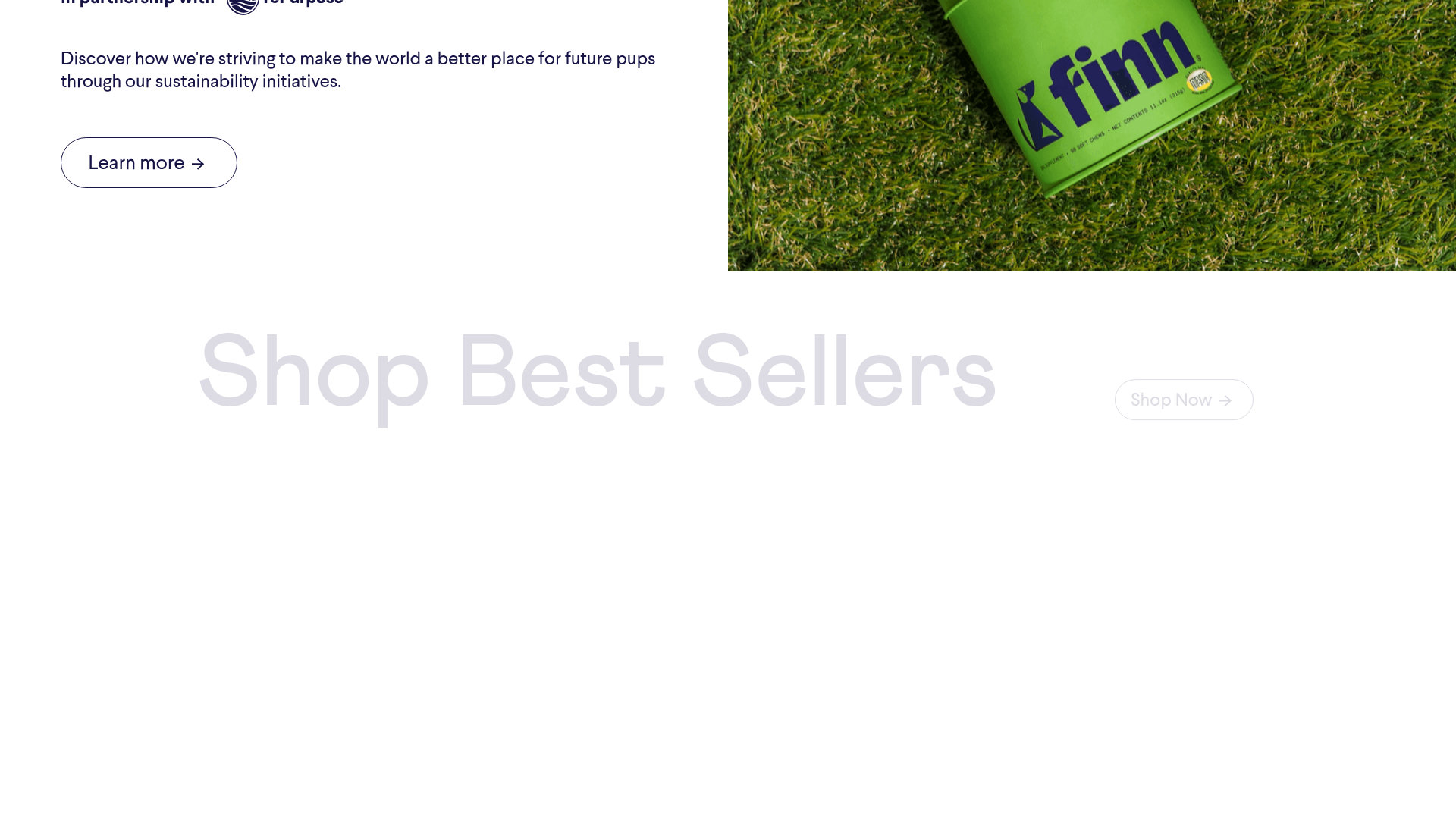
Finn Pet Supplements Landing Page
An e-commerce landing page featuring high-contrast typography, a sticky brand logo banner, parallax scroll effects on product headers, and a clean product grid.
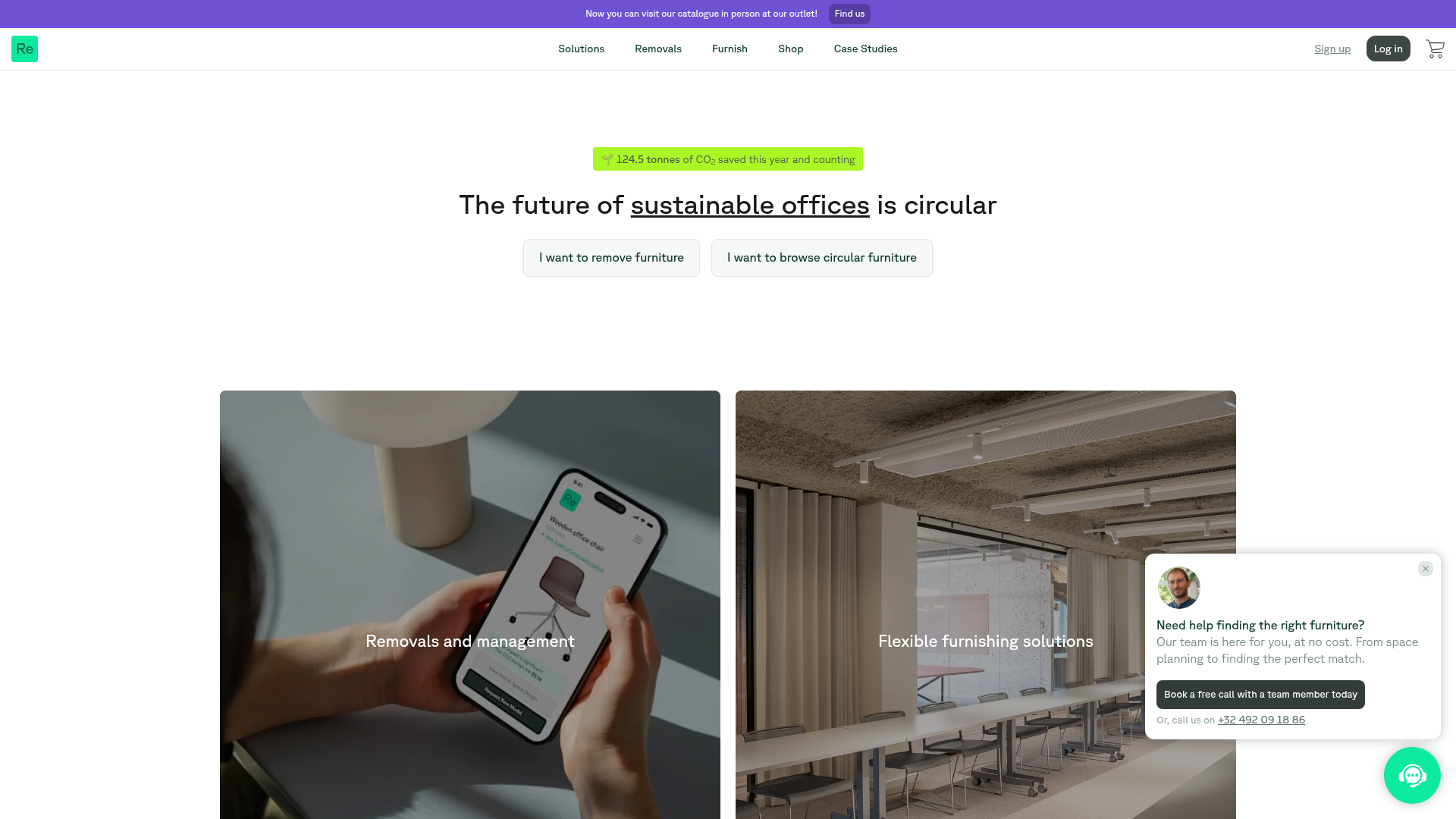
Relieve Furniture Sustainable Marketplace Landing Page
A clean sustainability-focused landing page featuring a hero with environmental impact stats, two-column visual category grid, horizontal logo slider, and a testimonial carousel.
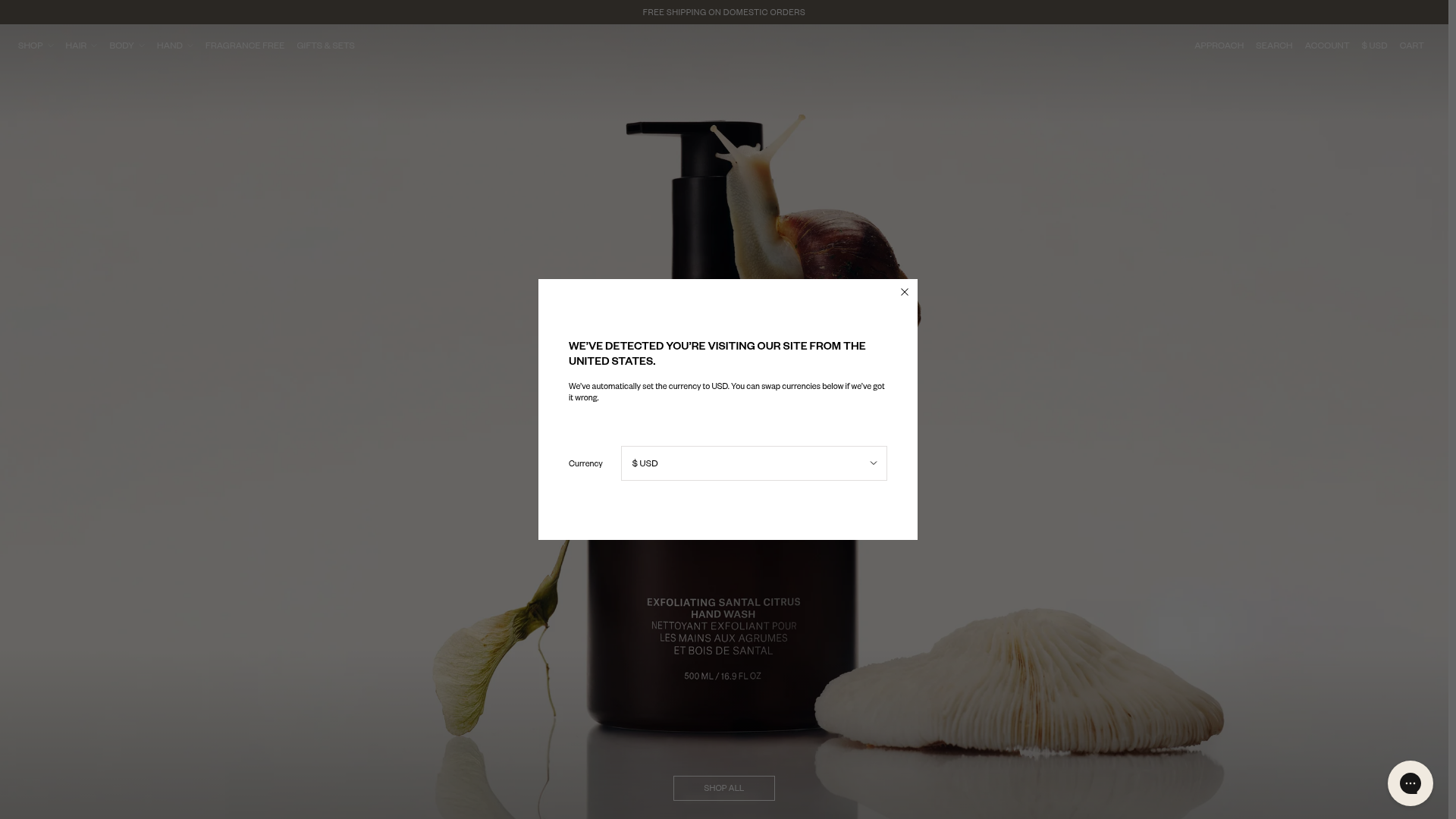
Nature of Things E-Commerce Landing
A high-end skincare storefront featuring a full-viewport hero section, scroll-triggered GSAP text animations, a slide-out mini-cart with product carousels, and minimalist category grids.
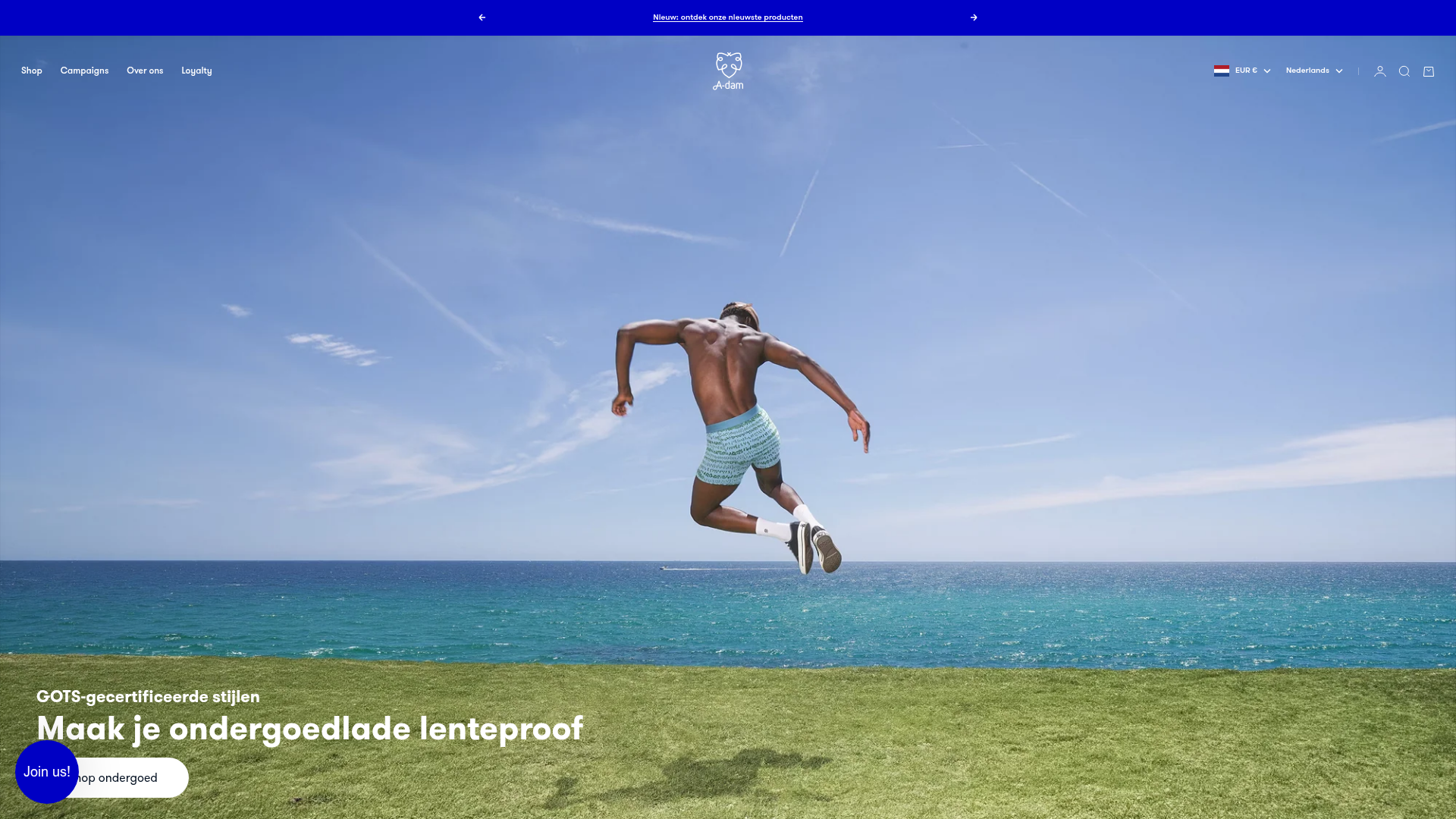
A-dam E-commerce Apparel Storefront
A clean Shopify-based layout featuring a high-impact responsive slideshow, horizontal product carousels with size-selection hover effects, and distinct collection grid sections.
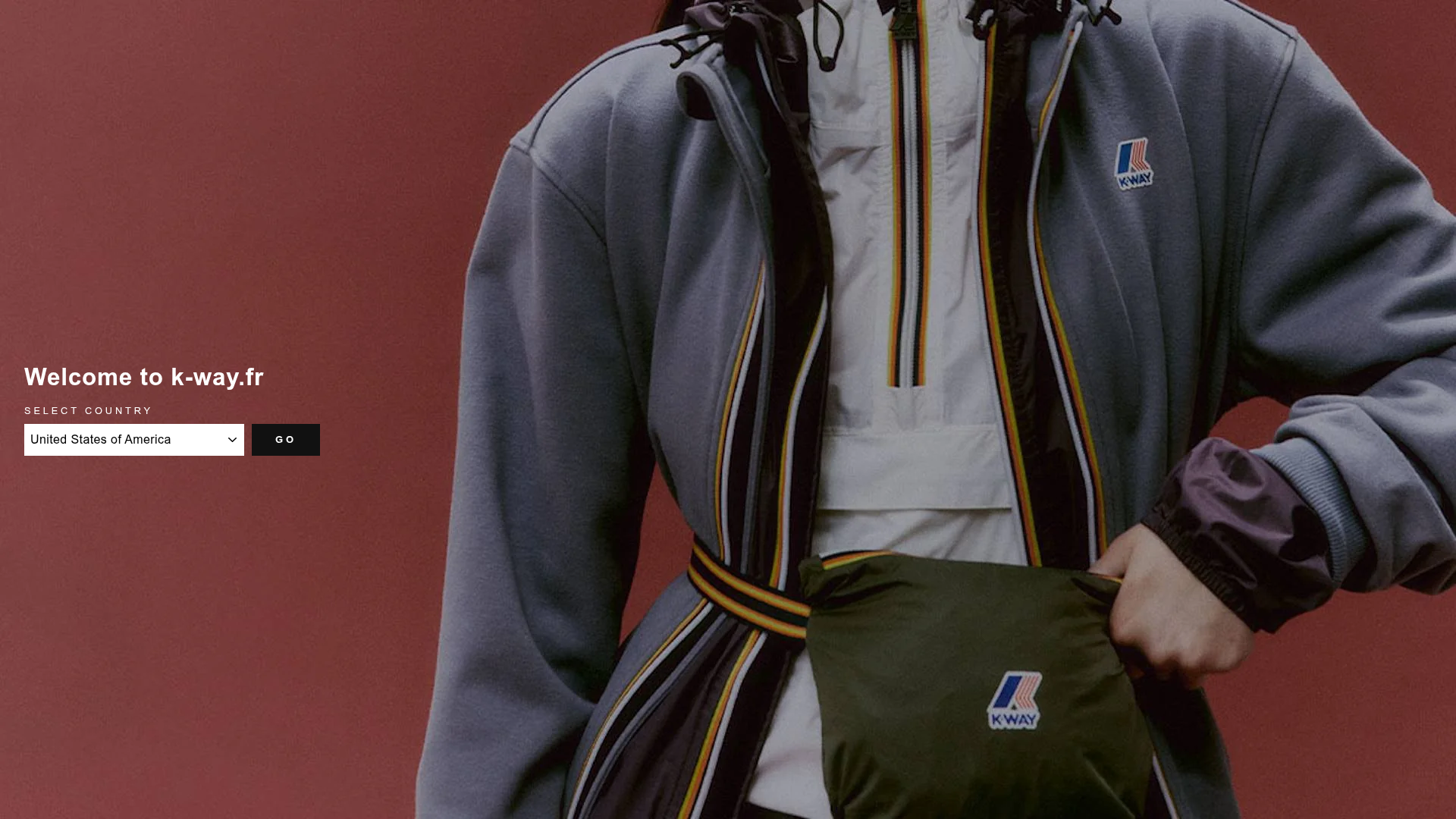
K-Way E-commerce Fashion Interface
A refined Shopify-style storefront featuring a full-bleed video hero, product grids with secondary image hover effects, and a landing page country selector.
