Aikawa Kenichi Photography Portfolio
Minimalist photography showcase featuring letter-by-letter text animations, a custom mouse pointer interaction system, and a canvas-based image gallery.

Overview
Aikawa Kenichi’s portfolio is a high-end minimalist photography showcase that emphasizes spaciousness and sophisticated motion. It is an excellent clone reference for creatives looking to implement canvas-based image rendering combined with a custom interaction system that replaces standard browser UI elements.
Design System
- Color Palette & Visual Hierarchy: A strict monochromatic palette of high-contrast black and white. The background is purely white to allow photography (rendered via canvas) to be the focal point. Hierarchy is established through extreme negative space and varying font weights rather than color.
- Typography: Clean, sans-serif type used with generous letter-spacing. The HTML reveals a
home-intro__ttl-split-charsstructure, indicating a letter-by-letter animation system for headers. Labels like "All works" and numerical counters provide metadata without cluttering the view. - Page Structure: The layout uses a fixed-position navigation (
l-nav) and a centered intro block (home-intro). The images are managed by a global canvas layer (g-canvas), allowing for seamless transitions between a grid view and a high-resolution gallery view. - Reusable Components:
- Text Splitter: The
data-split-charssystem for animating headlines. - Custom Mouse Pointer: A dedicated
g-mouse-pointerdiv that follows the cursor and dynamically updates text (e.g., "view", "prev", "next", "close") based on the hover target. - Preload Progress: A circular progress indicator with numerical percentage tracking (as seen in
g-progress__count).
- Text Splitter: The
- Interaction & Motion: High use of JS-driven movement. The HTML indicates a data-pointer interaction system where elements like
.g-canvas__gallery-nexttrigger specific states in the cursor. Transitions are likely handled via GSAP or a similar engine, given the complex splitting of DOM nodes for text. - Implementation Clues: Built with a Vue-based framework (indicated by
data-v-scoped attributes and#id__app). The site uses a "split-child" technique to wrap every individual character in a<span>for granular CSS/JS animation control.
Use Cases
- Who should clone this: Photographers, architects, and high-end fashion labels who require a digital experience that feels like a gallery installation.
- Effective Remixes:
- Portfolio Swap: Keep the canvas grid and custom cursor but swap the font for a serif to lean into a more traditional editorial aesthetic.
- Product Showcases: Adapt the image gallery for a "lookbook" where the custom cursor provides quick "Buy" or "Details" action cues.
- Remix Directions: Builders can extract the
g-mouse-pointerlogic as a standalone feature for existing sites to improve UX on interactive image heavy-pages. - Clone Scope: A full-page clone is recommended to maintain the relationship between the canvas background and the HTML text overlays, as the interaction design relies on their deep integration.
Related Inspirations

Industrial Designer Studio Portfolio Page
A minimalist portfolio layout featuring a full-screen canvas hero, integrated image carousel, and a clean grid for showcasing industrial design projects and career highlights.
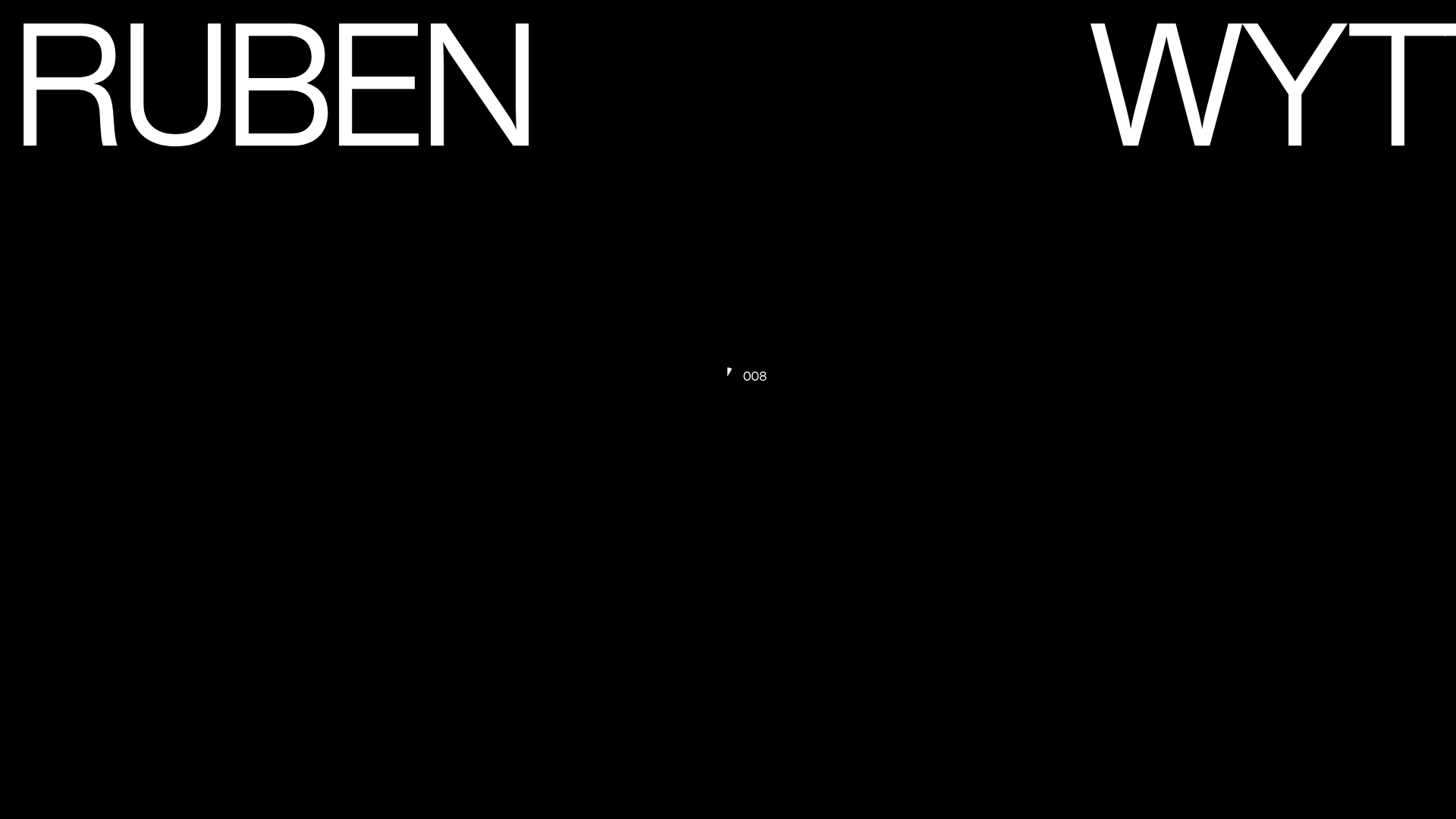
Ruben Wyttenbach Photography Portfolio
A minimalist photography showcase featuring a custom magnetic cursor with a numerical counter, smooth parallax scrolling, and an asymmetrical responsive image grid.
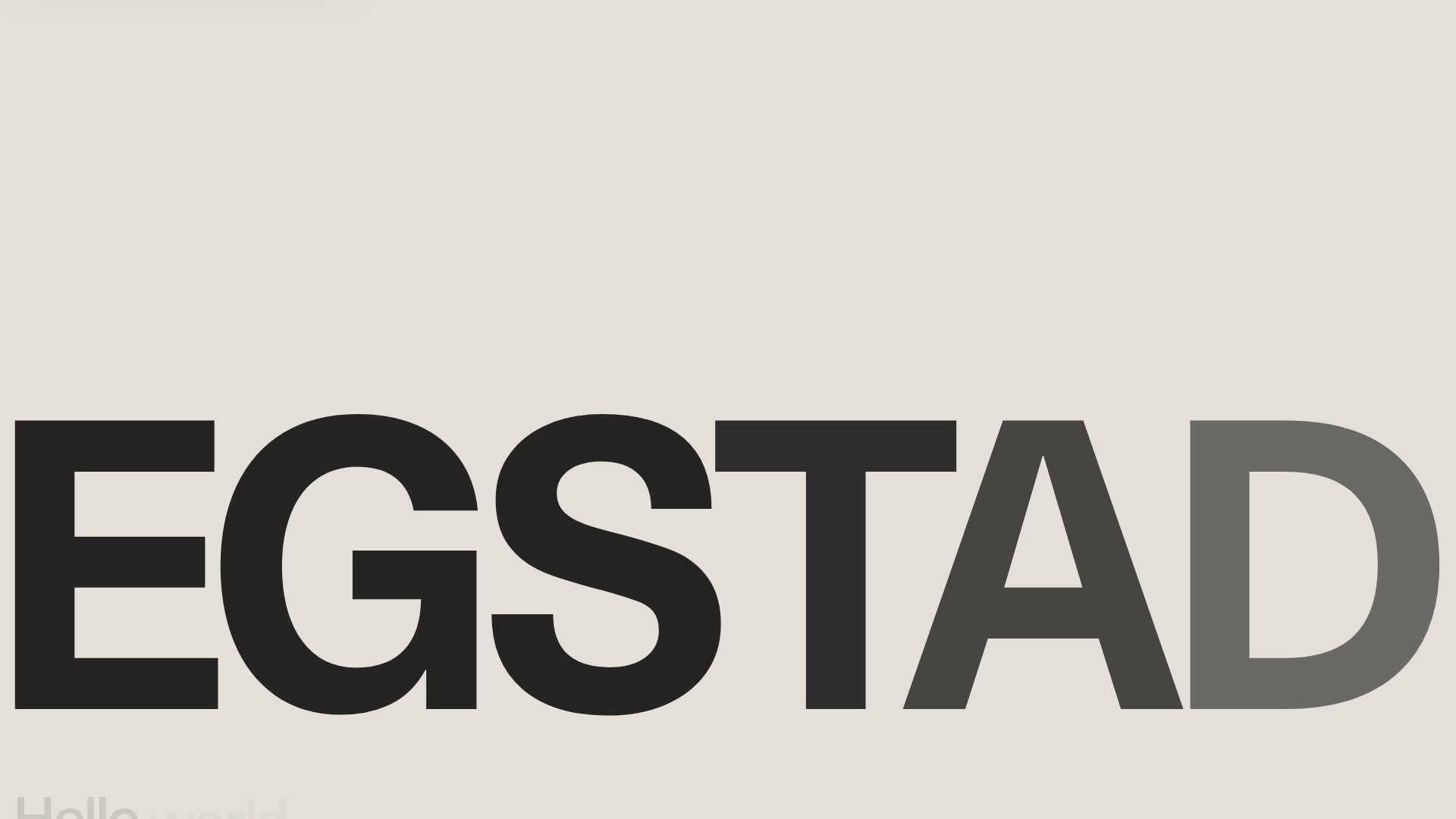
Egstad Minimalist Design Portfolio
A refined Nuxt.js portfolio featuring bold variable typography, interactive canvas elements, and a clean grid-based layout for showcasing design work.
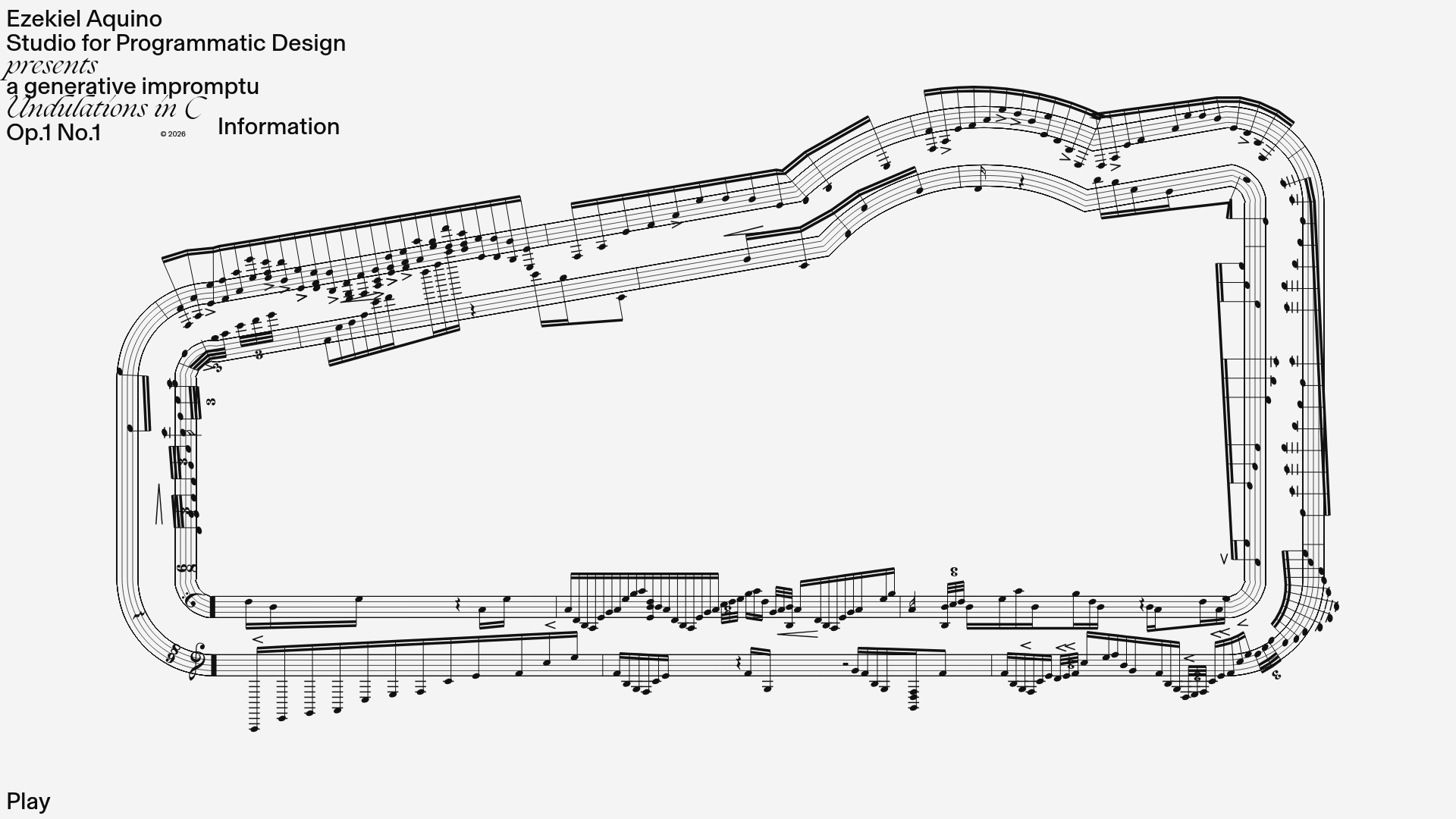
Generative Music Visualization Portfolio Canvas
A creative coding project featuring a generative musical score on a dynamic canvas with a play/pause interaction and custom notation rendering.
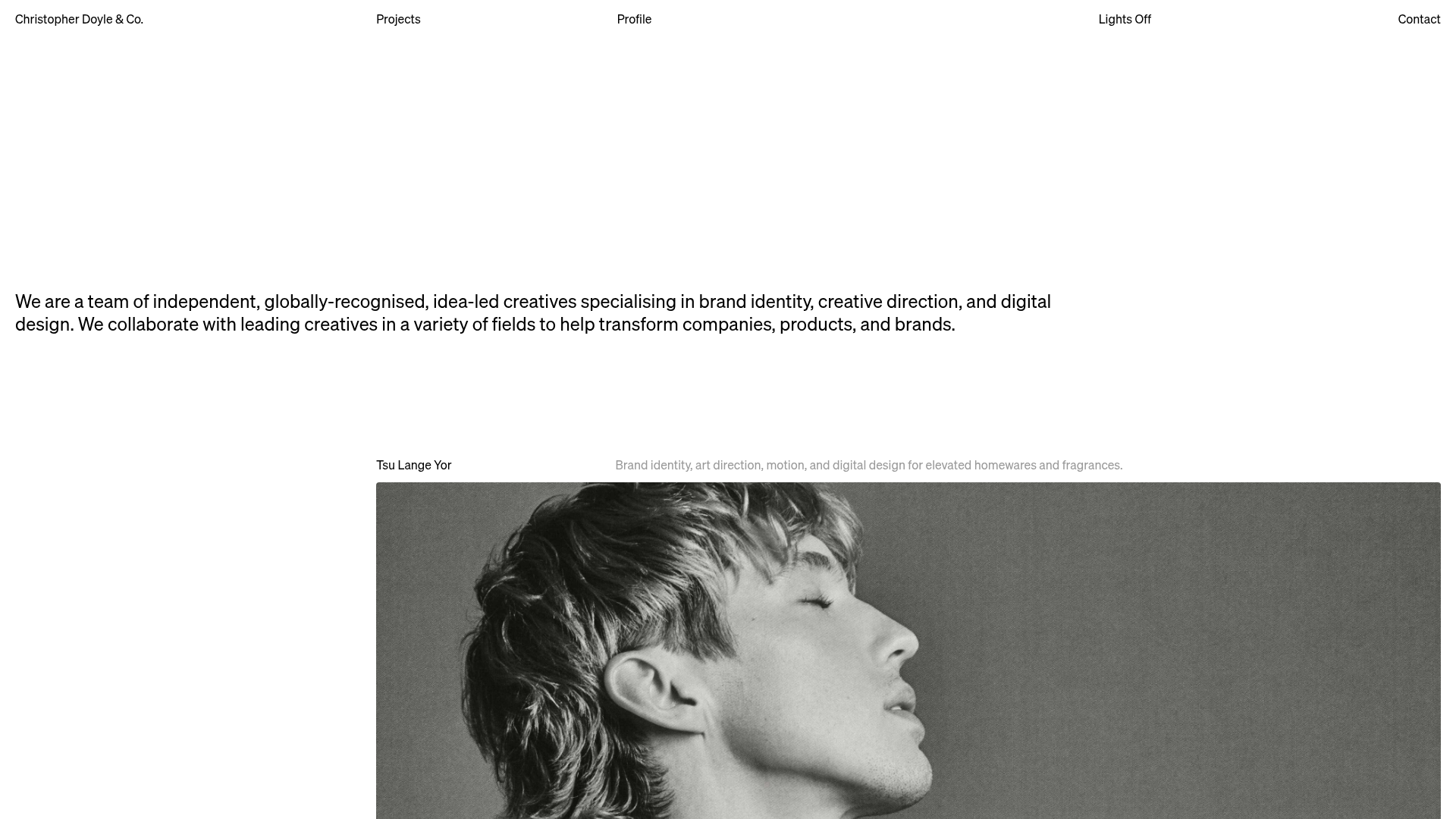
Christopher Doyle Agency Portfolio Layout
A minimalist, typography-led portfolio featuring a wide-margin grid system, smooth fade-in animations, and simple image-focused project cards.
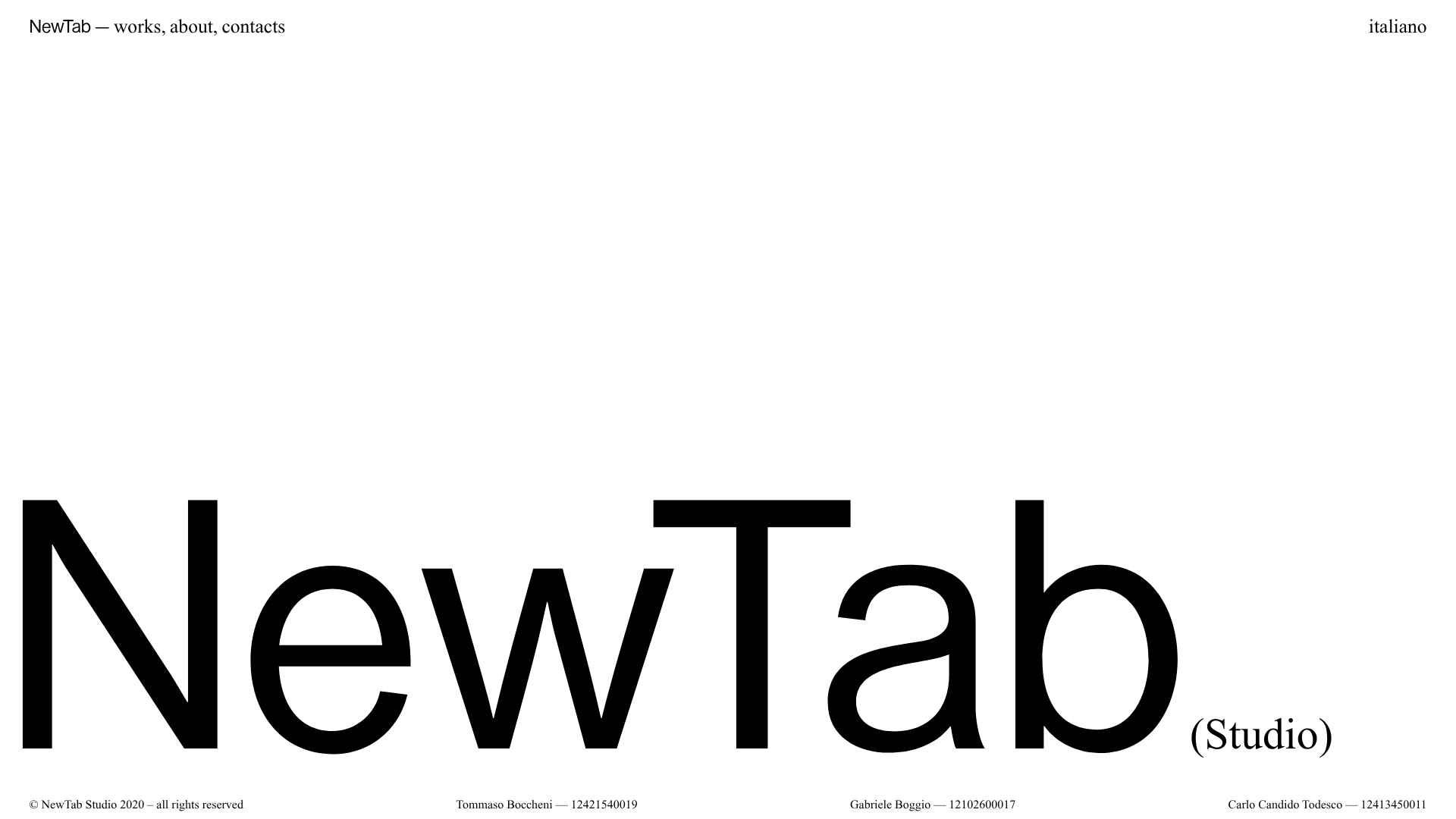
NewTab Studio Minimalist Portfolio Landing Page
A clean, typography-focused landing page featuring an oversized SVG/canvas hero title, a top-aligned navigation bar, and a minimalist footer layout.
