Ana Cuna Minimalist Illustration Portfolio
A clean, playful portfolio featuring a custom loader, pill-shaped navigation components, and a project grid with dynamic background color transitions based on data attributes.
Overview
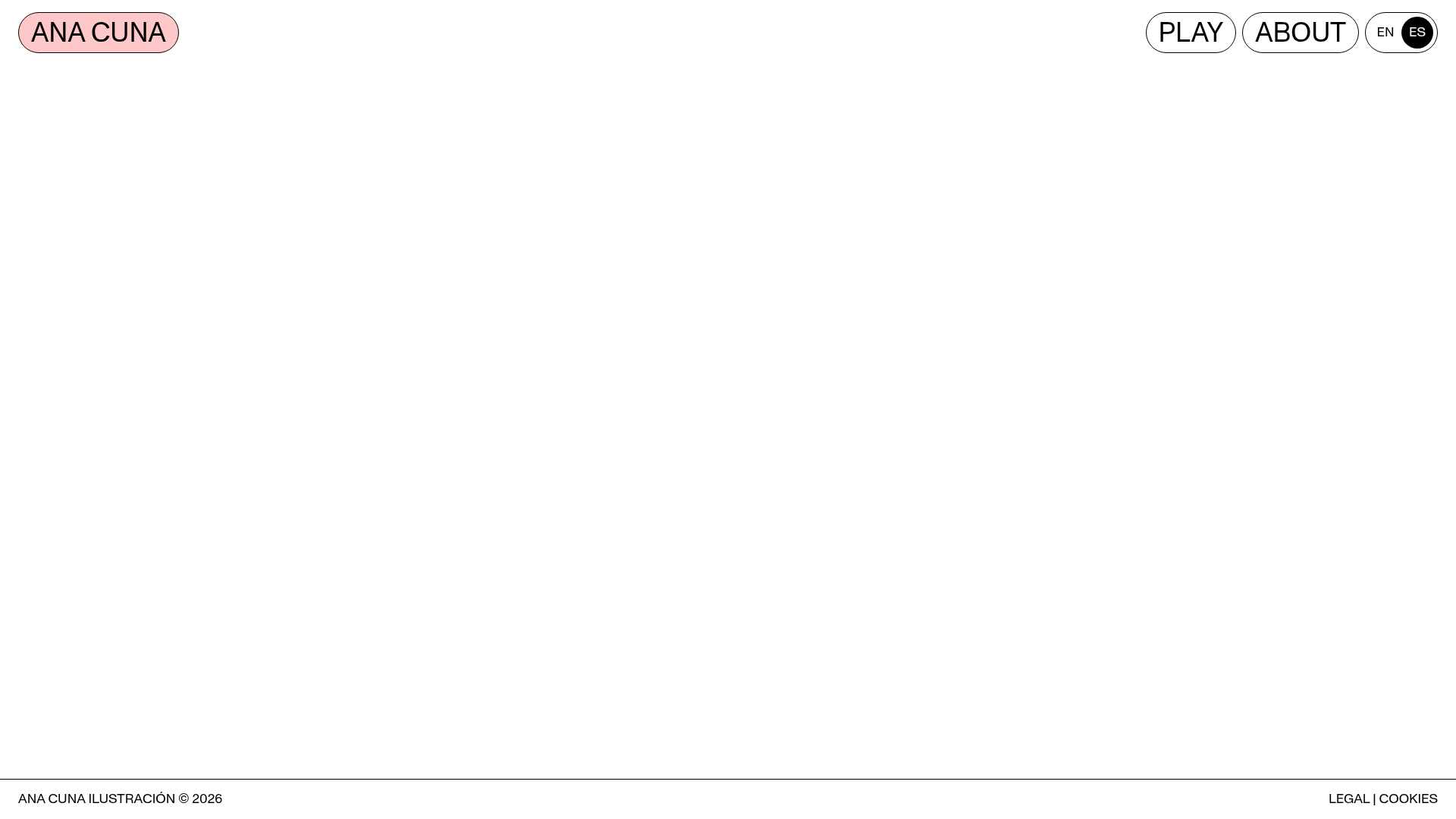
This is a minimalist, high-impact illustration portfolio for artist Ana Cuna. It stands out as a clone reference for its sophisticated use of white space, playful pill-shaped UI components, and a data-driven background transition system that adapts the site's aesthetic based on the active project.
Design System
- Color Palette & Visual Hierarchy: The base is a clean, stark white background. Primary UI elements like the brand logo are highlighted with a soft peach/pink (
#FFC4E3). A dynamic logic is present where every project entry includes adata-colorattribute (e.g.,#ffc4e3,#ac76e2,#0f66b1) that shifts the background color during interaction or page transitions. - Typography: Features a clean, modern sans-serif. The hierarchy is extremely flat; navigation labels and logo text share similar sizing, using uppercase for secondary actions (PLAY, ABOUT) and a mix for headings. There is a specific "peque" (small) class for client metadata under project titles.
- Page Structure: A persistent top navigation bar with rounded pill-shaped containers. The main content area (
main__container) holds a list of projects (list-projects). A sticky footer provides copyright and legal links with minimal weight. - Reusable Components:
- Pill Buttons: The most distinct element—rounded, outlined containers for navigation and the logo.
- Project Cards: A horizontal list layout where each item consists of a text content block (Title + Client) and a flexible-width image container.
- Custom Loader: The
loader-webdiv contains floating brand text and a striking horizontal line that serves as a visual bridge during asset loading.
- Interaction & Motion: The site uses the Barba.js library (
data-barba="container") for seamless, AJAX-based page transitions. Hovering over project links likely triggers the background color shifts defined in the HTMLdata-colorattributes. - Implementation Clues: The HTML reveals a WordPress-based backend using custom themes. It utilizes
lazyloadfor images and attributes specific widths tocontent-imgcontainers via inline styles to maintain a strict, curated layout grid.
Use Cases
- Who should clone this: Independent creators, illustrators, and design agencies who want a "gallery-first" website that feels premium and curated rather than templated.
- Effective Remixes: This pattern works exceptionally well for high-end boutique brands or editorial lookbooks where each collection has its own distinct color identity.
- Remix Directions:
- Interactive Backgrounds: Reuse the
data-colorattribute logic to change the site theme dynamically as the user scrolls through a product list. - Navigation Style: Extract the pill-shaped button components for a modern SaaS app's "Lite" or "Pro" toggle system.
- Architecture Adaptation: Convert the list-based project grid into a wider masonry layout while keeping the minimalist typography and white space.
- Interactive Backgrounds: Reuse the
- Clone Scope: A quick section clone of the navigation bar and the footer is ideal for adding a modern touch to an existing site. A full-page clone is best for those needing a complete, motion-heavy portfolio experience.
Related Inspirations
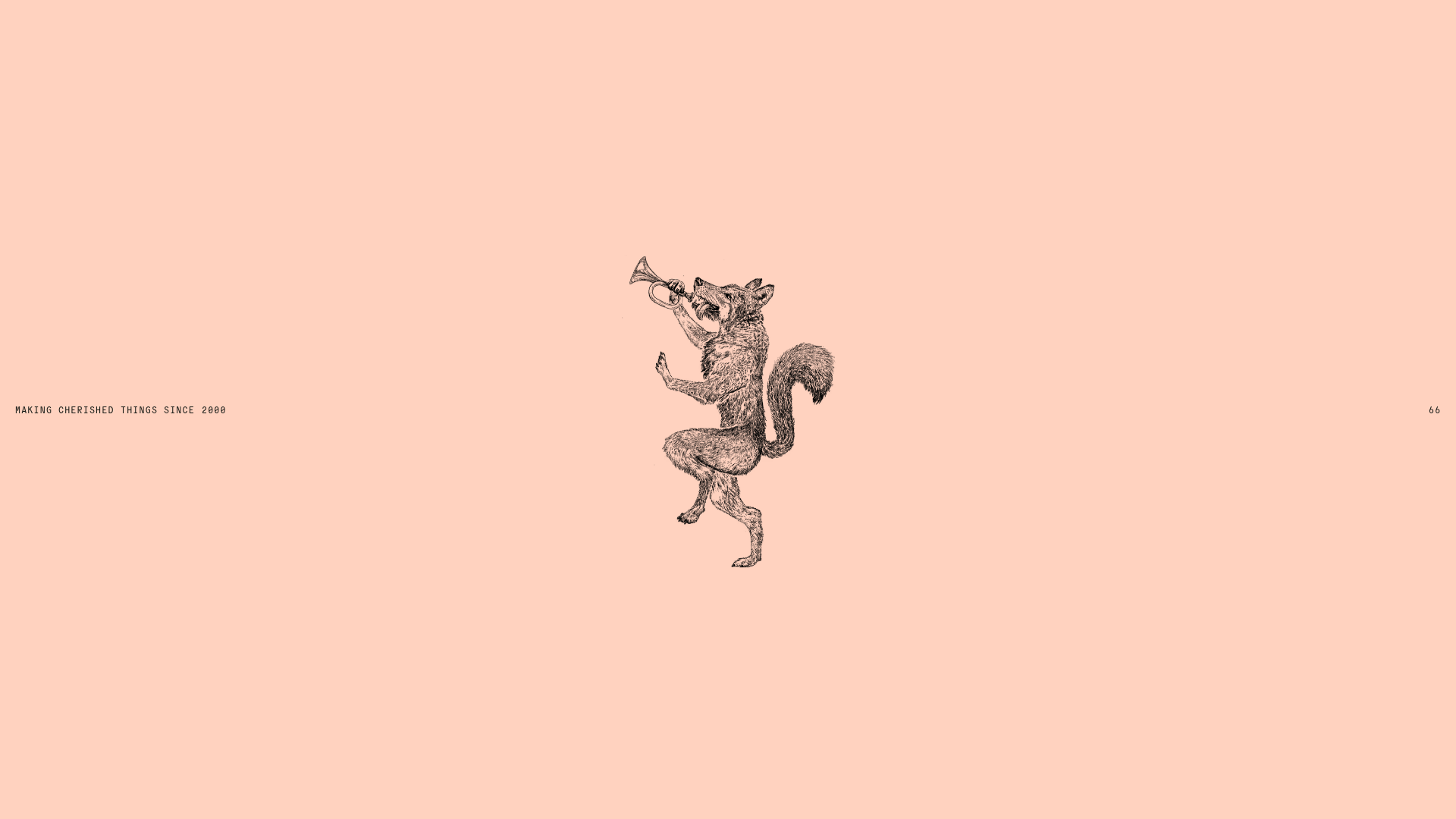
Smiling Wolf Minimalist Portfolio Landing
A refined, ultra-minimalist layout featuring a centered vintage illustration, subtle typography, and a spacious monochromatic aesthetic ideal for a high-end brand splash page.
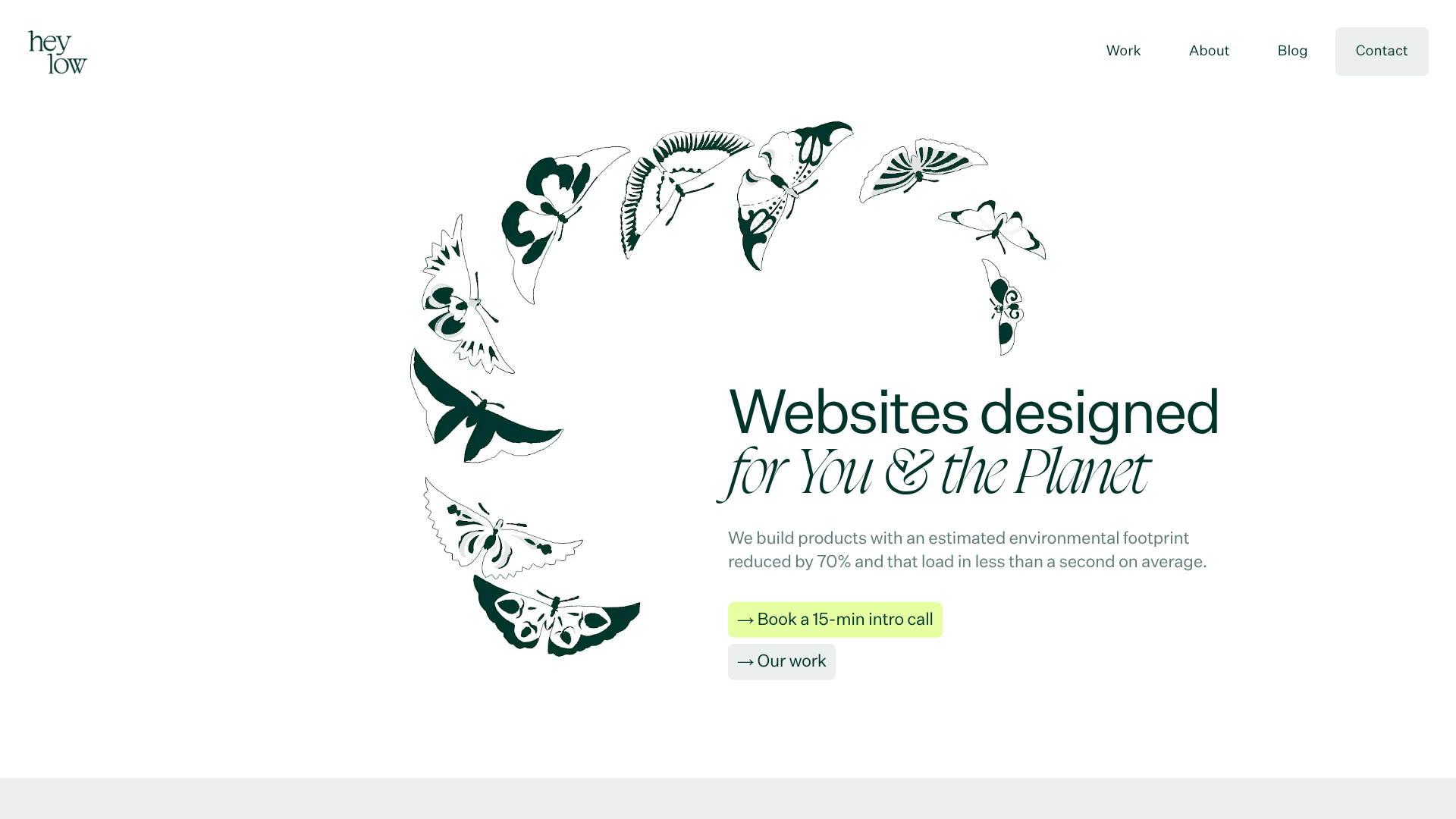
Heylow Portfolio Landing Page
A minimalist, eco-conscious portfolio featuring an animated butterfly hero section, Bento-style feature grid, and project cards with carbon rating and speed metrics.
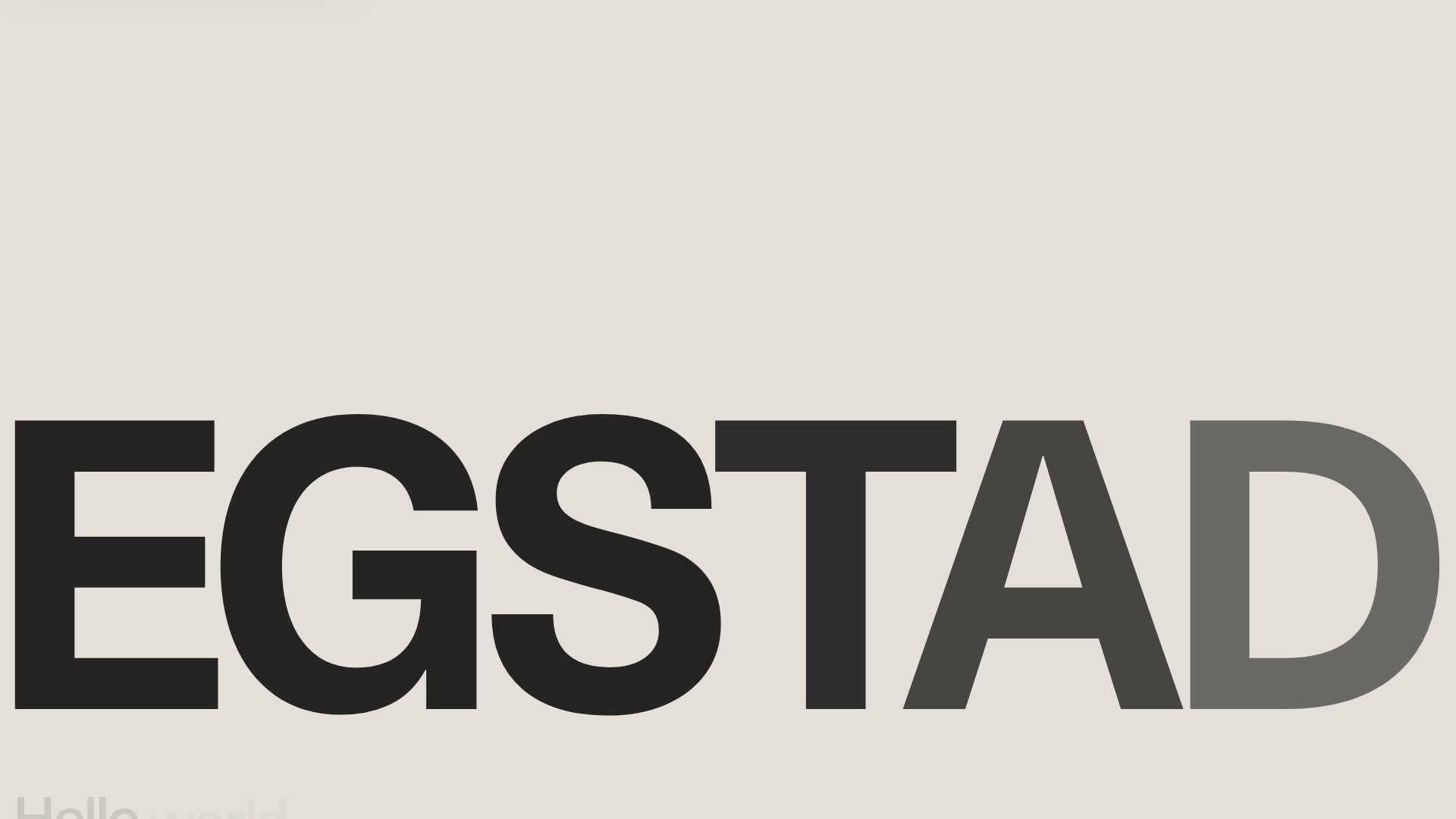
Egstad Minimalist Design Portfolio
A refined Nuxt.js portfolio featuring bold variable typography, interactive canvas elements, and a clean grid-based layout for showcasing design work.
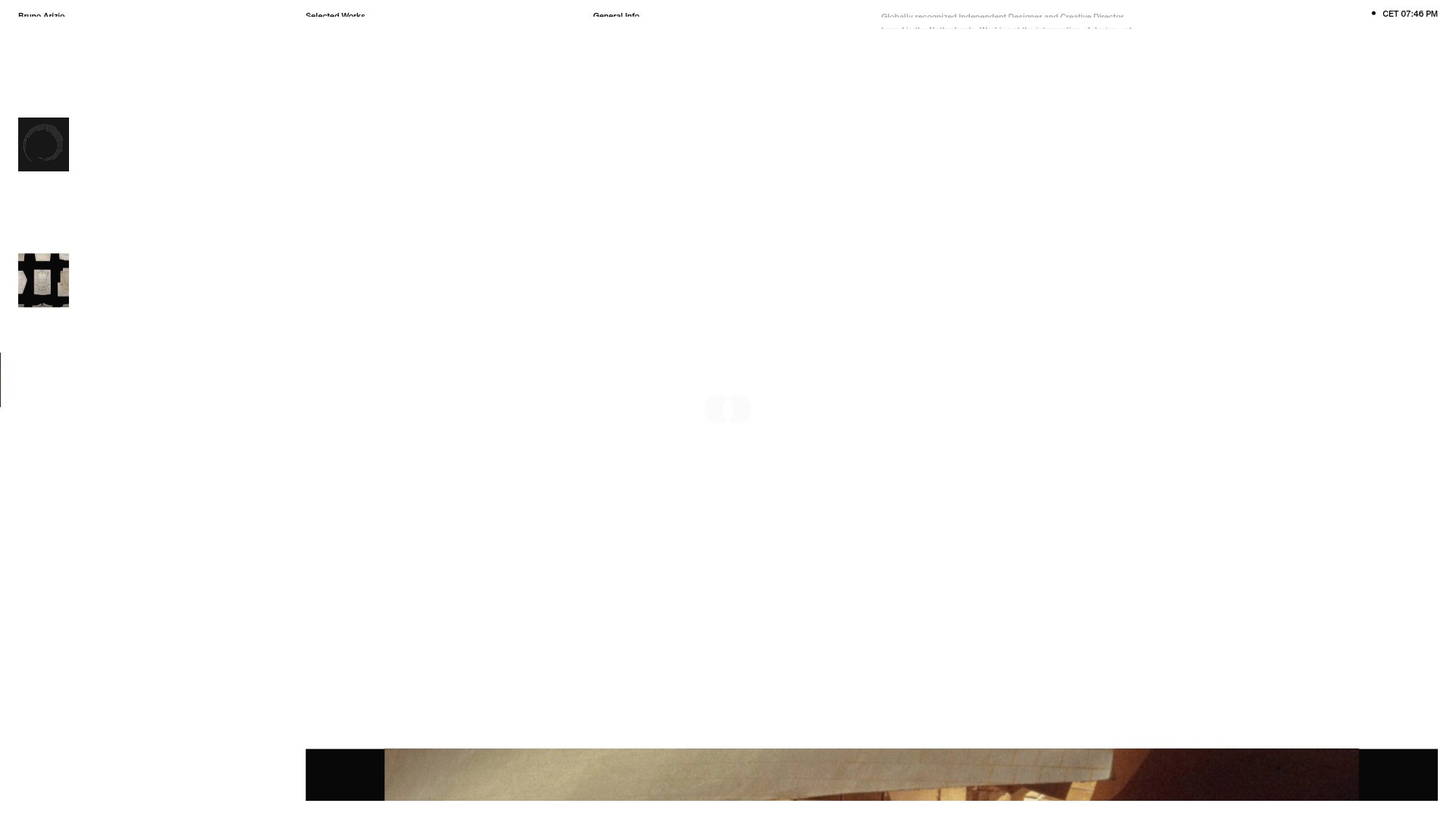
Bruno Arizio Designer Portfolio Website
A minimalist creative director portfolio featuring a clean typographic layout, side-aligned image previews, and high-contrast spacing patterns suitable for luxury or design showcases.
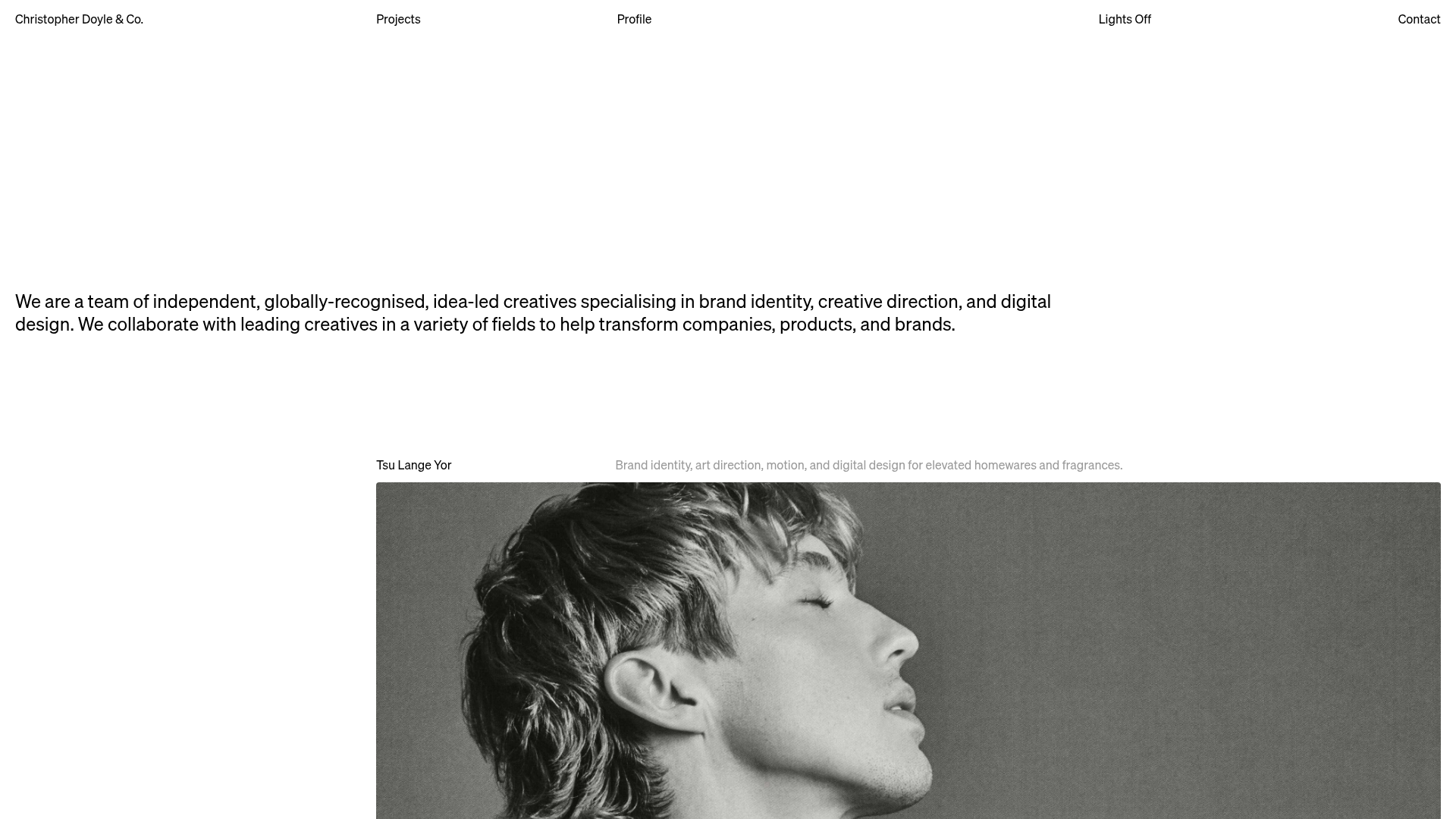
Christopher Doyle Agency Portfolio Layout
A minimalist, typography-led portfolio featuring a wide-margin grid system, smooth fade-in animations, and simple image-focused project cards.
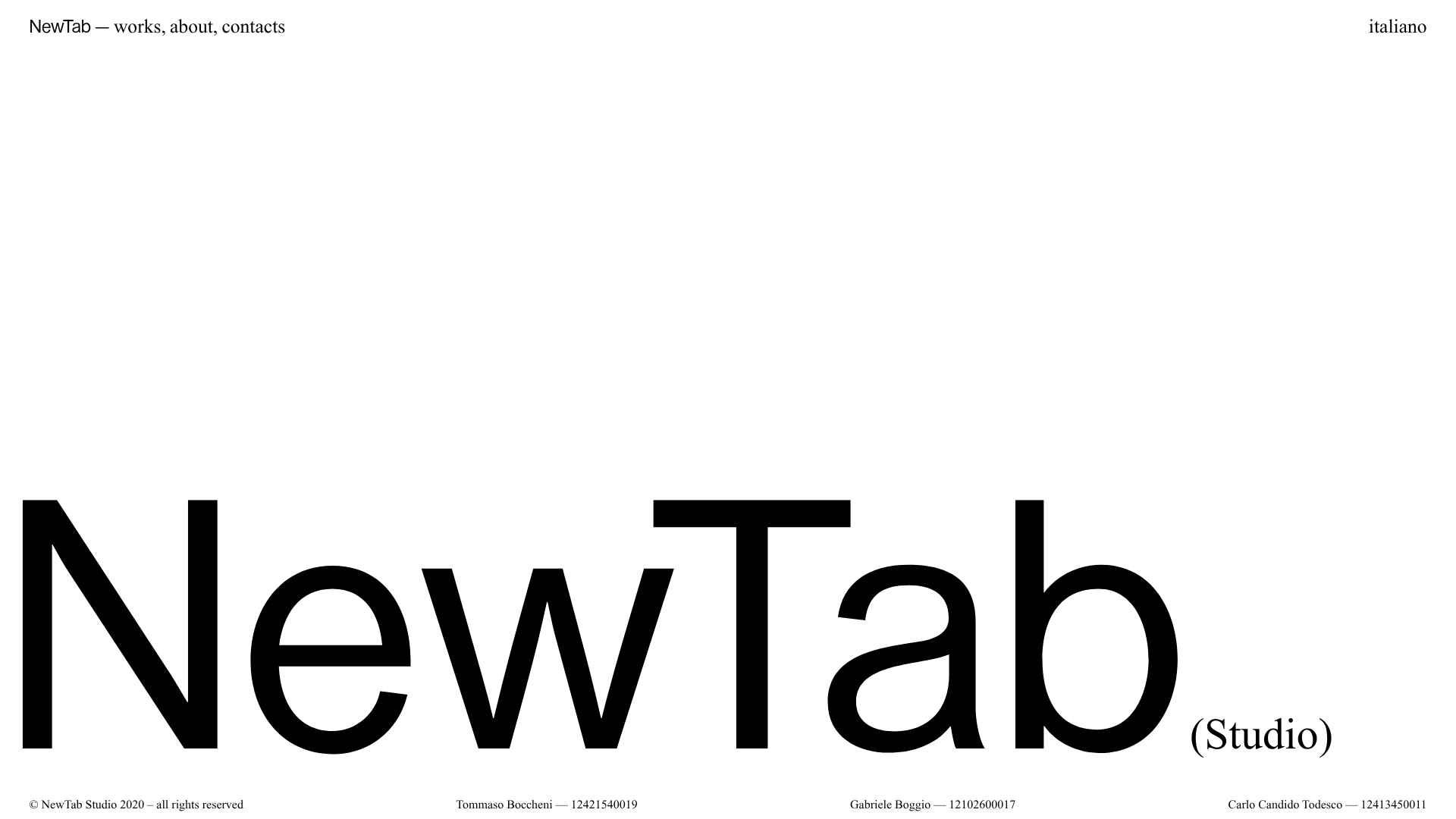
NewTab Studio Minimalist Portfolio Landing Page
A clean, typography-focused landing page featuring an oversized SVG/canvas hero title, a top-aligned navigation bar, and a minimalist footer layout.
