Minimalist 404 Error Page Layout
A clean and basic boilerplate for a 'Not Found' error page featuring standard typography and a simple information hierarchy.

Overview
This is a foundational boilerplate for a standard 404 "Not Found" error page. It represents the most basic implementation of server-side error communication, making it an ideal starting point for developers who need a clean, unstyled canvas to build a custom error experience.
Design System
- Color Palette and Visual Hierarchy: The design utilizes a high-contrast monochrome palette (black text on a white background). Hierarchy is established through size, with a large header leading into a smaller secondary explanation line.
- Typography System: The layout uses a classic Serif typeface (likely Times New Roman or a standard system default). The scale includes an
<h1>for the primary error status and a standard<p>tag for the descriptive text. - Page Structure and Section Flow: The structure is linear and top-aligned, consisting of a title followed immediately by a single-sentence explanation.
- Reusable Components: The core component is the "Error Messaging Block," which serves as the functional minimum for any server-level error handling.
- Interaction and Motion Patterns: There are no interactive elements or transitions; the page is static to ensure maximum compatibility and load speed during server errors.
- Responsive Behavior: The design is inherently responsive due to its simplicity, as the text wraps naturally within the viewport on mobile devices.
- Implementation Clues: The HTML structure is extremely minimal, using raw, unclassed semantic tags (
<h1>and<p>), suggesting it is likely a default server response or a low-level template.
Use Cases
- Who should clone this pattern: Developers needing a lightweight, zero-dependency error page that functions even if CSS or JavaScript assets fail to load.
- What products can remix it effectively: Any web application or site looking to replace default browser error screens with a more intentional, branded experience.
- Practical remix directions: Designers can remix this by adding a "Return Home" button, injecting brand-specific typography (Sans-Serif or custom web fonts), or adding a background SVG/Illustration to reduce user frustration.
- Suggested clone scope: Quick full-page clone. The minimal footprint makes it easy to copy the structure into a layout engine or CMS error template.
Related Inspirations
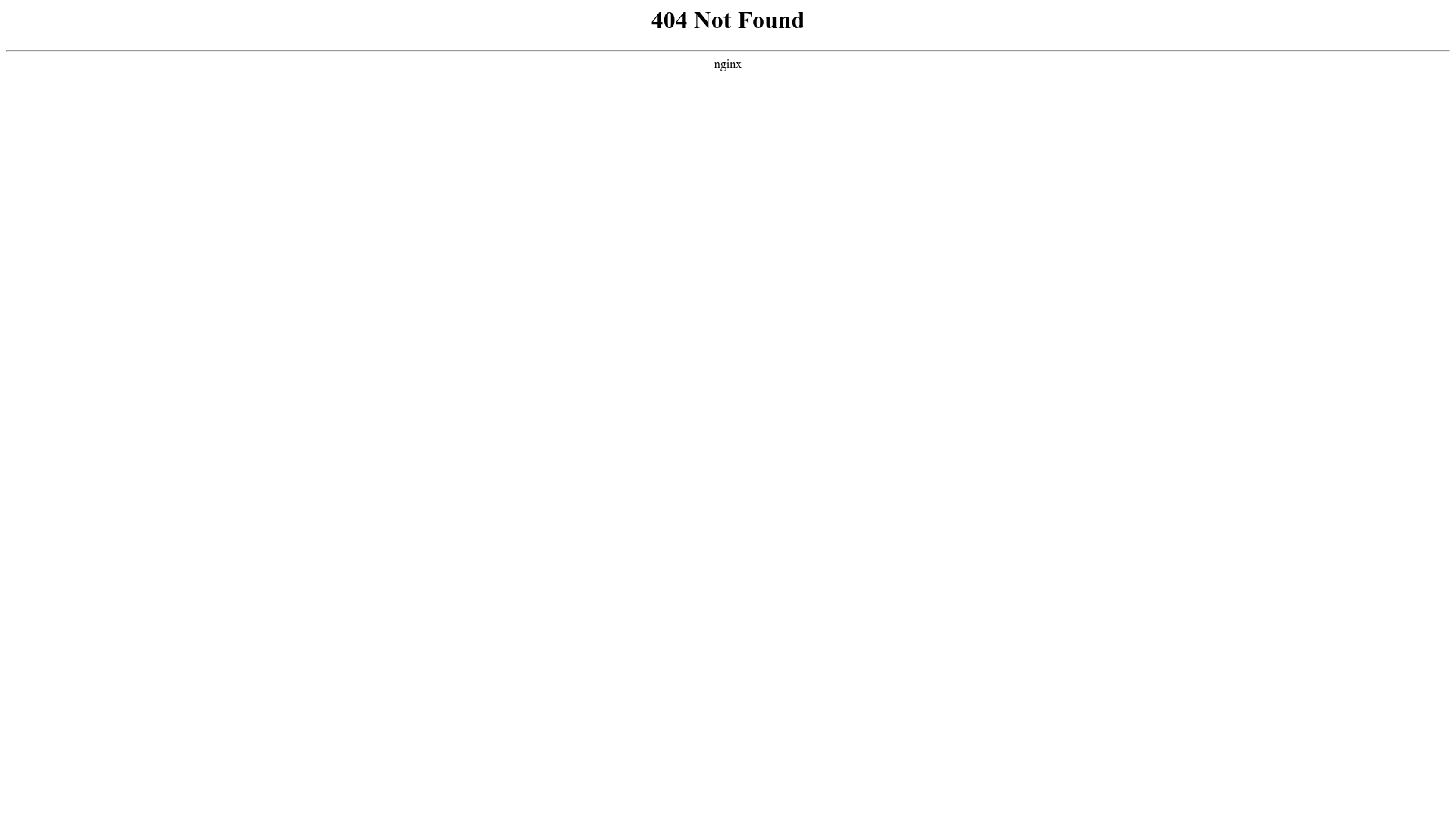
Nginx Default 404 Error Page
A minimal, unstyled 404 error page layout featuring center-aligned text and a horizontal rule separator.
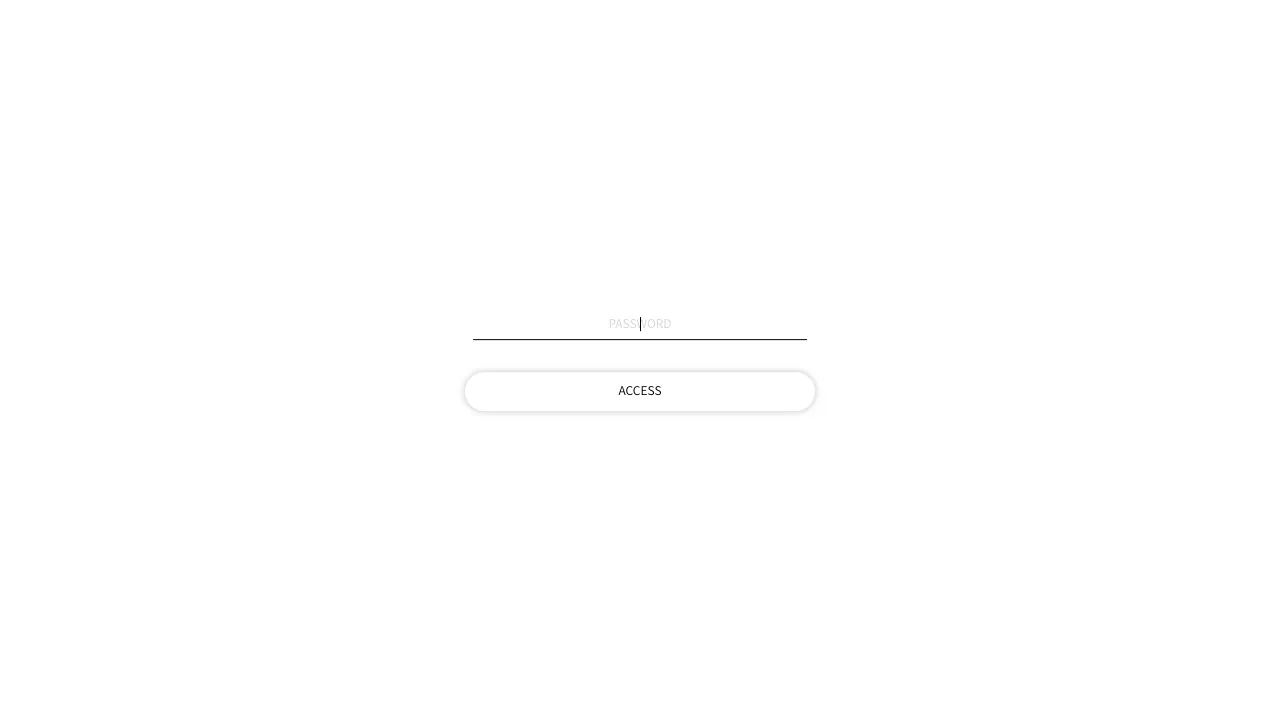
Minimalist Password Protected Entry Page
A stark, centrally aligned landing page featuring a thin-line text input field and a pill-shaped access button for basic authentication flows.

Egstad Minimalist Design Portfolio
A refined Nuxt.js portfolio featuring bold variable typography, interactive canvas elements, and a clean grid-based layout for showcasing design work.
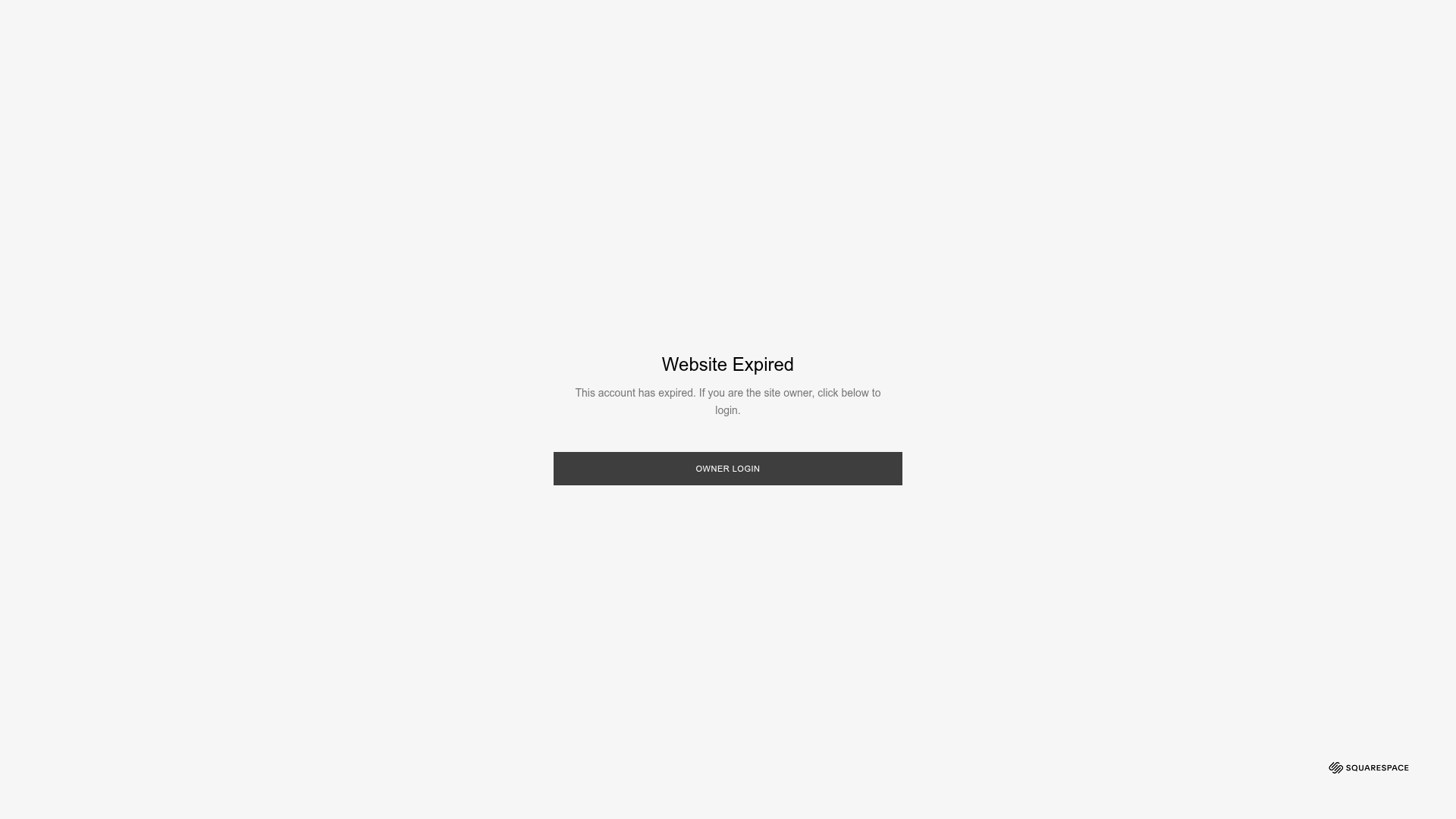
Squarespace Website Expired System Page
A minimal system error page layout featuring a centered modal box, dark overlay, and a primary call-to-action button for account recovery.
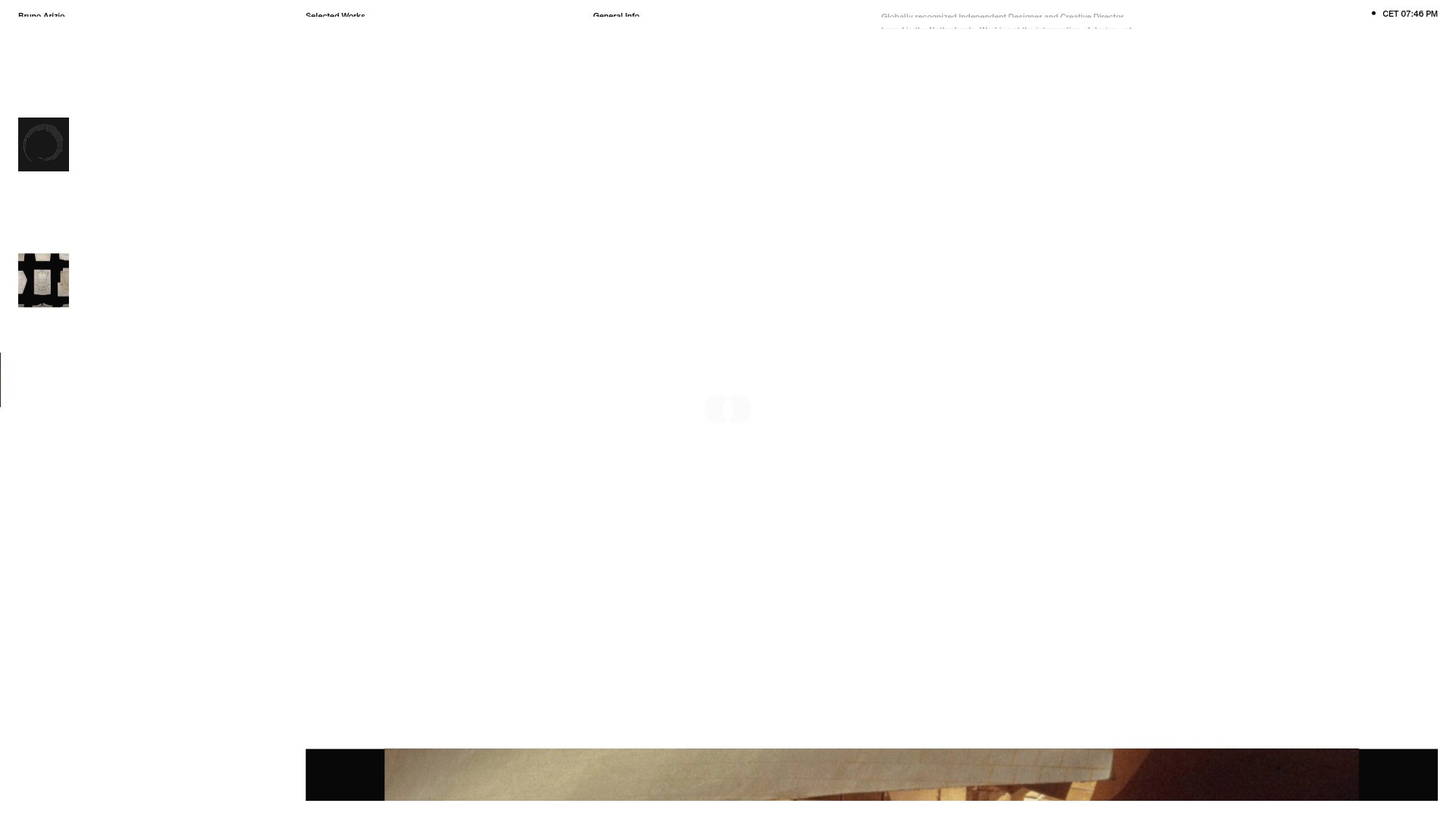
Bruno Arizio Designer Portfolio Website
A minimalist creative director portfolio featuring a clean typographic layout, side-aligned image previews, and high-contrast spacing patterns suitable for luxury or design showcases.

Isla Beauty Skincare E-commerce Store
A clean Shopify-based storefront featuring a split-hero landing page, a step-by-step product system carousel, and a split-screen testimonial section with localized product image sidebars.
